“I don't want to finish like that”: Former top-10 Lucas Pouille reveals why he's returning after two years
ATP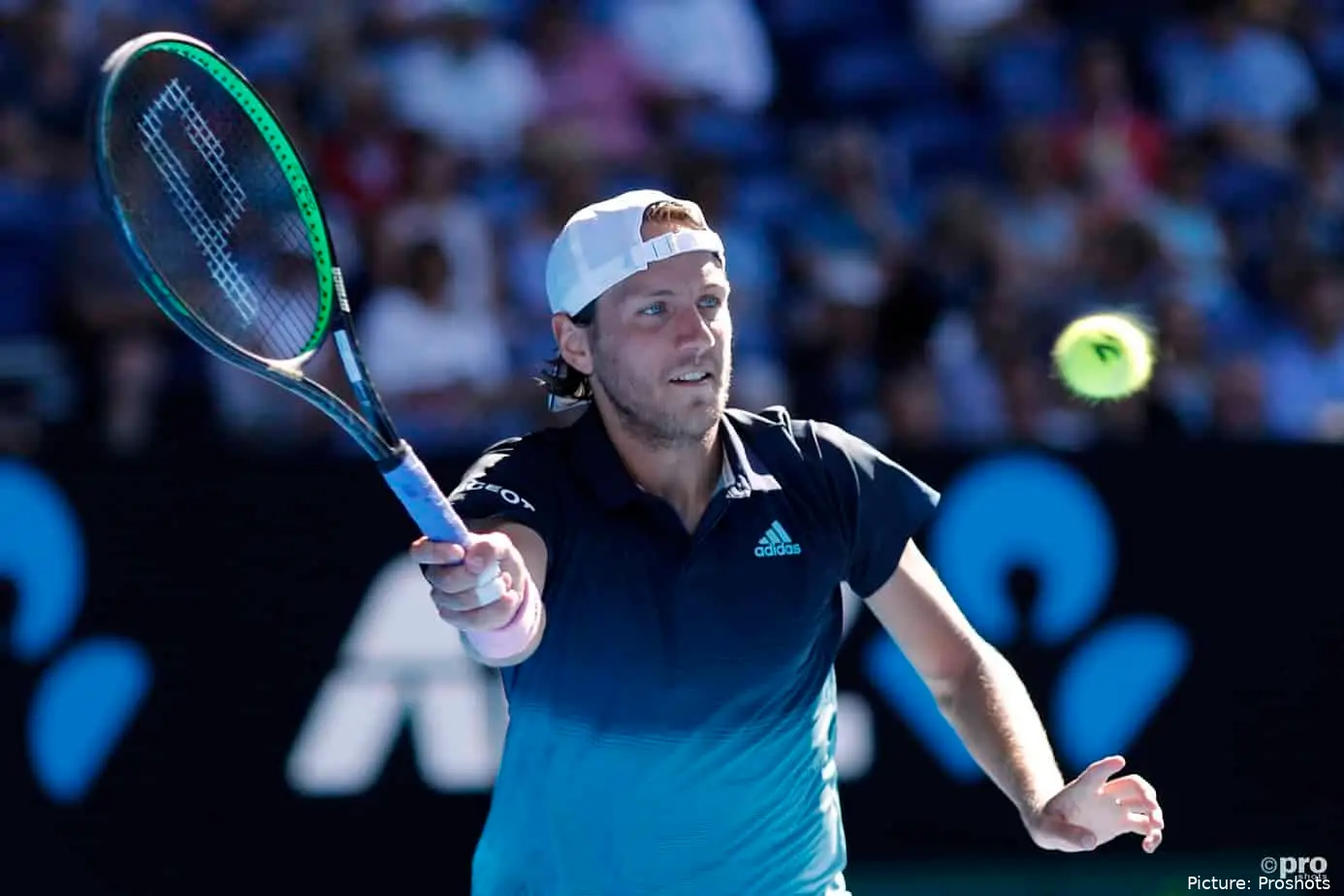
Lucas Pouille was preparing to announce his retirement from professional tennis. After rupturing his Achilles tendon and spending months dealing with persistent wrist pain, the former world No. 10 had started accepting that his playing career might be over. Then, during an unexpected practice session at the US Open, everything changed.
For the first time since September 2024, the Frenchman hit a forehand without experiencing pain. The sensation brought back the enjoyment of tennis he feared he had lost permanently and eventually convinced him to reconsider his future.
Now, at 32, Pouille has confirmed that he intends to return to professional competition in 2027, almost two years after his last match. His decision also explains why he ended his coaching collaboration with Arthur Rinderknech, whom he accompanied on tour for approximately 18 months.
Speaking during a press conference, Pouille said he hopes to resume competing around March. However, he remains cautious about his physical preparation and does not want to set a fixed date before knowing how his body responds to training.
Pouille was preparing to retire before a pain-free US Open practice changed everything
Pouille's comeback plans are particularly remarkable given how close he came to ending his career. He ruptured his Achilles tendon during the Lille Challenger final in February 2025, but explained that his wrist problems had actually been responsible for much of his prolonged absence.
He underwent wrist surgery in May 2025 after months of playing through severe pain, relying on painkillers, anti-inflammatory medication and injections. Even after the operation, the discomfort persisted. At one point, hitting a forehand with pain below seven out of ten was almost impossible.
That changed during a practice session in New York with Rinderknech and former French player Paul-Henri Mathieu. Pouille suddenly realised that his wrist no longer hurt, experiencing his first pain-free forehand in almost two years.
“It felt like being a kid again, picking up a racket, playing, having fun and smiling,” he explained to TennisActu. “There was no pain at all.”
The experience gradually brought back his desire to compete. Pouille revealed that he had discussed retirement with his wife and was considering announcing his decision in November, as the persistent pain had left him unable to play.
“Before that day at the US Open, I was mainly heading towards retirement. We could have found ourselves here with me saying: 'I'm stopping. I've decided to end my career,'” he admitted.
The Frenchman also explained why he struggled to accept the possibility of ending his career after his injury in Lille. Just 15 minutes after his Achilles tendon ruptured, he believed that the moment could represent the final image of his professional career.
His ambitions extend beyond simply returning to the tour. The first objective is to get back inside the world's top 100 and remain there for several seasons, allowing him to compete in Grand Slam tournaments and as many ATP events as possible.
"For now, I'm only looking at the positives: getting back into training with a lot of desire and enthusiasm, and wanting to regain my fitness and return to the court."
Roland Garros, protected ranking and a new challenge for Pouille in 2027
Pouille has already started considering how he will organise his return. He expects to begin with Challenger tournaments before gradually using his protected ranking, which he estimates will be around No. 104 or No. 105.
The Frenchman has 12 protected-ranking entries available during the 12 months following his return. He hopes to combine them with tournament wildcards and potentially use one at a Grand Slam, with Roland Garros, Wimbledon and the US Open among the possibilities.
Playing in Paris next year is particularly appealing, although Pouille acknowledged that qualifying for the main draw could be difficult if his comeback begins around March.
“I would really like to be there,” he said about Roland Garros 2027. “If I manage to return at the end of February or beginning of March, perform well, win matches and feel that my level is there, then I will do everything to play it.”

However, he knows that getting back to competition will require several months of work. His initial preparation will focus on rebuilding his physical condition and gradually increasing his workload, with the goal of playing regular practice sets from January.
Pouille also acknowledged that another serious injury could eventually force him to retire. He wants to take precautions, particularly given his history, but does not want to approach the comeback expecting something to go wrong.
The decision has also brought his coaching partnership with Rinderknech to an end. Pouille explained that he could not properly prepare for his own return while travelling every week with another player and trying to fit his training around those commitments.
Read also
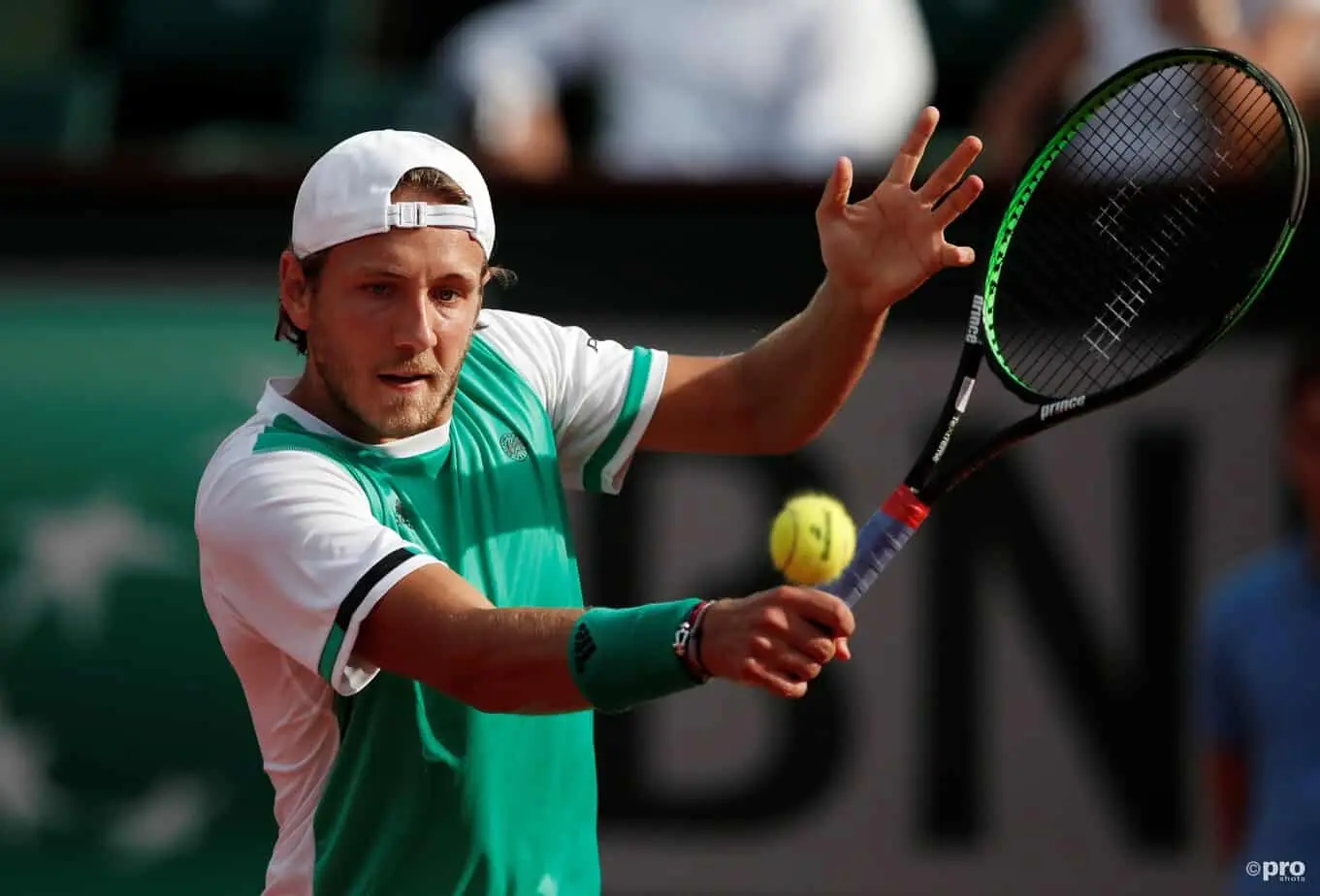
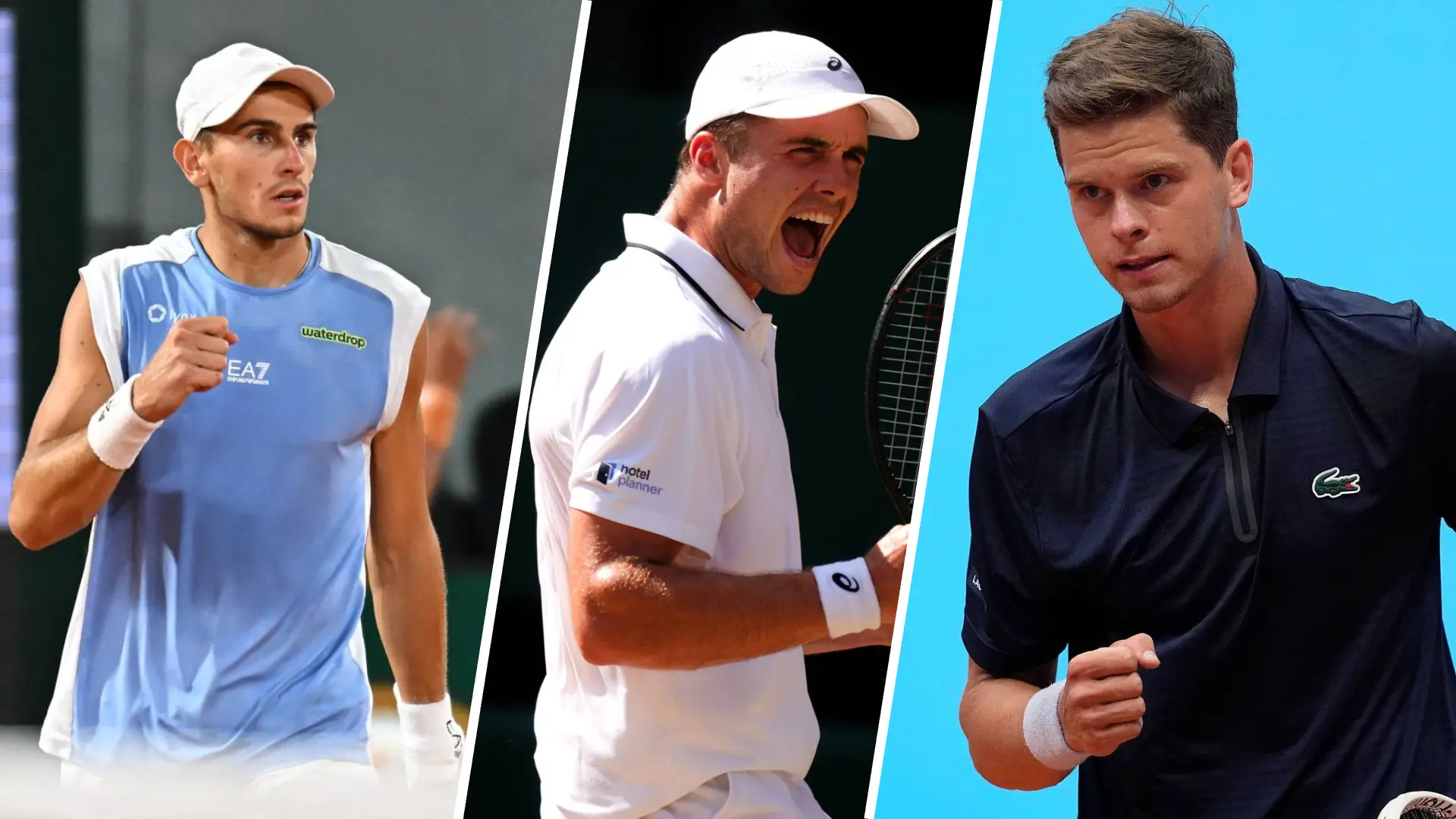
He nevertheless described the experience as extremely rewarding. "We were together almost every week, travelling and trying to work out how he could become the best and most competitive player possible," the former world No. 10 said. “I haven't lost a year and a half, quite the opposite,” he concluded, expressing his gratitude to Rinderknech for the opportunity.
Now, Pouille faces what he considers potentially the biggest challenge of his career. After once believing that his last match had already happened, he is preparing to fight his way back onto the professional circuit.

Cristhián AvilaTennis Journalist
Cristhián Ávila is a tennis journalist based in Santiago, Chile, and has been part of the TennisUpToDate team since early 2023. He covers the ATP and WTA Tours as well as all four Grand Slams, producing breaking news, match reports, analysis, and regular liveblogs from major tournaments.
His reporting combines statistical analysis with clear explanation, helping readers understand tactical developments, player form, and broader storylines across the tour. Working fluently in both Spanish and English, Cristhián collaborates with an international editorial team and contributes to comprehensive global coverage. As part of his work, he has conducted interviews and media interactions with leading figures in the sport, including Caroline Wozniacki and John McEnroe.
In his journalism, Cristhián places strong emphasis on careful sourcing, editorial accuracy, and updating articles promptly when new, verified information becomes available. His coverage is grounded in research, context, and direct engagement with professional tennis.
claps 0visitors 0
Just In

Popular News
Latest Comments
- Damn! This is not the news we wanted to hear. Hopefully, surgery will help and Sinner will be back to competition soon.Rapunzel23-11-2026
- Well... at least someone in that camp finally 'saw the Light'. No one wants to go down with a sinking ship.
 mandoist23-11-2026
- At a time when WTA should be reducing the ridiculously unhealthy schedule, their collective greed and ignorance is adding to the risks.mandoist21-11-2026
- It's bullshit to apologize for something most of us already knew/know (and what others are afraid to admit) about her. Time to fine her in a Big, Big way for screaming and cursing DIRECTLY at fans. It's a shame she's not the sharpest pencil in the box -- but that should not excuse her from paying a price when necessary. Time to quiet the Fake Screamer down a few notches.mandoist21-11-2026
- Allow me to summarise this wonderful article. We have been inundated with TOO MUCH tennis! Let the players go home, spend some time with families and loved ones and allow them to breathe and have a merry Christmas.Rapunzel20-11-2026
- It's been apparent to people that remember who Saba acted and spoke (before her win streak) that she's been gradually reverting to her old nasty, argumentative, excuse-making self. Even Championships cannot hide one's personality forever.mandoist18-11-2026
- Great list of players to watch! Really like Lilli Tagger. Nice looking game. I’m most interested in seeing how good Victoria Mboko becomes. She and Jovic and Eala might just be the ones fighting alongside Andreeva for Grand Slam titles soon.DaveyWavey16-11-2026
- Mirra's very funny words have been in my head since yesterday. "If I win the car I have 5 people in my box that can drive me around. I will forever be a passenger princess. I have a plan..." And I will never forget how she had me rolling on the floor laughing when asked how she beat Jess Pegula so handily: "I don't know what happened; It must have been the Diva in me". CLASSIC STUFF !mandoist15-11-2026
- Can whomever has a microphone in the Final... PLEASE STOP YAMMERING ABOUT YOURSELVES NONSTOP THROUGHOUT THE MATCH???? Get a grip and STFU once in awhile so we can 'hear' the actual play on court.mandoist15-11-2026
- Martina is one of the most competent, knowledgeable, and 99.999% correct in her analysis. Most of all -- WHILE A COMMENTATOR IN MATCHES SHE KNOWS WHEN NOT TO TALK AND DISTRACT FROM THE ACTION !!! Someone please pass that idea on to Austin, Shriver, and whoever else has been f-ing YAPPING throughout the play. How thoughtless and elitist can these people be squawking nonstop throughout an entire game about themselves. STFU, please (I said "please"). Let us 'hear' the game play on court.mandoist15-11-2026
