“It doesn't help him win the affection of the German public”: Boris Becker explains Alexander Zverev's unpopularity in Germany
ATP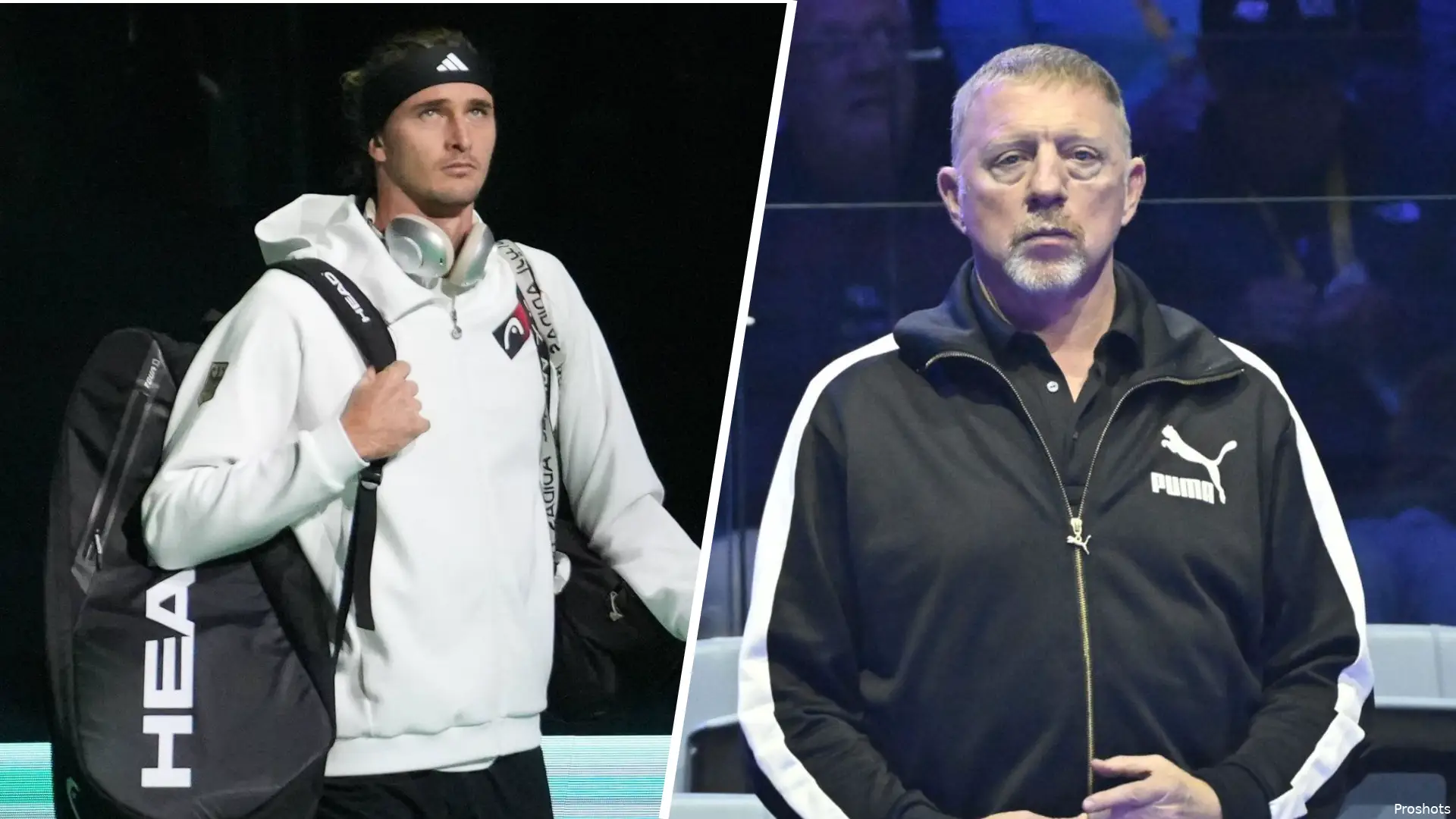
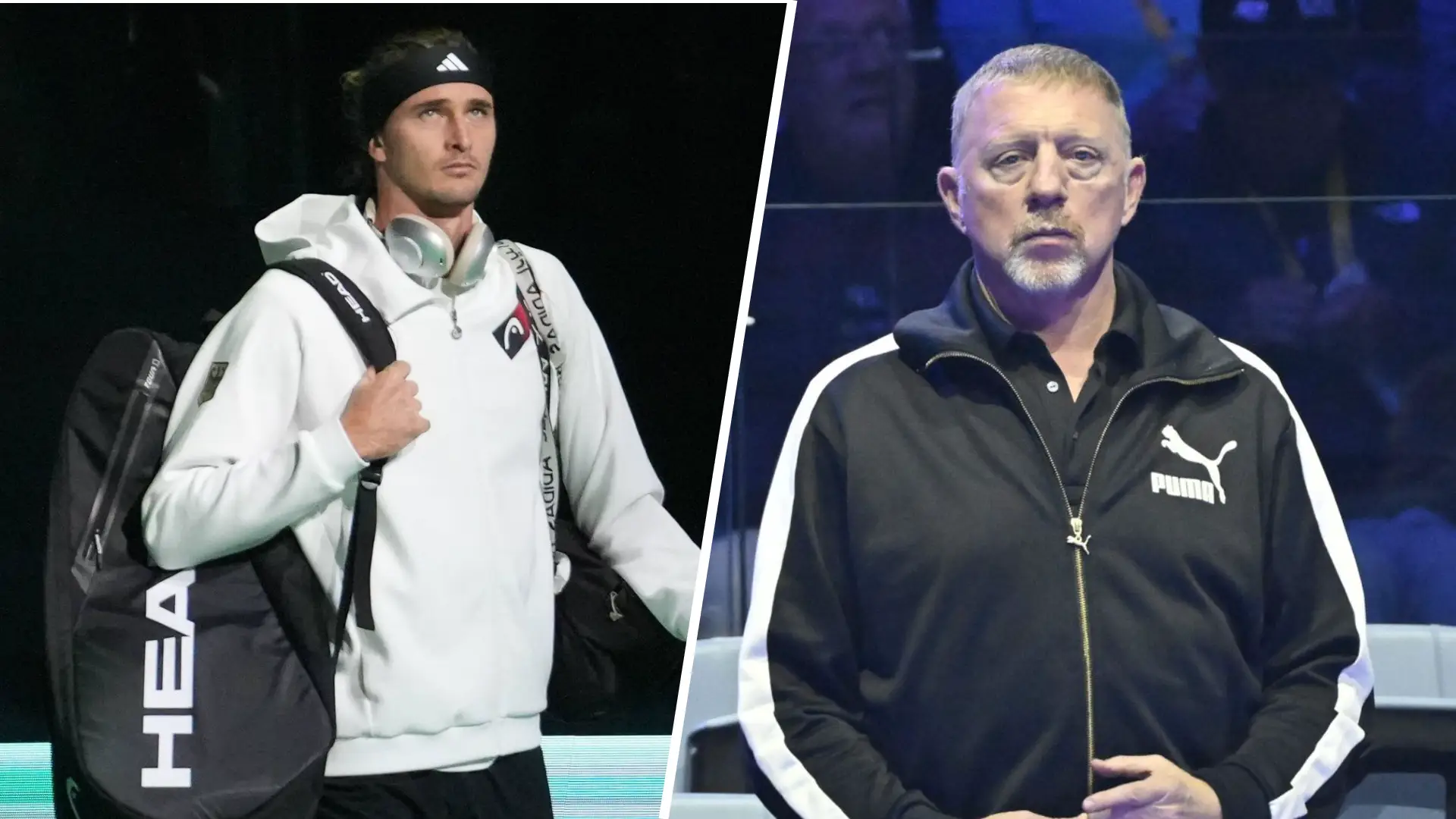
Boris Becker has explained why Alexander Zverev struggles to win over the German public despite reaching world No. 1. The former German champion believes his compatriot's Russian family background, silence on the war in Ukraine and relationship with journalists all contribute to his lack of popularity at home.
In an interview with Der Spiegel, Becker discussed the gap between Zverev's achievements on court and his relationship with German tennis fans. He believes the 29-year-old has struggled to build the same connection with supporters as other major German sporting figures.
The former Wimbledon champion also identified a contrast between Zverev's public image and his personality away from the tennis circuit. Having known him privately, Becker believes the German has a more charming and humorous side that does not always come across in his interviews.
Their own relationship has also experienced several disagreements over the years. Becker has repeatedly assessed Zverev's performances and decisions publicly, while the world No. 1 has pushed back against some of his compatriot's criticism. Their latest exchange has brought those differences back into focus.
“I can personally understand”: Becker addresses Zverev's silence on Ukraine war
One of Becker's most striking observations concerns Zverev's decision not to speak publicly about Russia's invasion of Ukraine. The player has Russian parents and regularly communicates in Russian with his team during matches, details that Becker believes can influence how sections of the German public perceive him.
“His parents are Russian and he speaks Russian with his team during matches. On top of that, he doesn't speak publicly about the war in Ukraine," the former world No. 1 said. "That's something I can personally understand, but it obviously doesn't help him win the affection of the German public.”

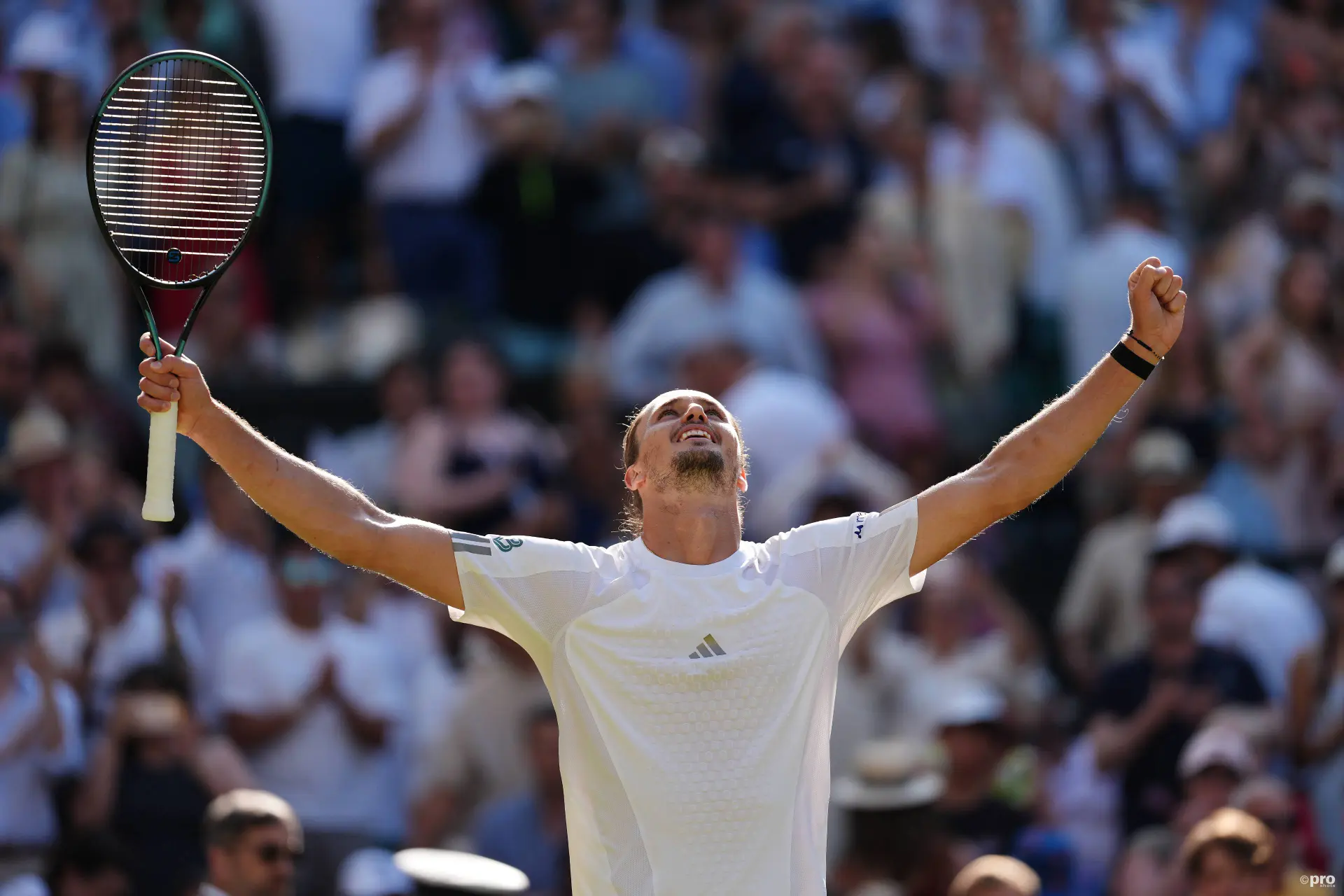
Alexander Zverev GER with US Open Trophy after beating Ben Shelton
Becker acknowledged that he could understand Zverev's reluctance to comment on the conflict, but believes it has consequences for his popularity in Germany. He also identified the player's relationship with the media as another possible explanation, particularly the difference between his interviews in German and English.
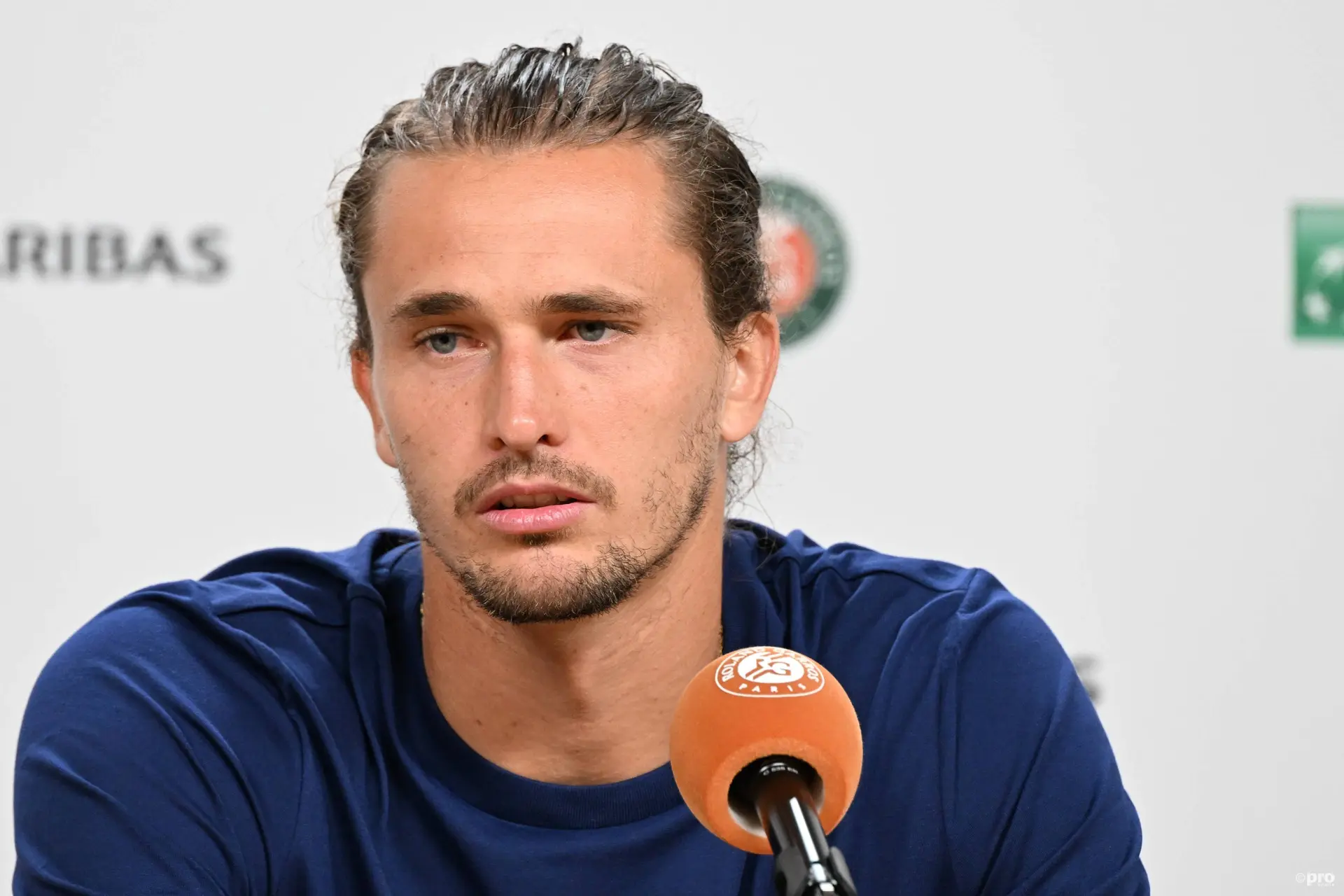
“In German interviews, he usually comes across as rather cold and curt, and he isn't particularly friendly with journalists. When he speaks English, on the other hand, he is much more likable. He has charm, humor, and knows how to laugh at himself.”
However, Becker insisted that the impression created by Zverev in public does not necessarily reflect the person he has encountered away from the tennis court.
“In private, I found Sascha charming and funny. I think he should open up more and let people get to know him. If he wants to be more respected and even appreciated, especially in his own country, he has to make an effort on his side as well.”
Becker and Zverev have had their own disagreements
Becker's assessment carries additional weight because he has been involved in German tennis beyond his work as a television analyst. He served as Head of Men's Tennis at the German Tennis Federation between 2017 and 2021, during a period when Zverev was establishing himself among the world's leading players.
Their relationship, however, has not always been straightforward. Becker has regularly offered opinions on Zverev's performances, mentality and development, sometimes questioning decisions made by the player and his team. Although the former champion has supported his compatriot's achievements, he has also been willing to criticise him publicly.
Zverev, meanwhile, has not always welcomed those interventions. Their disagreements have become increasingly visible through public comments, with the younger German questioning Becker's reasons for repeatedly discussing his career.
Read also
The contrast between their careers is also difficult to ignore. Becker became a national sporting icon after winning Wimbledon as a teenager in 1985, while Zverev has reached the top of the ATP rankings and collected major titles without enjoying the same level of affection from the German public.
Despite their differences, Becker's latest comments were not entirely negative. He made clear that he has seen a more approachable side of Zverev in private and believes the player has the personality to connect with supporters. His criticism, however, is that the German needs to make that side more visible if he wants to change the way he is perceived at home.

Cristhián AvilaTennis Journalist
Cristhián Ávila is a tennis journalist based in Santiago, Chile, and has been part of the TennisUpToDate team since early 2023. He covers the ATP and WTA Tours as well as all four Grand Slams, producing breaking news, match reports, analysis, and regular liveblogs from major tournaments.
His reporting combines statistical analysis with clear explanation, helping readers understand tactical developments, player form, and broader storylines across the tour. Working fluently in both Spanish and English, Cristhián collaborates with an international editorial team and contributes to comprehensive global coverage. As part of his work, he has conducted interviews and media interactions with leading figures in the sport, including Caroline Wozniacki and John McEnroe.
In his journalism, Cristhián places strong emphasis on careful sourcing, editorial accuracy, and updating articles promptly when new, verified information becomes available. His coverage is grounded in research, context, and direct engagement with professional tennis.
claps 0visitors 0
Just In

Popular News
Latest Comments
- Don't you just love this young lady!? We fans often expect athletes to be supermen and superwomen, often forgetting that they WILL GET TIRED! I love Alex's perspective. Tiredness for an athlete should never be viewed as a negative, especially if you are healthy, taking care of your body and mental health and putting in the work. What a mature perspective. Good for you, Alex!Rapunzel05-11-2026
- Jess is absolutely correct! But the disrespect is a trait I have noticed in most of the Russian players. Mirra is good but very immature and lacks humility. Conceivable needs to get a handle on that!Rapunzel05-11-2026
- Having spent weeks and weeks through the years on tour, I can say with confidence that Conchita was (is) one of the very few who realize the surprising level of maturity (and sometimes lack of) which Mirra seems to have developed in such a demanding adult world of Pro-Tennis. While at the same time reminding herself (Conchita, that is) that Mirra is still young and developing mentally and physically. The general public may forget at times, or not at all realize, these modern era young athletes do not have a 'normal' Youth. It's a major sacrifice, among countless sacrifices, these athletes must make. People who blow-off that fact are ignorant and unfair when they blurt out, "They choose fame so they have to put up with the intrusions on their lives". No, they do not.
 mandoist05-11-2026
- Okay... someone with a camera was EAVESDROPPING on a private conversation. Shouldn't that be the point of discussion here? Regardless of the sensationalist crap by media, Pegula (and anyone) has a right to an opinion. There used to be an expectation that private conversations were respected, regardless of 'stardom' and whatever other defensive excuses media tries to shove in our faces. Boo-hoo if feelings are hurt. BTW: Having been employed at various tourney venues, etc., I can't tell you how nasty and offensive players can be when discussing their opponents and colleagues... in "private". Well, I could, but won't. I also challenge anyone to deny what Jessica said is false.mandoist05-11-2026
- Vacherot is Mongasque, rather than Swiss. The tournament was Swiss :DTrwd7702-11-2026
- After a couple decades traveling to IIHF tourneys overseas... our family is done with it... and I will not be the only one!! Bad enough the NHL allows Ovachenko (a Putin Supporter and Campaigner) to live and play in the USA. Let's not forget the STATE SPONSORED RUSSIAN DOPING PROGRAMS still in effect today.mandoist31-10-2026
- Osaka's mental state apparently does not allow her to reach any more Quarter Finals? I mean, she doesn't really have the time for tennis with all the pre-planning that must go into her 12 year-old "fashion" goals.mandoist29-10-2026
- With her money one would think she could afford a better team of Psychiatrists?mandoist29-10-2026
- Boss move, Sinner !Rapunzel27-10-2026
- Apparently still refusing to seek 'help' ...and still playing Dress-Up like a 10 year-old.mandoist27-10-2026
