Coco Gauff, Taylor Fritz and Victoria Mboko join the World Team Tennis relaunch: what the league is trying to do
ATP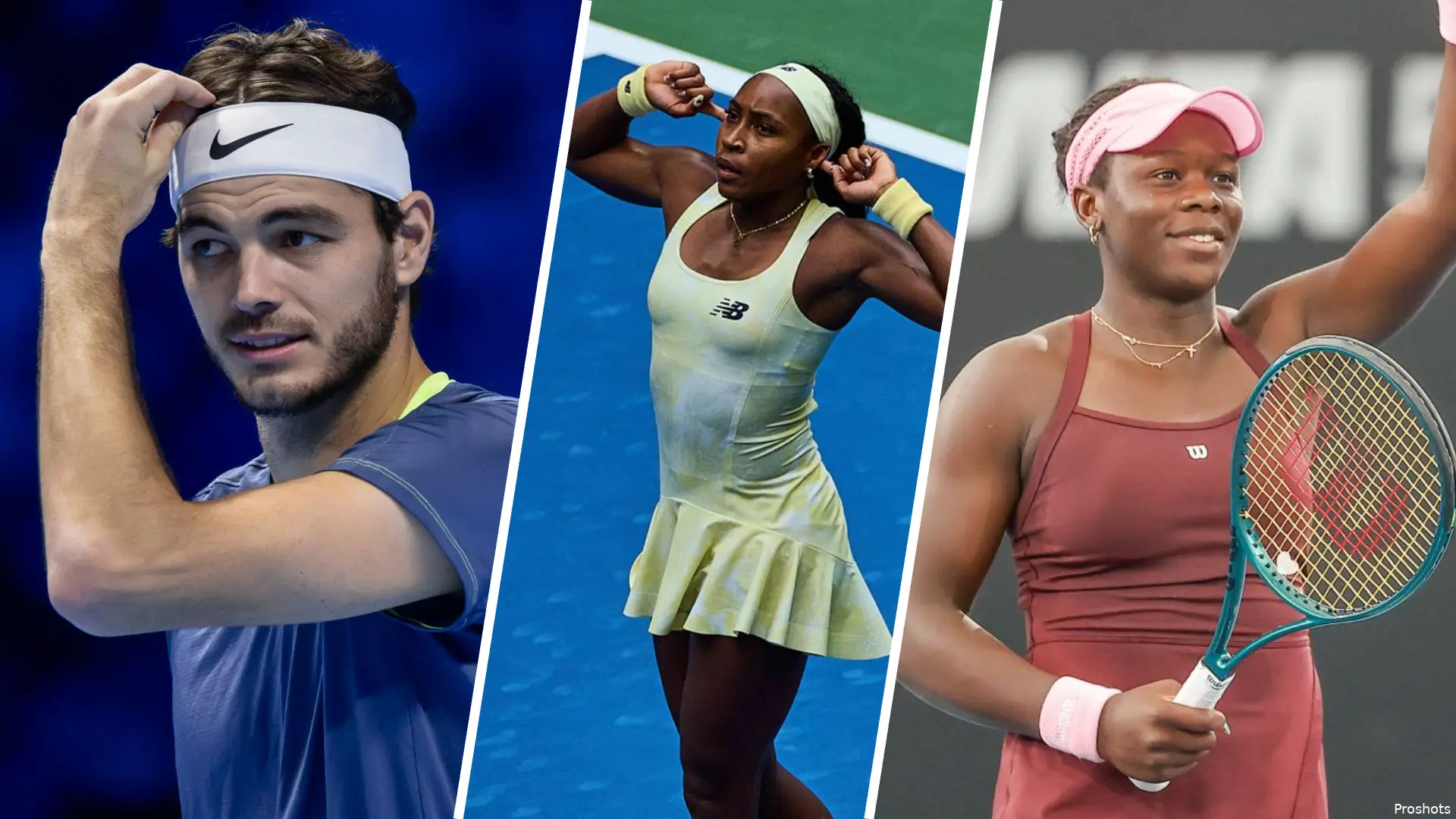
World Team Tennis is coming back, and the version that will be played in December is a different league from the one that stopped in 2021. The league has three new city teams, a calendar slot that does not collide with the ATP and WTA seasons, a one-set format and a roster of about 15 players that includes Coco Gauff, Jessica Pegula, Taylor Fritz, Frances Tiafoe, Victoria Mboko and Tommy Paul.
The plan is short on purpose: six matches in three arenas between December 1 and 15, with the six nights shown on CNBC and streamed on Fandango. It is a 15-day window, set after the tour's regular season, where the biggest names can play while they prepare for the Australian Open.
The league has changed in a more important way too: the players are part of the business. WTT says it is the first tennis event to offer players equity, with vesting terms, and Gauff is the only player-owner of the 2026 lineup, with a stake in the Florida Flamingos. The main question is whether this is a concept that can stay beyond one December, or a showcase that works once.
What has changed since 2021
The league was founded in 1974 by Billie Jean King and others and was played for nearly 50 years, in the summer, with teams spread across the United States. In 2021 it suspended operations because of pandemic-related financial problems, according to Sports Business Journal.
Stephen Amritraj, now the CEO, acquired the intellectual property in 2024. He says his father and uncle played in the original league and that he always liked the idea of a mixed-gender team competition.
| The league before 2021 | The December 2026 relaunch | |
| Calendar | Early summer | December 1-15, after the regular season |
| Teams | Franchises across the U.S. | Three: New York, Florida, Toronto |
| Ownership | Franchises | New ownership; players receive equity |
The calendar is the clearest sign of the strategy. The league was previously played in the heat of the summer, and now it sits between seasons after player feedback, according to Amritraj, who says the schedule leaves time for players to prepare for 2027 and lets them opt out if they choose.
“We’re changing the format to be very similar to college tennis,” Amritraj said to Long Island Tennis Magazine. “This allows us to bring great players onto the court at the same time. And another way we knew would attract the top players would be to target dates in December. After we developed the basic structure, we went to market with those changes and began recruiting players. We got great feedback.”
“I think that the former owners knew there needed to be new blood and a new vision for what the future of what the league should be; it’s an incredibly special property and part of the fabric of American tennis, so we could not be more excited to bring it back in this new fashion.”
How a match works
Each team starts four players, two men and two women. The match has four singles sets, men's No. 1, women's No. 1, men's No. 2 and women's No. 2, followed by a mixed doubles super tiebreaker. Each set is a single set with no-ad scoring, and the scoring is cumulative: every game adds to the team's total, and men and women count equally.
The structure has three consequences. The first is speed: a team fixture is a night of eight players in one window, not a day of long matches. The second is that every game matters, because the total is the result, so a 6-0 set is worth as much as a close one. The third is that the mixed doubles super tiebreaker works as the closing act, which suits a television slot starting at 7 p.m. ET.
The WTT is also open about the tone. It is moving away from the quiet-please tradition, with a live DJ, large video boards and a stadium production built around the fans. What the sources do not explain is how the league winner is decided after six matches: the schedule and the scoring are public, but the standings and any championship rules are not.
Who plays where
Rosters were announced in August and September, and the team lists show a deliberate split of the American and Canadian stars.
| Team | Men | Women |
| New York Empire | Frances Tiafoe, Taylor Fritz, Michael Zheng | Jessica Pegula, Camila Osorio |
| Florida Flamingos | Tommy Paul, Brandon Nakashima, Learner Tien | Coco Gauff, Eva Lys, Iva Jovic |
| Toronto North | Denis Shapovalov, Gabriel Diallo | Leylah Fernandez, Victoria Mboko |
The rosters are different in size, and that is the first thing to watch. Toronto has exactly two men and two women, and all four are Canadian, so any absence would leave the team without a replacement. New York has only two women, Pegula and Osorio. Florida has the deepest group, with three men and three women.
The three head coaches announced in October are Kim Clijsters (New York Empire), Daniel Nestor (Toronto North) and Jesse Levine (Florida Flamingos).
NEWS: World Team Tennis announces Team Head Coaches! ⬇️⬇️⬇️ 🗽 Kim Clijsters — New York Empire 🫎 Daniel Nestor — Toronto North 🦩 Jesse Levine — Florida Flamingo Head over to https://t.co/VuqeMEp80e for more. #WorldTeamTennis https://t.co/sNc3ouF0fi
— World Team Tennis (@WorldTeamTennis) October 16, 2026
The schedule: six nights, two meetings per rival
| Date | Match | Venue |
| Tuesday, December 1 | Florida Flamingos at New York Empire | Barclays Center, Brooklyn |
| Wednesday, December 2 | Toronto North at New York Empire | Barclays Center, Brooklyn |
| Saturday, December 5 | New York Empire at Toronto North | Coca-Cola Coliseum, Toronto |
| Sunday, December 6 | Florida Flamingos at Toronto North | Coca-Cola Coliseum, Toronto |
| Monday, December 14 | Toronto North at Florida Flamingos | Amerant Bank Arena, Sunrise |
| Tuesday, December 15 | New York Empire at Florida Flamingos | Amerant Bank Arena, Sunrise |
Every team plays two home matches and two away matches, and every pair meets twice, once in each city. Gauff is scheduled to play the Flamingos' home matches on December 14 and 15, in front of what she called her family and friends in South Florida. The schedule also has a gap of about a week between the Toronto weekend and the Florida finale, a long pause for a six-match season.
Read also

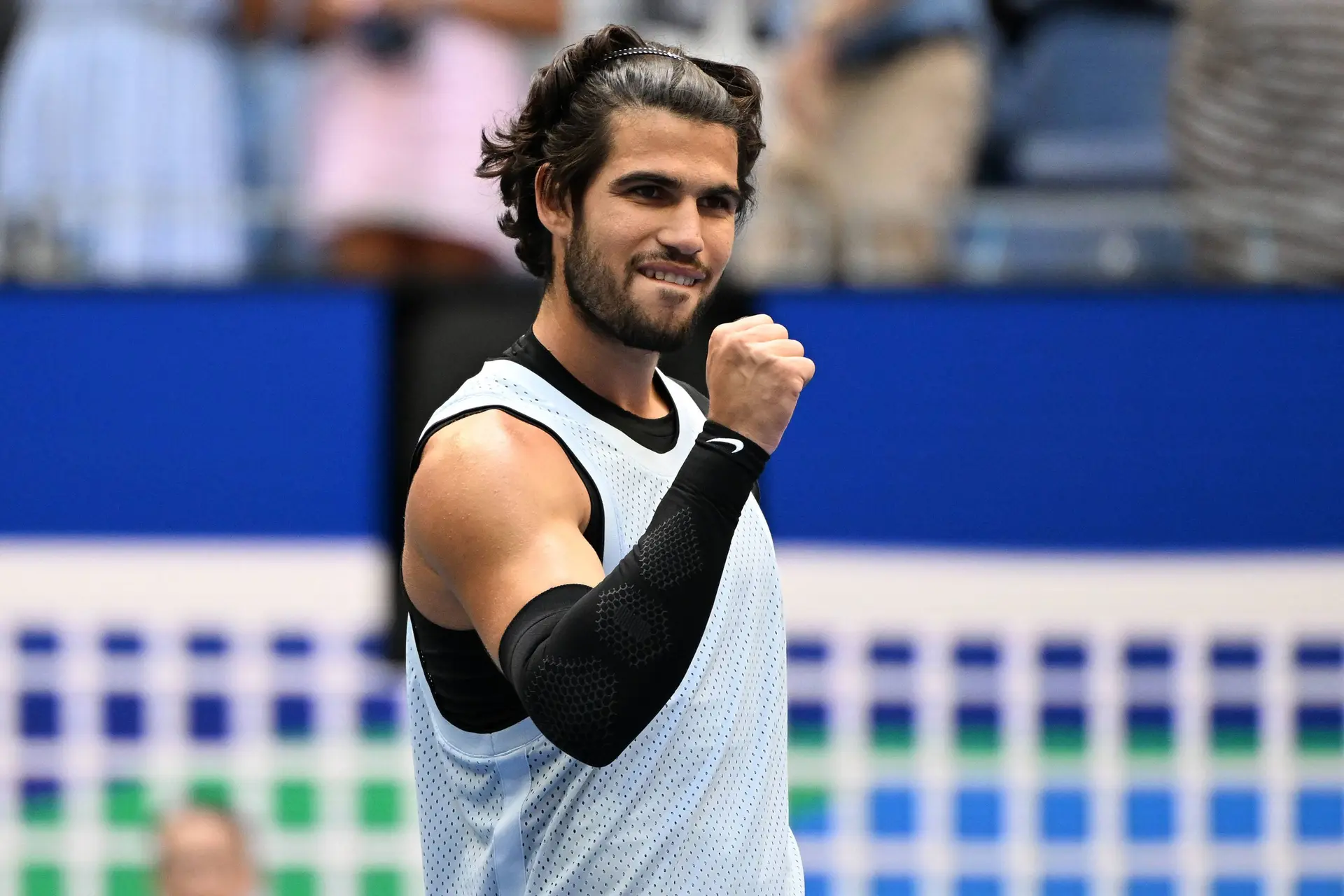
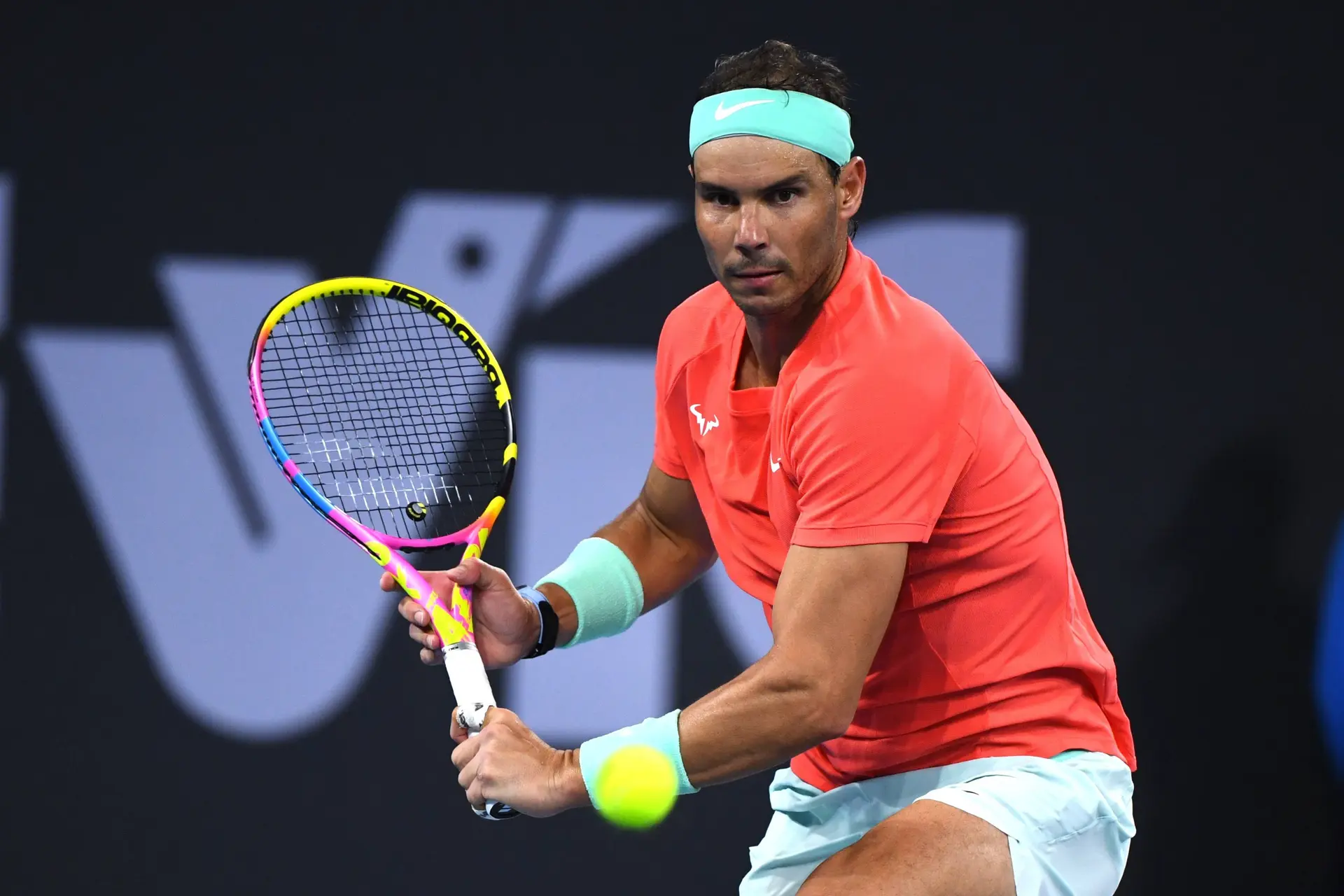
The Canadian team is the most limited in terms of squad depth, with only four representatives, meaning they will not be able to rotate their players as freely as their rivals, the New York Empire, who have five players, and the Flamingos, who have six.
Nevertheless, the rest days between matches and a format that requires each player to compete in just one singles match — and potentially one mixed doubles match — should not be particularly physically demanding.

Cristhián AvilaTennis Journalist
Cristhián Ávila is a tennis journalist based in Santiago, Chile, and has been part of the TennisUpToDate team since early 2023. He covers the ATP and WTA Tours as well as all four Grand Slams, producing breaking news, match reports, analysis, and regular liveblogs from major tournaments.
His reporting combines statistical analysis with clear explanation, helping readers understand tactical developments, player form, and broader storylines across the tour. Working fluently in both Spanish and English, Cristhián collaborates with an international editorial team and contributes to comprehensive global coverage. As part of his work, he has conducted interviews and media interactions with leading figures in the sport, including Caroline Wozniacki and John McEnroe.
In his journalism, Cristhián places strong emphasis on careful sourcing, editorial accuracy, and updating articles promptly when new, verified information becomes available. His coverage is grounded in research, context, and direct engagement with professional tennis.
claps 0visitors 0
Just In




Popular News
Latest Comments
- Either Lena has a chronic internal ailment (i.e., colitis, enteritis, Crohn's, or some type of lower abdomen issue) -- or she is once again dealing with 'Vukovitis'. Mental stress can indeed cause lower body pains. No matter... whatever is truly going on sucks. "Virus" excuse is getting a bit old -- and often -- at this point.
 mandoist09-11-2026
- Ironically, Martina became a U.S. Citizen about the same time as the Orange Convicted Felon & Abuser was just beginning on his road to losing all Daddy's Millions!!mandoist09-11-2026
- "Another fresh start is in the cards." Thanks for the Humor!! I'm guessing this is the minimum one can do to keep all your sponsors hanging-on in perpetuity?mandoist09-11-2026
- Vukov is doing this to Lena... AGAIN!!!!! WTA's autonomous collective should be dismantled for allowing Vukov to re-emerge from his hand-slapping suspension. Just ask WTA employees how that's been going lately as they witness his continued verbal abuses. Women's Pro Tennis should start over.mandoist08-11-2026
- Can't help but suspect Vukov is back to his old self again. Thank you, WTA. Perhaps you can give them a "Battling Couple of the Year Award 2026" ??mandoist08-11-2026
- Wtf? Why is there no reason? And what about the men's?Bel08-11-2026
- One step by another step -- WTA continues to 'lose the plot'. Too many hi-tech microphones being installed at most venues!!! Remove them (especially those along the hallways, sidewalks, and pathways throughout the venues. Not to mention (most of all) remove the mic's from the Players/Coaches Box.mandoist06-11-2026
- Enough of her bullshit. Go marry someone.mandoist06-11-2026
- Don't you just love this young lady!? We fans often expect athletes to be supermen and superwomen, often forgetting that they WILL GET TIRED! I love Alex's perspective. Tiredness for an athlete should never be viewed as a negative, especially if you are healthy, taking care of your body and mental health and putting in the work. What a mature perspective. Good for you, Alex!Rapunzel05-11-2026
- Jess is absolutely correct! But the disrespect is a trait I have noticed in most of the Russian players. Mirra is good but very immature and lacks humility. Conceivable needs to get a handle on that!Rapunzel05-11-2026
