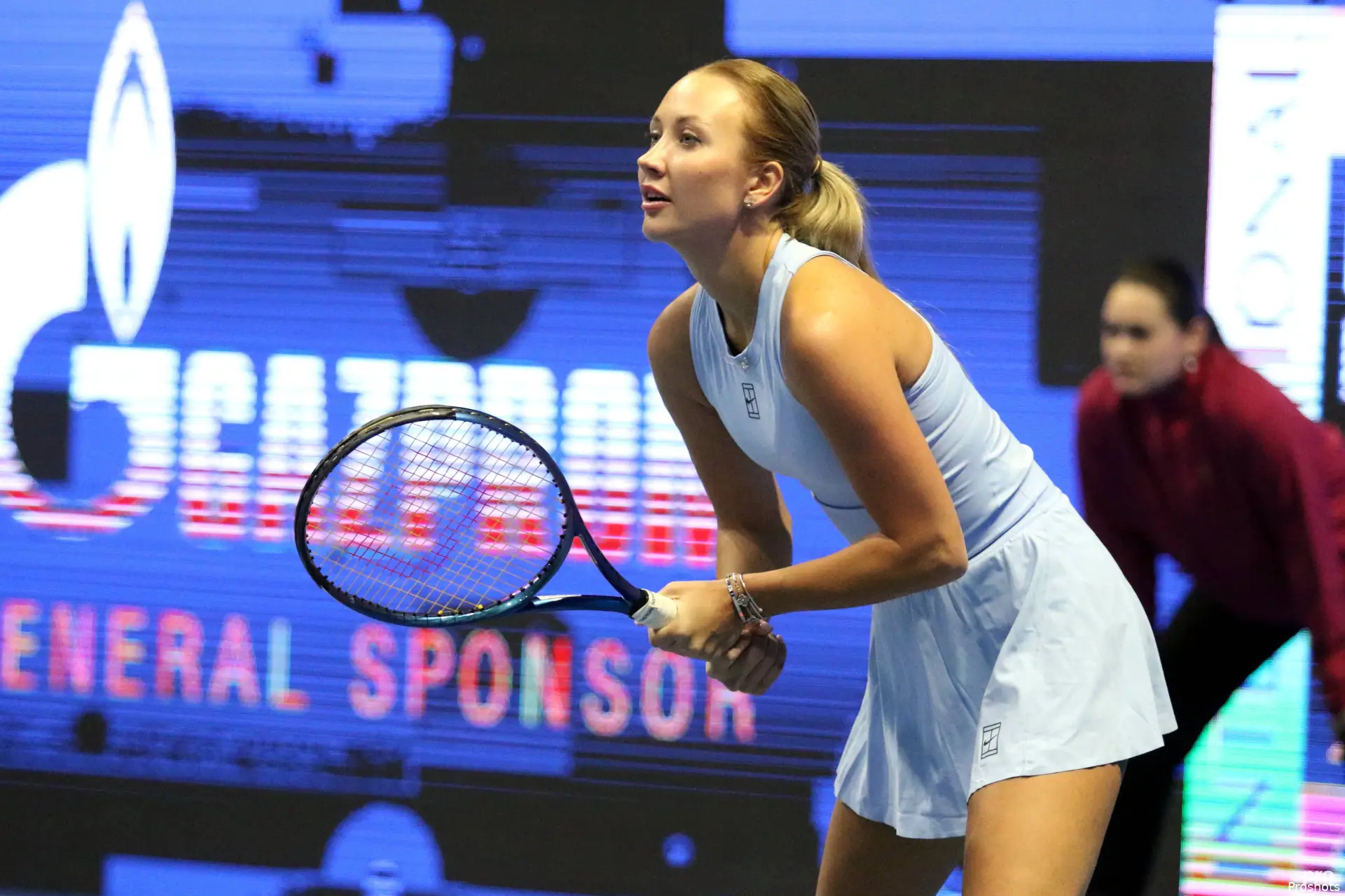
Anastasia Potapova is back in Russia this weekend. The only appreciable difference between her participation in this year’s Northern Palmyra Trophies and her participation last year is that there will be an Austrian flag next to her name.
According to Russian sports publication Sovetsky Sport, Potapova is the only player to have participated in all five editions of the Gazprom-backed tennis exhibition in St. Petersburg. Apparently, her change of sporting nationality hasn’t necessitated much of a change in her November travel plans.
Joining Potapova this weekend are Diana Shnaider, Kamilla Rakhimova, and Yulia Putintseva, as well as reigning Wimbledon junior champion Anna Pushkareva. It’s a reasonably impressive collection of women’s tennis talent for an event that none of them should be attending.
I’d suspend every active WTA player who participates in this exhibition for twelve months. I’d also establish a rule that makes the consequences of participating in comparable events in the future abundantly clear.
Will the WTA do anything of the sort? Of course not. That would require precisely the kind of courage and leadership that have been so desperately absent from the organization for years.
Austria should have some questions for Potapova
I’ve been particularly interested in Potapova’s decision to represent Austria since she announced the change last December. There’s absolutely nothing inherently wrong with a tennis player changing the country she represents. But I do think it’s reasonable to examine what such a decision actually means in practice.
Less than a year after announcing her switch to Austria, Potapova is back playing in an exhibition sponsored by a Russian state-controlled energy company. I’d be interested in hearing what the Austrian Tennis Federation thinks about her participation this weekend, particularly given the frequency with which she’s now identified internationally as an Austrian athlete.
This was always going to be one of the more interesting aspects of the recent changes in nationality among Russian-born tennis players. Rakhimova now represents Uzbekistan, while Putintseva has represented Kazakhstan since 2012. Both are in St. Petersburg this weekend.
I’m not suggesting that Potapova should somehow abandon her Russian heritage. But I certainly wasn’t expecting her decision to represent Austria to change much about her professional relationship with Russia, and this weekend hasn’t given me any reason to reconsider that assessment.

Anastasia Potapova has travelled back to Russia in her off-season
Mirra Andreeva found something else to do
One particularly interesting name missing from this year’s exhibition is Mirra Andreeva. The world No. 2 has participated previously, but she isn’t there this weekend. I have no idea why she isn’t playing, and I’m not going to attribute some newfound political conviction to her in the absence of anything she’s said publicly.
What her absence does establish, however, is that even one of the most commercially valuable Russian women in professional tennis can get through the last weekend of November without playing tennis for Gazprom.
I’ve spent much of the past two weeks complaining about how little time we give professional tennis players to recover from an increasingly ridiculous competitive schedule. The WTA Finals ended less than two weeks ago. In a little over a month, the women will be back playing competitive tennis in Australia. In between, presumably, they have families they’d like to see, injuries that need attention, and some semblance of a life outside professional tennis.
Absolutely NOBODY needed to play tennis in St. Petersburg this weekend. Nobody was defending ranking points or fulfilling a mandatory tournament commitment. I’d be fascinated to know what the appearance fees are, particularly for Shnaider and Potapova, although I suspect that information won’t be forthcoming.
It’s difficult to imagine a more commercially discretionary decision in the life of a professional tennis player than which exhibition, if any, she chooses to play in November.
Why Gazprom matters
Had these women gone to Russia to conduct a free tennis clinic at the clubs where they learned to play as children, I wouldn’t be writing this piece. I’d have absolutely no issue with Potapova spending the entirety of her off-season in Russia with her family.
But Gazprom is a very different matter. The majority state-owned company is subject to British sanctions, with the British government explicitly linking its revenues to the financing of Russia’s war in Ukraine.
Professional tennis recognized that there was a problem with conducting business in Russia when it suspended its official tournaments there in 2022. Yet it has left an enormous loophole through which some of its most recognizable players can effectively recreate the commercial spectacle of professional tennis in Russia without the inconvenience of having it classified as a professional tennis tournament.
Surely the executives at the WTA understand that the commercial value of having Diana Shnaider play tennis in St. Petersburg exists irrespective of whether she earns ranking points for doing so. She’s the eleventh-best female tennis player in the world. The WTA’s absence from the organizational structure of the exhibition does very little to diminish the value of her presence.
What exactly are we asking of the Ukrainian women?
I wish the WTA would spend a little more time thinking about the working lives of Elina Svitolina, Marta Kostyuk, Oleksandra Oliynykova, and the other Ukrainian women who play professional tennis.
These women have been competing internationally for nearly five years while their country has been at war. They have had to answer an interminable number of questions about handshakes, their relationships with other players, and how they manage to concentrate on a tennis court while worrying about what’s happening at home.
Come January, they’ll once again be expected to share locker rooms, practice facilities, and player lounges with colleagues who have voluntarily spent part of their off-season participating in a Gazprom-sponsored sporting event.
I wonder how much thought the WTA has given to the cumulative psychological burden of all of this. We seem to devote an extraordinary amount of attention to whether a Ukrainian player adequately acknowledges her opponent at the end of a tennis match, yet remarkably little to the commercial decisions of the woman standing on the other side of the net.

Elina Svitolina, among other Ukrainian tennis players, have been very vocal about this matter
A year is entirely appropriate
The WTA should have established a policy prohibiting participation in exhibitions of this nature years ago. The fact that it hasn’t makes imposing sanctions now considerably more complicated from a legal perspective. Players would quite reasonably argue that they cannot be punished retroactively for conduct that their governing body has permitted. That’s an indictment of the WTA in itself.
This is the fifth edition of the Northern Palmyra Trophies. There has been no shortage of time for the WTA’s lawyers and executives to develop a policy governing participation in sporting events sponsored by sanctioned entities. There would need to be proper notice, objective criteria, and an appropriate appeals process. None of this is beyond the capabilities of an international sporting organization.
I’d make the penalty twelve months of ineligibility for WTA competition. A fine would accomplish precious little because exhibition organizers could simply incorporate its cost into whatever compensation the players receive. Missing an entire season of professional tennis, on the other hand, would substantially change the economics of accepting an invitation to St. Petersburg.
I’d apply the policy equally to everyone, regardless of nationality, ranking, or commercial importance to the WTA.
Read also
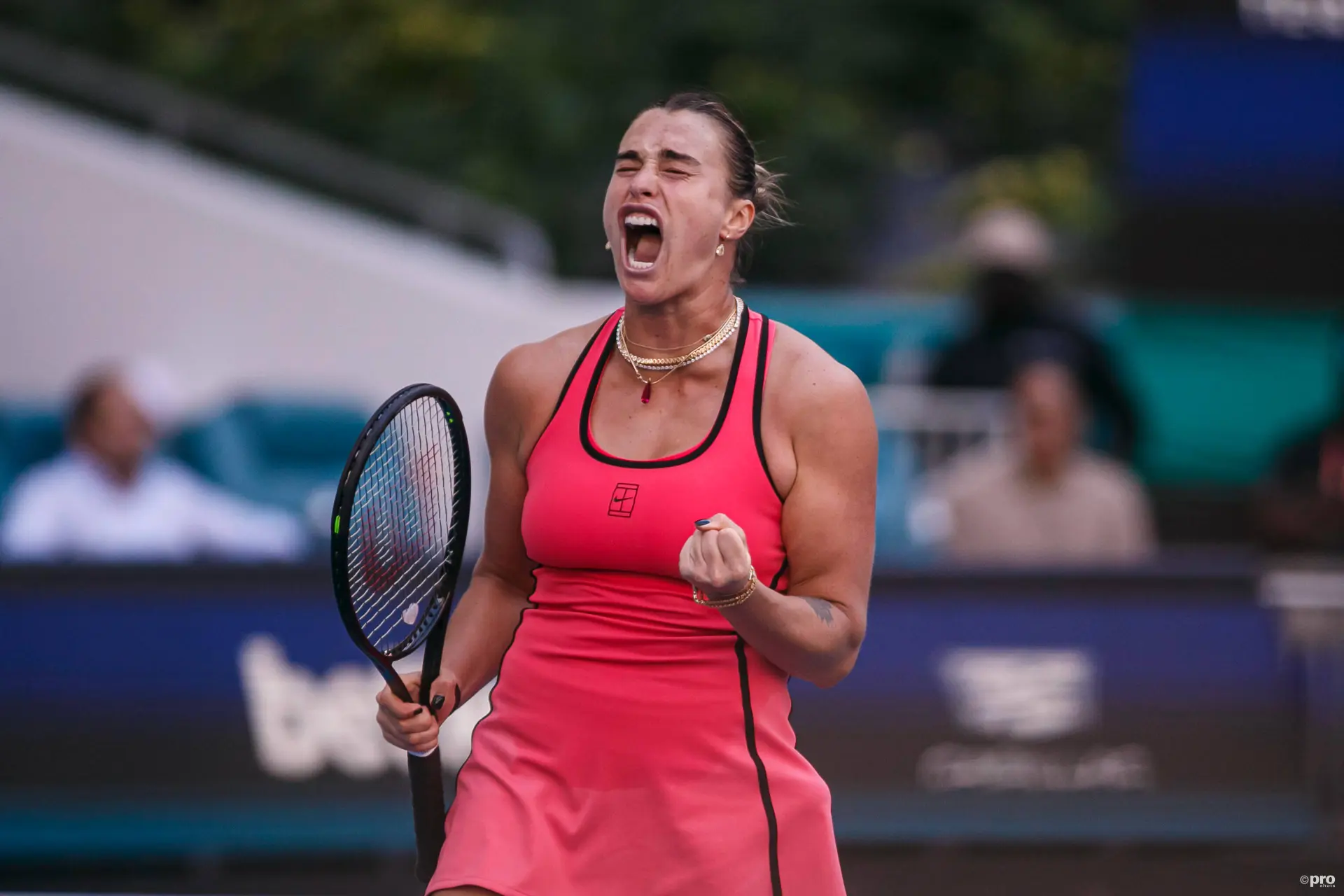
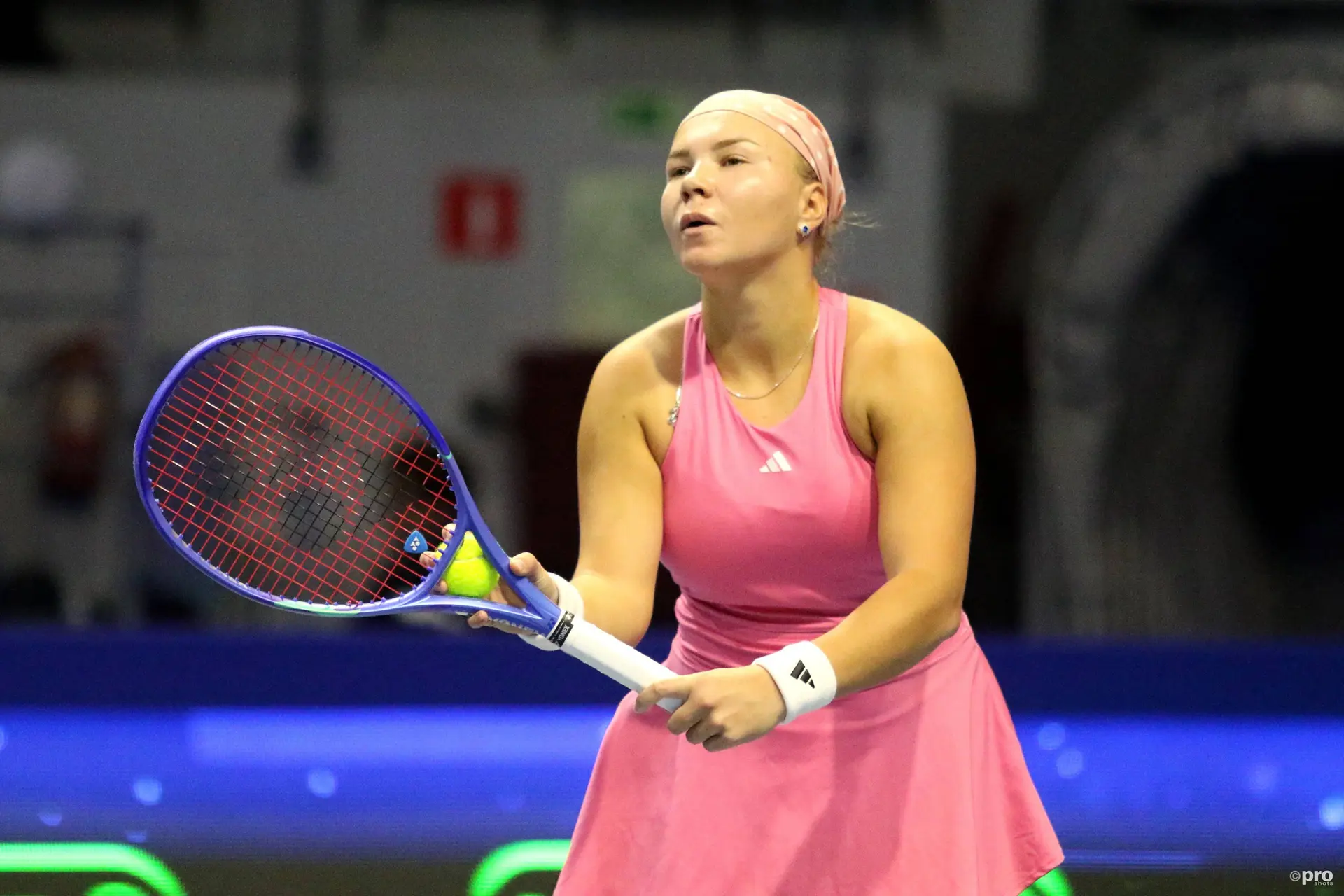
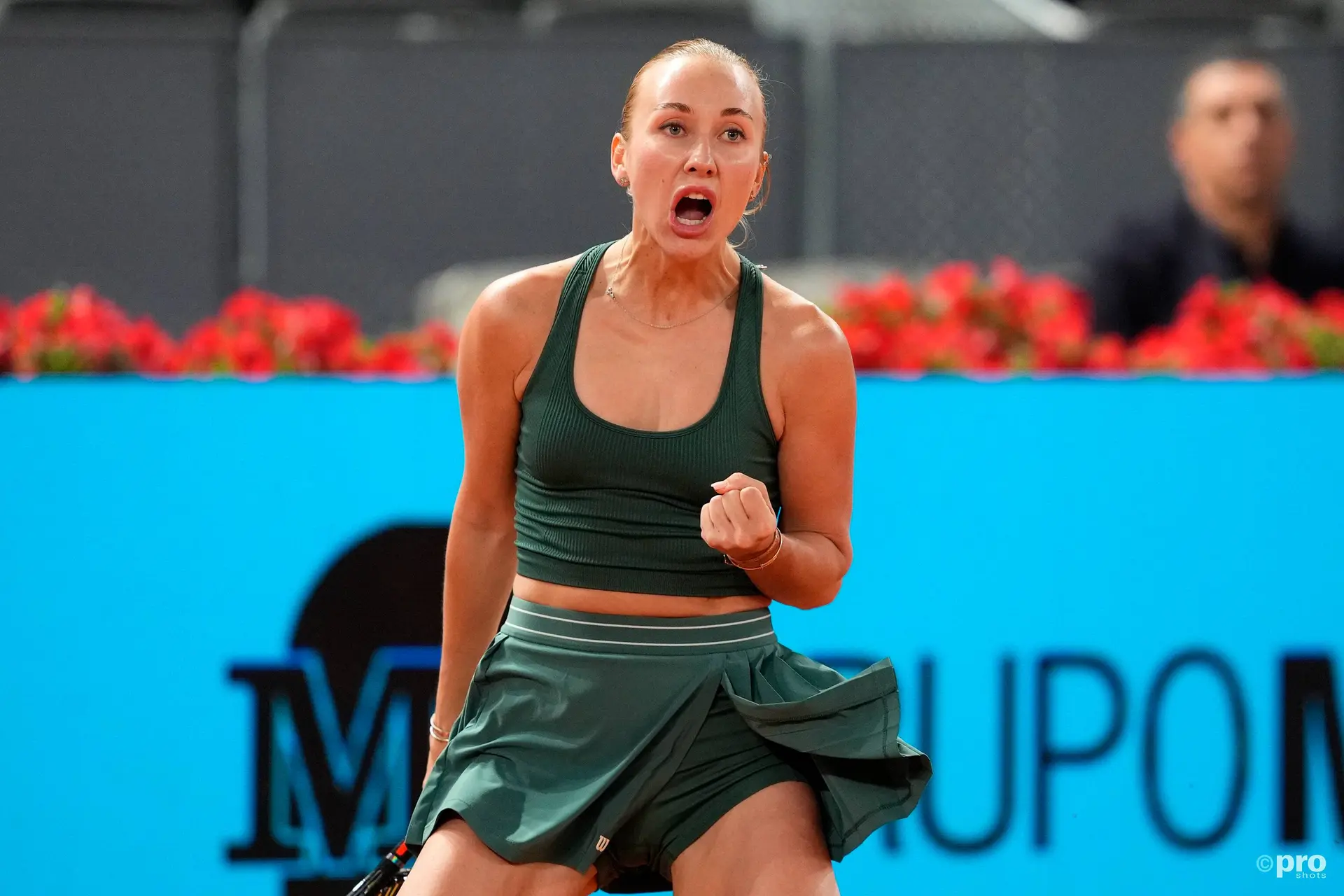
Imagine Potapova having to decide whether playing tennis for three days in St. Petersburg was worth giving up her entire 2027 WTA season. I suspect the organizers might finally have to find someone else to take her place.
Instead, she’ll presumably be back playing professional tennis in January, perhaps even appearing in some WTA promotional content celebrating the international diversity of women’s tennis. And there will be a lovely little Austrian flag next to her name.

Aron SolomonGuest Author
A Pulitzer Prize-nominated journalist for his groundbreaking op-ed in The Independent exposing the NFL’s “race-norming” policies, Aron Solomon, JD, is a globally recognized thought leader in law, media, and strategy.
As Chief Strategy Officer for AMPLIFY, he leverages his deep expertise to shape the future of legal marketing. Aron has taught entrepreneurship at McGill University and the University of Pennsylvania and was honored as a Fastcase 50 recipient, recognizing him among the world’s top legal innovators. A prolific commentator on law, business, and culture, his insights regularly appear in Newsweek, The Hill, Crunchbase News, and Literary Hub.
He has also been featured in The New York Times, Fast Company, Fortune, Forbes, CBS News, CNBC, USA Today, ESPN, TechCrunch, BuzzFeed, Venture Beat and countless other leading global media outlets. We are proud to have Aron on board at TennisUpToDate, where his deep tennis expertise enriches the site with sharp, original columns that connect the sport to wider cultural debates.
claps 0visitors 0
Just In
Popular News
Latest Comments
- I cannot stand Rennae Stubbs. She is so flipping self-righteous! She is extremely judgemental. I really wish she would just shut her trap sometimes!Rapunzel27-11-2026
- But her Belarus President must be very proud of her. Another photo-op with the Dictator?
 mandoist25-11-2026
- WTA and ATP have their own in-house Mafia Agents... all competing to be the next champion of a "gotcha moment". Just like they did to Vondrousova when they attempted an unannounced surprise ambush at her own home!! We are now in the 21st Century. Most people understand organizations which have Total Control of their operations are not trustworthy, rarely willing to cooperate with an outside entity, extremely secretive to a fault, and worse. Even if one sides with the WTA/ATP, one cannot seriously believe they are capable of honest in-house "investigations". Definitely not willing to share results of their so-called "investigations" when that result does not side in their favor!mandoist25-11-2026
- This woman is gradually becoming a problem interjecting her personal problems into the tennis tour. I've been fed-up with her Holier-Than-Thou attitude for quite some time. SVITOLINA IS NOT THE ONLY UKRAINIAN PROFESSIONAL DEALING WITH THE INVASION IN HER COUNTRY. At some point the general public is going to have had enough of the "poor me' performances. My friends and colleagues from, or still living in, Ukraine do not care for her "distant approach" in addressing this sad time in Ukranian history. Perhaps it's best if she take a leave from tennis and go fight for her cause? The constant nonsense dissing her Russian colleagues on the courts (and now in the media) has run its course. As much as she may believe she's 'fighting' for her country -- she is not.mandoist24-11-2026
- Damn! This is not the news we wanted to hear. Hopefully, surgery will help and Sinner will be back to competition soon.Rapunzel23-11-2026
- Well... at least someone in that camp finally 'saw the Light'. No one wants to go down with a sinking ship.mandoist23-11-2026
- At a time when WTA should be reducing the ridiculously unhealthy schedule, their collective greed and ignorance is adding to the risks.mandoist21-11-2026
- It's bullshit to apologize for something most of us already knew/know (and what others are afraid to admit) about her. Time to fine her in a Big, Big way for screaming and cursing DIRECTLY at fans. It's a shame she's not the sharpest pencil in the box -- but that should not excuse her from paying a price when necessary. Time to quiet the Fake Screamer down a few notches.mandoist21-11-2026
- Allow me to summarise this wonderful article. We have been inundated with TOO MUCH tennis! Let the players go home, spend some time with families and loved ones and allow them to breathe and have a merry Christmas.Rapunzel20-11-2026
- It's been apparent to people that remember who Saba acted and spoke (before her win streak) that she's been gradually reverting to her old nasty, argumentative, excuse-making self. Even Championships cannot hide one's personality forever.mandoist18-11-2026
