"Same as playing in Nazi Germany for Gestapo officers in a tournament organized by a company that built Auschwitz": Oliynykova provides 'receipts' amid Shnaider Gazprom links
WTA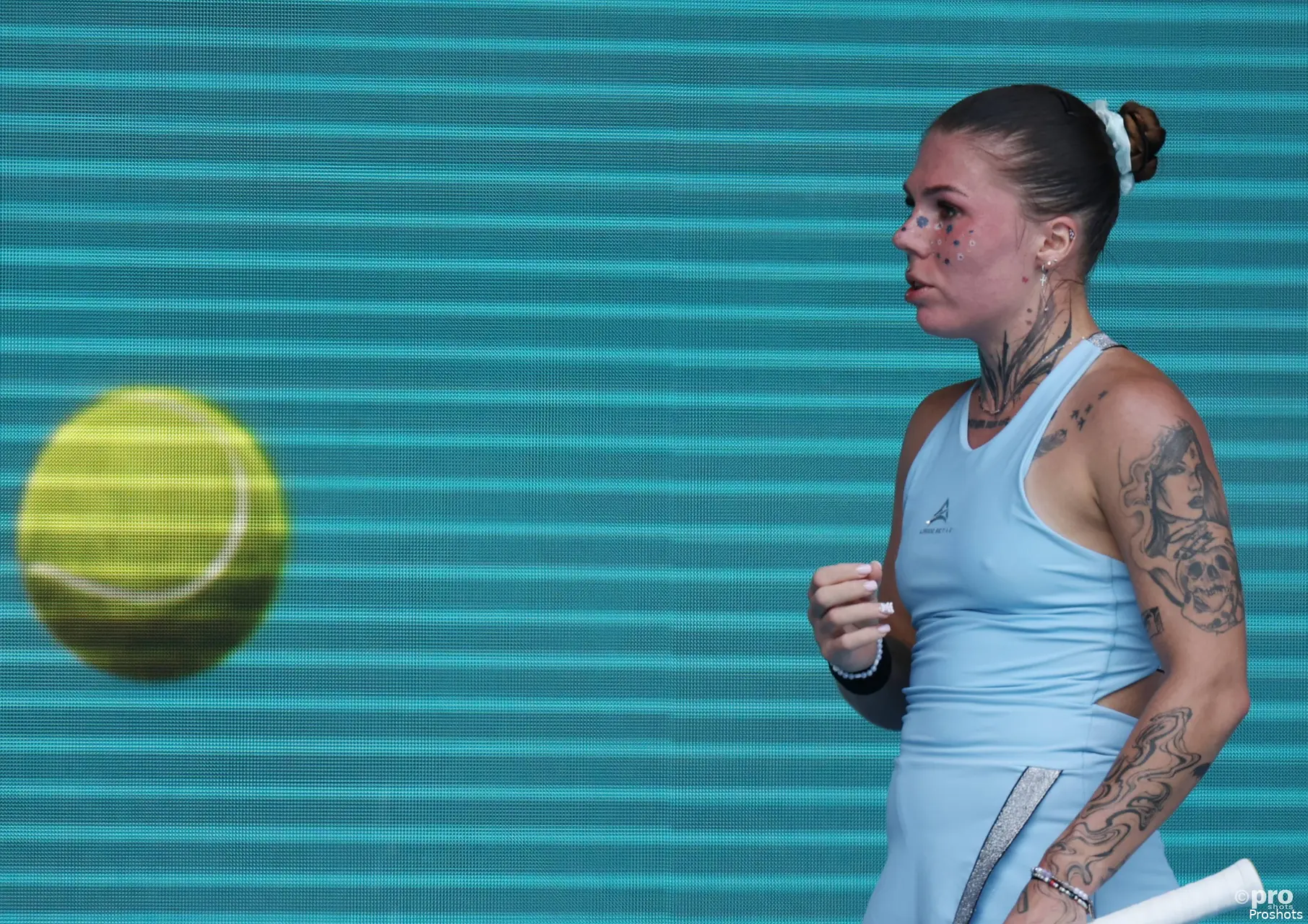
Oleksandra Oliynykova used her Roland Garros press conference to shift attention away from tennis, presenting a series of printed photos and screenshots related to her next opponent, Diana Shnaider. The Ukrainian player framed her remarks around alleged links between Russian sport structures and state-backed entities, as well as social media activity she described as politically significant.
The presentation marked an escalation in rhetoric ahead of their third-round meeting in the French Open, turning what would typically be a sporting preview into a broader political statement. Oliynykova repeatedly referred to what she called “receipts” to support her claims.
The 25-year-old is competing in her first main-draw appearance at the French Open and has reached the third round of a Grand Slam for the first time in her career. Her run has already included a straight-sets win over Elena Pridankina in the first round and a three-set victory over Kimberly Birrell in the second round.
Ranked world No. 50 in the live ranking and trending towards a career-high, Oliynykova has built momentum after transitioning from ITF and WTA 125 events into higher-level WTA competition. Her progress sets the stage for a high-profile clash with Shnaider under increased scrutiny.
“Receipts” and allegations ahead of Shnaider clash
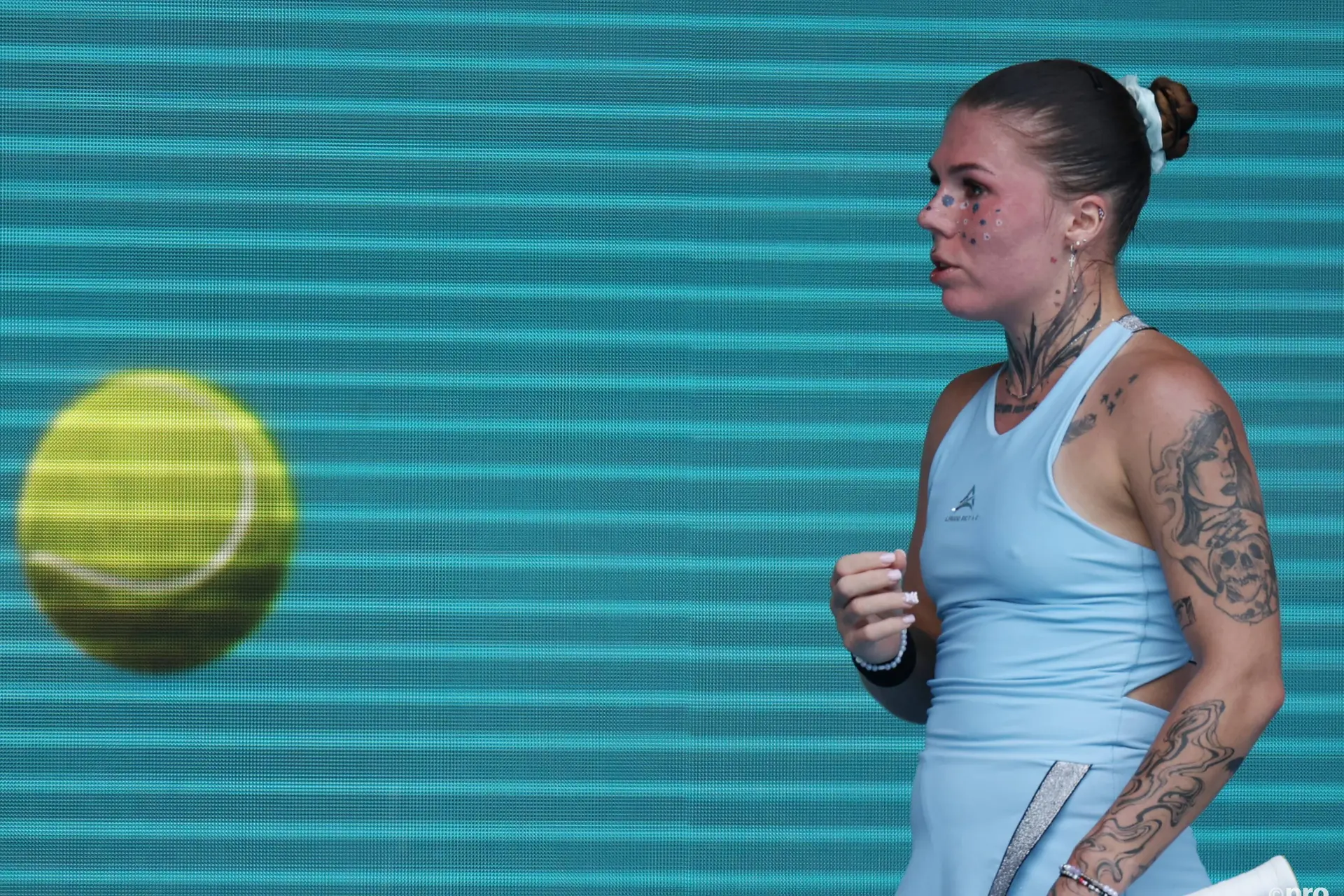
Oliynykova’s central message in the press conference focused on Diana Shnaider’s alleged participation in a Gazprom-sponsored exhibition and interactions on social media. She presented printed materials and screenshots, arguing that these details carried wider implications beyond tennis.
“What is serious here is the fact that this match is going to happen, because Diana Shnaider is a person who participated in a Gazprom tournament. If you want to see, this is a picture,” she said, showing some photos on her phone. “This is her in the Gazprom tournament. Gazprom is a company financing war crimes, and playing in tournaments that finance camps for kids.”

She further alleged that Shnaider had engaged with content linked to Russian “propagandists,” stating she had screenshots she was willing to provide. The tone of her comparison escalated further as she broadened the argument beyond tennis.
“I think it’s the same as playing in Nazi Germany for Gestapo officers in a tournament organized by a company that built Auschwitz. There is no difference for me.”
“And everybody is silent about what this person did. It’s crazy. She also liked publications from Russian propagandists. Here are some screenshots. I can send them later if you want.”
Read also
Pressure, identity and the cost of speaking out
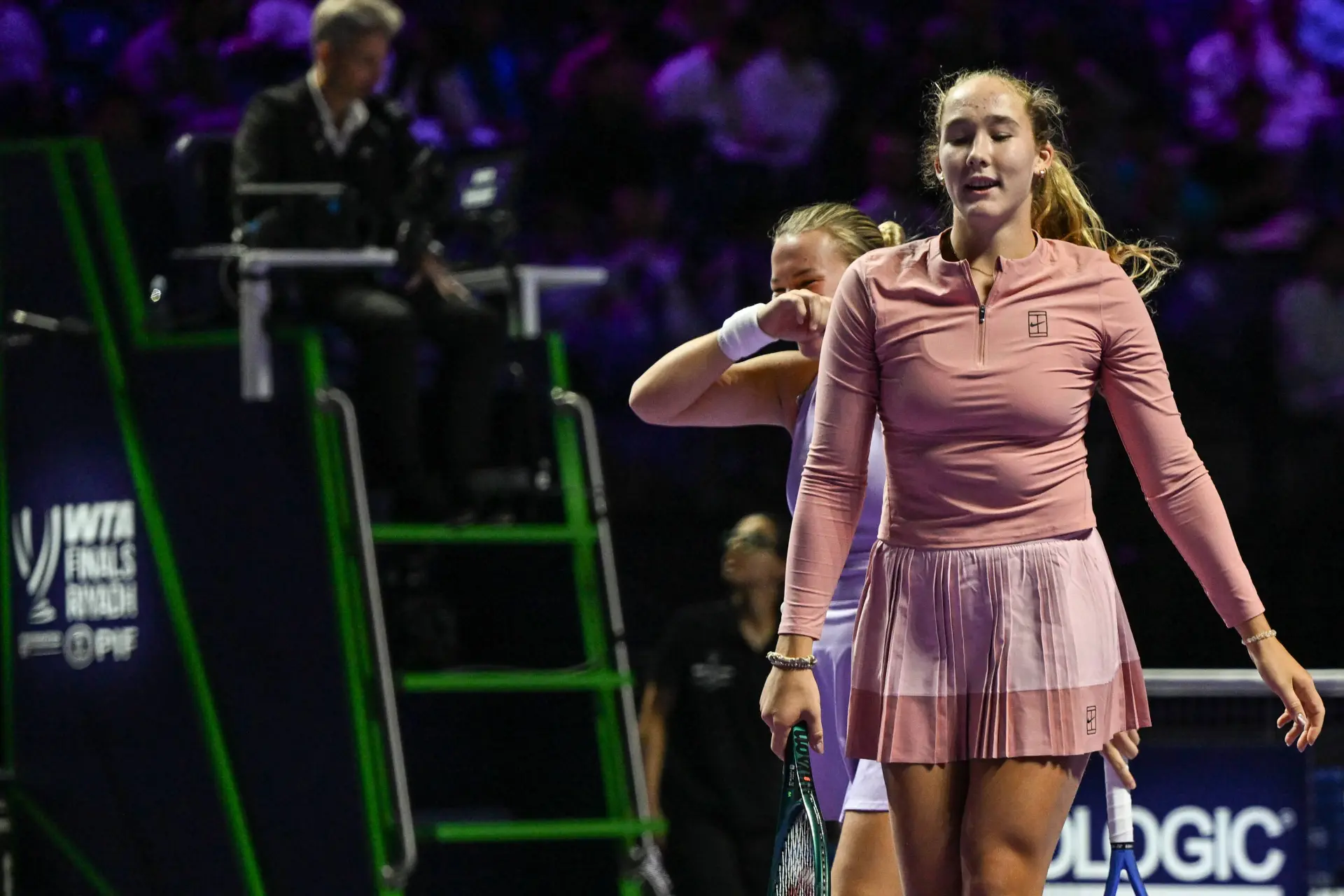
Beyond the allegations, Oliynykova expanded on the personal context behind her statements, linking her perspective directly to the war in Ukraine. She described her situation as one where external pressure extends beyond sport, arguing that the conflict remains present in her daily life even while competing on tour.
“And I’m someone who is suffering just by being at home. My home is being attacked by Gazprom money,” the world No. 65 said. “They are paying for drones attacking my city. Tomorrow people will make a show out of this. So is it really important who hits harder tomorrow, or the fact that we are ignoring things like this?”
Oliynykova also addressed the psychological weight of competing under such circumstances, acknowledging that she carries a heavier burden during preparation for matches, while also suggesting she is able to compartmentalise once on court.
“Going into the match, preparing for it, it’s a lot to carry onto the court. Outside the court, these are the things I’m thinking about,” the 25-year-old player said. “But compare this pressure on court to something you feel when a drone explodes across the road. Of course, when I’m playing, I can focus only on my game. But the fact that these things are ignored is absurd.”
Roland Garros breakthrough overshadowed by off-court narrative
The timing of Oliynykova’s remarks comes during a significant sporting breakthrough. The Ukrainian reached the third round at a Grand Slam for the first time in her career, having made her major debut earlier this season at the Australian Open, where she lost in the opening round to Madison Keys.
“People respect me. I’m not an outsider. I’m sharing the truth, I’m sharing the facts. This is my life and this is the life of so many Ukrainians,” Oliynykova added. “What I’m speaking about with other players is something we should not ignore, because this is participation in something organized with one intention: propaganda and normalisation of war.”
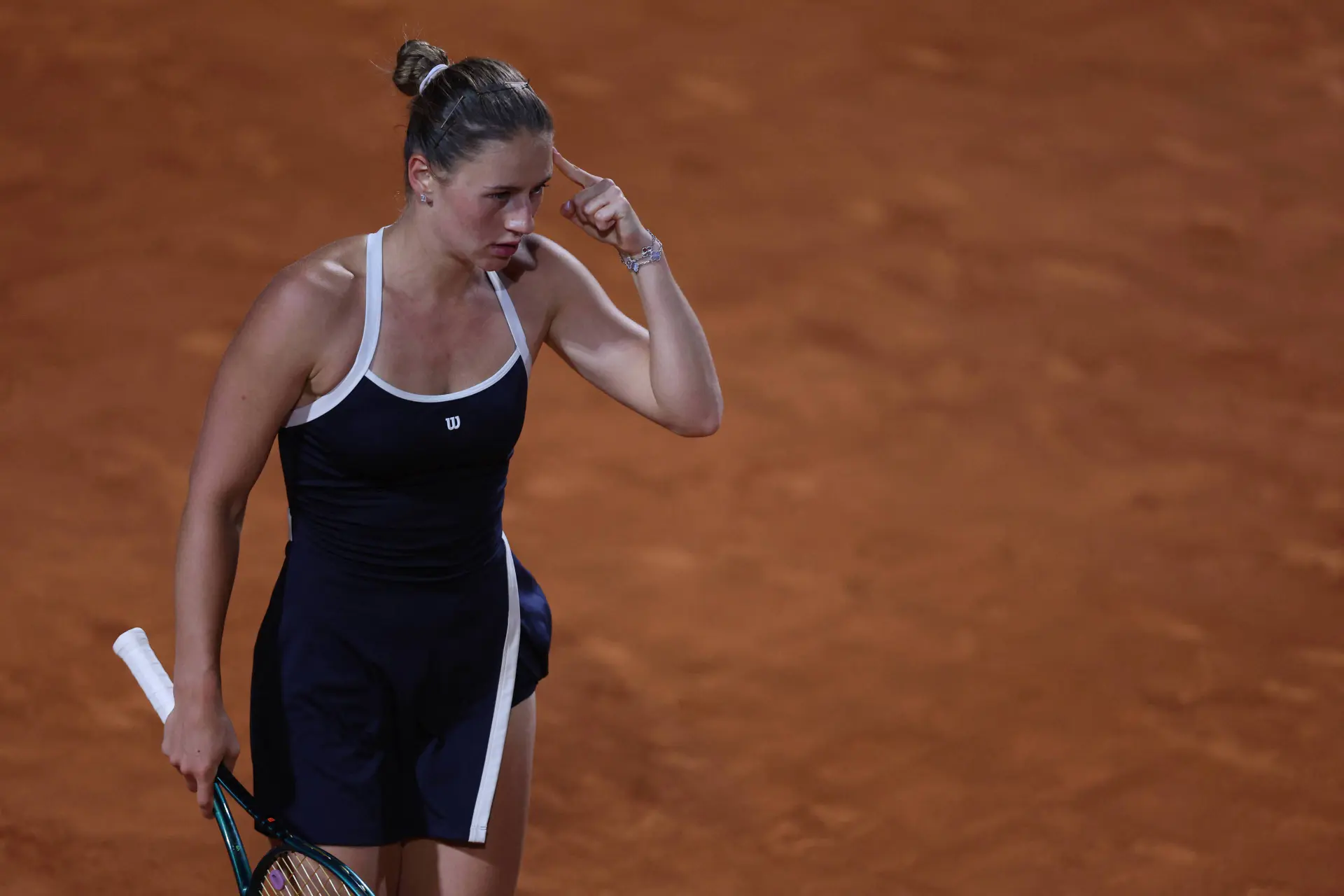
“These people volunteer to go and play there. They choose it. Why should I be silent about this? Why would someone treat me badly for saying this? Only someone who supports that and wants my country destroyed would react negatively. I don’t care about their opinions. I just want to stay alive, bring attention to Ukraine, and think about what is happening so we can end this war faster in a fair way. Why should I get any bad reaction for this?”
Her development path has been gradual, with notable results including semi-final appearances at the Transylvania Open and a third-round run at the WTA 1000 Rome Open. At Roland Garros, she has combined solid baseline play with resilience in tight moments, particularly in her second-round win over Kimberly Birrell, decided in a match tiebreak.
Ranked close to world No. 50 and potentially moving higher depending on results this week, she now faces Diana Shnaider in a match that carries both sporting and political attention. A victory would move her nearer the top 40 and extend her strongest Grand Slam performance to date.

Cristhián AvilaTennis Journalist
Cristhián Ávila is a tennis journalist based in Santiago, Chile, and has been part of the TennisUpToDate team since early 2023. He covers the ATP and WTA Tours as well as all four Grand Slams, producing breaking news, match reports, analysis, and regular liveblogs from major tournaments.
His reporting combines statistical analysis with clear explanation, helping readers understand tactical developments, player form, and broader storylines across the tour. Working fluently in both Spanish and English, Cristhián collaborates with an international editorial team and contributes to comprehensive global coverage. As part of his work, he has conducted interviews and media interactions with leading figures in the sport, including Caroline Wozniacki and John McEnroe.
In his journalism, Cristhián places strong emphasis on careful sourcing, editorial accuracy, and updating articles promptly when new, verified information becomes available. His coverage is grounded in research, context, and direct engagement with professional tennis.
claps 0visitors 0
Just In

Popular News

Latest Comments
- Does Sinner need that 4.5 mil? I doubt it. He can make that with three modelling gigs!😅🤣Rapunzel21-10-2026
- Did "People Magazine" purchase this website? This nonstop storyline is bullshit.
 mandoist21-10-2026
 - Listen... this is of no concern to anyone but these two. Deal with your own issues -- most of us have our own. Thanks, media, for these insignificant follow-ups which are meaningless.mandoist21-10-2026
- This is so very very sad, for all three of them. I truly thought they had an unbreakable bond, but life throws up so many differing challenges. Having your homeland suffering in such a terrible way, makes happiness lose out to guilt as well. Our thoughts are with them. X💔bjsexton20-10-2026
- I have lost all respect for Svitolina! Could she not have waited until he had played at the Paris Masters!!! She is selfish and don't give a damn about Gael. That is NOT how love is demonstrated Elina!!Rapunzel19-10-2026
- Perhaps convenient tennis tour sex is not a strong enough experience in which to base a marriage?mandoist19-10-2026
- Fight the Good Fight... Tennis (sports in general) need more Humans such as yourself.mandoist18-10-2026
- When is WTA going to mandate Genetic Testing (DNA) ???mandoist18-10-2026
- Hey, Dan... you just wake up from a coma? Regardless -- Thanks for the comedy this morning!mandoist18-10-2026
- Two Things: 1. Stop allowing these Spoiled Trust-Fund Elitists to behave badly. Your little hand-slaps do not deter them. 2. STOP the incessantly annoying "towel wiping" nonsense!!!!mandoist15-10-2026

Loading