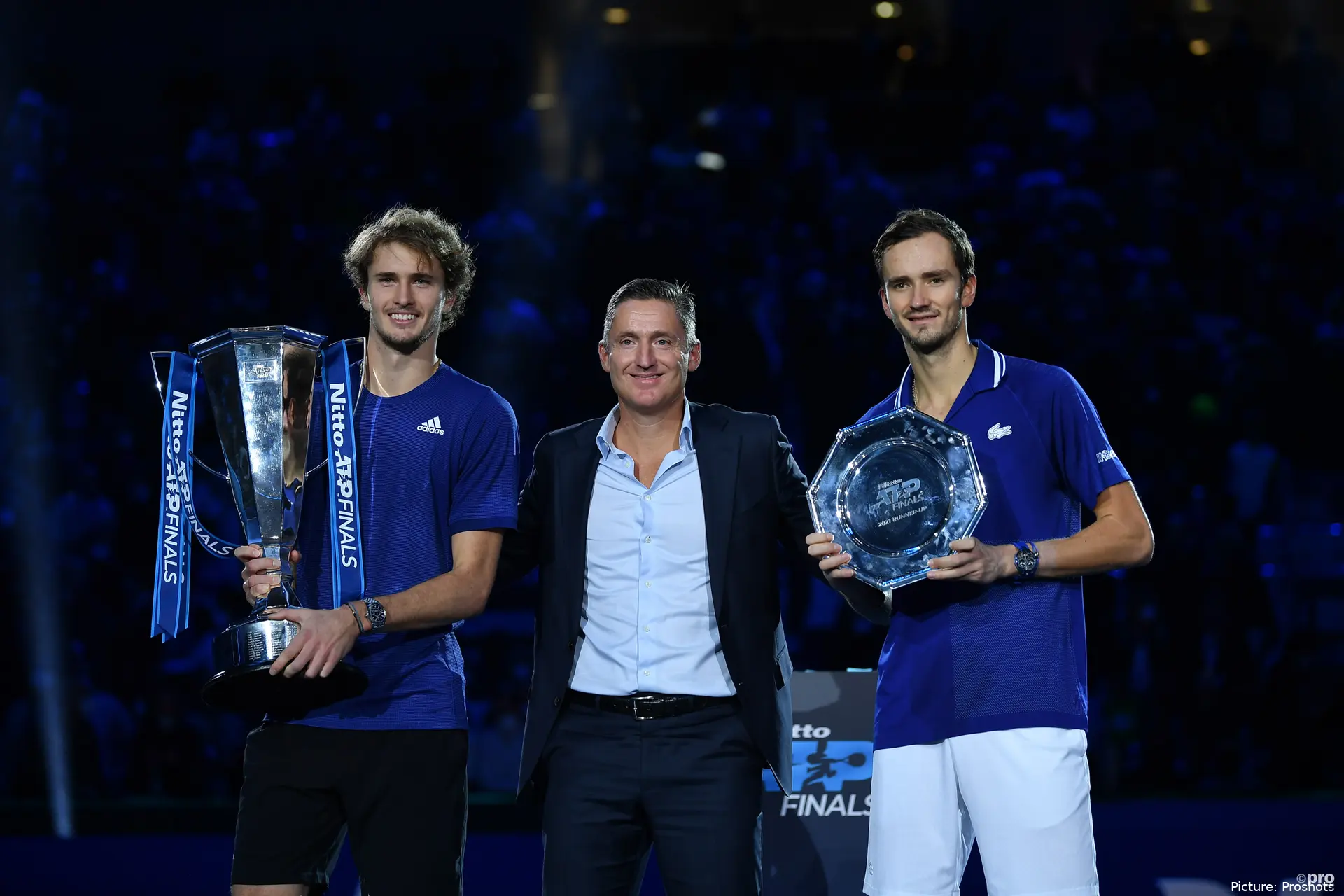
Roger Federer, Rafael Nadal and Novak Djokovic dominated men’s tennis for nearly two decades, leaving very little room at the top for the generations that followed. One after another, young stars emerged with the ranking, talent and results to suggest that the sport was approaching a changing of the guard. Yet the transition proved far more complicated than expected. The Big Three were supposed to be followed by a new Big Three. It never happened.
Some came remarkably close, while others eventually broke through after years of disappointment. Dominic Thiem defeated members of the Big Three on his way to becoming a Grand Slam champion, Daniil Medvedev reached No. 1 and won the US Open, while Alexander Zverev endured three Grand Slam final defeats before finally claiming his maiden major at Roland Garros in 2026.
Others carried those expectations earlier in the Big Three era. Grigor Dimitrov was dubbed “Baby Federer” and viewed as one of the most naturally gifted players of his generation, while Kei Nishikori became the first Asian man to reach a Grand Slam singles final in the Open Era. Matteo Berrettini later emerged as another major contender, reaching the Wimbledon final and breaking into the ATP top five.
Together, their careers tell the story of a succession that never happened in the way many expected. Injuries, inconsistency, difficult timing and the extraordinary longevity of Federer, Nadal and Djokovic all played a role, before Carlos Alcaraz and Jannik Sinner eventually became the players to actually lead the post-Big Three era. These are the seven players who, at different points, were expected to take their place.
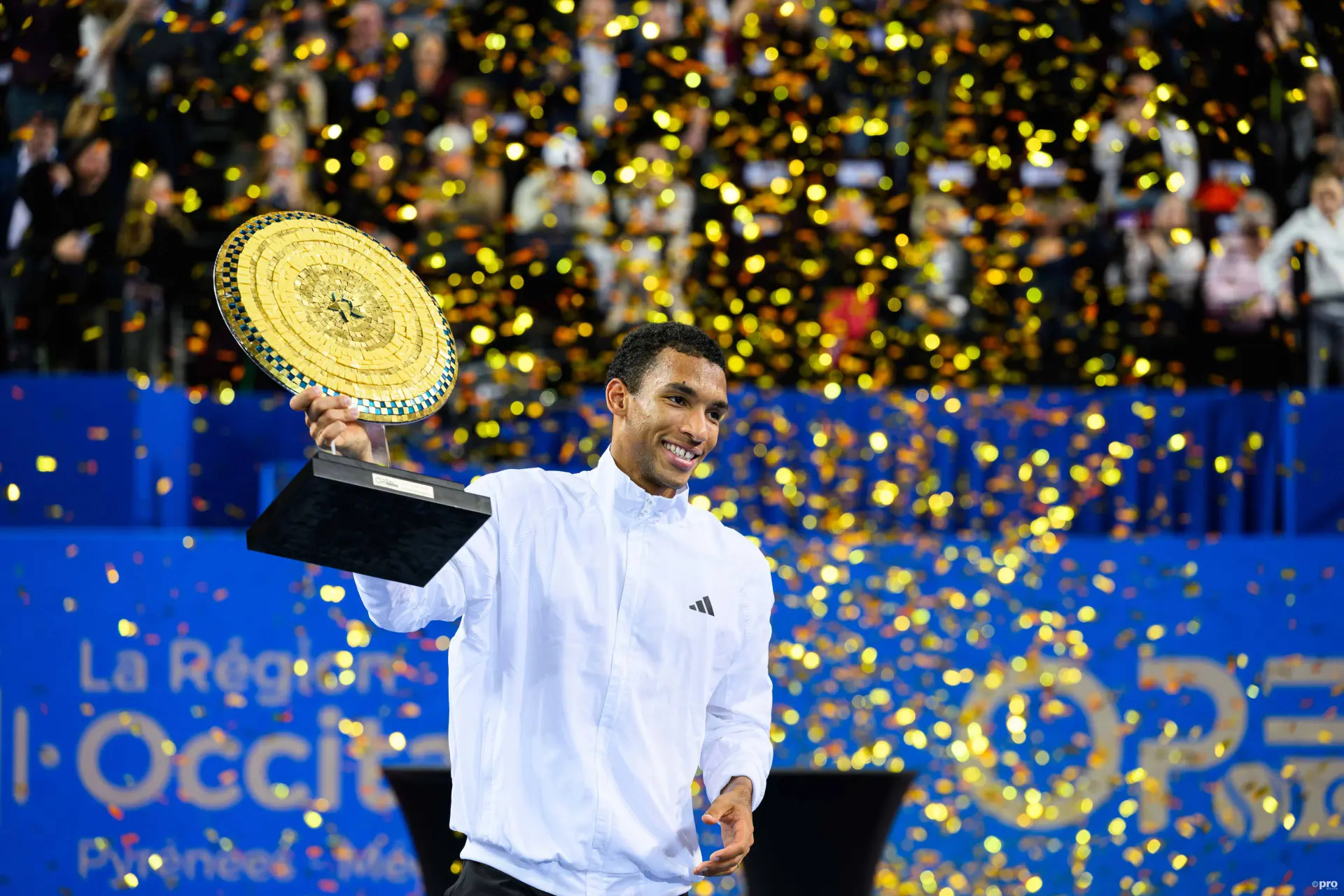
Why they didn't replace the Big Three
| Player | Career high | Biggest achievement | Why they didn't replace the Big Three |
| Grigor Dimitrov | No.3 | ATP Finals champion | Inconsistency & injuries |
| Kei Nishikori | No.4 | US Open finalist | Injuries |
| Dominic Thiem | No.3 | US Open champion | Wrist injury |
| Matteo Berrettini | No.6 | Wimbledon finalist | Repeated injuries |
| Daniil Medvedev | No.1 | US Open champion | Big Three longevity |
| Stefanos Tsitsipas | No.3 | Two Grand Slam finals | Failed to sustain elite level |
| Alexander Zverev | No.2 | Roland Garros champion | Late Grand Slam breakthrough |
1. Daniil Medvedev - The one who actually came closest
Back in 2019, Medvedev reached his first Grand Slam final at the US Open at just 23, establishing himself as one of the most important names of the next generation. He eventually lost a five-set battle to Rafael Nadal, but the run came only weeks after he had won his first Masters 1000 title in Cincinnati. From that point on, the Russian became one of the leading challengers to the Big Three, although the extraordinary longevity of Nadal and Djokovic undoubtedly limited his opportunities.
Medvedev has won one Grand Slam title and lost five other major finals, with Nadal, Djokovic and Sinner standing in his way. He was the first man outside the Big Four to reach No. 1 in the rankings and became arguably the most accomplished player of the transition generation. He has finished five seasons inside the top five, won six Masters 1000 titles and collected 23 ATP titles overall, alongside 20 additional finals.
His career is unquestionably outstanding, but there will always be a question of what Medvedev could have achieved had Nadal and Djokovic declined earlier. His peak years coincided with two of the greatest players in history continuing to compete at an extraordinary level well into their 30s.
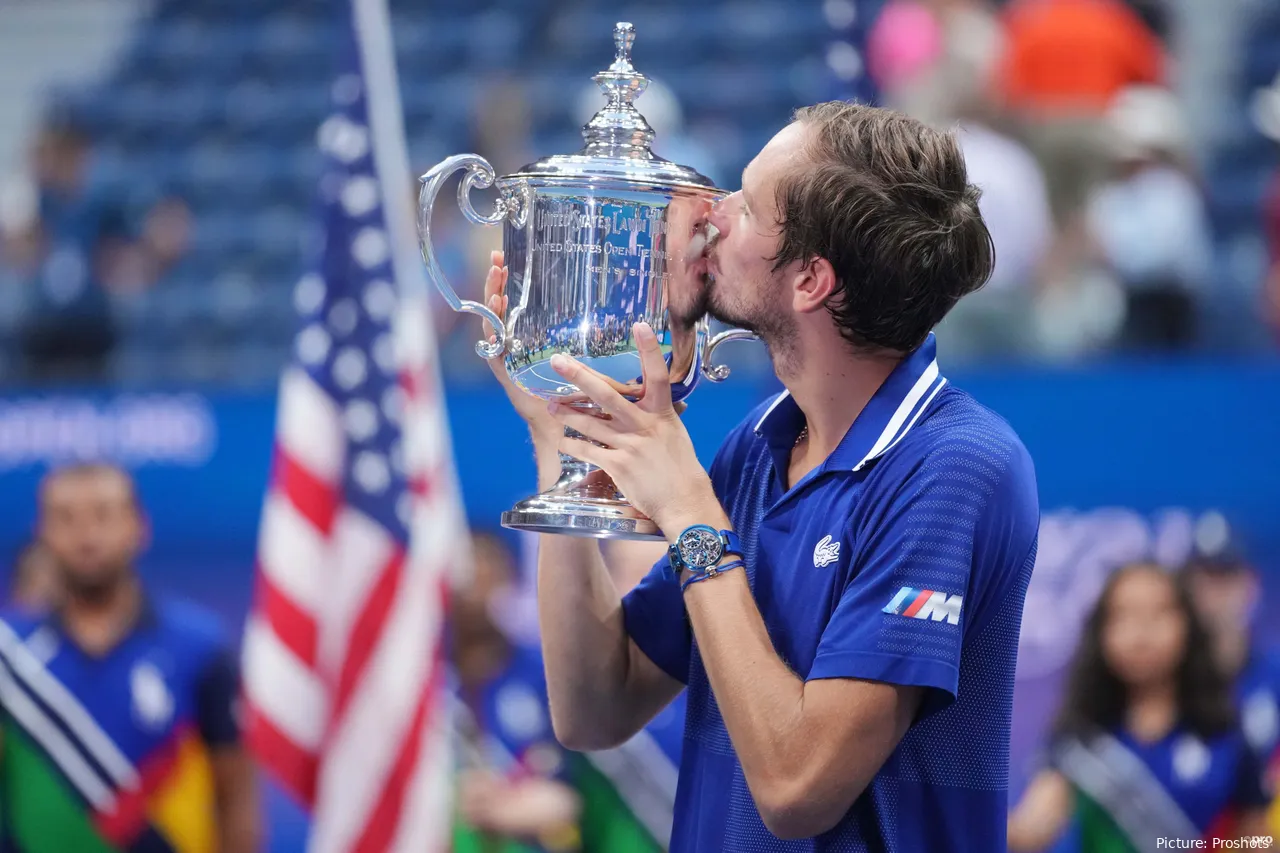
Daniil Medvedev achieved something.
2. Alexander Zverev - The late breakthrough
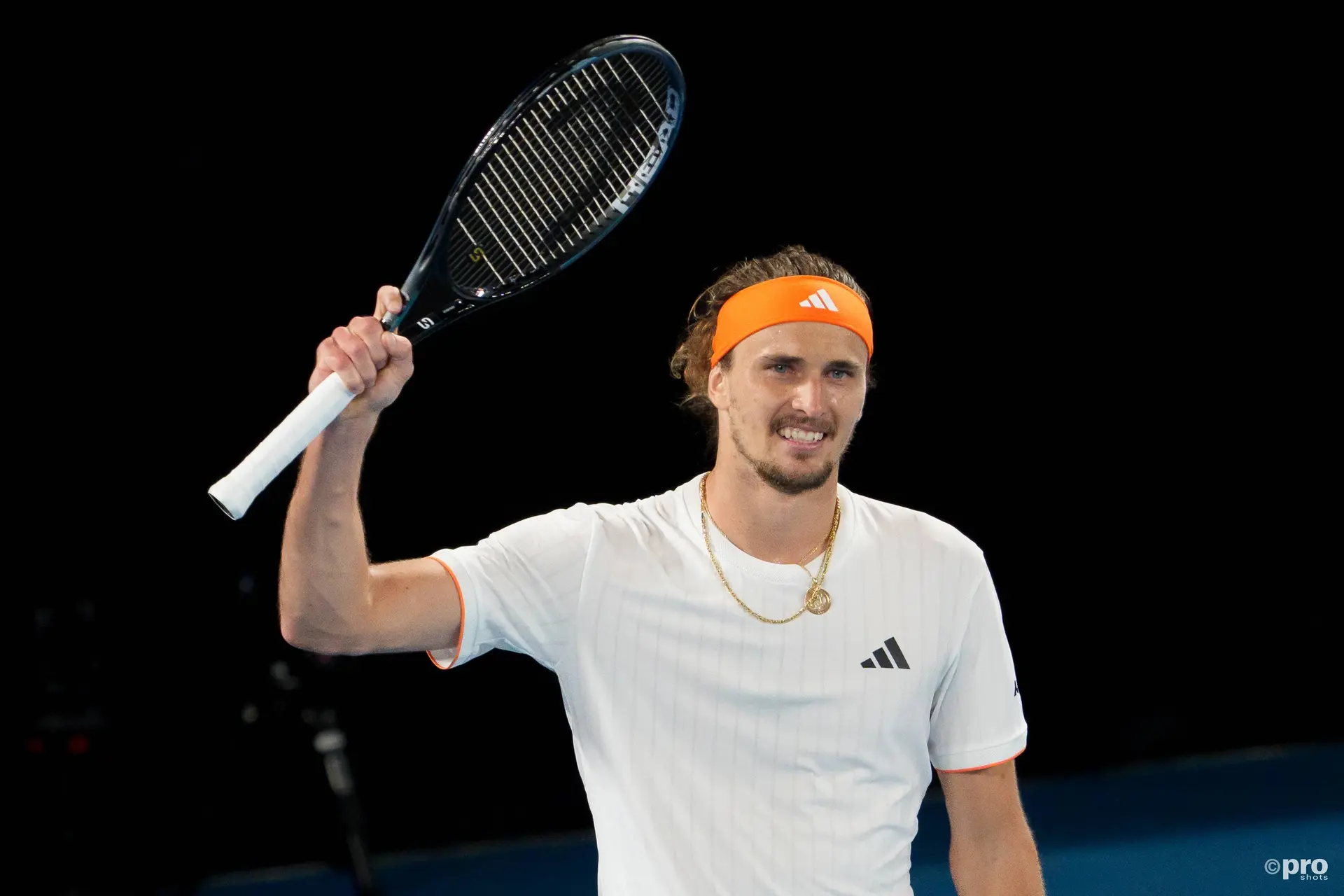
The other major figure of the 1990s generation finally removed one of the biggest question marks surrounding his career in 2026, when, at 28, Zverev won his maiden Grand Slam title at Roland Garros. The German took advantage of an unusually open draw, with Alcaraz absent and Djokovic and Sinner eliminated early, before defeating Flavio Cobolli in the final to finally become a major champion.
For years, Zverev was described as one of the best players in tennis history without a Grand Slam title. His résumé already included Olympic gold, two ATP Finals titles and seven Masters 1000 trophies, as well as multiple Grand Slam and Masters finals. He has also shown remarkable consistency across almost a decade at the top, remaining inside the top 10 for most of that period apart from a brief drop following ankle surgery in 2022.
Alongside Medvedev, Zverev became one of the defining players of the so-called transition generation. His first Grand Slam title changes the perception of his career, but at 28, he still has time to add further major trophies and strengthen an already Hall of Fame-calibre résumé.

3. Stefanos Tsitsipas - The player who predicted the next Big Three
Two years younger than Medvedev and one year younger than Zverev, Tsitsipas emerged rapidly as another central figure of the next generation. His one-handed backhand and distinctive all-court game helped make him one of the Tour's most recognizable players, while victories over all three members of the Big Three suggested he had the tools to compete at the highest level.
The Greek reached a career-high No. 3 ranking, two Grand Slam finals and won three Masters 1000 titles, accumulating 13 ATP trophies overall. He also developed a compelling rivalry with Medvedev and Zverev, completing a trio that many expected to dominate men's tennis once Federer, Nadal and Djokovic finally stepped aside.
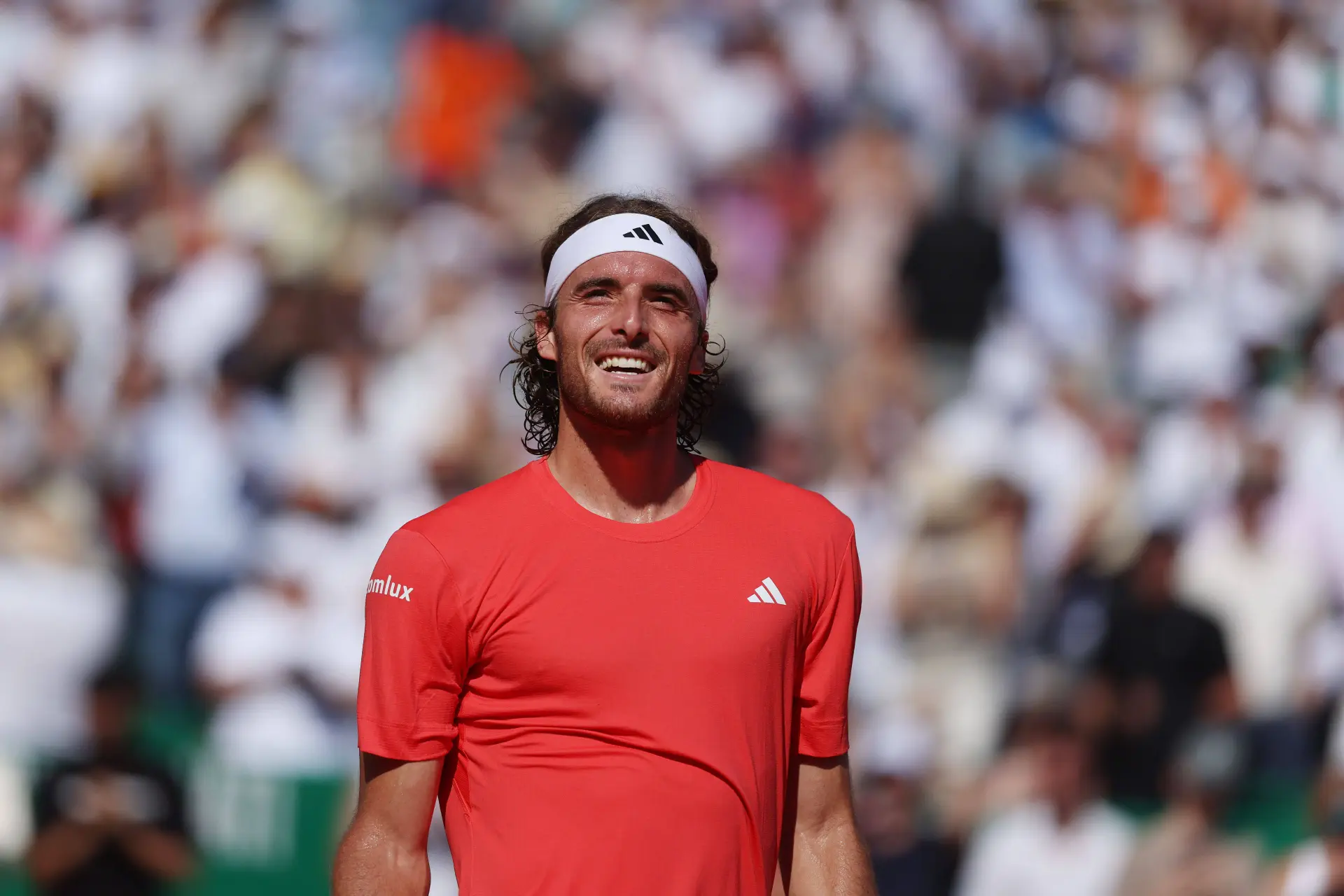
Tsitsipas himself openly embraced that idea in 2021, saying: “Currently there is only one big player: Novak Djokovic. He's still the best in the world. But Daniil Medvedev, Alexander Zverev and I come right behind. We can become the next big three.”
Expectation: Medvedev, Zverev and Tsitsipas become the next Big Three.
Reality: Medvedev won one major, Zverev waited until 2026, Tsitsipas struggled, while Alcaraz and Sinner eventually became the genuine leading duo.
Instead, Nadal won the Australian Open and Roland Garros in 2022, before Djokovic followed with Wimbledon and the US Open. Tsitsipas has since struggled more than his two contemporaries to maintain his position among the elite, even falling outside the top 80 recently. At 28, a resurgence remains possible, but his career has moved far from the trajectory expected when he made that “next Big Three” prediction.
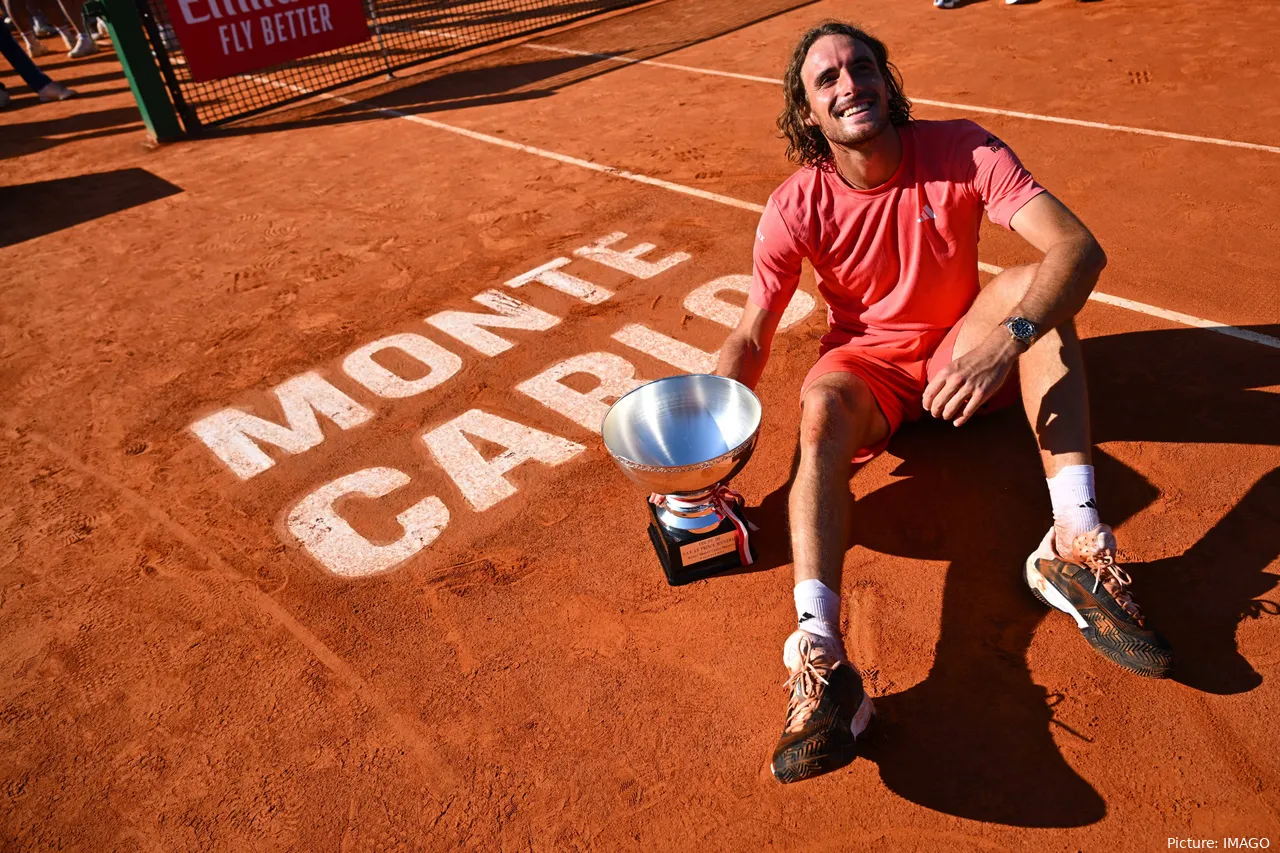
Stefanos Tsitsipas shined then fell out of line.
4. Dominic Thiem - The one whose career was derailed by injury
Thiem was arguably the first player of this group to prove that the Big Three could genuinely be challenged, and the first player born in the 1990s to win a Grand Slam title when he defeated Alexander Zverev in the 2020 US Open final.
The Austrian reached four Grand Slam finals and defeated Federer, Nadal and Djokovic during his career. His powerful one-handed backhand and exceptional clay-court game made him one of Nadal's toughest opponents, while his development on hard courts eventually turned him into a genuine all-surface contender.
His US Open triumph appeared to mark the beginning of a new era. Instead, a serious wrist injury derailed his career and prevented him from returning to the level that had taken him to No. 3 in the world. Thiem's decline became one of the clearest examples of how injuries affected the generation expected to replace the Big Three.
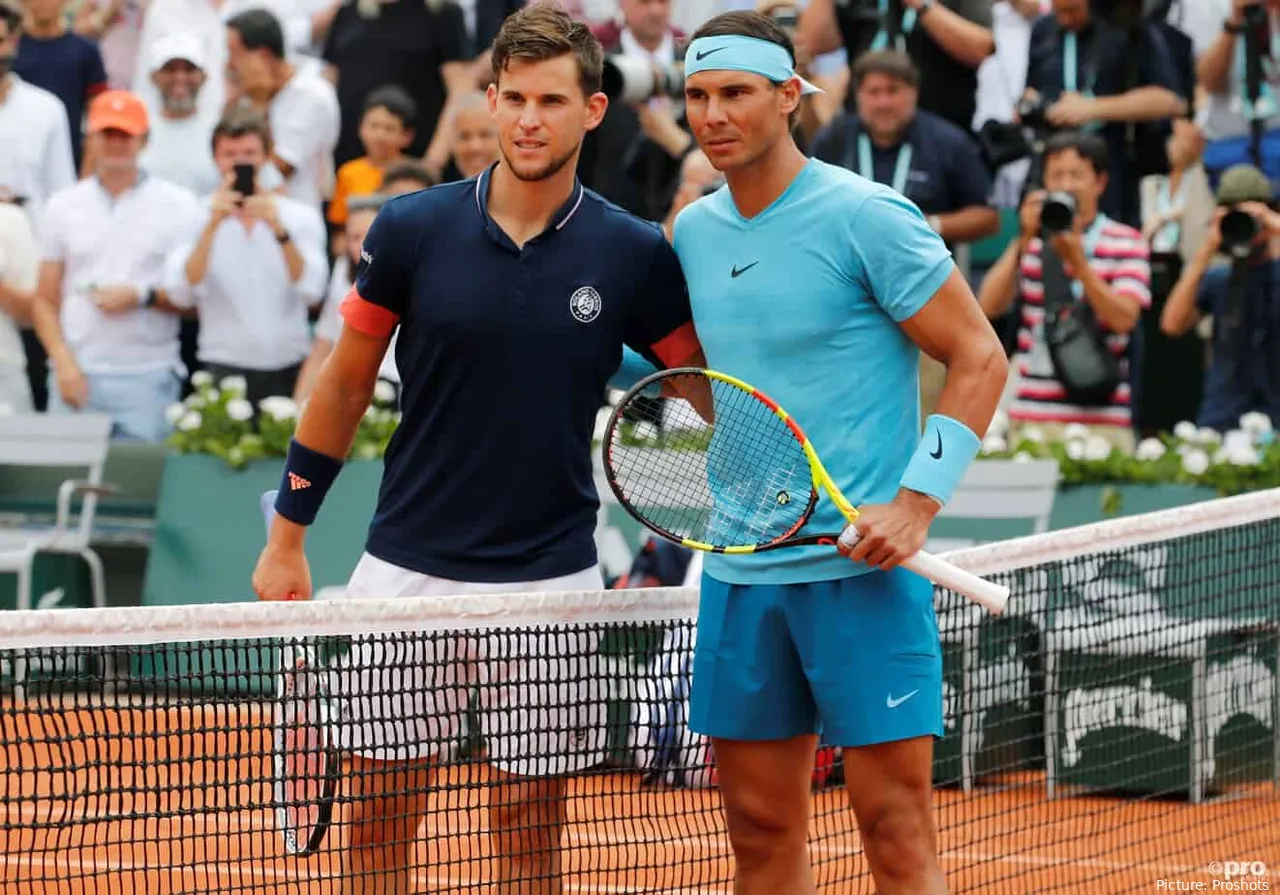
Thiem was Nadal's main challenge on clay for several years
5. Matteo Berrettini - The Wimbledon finalist whose body kept intervening
Berrettini emerged slightly later but quickly became another player viewed as capable of leading the next generation. The Italian reached the Wimbledon final in 2021, where he lost to Djokovic, and climbed as high as No. 6 in the rankings. His combination of a powerful serve, heavy forehand and improving movement made him particularly dangerous on grass and hard courts.
At his peak, Berrettini looked capable of becoming a regular Grand Slam contender, but injuries repeatedly interrupted his progress. Abdominal, hand and leg problems prevented him from maintaining the consistency required to remain among the elite.
Those physical issues have continued to disrupt his career in recent years, but Berrettini has shown in 2026 that he can still produce deep Grand Slam runs when healthy. At 30, the Italian has not given up on his pursuit of a major title, even if the path has become much more complicated than initially expected.
6. Grigor Dimitrov - The original “Baby Federer”
Dimitrov carried perhaps the earliest expectations of this group. Nicknamed "Baby Federer" because of his elegant movement, versatile shot-making and one-handed backhand, the Bulgarian was identified as a future Grand Slam contender long before the eventual transition away from the Big Three.
He reached No. 3 in the world and eventually won the 2017 ATP Finals, but his Grand Slam career never matched the expectations created during his early years. His best major result came with his Australian Open semifinal run in 2017, while injuries and inconsistency repeatedly prevented him from establishing himself as a permanent member of the elite.
After several years around the top 30, Dimitrov returned to the top 10 and emerged as a major contender again in 2024. However, another injury at Wimbledon eventually halted what looked like his latest push deep into the biggest tournaments. At 35, the window for another major breakthrough is narrowing, but his career remains one of the clearest examples of a player whose talent generated enormous expectations.

Dimitrov is 35 years old and currently sits outside the top 100.
7. Kei Nishikori - The early contender who never got the major
Nishikori was one of the earliest players from the post-Federer, Nadal and Djokovic generation to establish himself as a genuine Grand Slam contender. The Japanese star became the first Asian man in the Open Era to reach a Grand Slam singles final when he advanced to the 2014 US Open championship match, where he lost to Marin Cilic.
His rise was built around exceptional court speed, clean ball-striking and one of the best return games of his generation. Nishikori reached a career-high No. 4 in the ATP rankings and defeated all three members of the Big Three during his career, proving he could compete with the very best when healthy.
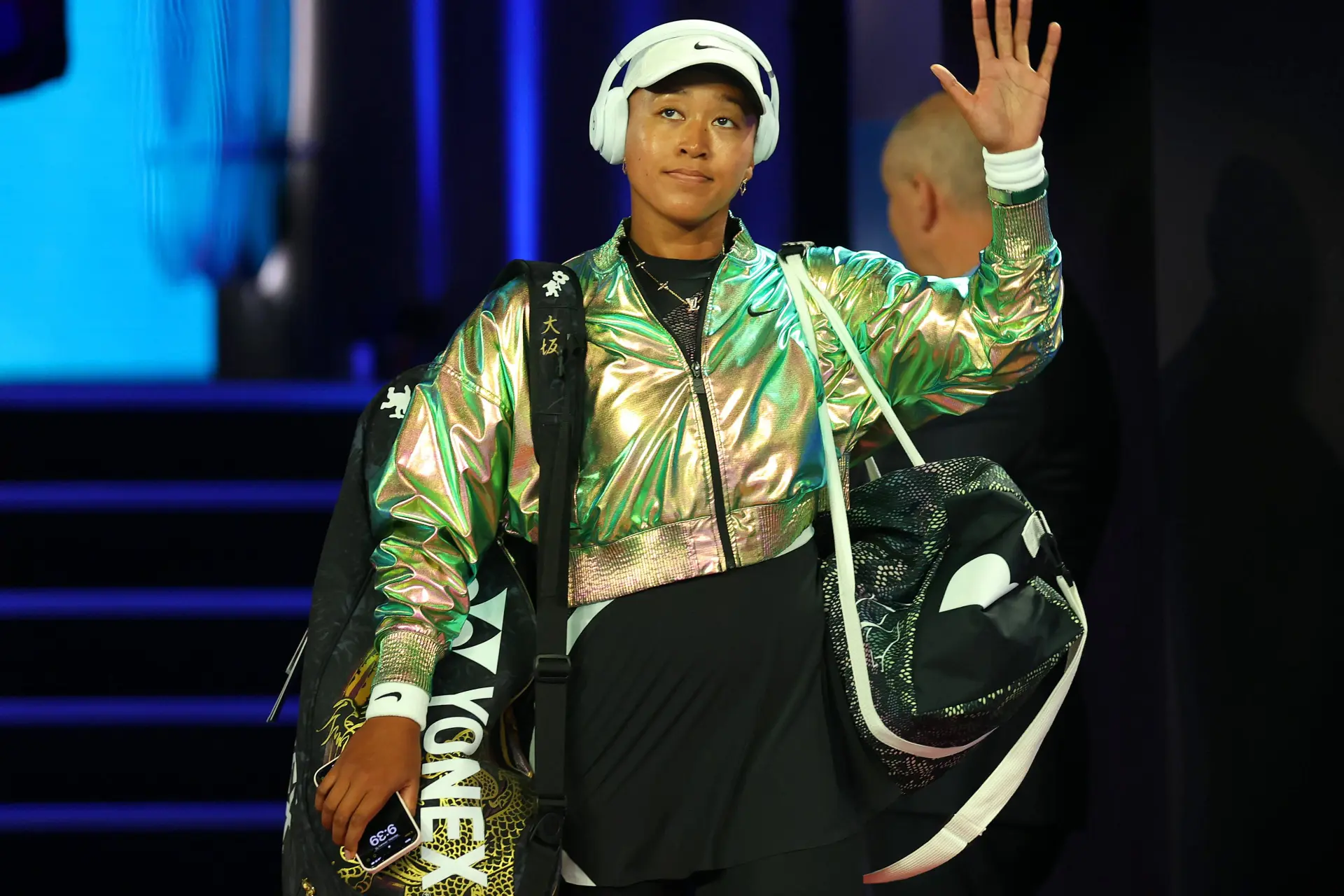
The problem was precisely that: staying healthy. Repeated wrist, elbow, shoulder and hip injuries interrupted his momentum throughout his prime and forced him to miss long periods of competition. He still collected 12 ATP titles and reached four Grand Slam quarterfinals or better, but injuries ultimately prevented him from turning his consistency into the major title many expected.
Why did they never reach that point?
Daniil Medvedev - timing
He was good enough, but Djokovic and Nadal were still winning Grand Slams.
Alexander Zverev — Grand Slam conversion
Elite ranking consistency, but years of major disappointment.
Stefanos Tsitsipas — consistency
Reached the biggest stages but couldn't maintain the elite level.
Dominic Thiem — injury
Perhaps the clearest case of a career trajectory being destroyed by circumstances.
Matteo Berrettini — fitness
The physical issues repeatedly interrupted momentum.
Grigor Dimitrov — expectations
“Baby Federer” created an almost impossible standard.
Kei Nishikori — injuries
The talent and results were there, but his body couldn't consistently cooperate.
For almost 20 years, tennis waited for the next generation to finally take the sport away from Federer, Nadal and Djokovic. One by one, Dimitrov, Nishikori, Thiem, Berrettini, Medvedev, Tsitsipas and Zverev came close — but none managed to replicate the extraordinary dominance of the Big Three.
In the end, it wasn't the generation everyone expected that completed the transition. It was Alcaraz and Sinner.

Cristhián AvilaTennis Journalist
Cristhián Ávila is a tennis journalist based in Santiago, Chile, and has been part of the TennisUpToDate team since early 2023. He covers the ATP and WTA Tours as well as all four Grand Slams, producing breaking news, match reports, analysis, and regular liveblogs from major tournaments.
His reporting combines statistical analysis with clear explanation, helping readers understand tactical developments, player form, and broader storylines across the tour. Working fluently in both Spanish and English, Cristhián collaborates with an international editorial team and contributes to comprehensive global coverage. As part of his work, he has conducted interviews and media interactions with leading figures in the sport, including Caroline Wozniacki and John McEnroe.
In his journalism, Cristhián places strong emphasis on careful sourcing, editorial accuracy, and updating articles promptly when new, verified information becomes available. His coverage is grounded in research, context, and direct engagement with professional tennis.
claps 0visitors 0
Just In

Popular News
Latest Comments
- A healthy Qinwen may be hard to stop next season. She was already scaring her opponents before her medical leave(s). Unfortunately, Zheng insisted on singing again. On the positive side -- Mirra did not sing!! ;~}
 mandoist11-10-2026
 - Where is it written that athletes, entertainers... People in general... are mandated to keep looking at -- or even using [anti]Social Media? Public & private figures consistently complain and reveal their concerns about negativity and violence thrown at them -- yet they insist on participating. Avoid it, don't use it, don't read it. It's okay to occasionally look up at the World instead beating your eyes & thumbs to death on The Inventions out there.mandoist11-10-2026
- great articlestennisseserver07-10-2026
- Medvedev was leading Djokovic 7-5, 3-5 when an attempted return..' NO you ignorants, Djokovic was leading .weiss05-10-2026
- No more bullshit "Wildcards" to these two. Qualify like everyone else -- there will be cameras there, too. Time to scream... WTF ????!!!!mandoist29-09-2026
- Let's not BS the general public -- Sabalenka started showing cracks in her game last season. Her losses and near-losses started at about the same time she began being distracted by Fame (constant Selfies, making TV commercials, magazine shoots, endless Social Media nonsense, etc., etc.) One would think even Saba could recognize the parallels with others who failed before her -- Raducanu, Giorgi, Bouchard to name a few.mandoist25-09-2026
- Gross!! Hey Raducanu, Giorgi, and Bouchard -- reserve a seat at your Social Media Selfie table for Saba + Naomi. They're heading in your direction soon enough.mandoist24-09-2026
- And then these same players will complain about how lengthy their season’s were and need more time-off. I’m all for more tennis but the amount of tennis we get now is actually kind of crazy! We all need a break, especially the players.DaveyWavey23-09-2026
- You should do a comparison article for "different kinds of justice" the courts decide for tennis players. I can think of at least three players who received very small bans of a few months, however Tara Moore has been fighting for her literal survival the past few years. It seems odd considering she is not a "name" player, unlike the other cases.DaveyWavey22-09-2026
- PRIZE MONEY & POINTS Winner - $185,500 Finalist - $114,500 Semi-Finalist - $66,003 Quarter-Finalist - $35,000 Round of 16 - $18,045 Round of 32 - $13,005 Winner - 500 Finalist - 325 Semi-Finalist - 195 Quarter-Finalist - 108 Round of 16 - 60 Round of 32 - 1DaveyWavey20-09-2026

Loading