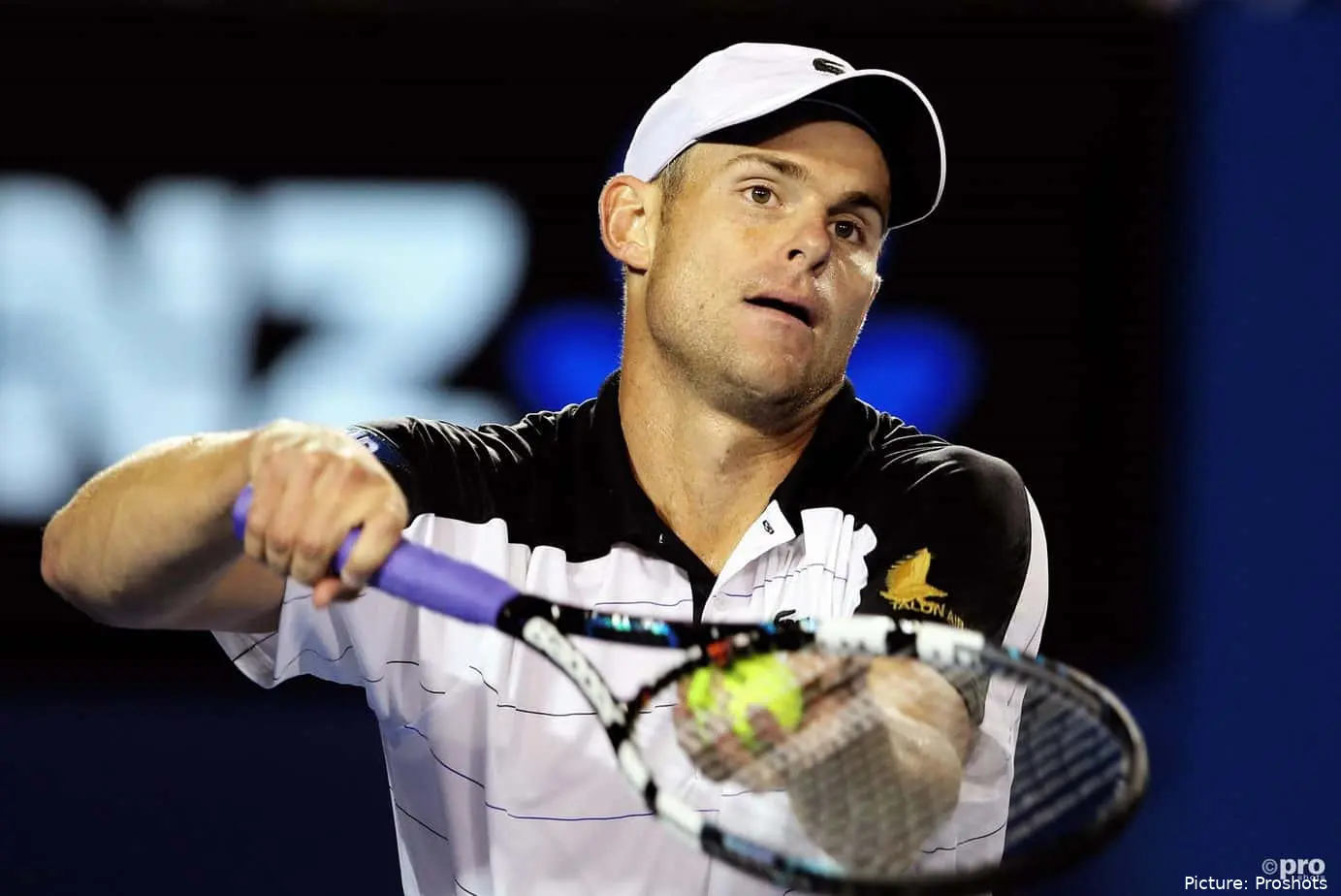
For some time now, tennis experts have sung the praises of Alexandra Eala. However, there is normally one nagging detail that is halting their lavish lauding of the 21-year-old: her serve. On the face of it, one of the weaker serves on the WTA Tour is there to be pounced upon. Andy Roddick disagreed, citing the reasons why Eala's serve is so dangerous.
Eala's rise has been as rapid as it has been impressive. She has recently taken that next step up the WTA pecking order following a maiden title at the DC Open, soundly defeating the World No.3 Jessica Pegula after a stunning two-day comeback in the American capital.
Her seven-match winning streak to commence the North American hardcourt swing was abruptly halted by a rampant Belinda Bencic who bageled the Filipina in a dominant 6-4, 6-0 win at the Canadian Open.
Eala has the tools to become a brilliant tennis player, most notably huge groundstrokes that can tear through her opponents and leaving them hapless. The serve, on the other hand, is an area that she regularly fails to generate anywhere near as much power.
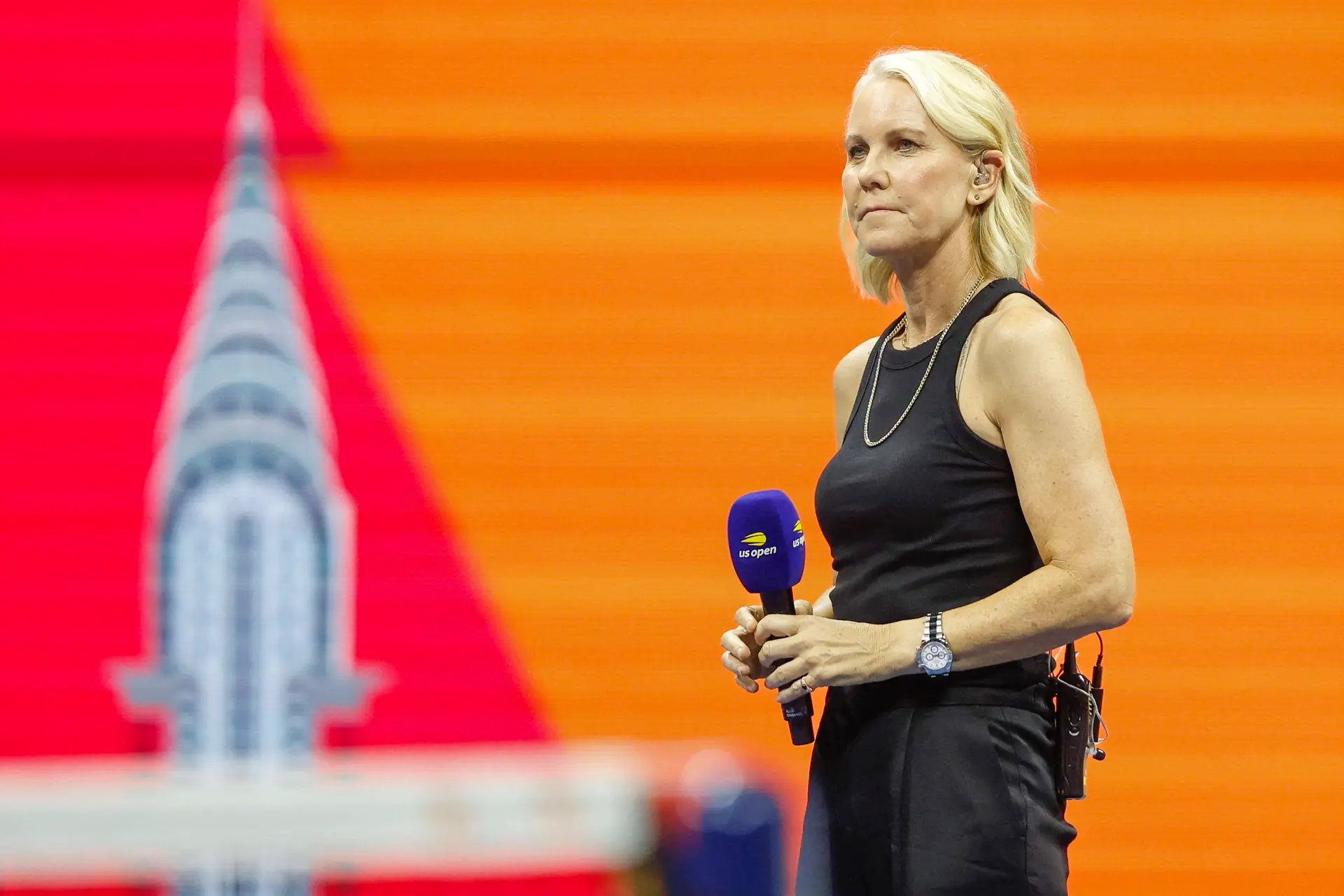
It is an area that can be attacked, with Rennae Stubbs even labelling it as the reason she will never win a Grand Slam. On the face of it, it is a huge weakness, but Roddick is not in full agreement of that as he analysed the serve in his Q&Andy show.
Eala's 'slow serve' proving tricky for opponents
While her first serve can reach up to 100mph, Eala's second serve is regularly down on that, languishing around the 60-75mph mark. Being left-handed most certainly helps her deceive and confuse her opponents on court who are also not normally used to facing a second serve as slow.
The 2003 US Open champion explained on his podcast Served the dynamics around the slower Eala serve. “Here’s the difference. It’s not just anybody goes out there and hits a slow serve and they get away with it. It’s Eala’s ability to crush the next ball if you don’t square up that return.
“I was a returner who had a hard time creating pace on a slow second serve. Like I used to play Mardy [Fish] and he’d hit this little bunny 81mph kick serve where I had all day, but he knew that I couldn’t bruise him off the back end side. Right?

Alexandra Eala is not known for having a big serve, but is still tricky to face
“Therefore he wasn’t in a rush to hit it. So the difference is it’s not just making the serve or hitting a good return. It’s against Eala. If you don’t square it up, she’s able to hit that middle ball, both directions, with pace on the next shot.”
There is a catch to this. A phenomenal server, like Swiatek, will hammer it back any weak serve while romping off into the distance. If spin is added to the serve, that makes the opponents life trickier which makes Roddick admit that this type of serving Eala produces is better than if she added some more pace to it.
“You can’t take someone who doesn’t have Eala’s ball striking ability or ability to hit directionally to the corners and just say, ‘I’m going to serve slower against Iga Swiatek’. Welcome to your death," he continued.
“Like that’s not the way it works. It’s being able to create enough pace to offset what Eala is trying to do on that next ball. I think Eala’s serve or second serve, especially, is probably more effective with the slower version than if it was 10mph faster. Like I think she’s starting to kind of figure out how to use it as well and maybe not being obsessed with pace, but like, ‘I’m going to throw you this one and you better hit it’. You better hit it firm. Otherwise you’re going for a ride on the next ball.”
Eala is back in action at the Cincinnati Open for the very first time. The 17th seed will take on either Elena-Gabriela or Magda Linette following their first round contest in Ohio.
Lucas MichaelTennis Journalist
Lucas Michael is a tennis journalist based in Cambridge, UK, specializing in comprehensive coverage of the ATP and WTA tours. For the past 1.5 years, he has been a core contributor to TennisUpToDate, where he has authored more than 3,000 data-driven match reports, deep-dive analysis pieces, and engaging liveblogs.
Lucas pairs real-time statistical analysis with on-the-ground reporting, frequently traveling to tournaments to cover the action firsthand from the press box and player press conferences. This blend of advanced metrics and direct access allows him to provide sharp context regarding player form, tactical trends, and breaking tour developments.
He holds a BA (Hons) in Sports Journalism. Grounded in core journalistic ethics, Lucas places a strict emphasis on meticulous sourcing, editorial accuracy, and a commitment to updating live content swiftly as verified information emerges.
claps 0visitors 0
Just In



Popular News
Latest Comments
- A healthy Qinwen may be hard to stop next season. She was already scaring her opponents before her medical leave(s). Unfortunately, Zheng insisted on singing again. On the positive side -- Mirra did not sing!! ;~}
 mandoist11-10-2026
 - Where is it written that athletes, entertainers... People in general... are mandated to keep looking at -- or even using [anti]Social Media? Public & private figures consistently complain and reveal their concerns about negativity and violence thrown at them -- yet they insist on participating. Avoid it, don't use it, don't read it. It's okay to occasionally look up at the World instead beating your eyes & thumbs to death on The Inventions out there.mandoist11-10-2026
- great articlestennisseserver07-10-2026
- Medvedev was leading Djokovic 7-5, 3-5 when an attempted return..' NO you ignorants, Djokovic was leading .weiss05-10-2026
- No more bullshit "Wildcards" to these two. Qualify like everyone else -- there will be cameras there, too. Time to scream... WTF ????!!!!mandoist29-09-2026
- Let's not BS the general public -- Sabalenka started showing cracks in her game last season. Her losses and near-losses started at about the same time she began being distracted by Fame (constant Selfies, making TV commercials, magazine shoots, endless Social Media nonsense, etc., etc.) One would think even Saba could recognize the parallels with others who failed before her -- Raducanu, Giorgi, Bouchard to name a few.mandoist25-09-2026
- Gross!! Hey Raducanu, Giorgi, and Bouchard -- reserve a seat at your Social Media Selfie table for Saba + Naomi. They're heading in your direction soon enough.mandoist24-09-2026
- And then these same players will complain about how lengthy their season’s were and need more time-off. I’m all for more tennis but the amount of tennis we get now is actually kind of crazy! We all need a break, especially the players.DaveyWavey23-09-2026
- You should do a comparison article for "different kinds of justice" the courts decide for tennis players. I can think of at least three players who received very small bans of a few months, however Tara Moore has been fighting for her literal survival the past few years. It seems odd considering she is not a "name" player, unlike the other cases.DaveyWavey22-09-2026
- PRIZE MONEY & POINTS Winner - $185,500 Finalist - $114,500 Semi-Finalist - $66,003 Quarter-Finalist - $35,000 Round of 16 - $18,045 Round of 32 - $13,005 Winner - 500 Finalist - 325 Semi-Finalist - 195 Quarter-Finalist - 108 Round of 16 - 60 Round of 32 - 1DaveyWavey20-09-2026

Loading