“I think that allowed her to win Roland Garros two times in three years”: Patrick Mouratoglou on the forehand tweak that changed Serena Williams’ clay game
ATP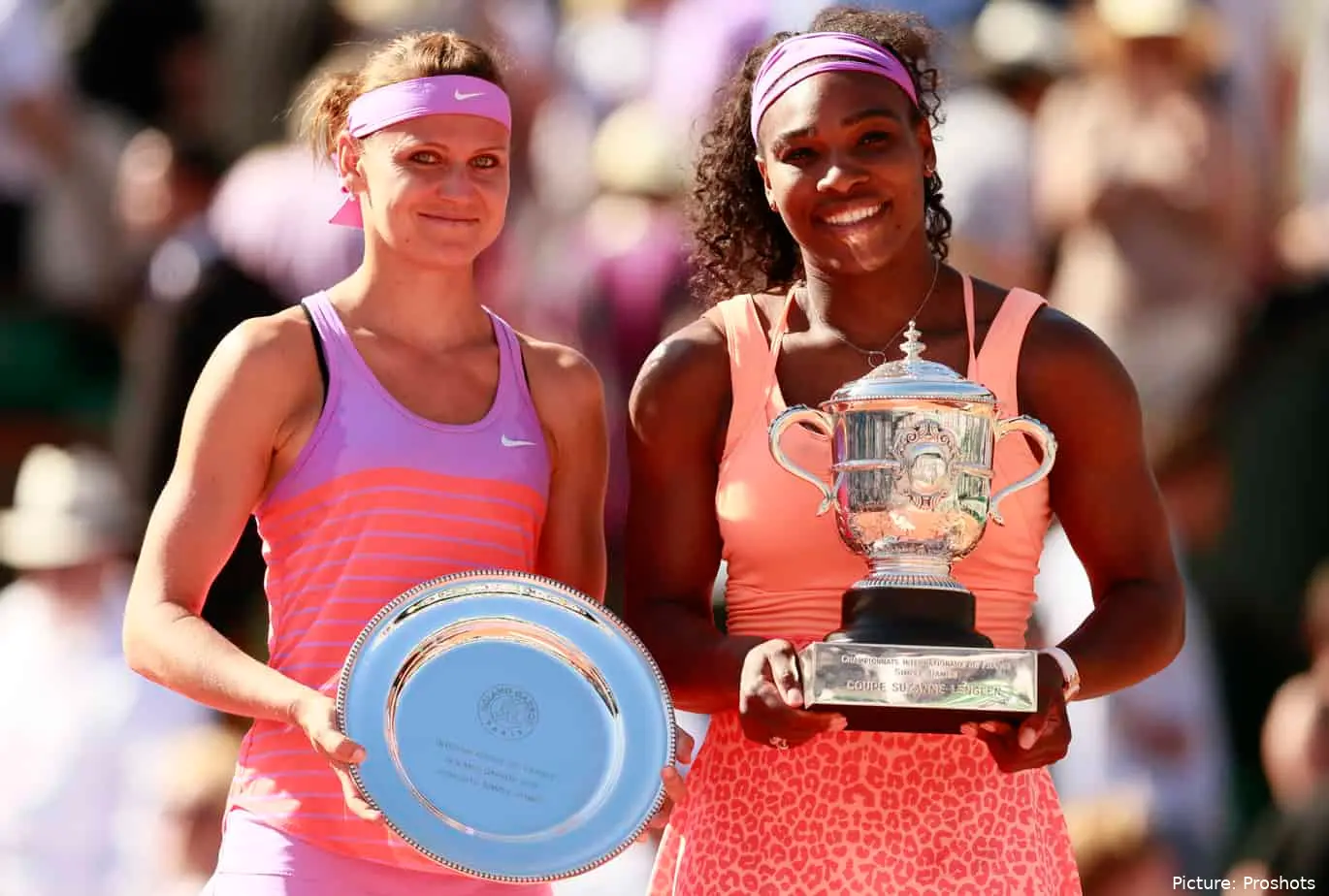
For Patrick Mouratoglou, the offseason is not merely a period of rest or physical maintenance; it is the only window in the tennis calendar where genuine evolution can occur. Speaking recently about his coaching philosophy during an interview with Greg Rusedsky, the Frenchman revealed how he utilized these critical training blocks to implement the technical changes that helped Serena Williams extend her dominance on clay later in her career.
The density of the modern calendar makes substantial in-season adjustments nearly impossible, leaving the winter break as the only safe harbor for evolution. Attempting to alter a swing path while competing is a recipe for disaster, and Mouratoglou emphasizes that “it's always difficult to look in depth and make changes on your technique... knowing that you have an event in one week,” he said during the Ultimate Tennis Showdown London making these few weeks crucial for long-term development.
The physical foundation of this period is punishing, designed to shock the body back into an elite state after the brief respite of holidays. The protocol begins with a total separation from the tennis court, where “you have a week of only fitness where we can really focus on first coming back,” Mouratoglou says, because after a break “you basically lost most of your fitness” and need to reset the engine before touching a racket.
However, the French coach argues that the most critical aspect is the transition to specific conditioning that cannot be replicated in a gym. It is one thing to run on a track, but Mouratoglou warns that “you can do hours of fitness, [but] if you don't do fitness on the court... playing tennis is such a different activity,” stressing that true endurance must be built with the specific movements of the sport.
The forehand evolution: Unlocking Roland Garros
While physical conditioning provides the baseline, the most significant breakthrough Mouratoglou oversaw was a specific technical overhaul of Serena Williams’ forehand. Despite possessing what he calls “probably the greatest woman’s serve in the game history” and a solid backhand, her forehand was historically flatter, and he noted that “to be able to be as consistent with her forehand as she was with her backhand... was a key” to unlocking her potential on clay.
The technical adjustment focused on generating topspin and altering her court position, moving her away from flat hitting toward a style better suited for clay. Mouratoglou explained that previously her shot “was extremely flat,” so the focus became “stepping inside the court, playing more spin,” which transformed a shot that relied on raw power into a weapon of controlled aggression suited for the slower red dirt of Paris.
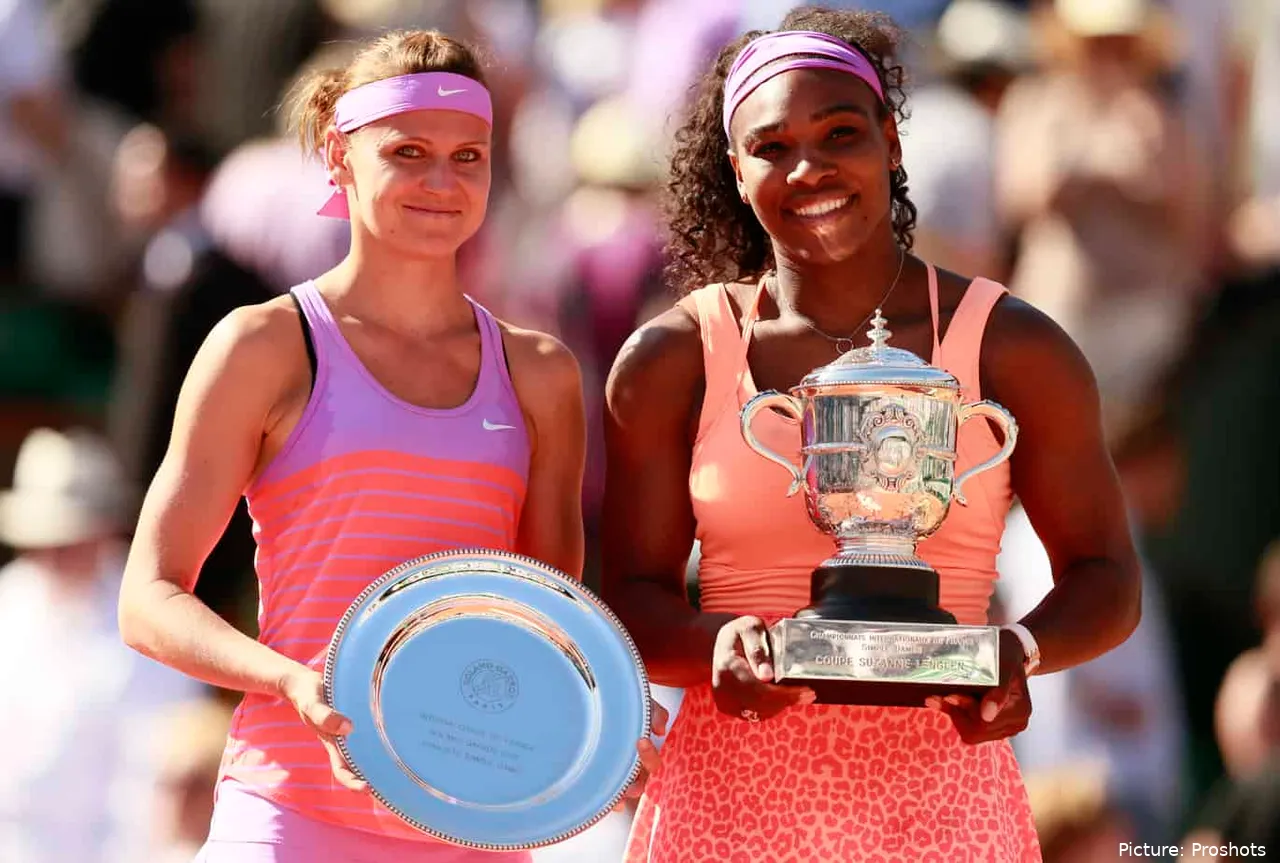
Serena Williams won her third Roland Garros title in 2015, beating Lucie Safarova
This shift was not just aesthetic; it was statistically transformative and helped extend her dominance on her least natural surface. The result was undeniable, as Mouratoglou pointed out that “that was a big change and I think that also allowed her to win Roland Garros two times in three years,” a feat she had accomplished “only once in ten years” prior to making these specific winter adjustments.
Breaking the invisible walls
Beyond the mechanics of spin rates and footwork, Mouratoglou views the offseason as the primary battleground for psychological warfare against one's own limitations. He believes that while equipment tweaks have value, they pale in comparison to shifting a player's internal narrative, admitting that “I will never think that changing the material things would make a big change,” but “modifying the mindset in a good way of course can make major changes.”
For the Frenchman, the ultimate victory of the preseason is not measured in lap times, but in the shattering of mental obstacles that hold talent back. He concludes that “when a player has mental walls that cannot break, if you find a way to help him break that wall... what's opening in front of him at that moment is huge,” describing it as the “major difference” between good and great.

Cristhián AvilaTennis Journalist
Cristhián Ávila is a tennis journalist based in Santiago, Chile, and has been part of the TennisUpToDate team since early 2023. He covers the ATP and WTA Tours as well as all four Grand Slams, producing breaking news, match reports, analysis, and regular liveblogs from major tournaments.
His reporting combines statistical analysis with clear explanation, helping readers understand tactical developments, player form, and broader storylines across the tour. Working fluently in both Spanish and English, Cristhián collaborates with an international editorial team and contributes to comprehensive global coverage. As part of his work, he has conducted interviews and media interactions with leading figures in the sport, including Caroline Wozniacki and John McEnroe.
In his journalism, Cristhián places strong emphasis on careful sourcing, editorial accuracy, and updating articles promptly when new, verified information becomes available. His coverage is grounded in research, context, and direct engagement with professional tennis.
claps 1visitors 1
Just In

Popular News
Latest Comments
- Does Sinner need that 4.5 mil? I doubt it. He can make that with three modelling gigs!😅🤣Rapunzel21-10-2026
- Did "People Magazine" purchase this website? This nonstop storyline is bullshit.
 mandoist21-10-2026
 - Listen... this is of no concern to anyone but these two. Deal with your own issues -- most of us have our own. Thanks, media, for these insignificant follow-ups which are meaningless.mandoist21-10-2026
- This is so very very sad, for all three of them. I truly thought they had an unbreakable bond, but life throws up so many differing challenges. Having your homeland suffering in such a terrible way, makes happiness lose out to guilt as well. Our thoughts are with them. X💔bjsexton20-10-2026
- I have lost all respect for Svitolina! Could she not have waited until he had played at the Paris Masters!!! She is selfish and don't give a damn about Gael. That is NOT how love is demonstrated Elina!!Rapunzel19-10-2026
- Perhaps convenient tennis tour sex is not a strong enough experience in which to base a marriage?mandoist19-10-2026
- Fight the Good Fight... Tennis (sports in general) need more Humans such as yourself.mandoist18-10-2026
- When is WTA going to mandate Genetic Testing (DNA) ???mandoist18-10-2026
- Hey, Dan... you just wake up from a coma? Regardless -- Thanks for the comedy this morning!mandoist18-10-2026
- Two Things: 1. Stop allowing these Spoiled Trust-Fund Elitists to behave badly. Your little hand-slaps do not deter them. 2. STOP the incessantly annoying "towel wiping" nonsense!!!!mandoist15-10-2026

Loading