"It was basically an excuse for everyone to go out three nights in a row" - Isner, Querrey, Sock, and Johnson reaveal the troubles of adapting to Asia, while discussing 'ATP University'
ATP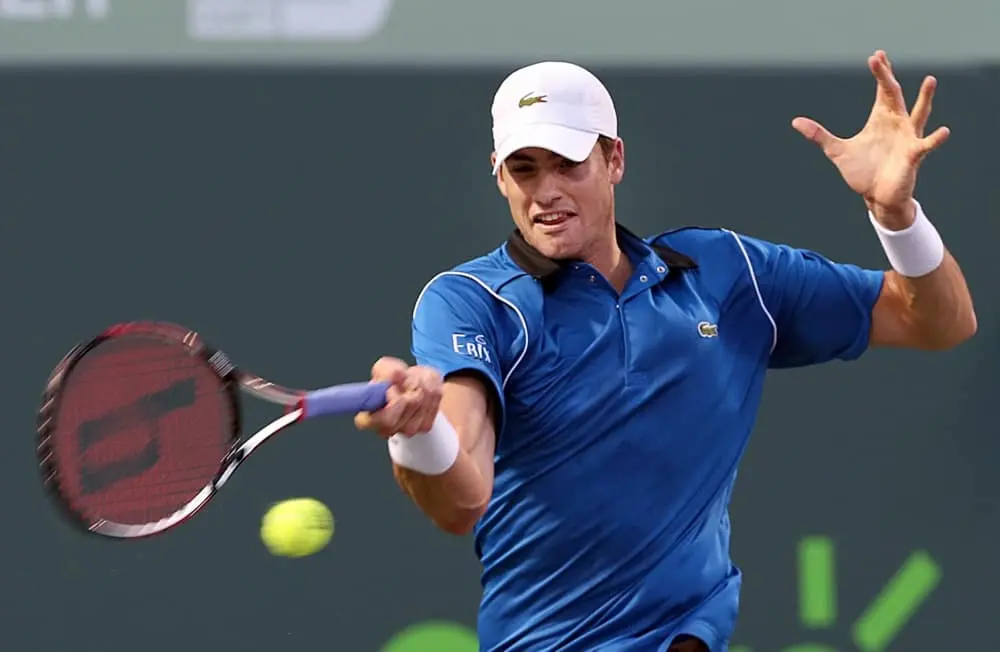
As the tennis circus carries on in Asia, John Isner, Sam Querrey, Jack Sock, and Steve Johnson all reminisce on their previous memories of playing in Asia on their podcast Nothing Major. They also touch on the ATP University, picking the worst player in the top 100 off each aspect of their game, and who out of Carlos Alcaraz, Jannik Sinner and Novak Djokovic is more likely to reach 25 Grand Slams first.
Asia swing difficuties
The Asian swing directly follows the North American hardcourt swing, which features two Masters 1000 events, and the final Grand Slam of the year in New York. From then, players normally would directly travel across the world to once again compete. The travelling does take its toll, with Querrey finding it hard to adjust at times.
"I always felt like it was," he said. "Going from the States over to China was so hard to adjust to. Those first few days of practice were rough—you’re up so early, just not settled." Johnson backed his colleague up, saying: No matter where you’re coming from—West Coast, East Coast, Europe, Australia—Beijing and Tokyo always felt like a full 12-hour time change. Even if it wasn’t exactly that, it felt like it. And honestly, I never really adjusted."
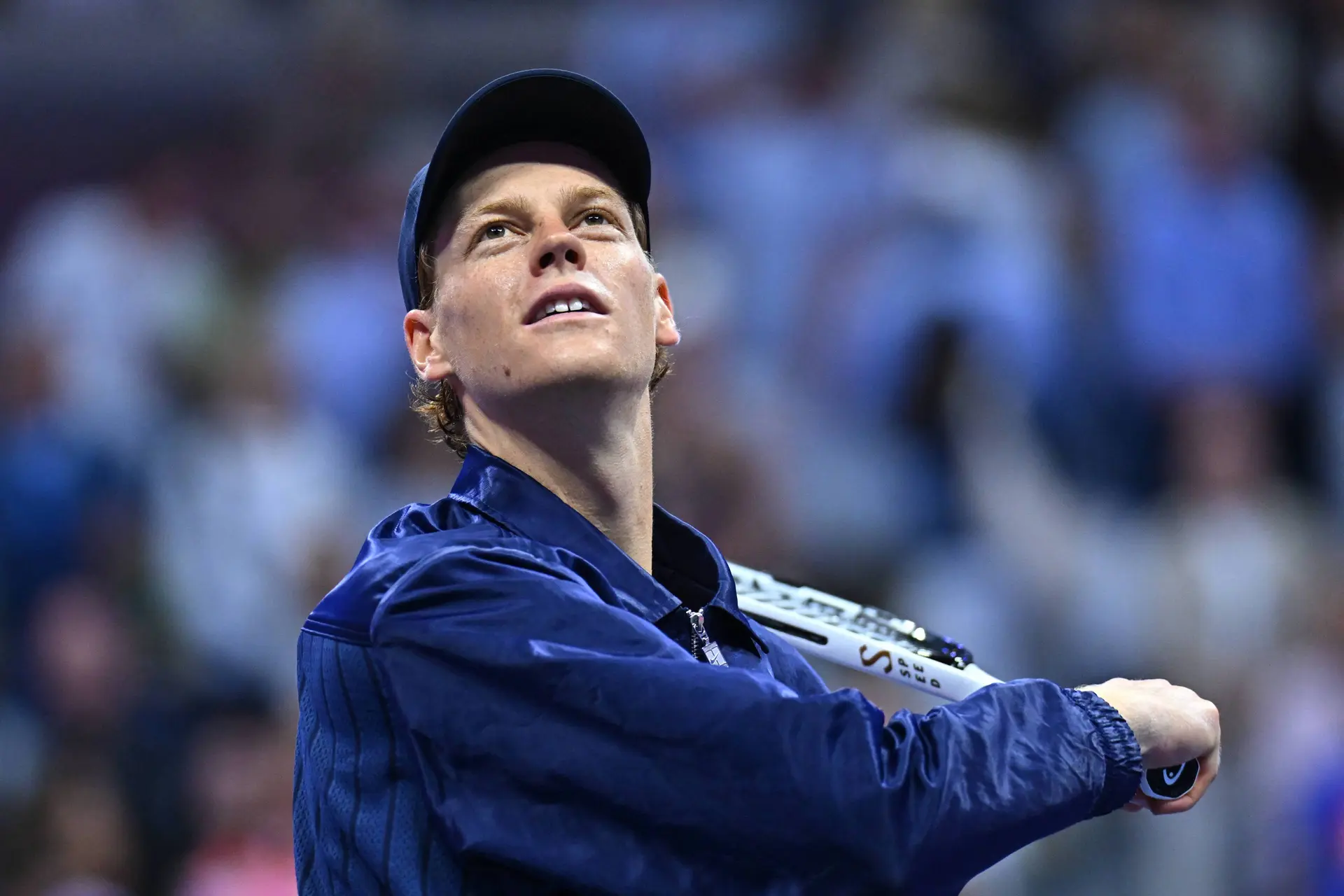
One of the main events is the Beijing Open, with all four players relieving their memories from participating in the event, touching on the atmosphere. "It was never that sunny, kind of smoggy," Isner said. "You’d wake up and it felt like there wasn’t a lot of energy. Even at the courts, it wasn’t buzzing." Querrey followed by saying: "In Beijing, as big as the tournament is with all that prize money, you sometimes played on Moon Court or Lotus Court and it felt dead."
"Everyone looked ghostly white, no tans," Sock said. "Fifteen years ago, there were basically no crowds. It’s better now, but still kind of weird energy." "The fans were almost too respectful—clapping only between points," Johnson said. "At other events, you get juice from the crowd, noise, yelling. In Beijing, it was so quiet, it was hard to fire yourself up."
Despite this, Querrey admitted that his opinion on it changed, as he started to enjoy it later in his career. "I actually came to like it later in my career. At first I hated it, but the last ten years or so, once you’re there, it was fine—low stress compared to the U.S. Open. Just hanging with your buddies and trying to win some matches."
They went on to debate which tournament was better to play in between Beijing and Tokyo. Comprehensively, they all said Beijing with money a huge factor. "Honestly, I don’t get it. Beijing’s prize money is nearly double—$750k for the winner compared to $416k in Tokyo. Doubles money in Beijing is way better too," Querrey said. "So unless you’ve got sponsor obligations, I don’t see why you’d pick Tokyo over Beijing."

Sam Querrey
Media training
With there being so many interviews and players constantly being under the spotlight, the ATP created the 'ATP University'. Isner explained this by saying: 'No one is really media trained, but the ATP does have 'ATP University.” Once you make the top 100, you have to go — it’s mandatory. They hold a few each year in places like Orlando or London with 10–12 newcomers. It’s a three-day course on media, how to take care of your body, financial responsibility, things like that. Honestly, it felt kind of annoying — after traveling all year, the last thing you want is three more days of school. But the ATP is covering themselves, saying they’ve done their part."
Johnson had other priorities aside from the training: "Jack and I did ours around the same time, right before Miami. It was basically an excuse for everyone to go out three nights in a row." When Querrey asked the group if anyone took anything from this, they all unanimously said: "No," with Querrey responding: "I just kept the diploma. Couldn’t tell you one thing they taught us. It was all common sense anyway."
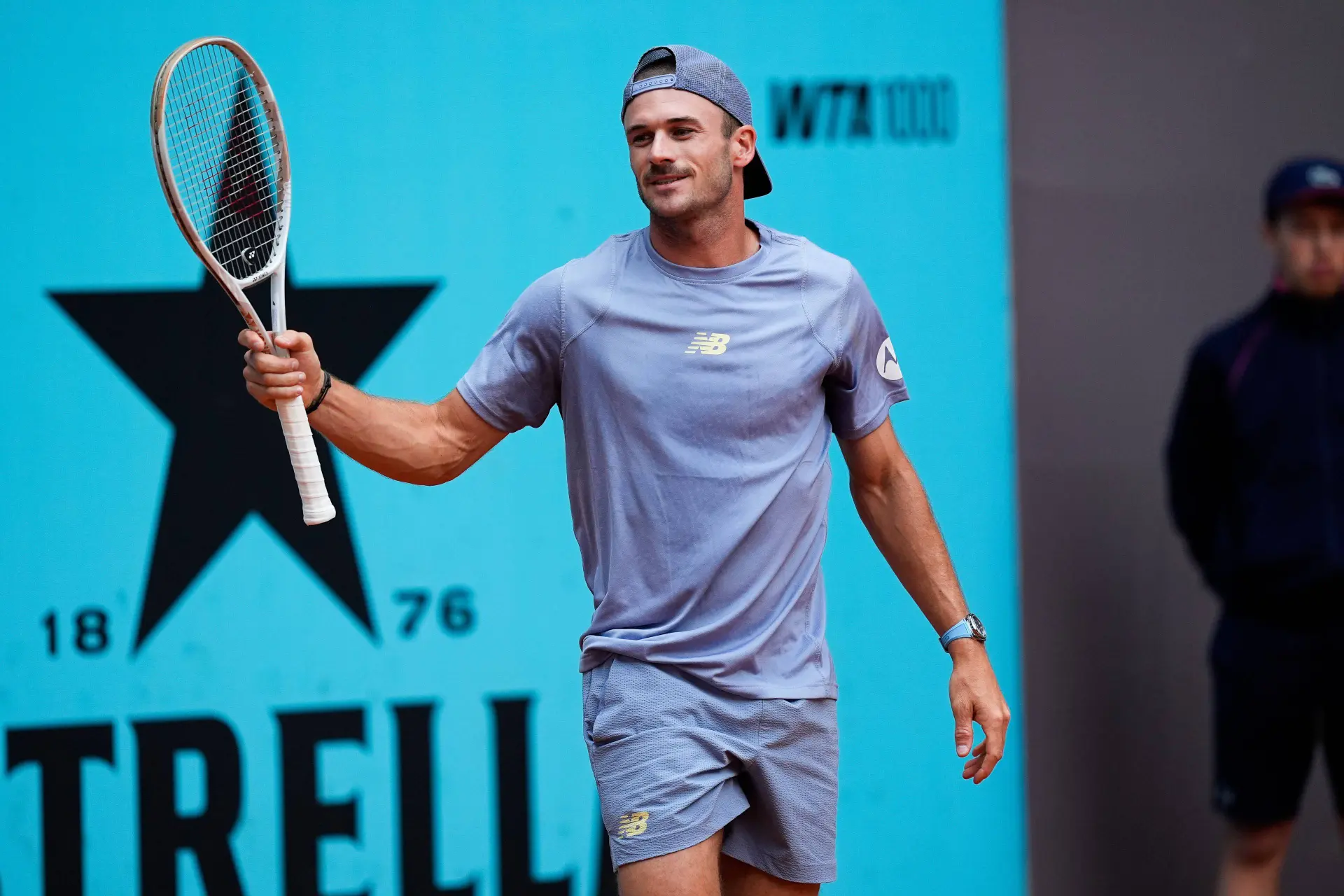
Sock switched up the conversation, as he said: "Do you remember the Harlem Shake craze? Our whole ATPU class did one. I think Stevie and I were in the same group. We’ve got to find that video." "That was like 2012 or 2013," Isner said. "Would be funny to see which ATPU class was the best draft class."
Who to reach 25 Grand Slams first: Alcaraz, Sinner, Djokovic
With 24 Grand Slam, Djokovic should on paper be the most likely to reach the magical 25 mark first, but they decided against it, all favouring Alcaraz, despite trailing the Serbian by 17 majors. They even though Sinner had more chance of reaching 25 than Djokovic.
"I'll take Carlos," Querrey said. "That is terrifying to say. I go back and forth between Sinner and Alcaraz. Before the US Open, I was Team Sinner. After the US Open, I switched back to Team Alcaraz. It could flip again next year."
"Yeah, I agree. Carlos might win like 40 titles," Isner boldly said. "For me, Sinner and Carlos are 50–50, then Novak third — which is scary to say. Novak even said it himself — it’s hard, late in a Slam, to beat these two guys in three out of five. He fell short at Roland Garros, Wimbledon, the US Open — and Australia too. He needs someone else to take one of them out."

John Isner
Worst draft
The four of them picked out their worst player from the each top 100 based on a specific skill set. For serve, they went Jenson Brooksby, with one of the best servers in the game Isner saying: Our fellow American. Jensen Brooksby. "Great game apart from the serve. He even won a title this year, but his serve… yeah."
Benoit Paire got the honour of chosen for worst forehand, before Jonshon was nominated to have the worst backhand, which he sportingly accepted. "Fair enough. My slice was fine, but two-handed… yeah, not great." Another American, Reilly Opelka, was voted as the worst volleyer, while Petros Tsitsipas was picked for worst return. "His return stats are diabolically bad. I’m still buying stock in him long-term, but right now, return is his weakness," Isner said. The American would then nominate himself on movement, stating: "I’ll take it. My movement ratio to size was pretty bad."
"That’s a horrible player we just created — Brooksby’s serve, Paire’s forehand, Stevie’s two-handed backhand, Opelka’s volleys, Petros’s return, and Isner’s movement. Definitely not top 500."

Lucas MichaelTennis Journalist
Lucas Michael is a tennis journalist based in Cambridge, UK, specializing in comprehensive coverage of the ATP and WTA tours. For the past 1.5 years, he has been a core contributor to TennisUpToDate, where he has authored more than 3,000 data-driven match reports, deep-dive analysis pieces, and engaging liveblogs.
Lucas pairs real-time statistical analysis with on-the-ground reporting, frequently traveling to tournaments to cover the action firsthand from the press box and player press conferences. This blend of advanced metrics and direct access allows him to provide sharp context regarding player form, tactical trends, and breaking tour developments.
He holds a BA (Hons) in Sports Journalism. Grounded in core journalistic ethics, Lucas places a strict emphasis on meticulous sourcing, editorial accuracy, and a commitment to updating live content swiftly as verified information emerges.
claps 0visitors 0
Just In


Popular News
Latest Comments
- Two Things: 1. Stop allowing these Spoiled Trust-Fund Elitists to behave badly. Your little hand-slaps do not deter them. 2. STOP the incessantly annoying "towel wiping" nonsense!!!!
 mandoist15-10-2026
 - A healthy Qinwen may be hard to stop next season. She was already scaring her opponents before her medical leave(s). Unfortunately, Zheng insisted on singing again. On the positive side -- Mirra did not sing!! ;~}mandoist11-10-2026
- Where is it written that athletes, entertainers... People in general... are mandated to keep looking at -- or even using [anti]Social Media? Public & private figures consistently complain and reveal their concerns about negativity and violence thrown at them -- yet they insist on participating. Avoid it, don't use it, don't read it. It's okay to occasionally look up at the World instead beating your eyes & thumbs to death on The Inventions out there.mandoist11-10-2026
- great articlestennisseserver07-10-2026
- Medvedev was leading Djokovic 7-5, 3-5 when an attempted return..' NO you ignorants, Djokovic was leading .weiss05-10-2026
- No more bullshit "Wildcards" to these two. Qualify like everyone else -- there will be cameras there, too. Time to scream... WTF ????!!!!mandoist29-09-2026
- Let's not BS the general public -- Sabalenka started showing cracks in her game last season. Her losses and near-losses started at about the same time she began being distracted by Fame (constant Selfies, making TV commercials, magazine shoots, endless Social Media nonsense, etc., etc.) One would think even Saba could recognize the parallels with others who failed before her -- Raducanu, Giorgi, Bouchard to name a few.mandoist25-09-2026
- Gross!! Hey Raducanu, Giorgi, and Bouchard -- reserve a seat at your Social Media Selfie table for Saba + Naomi. They're heading in your direction soon enough.mandoist24-09-2026
- And then these same players will complain about how lengthy their season’s were and need more time-off. I’m all for more tennis but the amount of tennis we get now is actually kind of crazy! We all need a break, especially the players.DaveyWavey23-09-2026
- You should do a comparison article for "different kinds of justice" the courts decide for tennis players. I can think of at least three players who received very small bans of a few months, however Tara Moore has been fighting for her literal survival the past few years. It seems odd considering she is not a "name" player, unlike the other cases.DaveyWavey22-09-2026

Loading