Novak Djokovic just exposed the biggest problem Alexander Zverev still has — and it could decide his next Grand Slam
ATP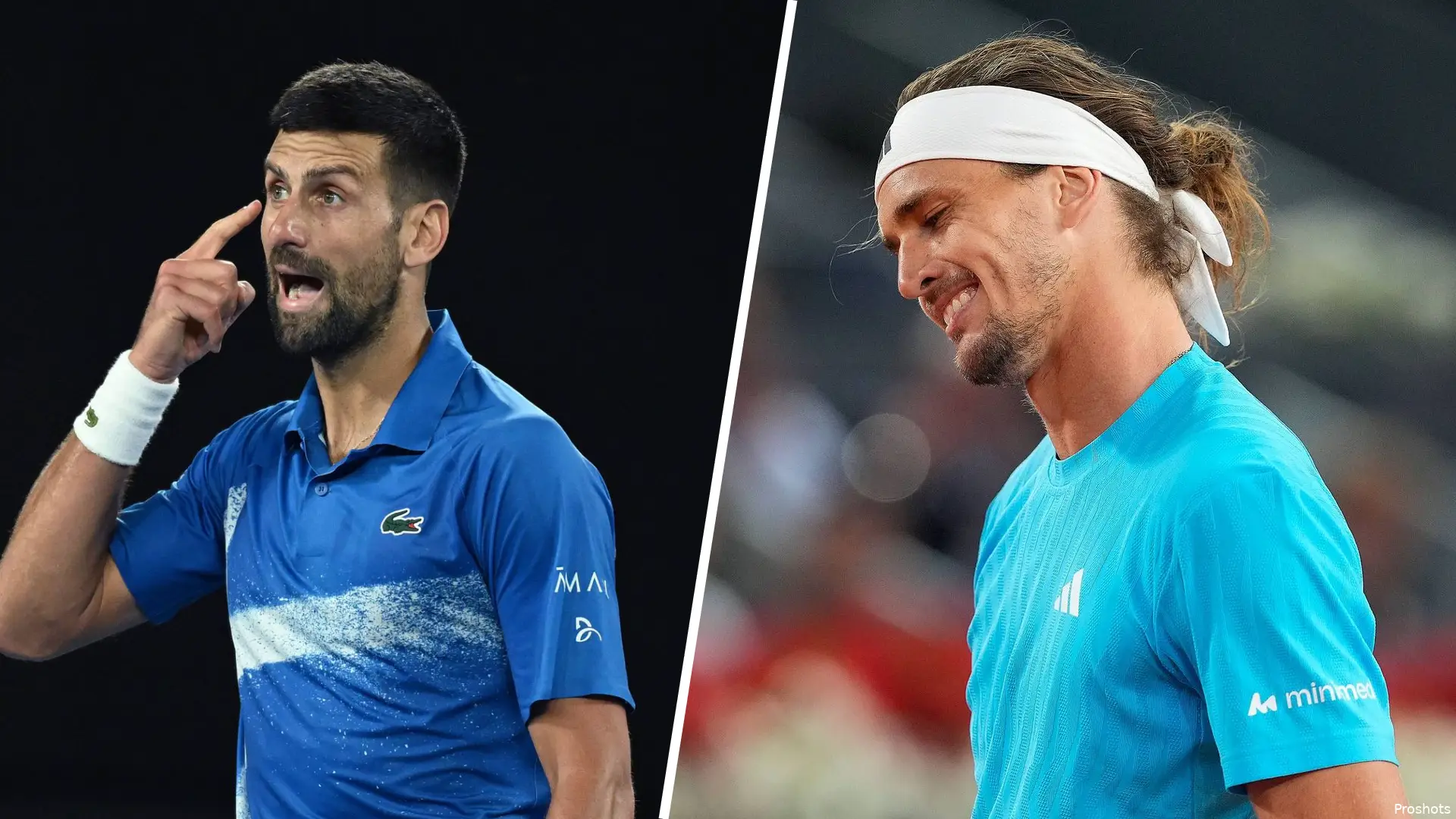
Alexander Zverev arrived in Sunday's Beijing quarterfinal with a 54-12 record for the season, a nine-match winning streak, and a genuine shot at the world No. 1 ranking if he kept winning through the week.
Novak Djokovic arrived without a title all year, openly struggling with his physical condition in earlier rounds, and ranked down at No. 11 after a season defined as much by his body letting him down as by anything happening across the net. By most reasonable measures, this was the form player against the fading one.
Djokovic won anyway, 4-6, 6-4, 6-4, in two hours and 34 minutes — extending his own absurd personal record in Beijing to 32-0, the best start to a tour-level event by anyone in the Open Era. But the more significant number from Sunday has nothing to do with Djokovic's history at this specific tournament. It's that the head-to-head between these two now sits at 10-5, and Djokovic has won three of the four meetings since 2023.
How Djokovic dragged Zverev into uncomfortable rallies
Zverev started well, breaking early and closing out the first set 6-4 behind the kind of clean, aggressive hitting that has defined his season. He did have some trouble before closing out the set, facing a couple of break points, but found the necessary solutions to stay strong on serve and protect his lead.
The shift came late in the second set, after both players had held serve comfortably through 4-4. Djokovic faced a break point on his serve, giving Zverev a huge chance to move ahead at a crucial moment, but the opportunity slipped away. Djokovic survived and quickly broke in the following game with his first chance.
The third set followed a similar shape. Both players held serve deep into the set, with neither finding daylight until Djokovic finally broke in the tenth game, converting one of two break-point chances to close out the match.
That's the pattern worth noticing: Djokovic did not overwhelm Zverev with sustained dominance across three sets. He lost the first set cleanly, then found exactly enough in exactly the moments that mattered in the second and third — a small number of break points, converted at the right time, against a player who otherwise held his game together for most of the match.
Djokovic's head-to-head history against Zverev has consistently followed a similar pattern. Including Sunday's result, Djokovic now leads 10-5 overall and has won three of their last four meetings since 2023, with the only exception being his retirement against Zverev in the 2025 Australian Open semifinals. The Serbian once again showed that he still has what it takes to beat a player at the very top of the game, including a two-time Grand Slam champion who is fighting for the No. 1 ranking in the coming weeks.
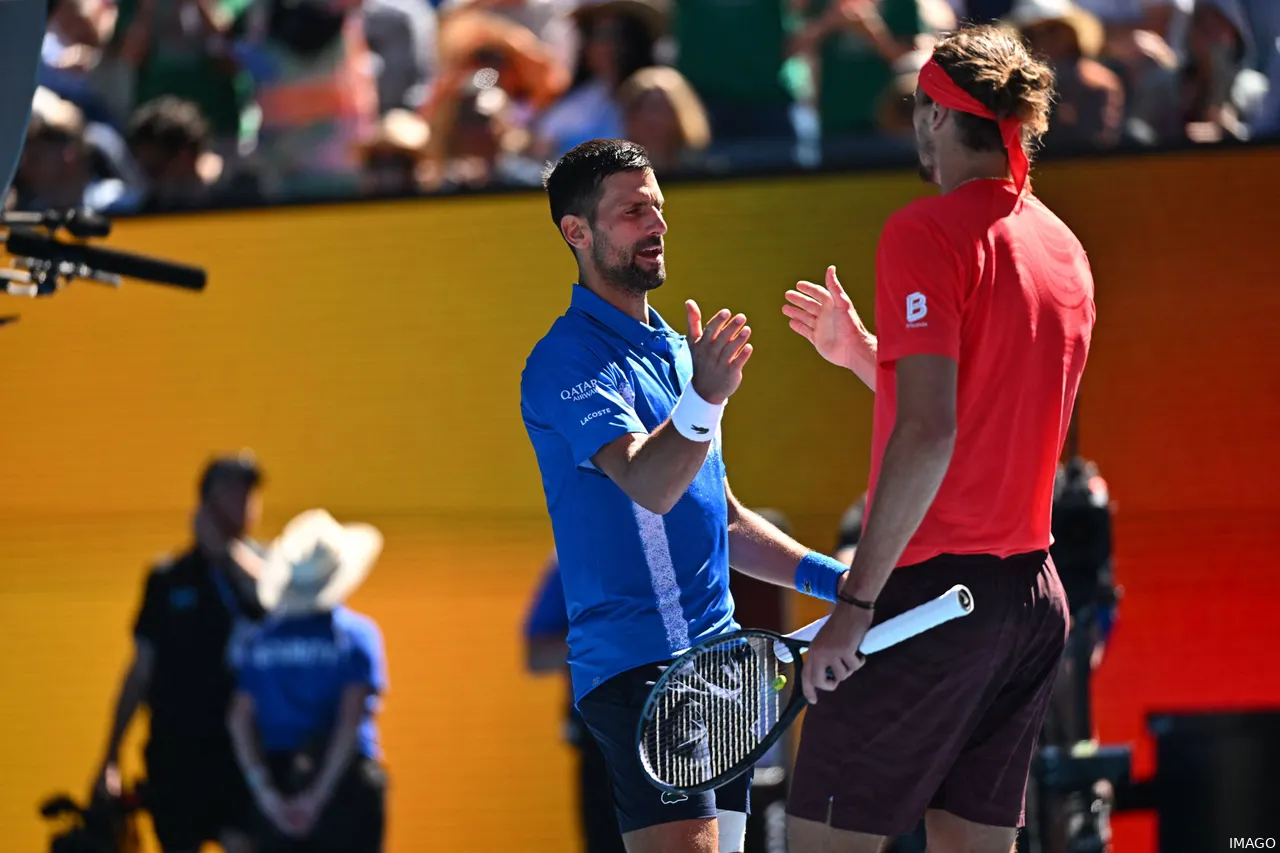
Djokovic with Zverev.
Djokovic vs. Zverev: the recent record
| Year | Event | Round | Winner | Score |
| 2026 | Beijing | Quarterfinal | Novak Djokovic | 4-6, 6-4, 6-4 |
| 2025 | Roland Garros | Quarterfinal | Novak Djokovic | 4-6, 6-3, 6-2, 6-4 |
| 2025 | Australian Open | Semifinal | Alexander Zverev | 6-7, ret. |
| 2023 | Cincinnati | Semifinal | Novak Djokovic | 7-6, 7-5 |
That's the uncomfortable detail sitting underneath Zverev's best season. He's solved almost everyone else on tour well enough to win two Grand Slam titles and climb to world No. 2. He has not solved Djokovic, who's beaten him in both of their meetings since Zverev's major breakthroughs began — including on Sunday, against a version of Djokovic who was, by every other measure, the clearly inferior player coming in.
The form gap that makes this result even stranger
The contrast in each player's season heading into Sunday makes the result harder to explain away as a fluke of matchup styles. Zverev came in on a nine-match winning streak with a 54-12 record, firmly established as the tour's form player and a genuine threat to finish the year at No. 1. Djokovic, by contrast, hadn't won a title anywhere in 2026, had dropped from No. 4 to No. 11 over the same six-month stretch Zverev climbed from No. 3 to No. 2, and had visibly struggled physically in his earlier matches in Beijing.
That gap is exactly what makes Sunday's result worth taking seriously. A diminished Djokovic beating a red-hot, newly multi-major Zverev isn't the version of this story that "anyone can have a bad day" usually covers. It's the version where a specific stylistic or psychological problem keeps resurfacing regardless of which player is in better form heading in.

Alexander Zverev GER with US Open Trophy after beating Ben Shelton
The form gap that makes this result even stranger
The contrast in each player's season heading into Sunday makes the result harder to explain away as a fluke of matchup styles. Zverev came in on a nine-match winning streak with a 54-12 record, firmly established as the tour's form player and a genuine threat to finish the year at No. 1. Djokovic, by contrast, hadn't won a title anywhere in 2026, had dropped from No. 4 to No. 11 over the same six-month stretch Zverev climbed from No. 3 to No. 2, and had visibly struggled physically in his earlier matches in Beijing.
That gap is exactly what makes Sunday's result worth taking seriously. A diminished Djokovic beating a red-hot, newly multi-major Zverev isn't the version of this story that "anyone can have a bad day" usually covers. It's the version where a specific stylistic or psychological problem keeps resurfacing regardless of which player is in better form heading in.
Why this matters for Zverev's next Grand Slam
Zverev's 2026 breakthrough has already proven he can beat the rest of the sport's elite when it matters most — two major titles are not won by accident. What Sunday reinforces is that Djokovic remains a specific, unresolved exception to that progress, and with Djokovic still competing at Grand Slam level, a potential meeting between them at any major going forward carries a different kind of risk for Zverev than it would against almost any other name left in the draw.
Read also
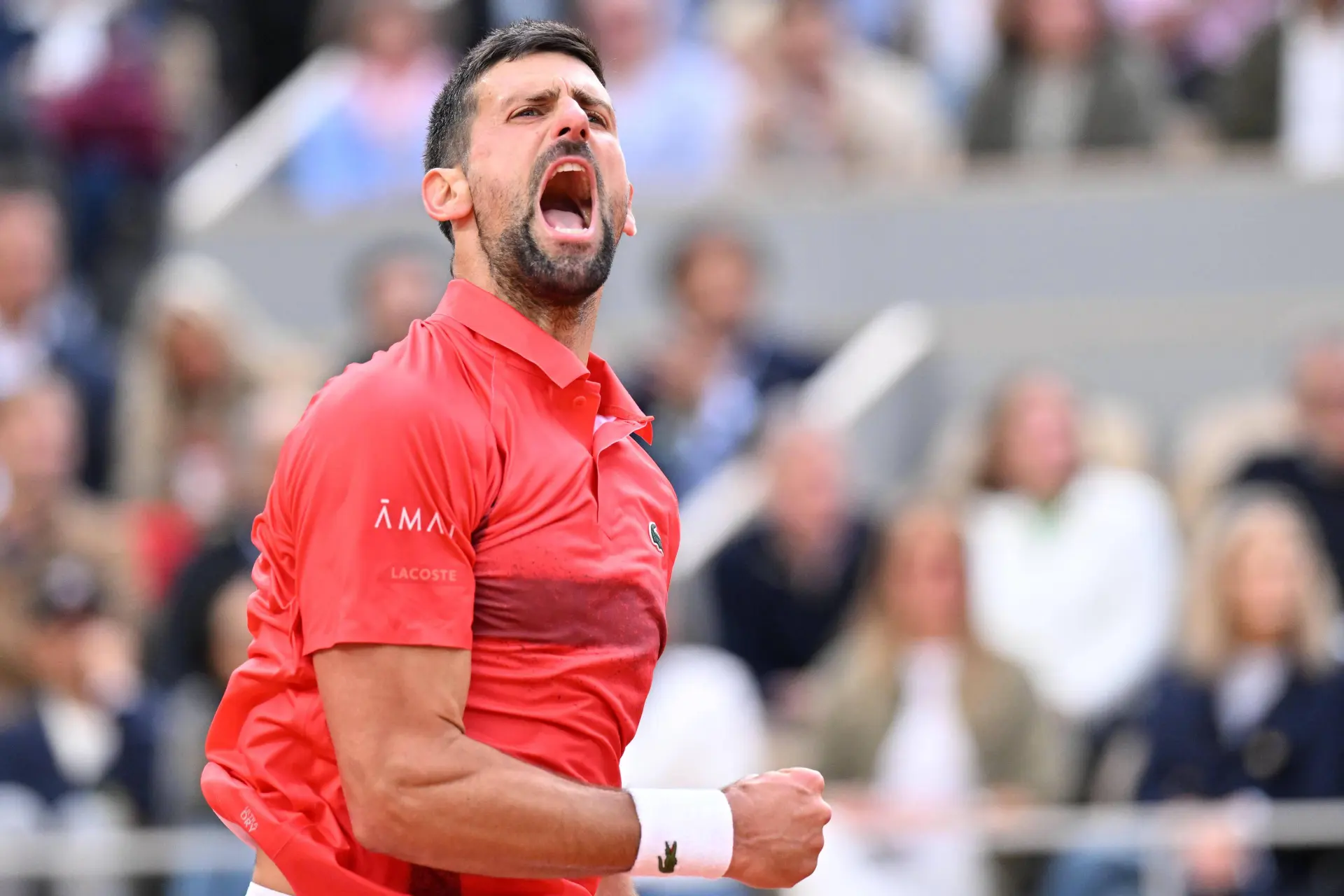
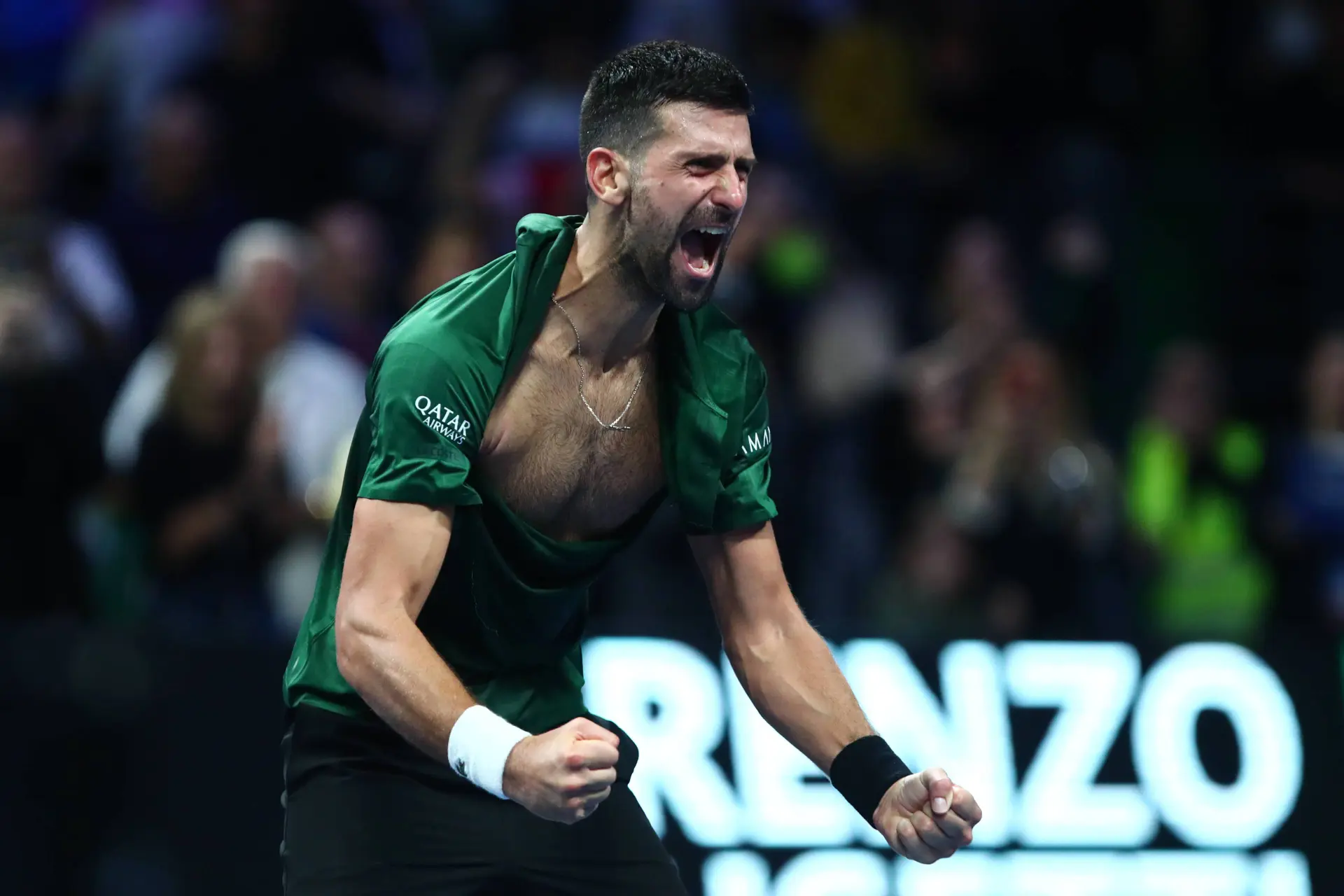
Djokovic has beaten Zverev in three of their last four meetings. Alcaraz has won four of their last five, while Sinner has won their last 10 consecutive meetings. The signal is clear: Zverev can be dominant against much of the Tour, but he still appears to be a step behind the three biggest names on Tour. For someone hoping to reach the top of the rankings in the coming weeks, that is a clear sign that the rankings may not necessarily reflect who is playing at the higher level.
The reality is that Zverev — despite his losses against his biggest rivals — is the player who has found the most consistency, maintaining his competitiveness throughout the entire season and practically without facing injuries. That is a value in itself.

Cristhián AvilaTennis Journalist
Cristhián Ávila is a tennis journalist based in Santiago, Chile, and has been part of the TennisUpToDate team since early 2023. He covers the ATP and WTA Tours as well as all four Grand Slams, producing breaking news, match reports, analysis, and regular liveblogs from major tournaments.
His reporting combines statistical analysis with clear explanation, helping readers understand tactical developments, player form, and broader storylines across the tour. Working fluently in both Spanish and English, Cristhián collaborates with an international editorial team and contributes to comprehensive global coverage. As part of his work, he has conducted interviews and media interactions with leading figures in the sport, including Caroline Wozniacki and John McEnroe.
In his journalism, Cristhián places strong emphasis on careful sourcing, editorial accuracy, and updating articles promptly when new, verified information becomes available. His coverage is grounded in research, context, and direct engagement with professional tennis.
claps 0visitors 0
Just In

Popular News


Latest Comments
- Can you please stop publishing this nonsense? Stick to Tennis.
 mandoist25-10-2026
 - Bye, Bye Saba!!mandoist25-10-2026
- Does Sinner need that 4.5 mil? I doubt it. He can make that with three modelling gigs!😅🤣Rapunzel21-10-2026
- Did "People Magazine" purchase this website? This nonstop storyline is bullshit.mandoist21-10-2026
- Listen... this is of no concern to anyone but these two. Deal with your own issues -- most of us have our own. Thanks, media, for these insignificant follow-ups which are meaningless.mandoist21-10-2026
- This is so very very sad, for all three of them. I truly thought they had an unbreakable bond, but life throws up so many differing challenges. Having your homeland suffering in such a terrible way, makes happiness lose out to guilt as well. Our thoughts are with them. X💔bjsexton20-10-2026
- I have lost all respect for Svitolina! Could she not have waited until he had played at the Paris Masters!!! She is selfish and don't give a damn about Gael. That is NOT how love is demonstrated Elina!!Rapunzel19-10-2026
- Perhaps convenient tennis tour sex is not a strong enough experience in which to base a marriage?mandoist19-10-2026
- Fight the Good Fight... Tennis (sports in general) need more Humans such as yourself.mandoist18-10-2026
- When is WTA going to mandate Genetic Testing (DNA) ???mandoist18-10-2026

Loading