Denis Shapovalov was not impressed — and Rafael Jodar has now responded to bizarre Cincinnati moment
ATPMonday, 17 August 2026 at 15:26
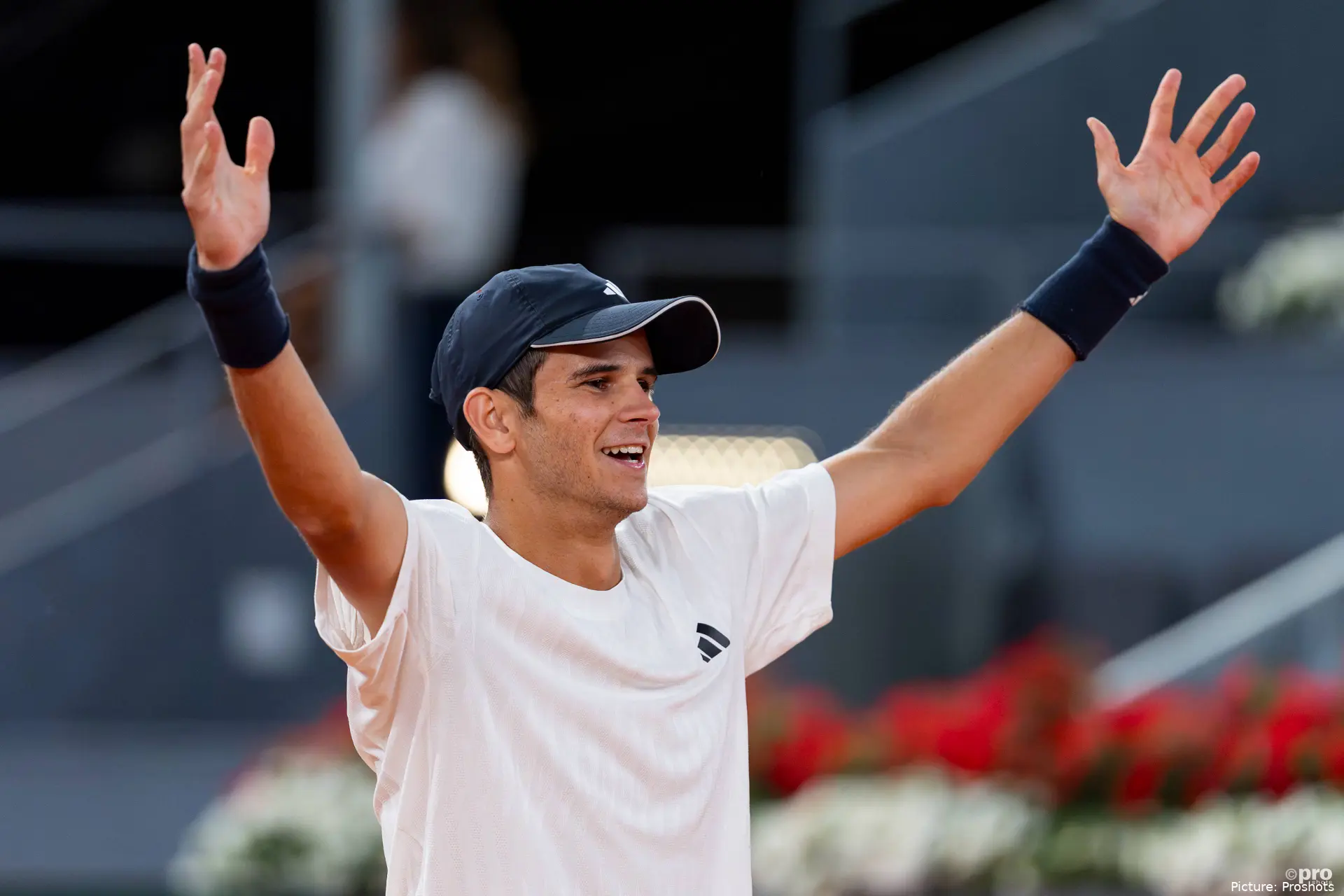
The incident became particularly notable because it was not the first time Jodar had encountered problems with his footwear during the North American swing. On this occasion, he had to return to his bench and change shoes after his shoelaces broke, giving Shapovalov another reason to question the interruption.
Jodar, however, did not want to turn the aftermath into a dispute with his opponent. Instead, when asked about the incident after the match, he focused on the practical problem and acknowledged that he needs to be better prepared if the same situation occurs again.
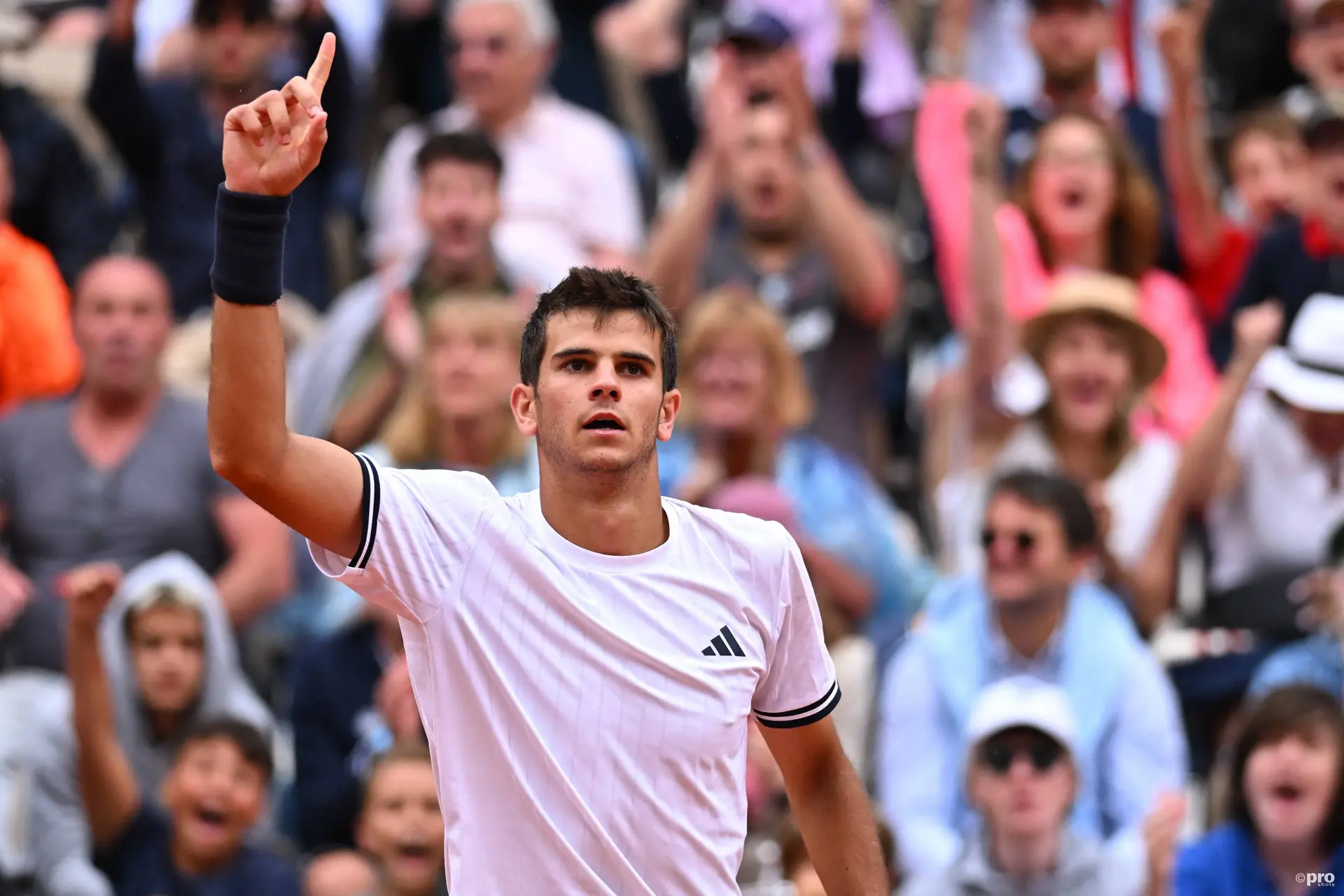
Jodar explains the shoelace incident after Shapovalov's complaints
The teenager was asked directly about Shapovalov's reaction and whether he understood the Canadian's frustration.
Jodar's response was measured, insisting that the stoppage was caused by something outside his control rather than an attempt to disrupt his opponent's rhythm. “It’s something I can’t control, honestly. My shoelaces broke, and I needed time to prepare new ones,” Jodar said at press conference..
There was, however, one obvious lesson for the Spaniard. After experiencing similar problems more than once, he knows that carrying alternatives could prevent another interruption from becoming a talking point.
“I’ll try to have some shoelaces prepared for the next match or other sneakers, so I can reduce the downtime if the same thing happens to me again,” he added.
The controversy ultimately became secondary to what happened once play resumed. Jodar had been staring at defeat at 1-5 in the deciding set, but suddenly found another level, saving two match points and taking advantage of Shapovalov's inability to close out the match.
I don't think I have laughed this hard at a tennis moment in a long time pic.twitter.com/vf4wAM4Hvj
— Jo 🎾🏎 (@notlimah44) August 16, 2026
The comeback also continued a remarkable stretch for Jodar, who has emerged as one of the biggest stories of the North American hard-court swing. After deep runs in Washington and Montreal, he is now continuing to collect major wins against established ATP opposition.
Asked about the match itself, Jodar pointed to his ability to control his emotions rather than any single technical adjustment. The teenager has repeatedly shown an ability to remain competitive deep into matches, and Cincinnati provided perhaps the clearest example yet.
“I knew it was going to be a very tough match. Shapovalov is a great player, and the pressure is maximum in all Masters 1000 matches,” the world No. 11 said. “I have to play my best tennis if I want to win matches in these tournaments.”

The Spaniard also recognized the significance of adapting quickly to the conditions and the demands of the Masters 1000 level. Cincinnati arrived after an intense North American schedule, but Jodar was able to produce his biggest tennis when the match appeared to be slipping away.
“I believe that what I did best today was managing my emotions at key moments, especially in the third set,” he said.
That mental resilience is becoming one of the defining characteristics of Jodar's breakthrough. The teenager has now built a reputation not simply for his level of tennis, but for his ability to keep fighting when matches appear beyond reach.
His Cincinnati run will continue against Alejandro Tabilo in the third round. With another opportunity against an established opponent ahead, Jodar will hope the next story is about his tennis rather than his shoelaces.

Cristhián AvilaTennis Journalist
Cristhián Ávila is a tennis journalist based in Santiago, Chile, and has been part of the TennisUpToDate team since early 2023. He covers the ATP and WTA Tours as well as all four Grand Slams, producing breaking news, match reports, analysis, and regular liveblogs from major tournaments.
His reporting combines statistical analysis with clear explanation, helping readers understand tactical developments, player form, and broader storylines across the tour. Working fluently in both Spanish and English, Cristhián collaborates with an international editorial team and contributes to comprehensive global coverage. As part of his work, he has conducted interviews and media interactions with leading figures in the sport, including Caroline Wozniacki and John McEnroe.
In his journalism, Cristhián places strong emphasis on careful sourcing, editorial accuracy, and updating articles promptly when new, verified information becomes available. His coverage is grounded in research, context, and direct engagement with professional tennis.
claps 0visitors 0
Just In

Popular News
Latest Comments
- PRIZE MONEY & POINTS Winner - $185,500 Finalist - $114,500 Semi-Finalist - $66,003 Quarter-Finalist - $35,000 Round of 16 - $18,045 Round of 32 - $13,005 Winner - 500 Finalist - 325 Semi-Finalist - 195 Quarter-Finalist - 108 Round of 16 - 60 Round of 32 - 1DaveyWavey20-09-2026
- Pegula withdrew from this Singapore event
 tennishappens19-09-2026
 - Serena Williams chose her tournaments. It's not such a bad idea.MuswellHillbilly17-09-2026
- This child is just too fragile. Step away from tennis for a year. Get healthy, get fit; train hard;ranking be damned, and come back as strong contender. Anisimova did it. So can Emma.Rapunzel17-09-2026
- Double standards, what can be said!? Venus is p**ing on media and public. Can't face defeat. Cowerdness! Shouldn't be given any other wild cards ever. That's gross disrespect.DragosJacob16-09-2026
- Anywhere is better than Saudi Arabia!DaveyWavey16-09-2026
- He'd be a perfect coach for Rafael Jodar.DaveyWavey16-09-2026
- This financial 'chump-change' means nothing to Saba. Her vacuity likely cannot fathom the "problem" with her unprofessional actions and reactions in general. The racquet smash is not my focus. My focus was/is on her distasteful, totally unprofessional, disgusting facial expressions and eye-rolls while standing behind Elena as she spoke on the podium. This woman needs a degree of therapy for her True Attitude(s). She is not fooling anyone within the WTA circles with her post-match winner "humor" and smiley behavior. Her True Self comes out when losing a set/match and as a runner-up on the podium.
 mandoist16-09-2026
 - When will this repetitive "news" and wishful thinking stop?mandoist16-09-2026
- WTA has been unfairly ignoring Elena ever since Wimbledon. Arguably biased against her. Same with the most major sponsors whom normally pounce on the Wimbledon Winners for sponsorship. Didn't happen. Her unfair treatment was always in Lena's subconcious; how she was largely ignored after Wimbledon. Her sister helped her a lot during that period. Next came illnesses and minor injury. A lot of time was lost, and physical (mental?) issues were frequent, as she fought through the absurdiy and general nonsense brought-on by her coach/partner. He was a Loser then, he's a Loser still. Although he has lowered his attitude, volume, and non-stop yapping from the box since he wore the organizations out with his non-stop legal letters begging for mercy and ultimately fully reinstated. Rybakina deserves all the accolades others have enjoyed and more for her strength and will to succeed. Hope it continues.mandoist15-09-2026

Loading