“That’s why I left the court unhappy”: Carlos Alcaraz explains why Rublev was “unplayable” in practice
ATP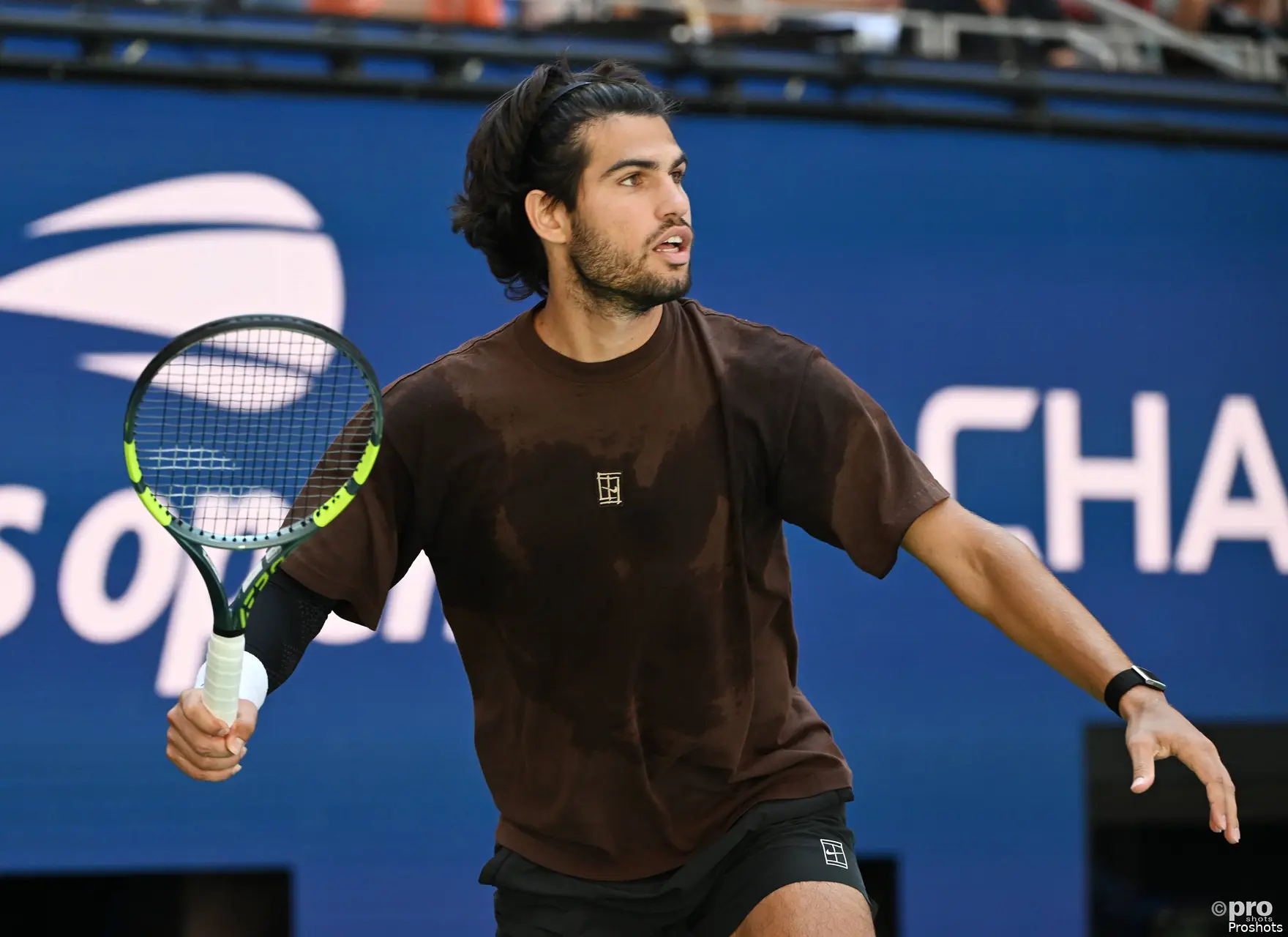
Carlos Alcaraz has revealed why a practice session against Andrey Rublev left him frustrated, despite believing he had played well. The Spaniard lost 6-2 to the Russian on Sunday's practice before the Vienna Open, explaining that Rublev's relentless power from both wings made it almost impossible for him to play aggressively or take control of their rallies.
Although the defeat initially left Alcaraz unhappy, he insisted that the session was not necessarily a negative experience. Instead, the four-time Grand Slam champion focused on the positives in his own game and the lessons he could take from facing an opponent who gave him so little room to dictate play.
The practice session came as Alcaraz continues working towards regaining the consistency he displayed earlier in the season. The Spaniard has acknowledged that he is still making progress following his injury layoff, although he remains unsure how close he is to his previous level.
Alcaraz offered those insights after opening his campaign at Vienna with a hard-fought 6-4, 7-6(5) victory over Karen Khachanov. He will next face either Austrian wildcard Jurij Rodionov or Nikoloz Basilashvili, who recently reached the Almaty final and defeated Daniil Medvedev during his run.
“That’s why I left the court unhappy”: Alcaraz explains why Rublev was “unplayable” in practice
Alcaraz was asked about his practice session with Rublev on Sunday, during which the Russian secured a 6-2 win. While the scoreline might have suggested a one-sided encounter, the Spaniard explained that the session was more complicated than the result alone indicated.
“Of course. Sometimes it's really difficult to see the reality of the things, you know. When I was practicing with Rublev, I lost 6-2, but I was playing good," Alcaraz said. "He was unplayable, ripping every forehand, hitting the ball really hard with the backhand. I couldn't be aggressive at all, not even one or two shots. That's why I left the court a little bit unhappy, but at the same time thinking, all right, I'm doing the right things."

The Spaniard's assessment highlighted the challenge of facing Rublev when the Russian is striking the ball with such authority. His powerful forehands and aggressive backhands prevented Alcaraz from dictating rallies, leaving him unable to use his usual attacking game.
However, Alcaraz was keen to distinguish his frustration at being unable to impose himself from any broader concerns about his own performance. Rather than judging the session solely by the score, he concentrated on the aspects of his game that had worked well.
“You know, sometimes in tennis you're playing against someone and they try not to let you play sometimes, but in those days I just left the court thinking about what I've done great. I think that day I did a lot of good things, to be honest. I learned a lot from those days as well,” he added.
That perspective offers an insight into how Alcaraz is approaching his return to competition. Facing an opponent who takes time away and consistently hits through the court can be frustrating, but it also provides an opportunity to assess his level against elite opposition without treating every difficult session as a setback.
“I’m not sure I can answer that”: Alcaraz assesses his progress after injury
Alcaraz was also asked how close he believes he is to the level he reached earlier in the season. While his performance against Khachanov provided encouragement, the Spaniard admitted that he could not put an exact measure on his progress.
“Well, I'm in the right way. I think I'm doing the right steps. So I'm just happy with everything I've been doing lately. We could see today, I think today I just played a great tennis," he explained. "What I really wanted to get is about the consistency that I got at the beginning of the year, of playing such a great tennis or finding the solutions during every match."
"That's the level, that's the thing that I want to get back and I think I'm doing the right steps. Where am I from that? I'm not sure I can answer that, but I'm on my way."
The key objective for Alcaraz is to rediscover the consistency that allows him to maintain a high standard throughout a match and find solutions when circumstances become difficult.
The Spaniard also believes that his interrupted season could have one advantage: he has not accumulated the same mental fatigue that can build up after months of competing week after week.
“Right now, obviously, I haven't played too many matches, you know, in the year, which that means, you know, probably mentally I'm not that exhausted that I might be if I've been playing the whole season. And I'm going to try to take that as an advantage for me, to be honest.
Read also
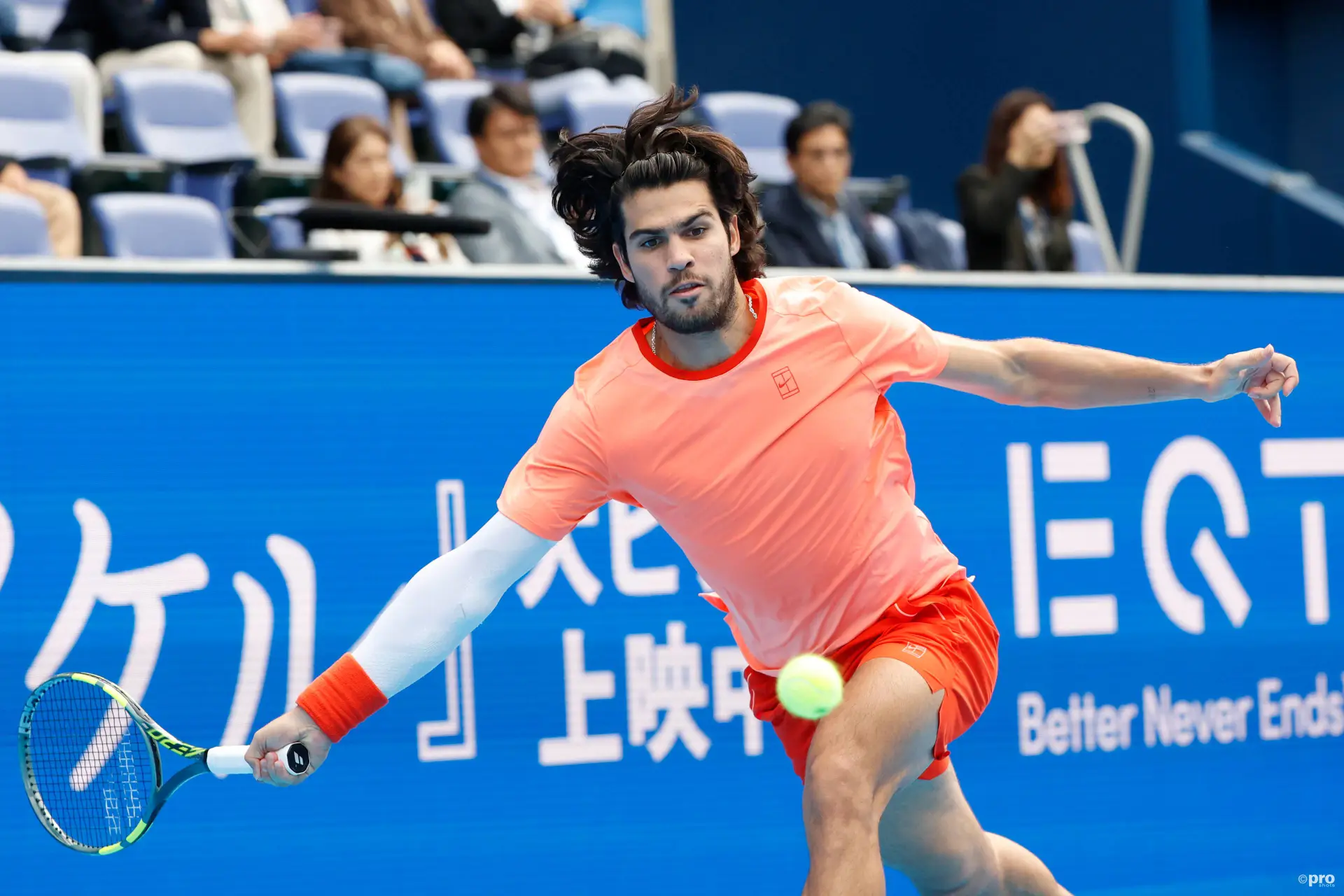

“So, you know, I'm just, I'm really wanting to compete, to be honest, because I've missed that," the 7-time Grand Slam champion added. "I'm enjoying it and I'm fresh and I'm ready to, you know, to overcome the problems that I might have in every situation."
For now, his priority is to make the most of his remaining opportunities on the court and continue building momentum in Vienna.

Cristhián AvilaTennis Journalist
Cristhián Ávila is a tennis journalist based in Santiago, Chile, and has been part of the TennisUpToDate team since early 2023. He covers the ATP and WTA Tours as well as all four Grand Slams, producing breaking news, match reports, analysis, and regular liveblogs from major tournaments.
His reporting combines statistical analysis with clear explanation, helping readers understand tactical developments, player form, and broader storylines across the tour. Working fluently in both Spanish and English, Cristhián collaborates with an international editorial team and contributes to comprehensive global coverage. As part of his work, he has conducted interviews and media interactions with leading figures in the sport, including Caroline Wozniacki and John McEnroe.
In his journalism, Cristhián places strong emphasis on careful sourcing, editorial accuracy, and updating articles promptly when new, verified information becomes available. His coverage is grounded in research, context, and direct engagement with professional tennis.
claps 0visitors 0
Just In




Popular News
Latest Comments
- Boss move, Sinner !Rapunzel27-10-2026
- Apparently still refusing to seek 'help' ...and still playing Dress-Up like a 10 year-old.
 mandoist27-10-2026
- Lena... Takin' care of businessmandoist25-10-2026
- Can you please stop publishing this nonsense? Stick to Tennis.mandoist25-10-2026
- Does Sinner need that 4.5 mil? I doubt it. He can make that with three modelling gigs!😅🤣Rapunzel21-10-2026
- Did "People Magazine" purchase this website? This nonstop storyline is bullshit.mandoist21-10-2026
- Listen... this is of no concern to anyone but these two. Deal with your own issues -- most of us have our own. Thanks, media, for these insignificant follow-ups which are meaningless.mandoist21-10-2026
- This is so very very sad, for all three of them. I truly thought they had an unbreakable bond, but life throws up so many differing challenges. Having your homeland suffering in such a terrible way, makes happiness lose out to guilt as well. Our thoughts are with them. X💔bjsexton20-10-2026
- I have lost all respect for Svitolina! Could she not have waited until he had played at the Paris Masters!!! She is selfish and don't give a damn about Gael. That is NOT how love is demonstrated Elina!!Rapunzel19-10-2026
- Perhaps convenient tennis tour sex is not a strong enough experience in which to base a marriage?mandoist19-10-2026

Loading