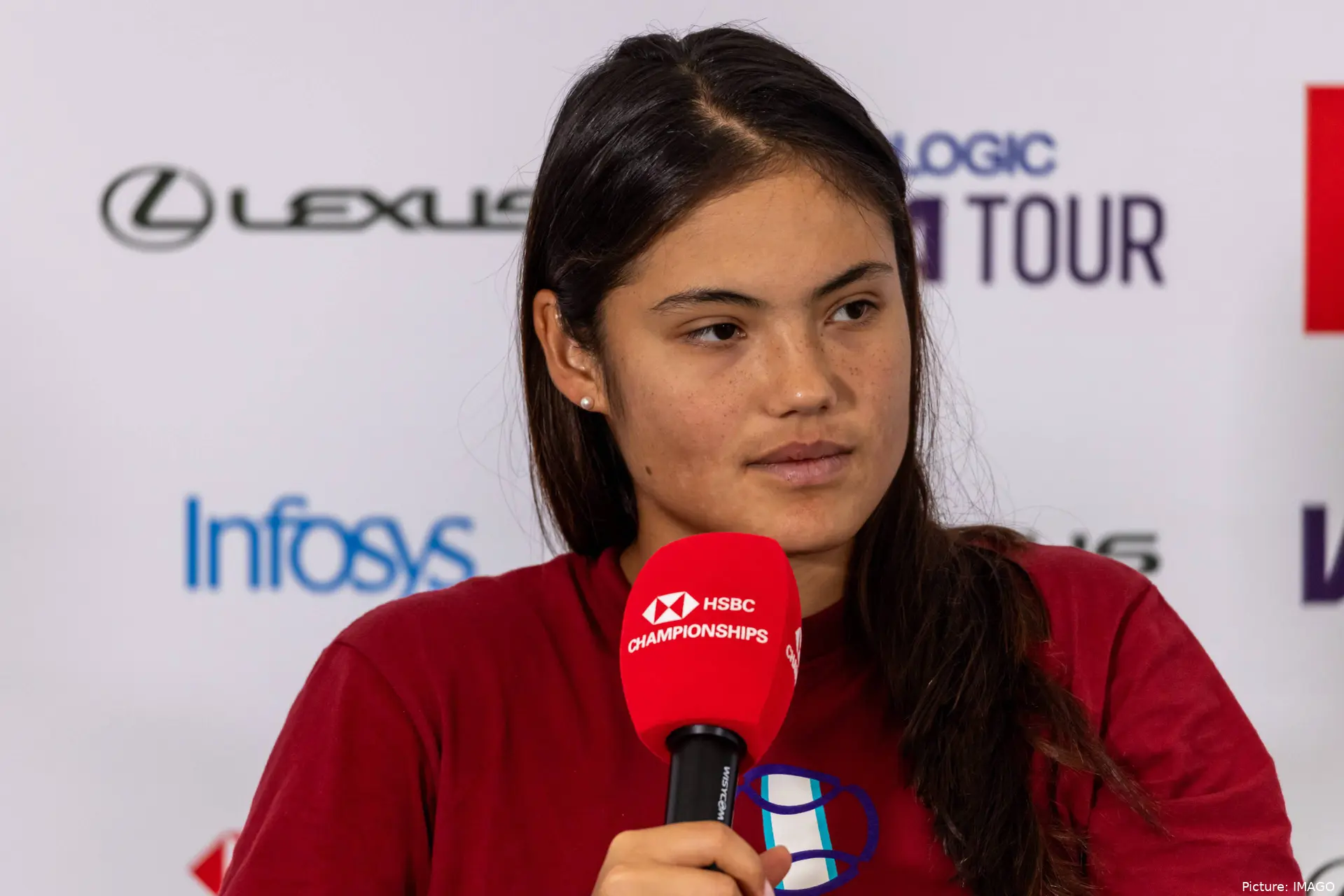
British tennis arrives at the 2026 US Open with a symmetry nobody in the LTA wanted: its two most talented players, Emma Raducanu and Jack Draper, are both out through injury. Not carrying knocks, not managing niggles — out, withdrawn, watching from home.
For a country that spent the last five years building its hopes around exactly these two names, that's not bad luck. That's a pattern.
Katie Boulter inherits the British No. 1 ranking almost by default, arriving in New York off the back of a Wimbledon first-round exit that came weeks after her best result of the season.
The genuine bright spots — a wildcard's run to a Wimbledon semifinal and a change at the top of the British men's rankings — are heartening, but they're also a sign of how thin things have become at the top. This is what a crisis in a supposedly deep sporting nation actually looks like: not an empty cupboard, but a full one with nobody healthy enough to reach the good stuff.
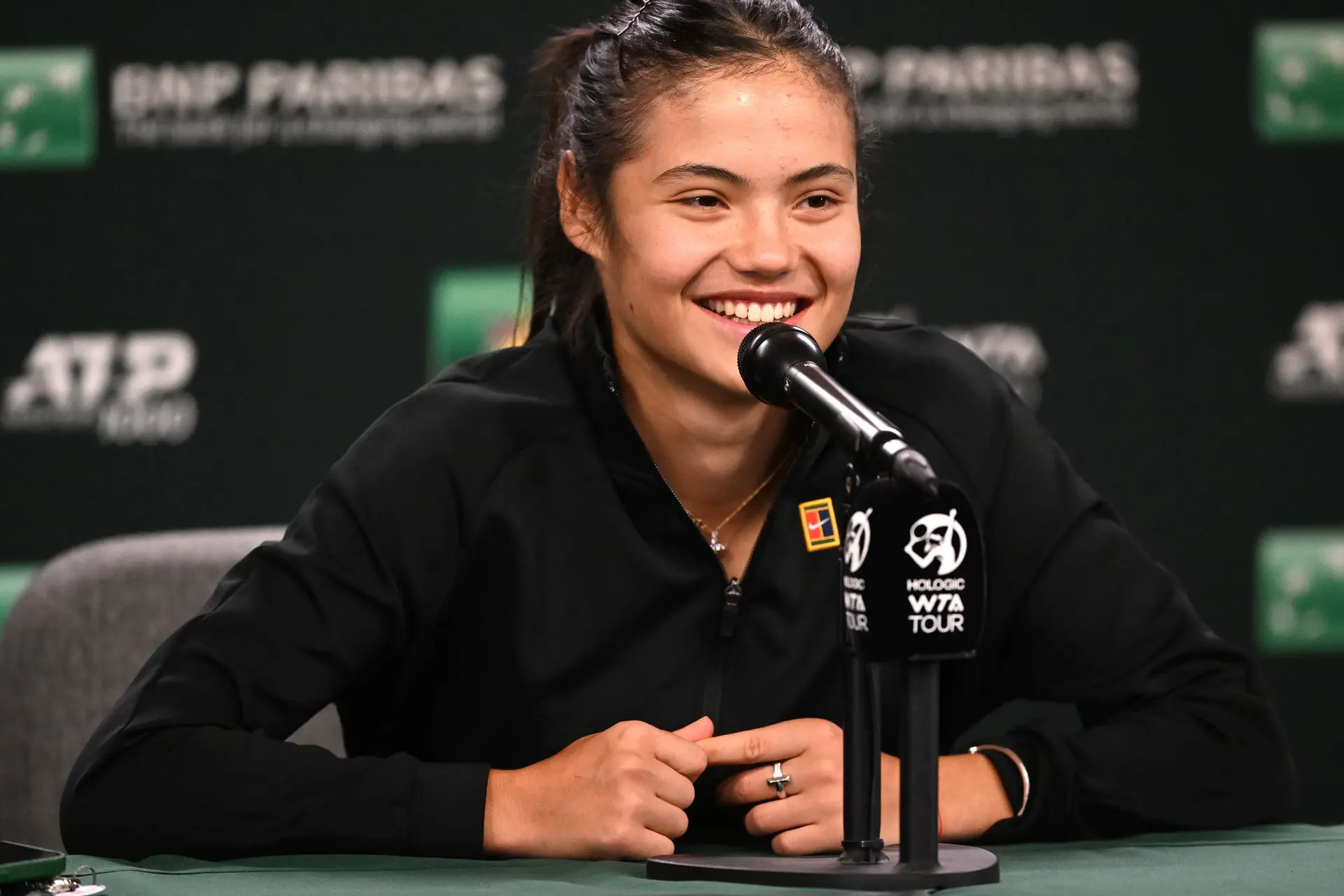
Emma Raducanu: missing yet another major
Raducanu's absence from the US Open is her sixth missed Grand Slam in four years — a genuinely remarkable number for a 23-year-old former champion still just five years removed from the tournament she won. The current injury is a stress fracture that first appeared during her run to the Queen's Club final in June, forced her out of Wimbledon and has now kept her away from the one major where she made history.
The practical damage is significant. Her ranking is projected to slide into the mid-80s by the time the tournament ends, costing her the British No. 1 ranking to Boulter and leaving her in real danger of dropping outside the world's Top 100 without a strong finish to the season.

Great Britain's Emma Raducanu with the runners up trophy following her loss to Croatia's Donna Vekic after the Women's singles final match on day seven of the HSBC Championships at The Queen's Club
The former Top 10 player is also expected to miss the remainder of the season, meaning 2027 could become another year of rebuilding her ranking — something that took her years to achieve after returning to the Top 30 and earning seeded positions at major tournaments.
Raducanu is still only 23, and her breakthrough at just 18 in 2021 arguably gave her more time than most to find her best level again. But the years are passing, and she now needs to establish herself as a mature player capable of consistently showing what she can do.
Injuries have repeatedly disrupted that process, leaving the same question hanging over her career: was that extraordinary run in 2021 the beginning of something bigger, or a once-in-a-lifetime breakthrough?
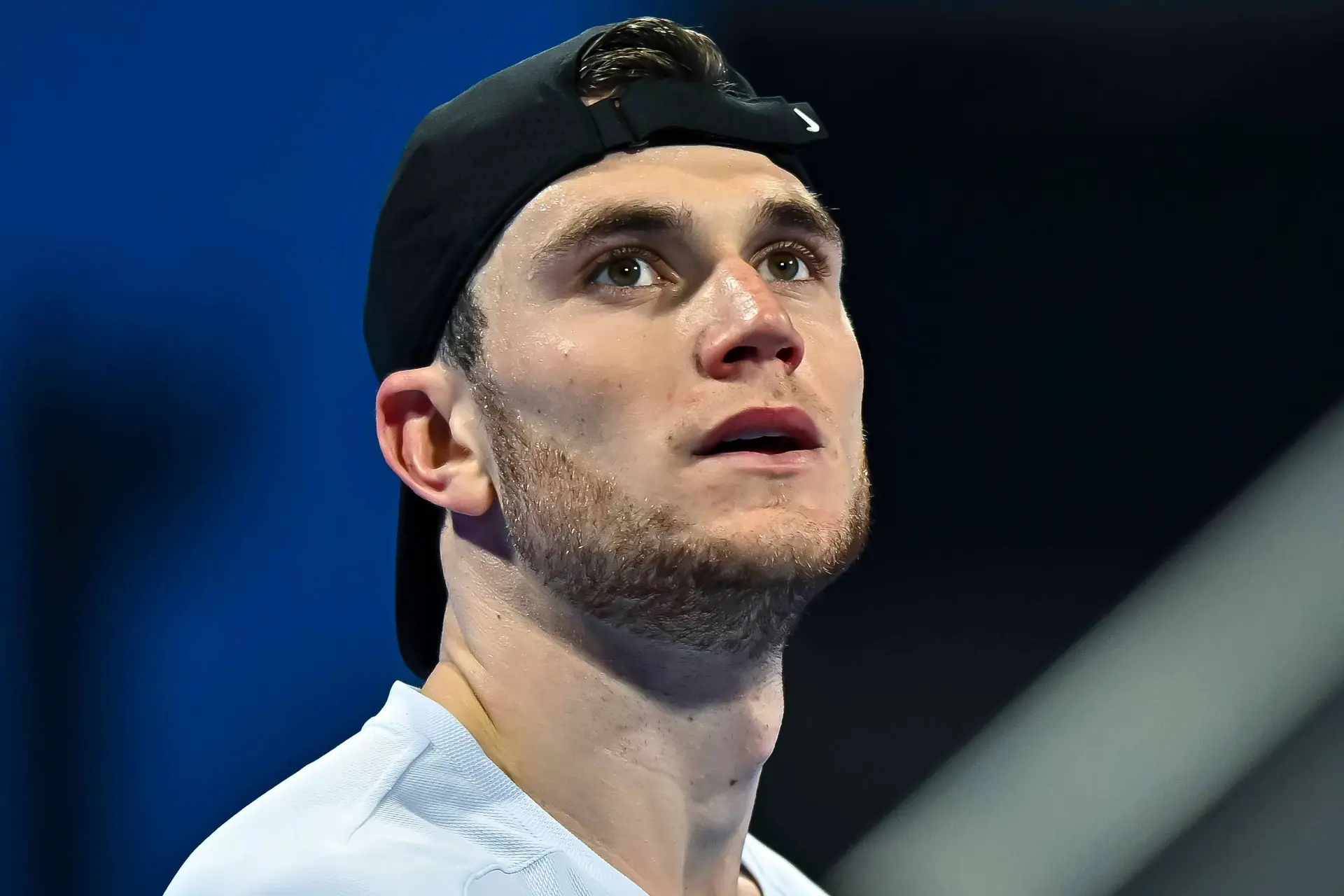
Jack Draper: from US Open semifinalist to qualifying — and then withdrawing anyway
Draper's fall has been just as steep, if less discussed. The 24-year-old reached the US Open semifinals in 2024 and climbed as high as world No. 4, looking like Britain's clearest men's Grand Slam contender in a generation. A recurring bone-bruising injury in his left arm, now an 18-month saga, has undone almost all of it. His ranking sank to No. 141, low enough that he would have needed to qualify just to reach the main draw in New York.
It never got that far. After missing Wimbledon with a recurrence of the same injury, Draper tried to return in Washington and then Montreal, insisting he was "in the best place" he had been in over a year — only to break down again and ultimately withdraw from the US Open altogether.
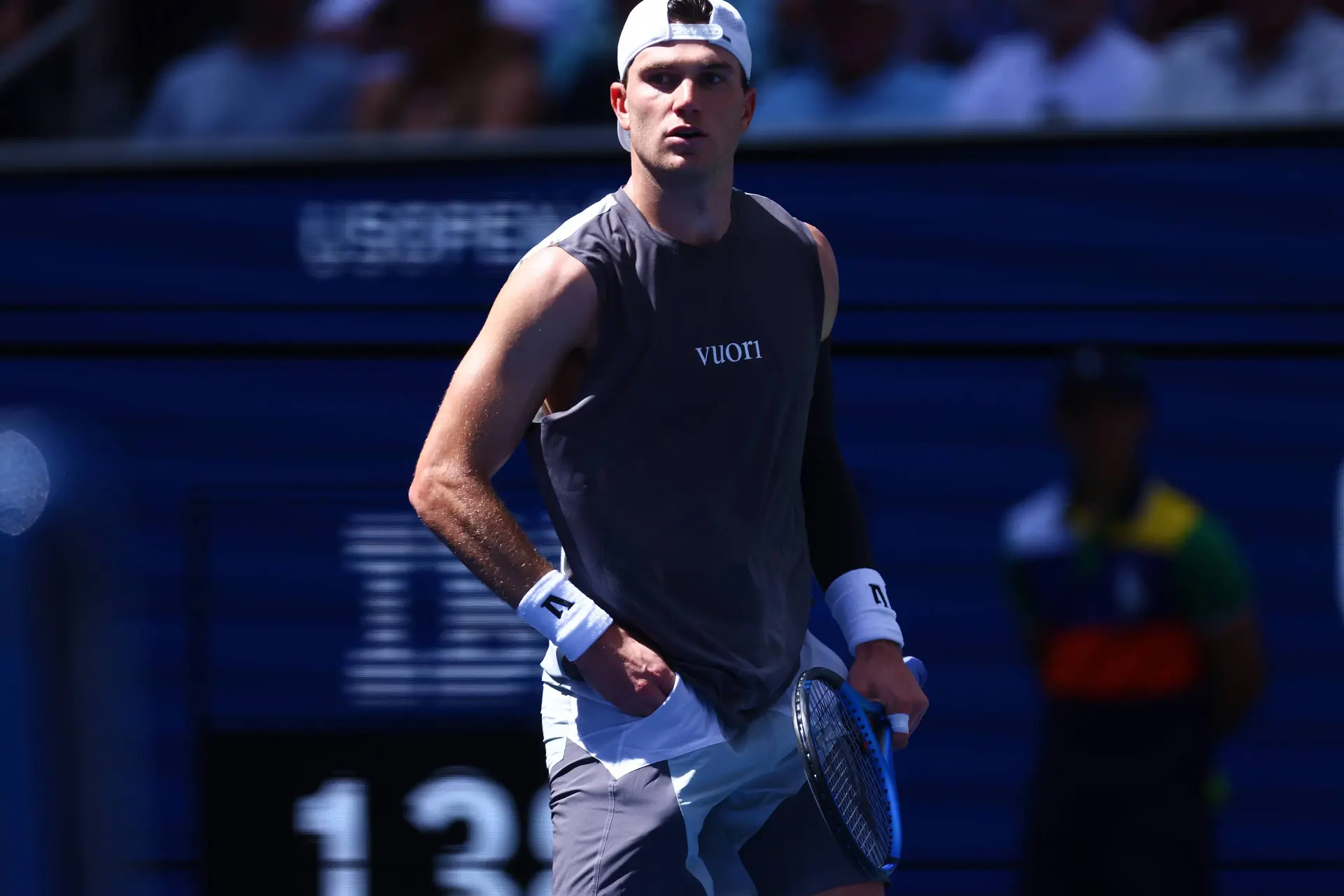
His situation is not entirely different from Raducanu's: generational talent, proven ability to challenge for Grand Slam titles and a career repeatedly interrupted by injuries. Draper was supposed to be the player who carried British men's tennis into the post-Andy Murray era, but the recurrence of physical problems so early in his career makes his long-term outlook increasingly difficult to predict.
For Draper, 2027 will be about more than producing another deep Grand Slam run. He needs to prove that he can stay healthy and competitive for sustained periods rather than relying on sporadic bursts of form. Until that happens, Britain's most obvious successor to Murray remains a player whose potential is considerably clearer than his availability.

Jack Draper at Indian Wells 2026.
Britain's fallen stars, in numbers
| Player | Best ranking | Titles (runner-ups) | Career Peak | Where they stand now | US Open 2026 status |
| Emma Raducanu | No. 10 | 1 (2) | 2021 US open champion | No. 68 | Withdrew — stress fracture |
| Jack Draper | No. 4 | 3 (4) | 2025 Indian Wells champion, 2024 US Open semifinalist | No. 141 | Withdrew — recurring arm injury |
Katie Boulter: British No. 1 by default, not by form
Boulter arrives as the highest-ranked British woman in the draw largely because Raducanu isn't in it. Her season has been a study in contrasts: a career-best run to the Queen's Club semifinal in June included a win over world No. 2 Elena Rybakina, then Wimbledon arrived weeks later and she lost in the first round.
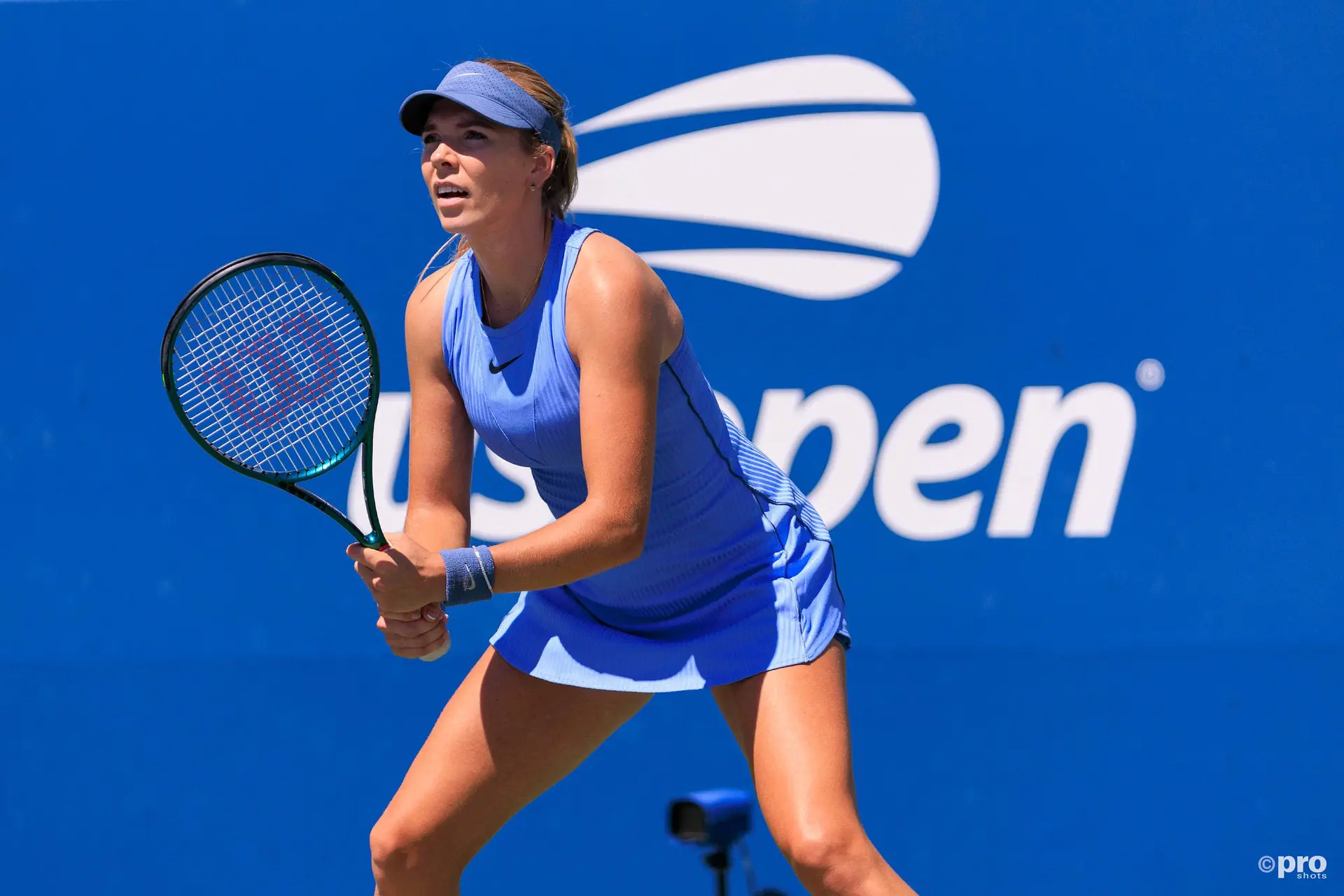
Her best Grand Slam result remains a third-round run at this very tournament back in 2023, and she enters this year's edition ranked 68th in the field — respectable, but a long way from the standard-bearer role circumstances have handed her.
That inconsistency is, in miniature, the story of British tennis right now: genuine quality that shows up in flashes against elite opposition, without the week-to-week reliability that turns a good run into sustained ranking progress.

Katie Boulter, 30, has never made it to the second week in a Grand Slam main draw.
The bright spots aren't the ones anyone expected
If there's a case against the word "crisis," it's built almost entirely on players nobody was talking about a year ago. Arthur Fery, a wildcard, reached the Wimbledon semifinal in 2026 — only the second wildcard in the tournament's history to do so — and now heads to New York with genuine main-draw pedigree of his own.
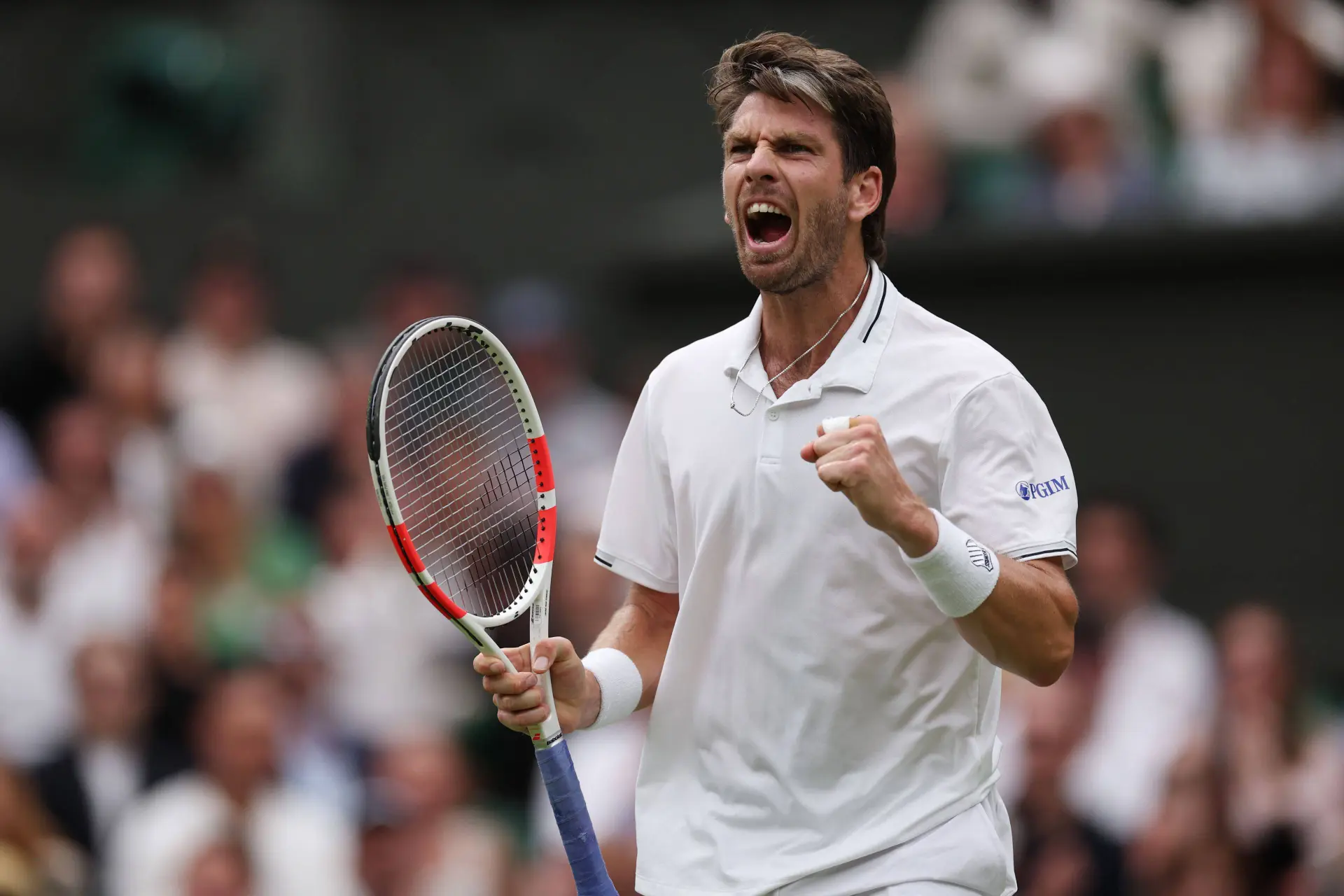
Cameron Norrie has reclaimed the British No. 1 ranking among the men, not through a signature run but through the kind of steady, unspectacular results (a semifinal in Los Cabos, a fourth round in Montreal) that Britain's bigger names haven't been able to produce this year.

Cameron Norrie through to the second round of the Australian Open 2026
Jan Choinski cracked the world's top 100 during the grass-court swing and travels to New York as the third British man inside the top 90, alongside Norrie and Fery.
Even the depth chart has cracks, though. Sonay Kartal, sidelined since March with a back injury, is also missing the US Open, only recently returning to practice at the National Tennis Centre.
Eleven more Britons entered in qualifying, a reasonable number on paper, but the tournament's own preview material summed up the contingent as "a deep contingent without an obvious contender" — about as polite a way as possible of saying nobody expects a British player to be lifting a trophy in New York this year.
British players in the 2026 US Open main draw
| Tour | Player | Age | Ranking | |
| 1 | WTA | Katie Boulter | 30 | No. 60 |
| 2 | WTA | Francesca Jones | 25 | No. 104 |
| 3 | WTA | Harriet Dart | 30 | No. 131 |
| 4 | ATP | Cameron Norrie | 31 | No. 33 |
| 5 | ATP | Arthur Fery | 24 | No. 37 |
| 6 | ATP | Jan Choinski | 30 | No. 75 |
| 7 | ATP | Jacob Fearnley | 25 | No. 100 |
| 8 | ATP | Toby Samuel | 23 | No. 110 |
| 9 | ATP | Harry Wendelken | 24 | No. 196 |
So, is it actually a crisis?
Three British men inside the world's top 90 and a surprise Wimbledon semifinalist is not, by most reasonable standards, a sport in freefall. But "crisis" was never really about depth — it's about the gap between the players British tennis built its recent identity around and the players actually available to compete.
Raducanu and Draper are, on talent, both capable of deep Grand Slam runs; between them they've already produced a US Open title and a US Open semifinal. Neither will play a single match in New York this year, and the underlying injuries — a stress fracture with a five-year history of Slam absences behind it, an 18-month recurring arm problem that keeps resurfacing exactly when a comeback looks real — don't read like misfortune so much as a system that hasn't yet worked out how to keep its best players on court.
Until that changes, British tennis will keep producing bright, surprising moments from its second tier while its two most talented names watch the biggest weeks of the year from the sidelines.

Cristhián AvilaTennis Journalist
Cristhián Ávila is a tennis journalist based in Santiago, Chile, and has been part of the TennisUpToDate team since early 2023. He covers the ATP and WTA Tours as well as all four Grand Slams, producing breaking news, match reports, analysis, and regular liveblogs from major tournaments.
His reporting combines statistical analysis with clear explanation, helping readers understand tactical developments, player form, and broader storylines across the tour. Working fluently in both Spanish and English, Cristhián collaborates with an international editorial team and contributes to comprehensive global coverage. As part of his work, he has conducted interviews and media interactions with leading figures in the sport, including Caroline Wozniacki and John McEnroe.
In his journalism, Cristhián places strong emphasis on careful sourcing, editorial accuracy, and updating articles promptly when new, verified information becomes available. His coverage is grounded in research, context, and direct engagement with professional tennis.
claps 0visitors 0
Just In



Popular News
Latest Comments
- great articlestennisseserver07-10-2026
- Medvedev was leading Djokovic 7-5, 3-5 when an attempted return..' NO you ignorants, Djokovic was leading .weiss05-10-2026
- No more bullshit "Wildcards" to these two. Qualify like everyone else -- there will be cameras there, too. Time to scream... WTF ????!!!!
 mandoist29-09-2026
 - Let's not BS the general public -- Sabalenka started showing cracks in her game last season. Her losses and near-losses started at about the same time she began being distracted by Fame (constant Selfies, making TV commercials, magazine shoots, endless Social Media nonsense, etc., etc.) One would think even Saba could recognize the parallels with others who failed before her -- Raducanu, Giorgi, Bouchard to name a few.mandoist25-09-2026
- Gross!! Hey Raducanu, Giorgi, and Bouchard -- reserve a seat at your Social Media Selfie table for Saba + Naomi. They're heading in your direction soon enough.mandoist24-09-2026
- And then these same players will complain about how lengthy their season’s were and need more time-off. I’m all for more tennis but the amount of tennis we get now is actually kind of crazy! We all need a break, especially the players.DaveyWavey23-09-2026
- You should do a comparison article for "different kinds of justice" the courts decide for tennis players. I can think of at least three players who received very small bans of a few months, however Tara Moore has been fighting for her literal survival the past few years. It seems odd considering she is not a "name" player, unlike the other cases.DaveyWavey22-09-2026
- PRIZE MONEY & POINTS Winner - $185,500 Finalist - $114,500 Semi-Finalist - $66,003 Quarter-Finalist - $35,000 Round of 16 - $18,045 Round of 32 - $13,005 Winner - 500 Finalist - 325 Semi-Finalist - 195 Quarter-Finalist - 108 Round of 16 - 60 Round of 32 - 1DaveyWavey20-09-2026
- Pegula withdrew from this Singapore event
 tennishappens19-09-2026
 - Serena Williams chose her tournaments. It's not such a bad idea.MuswellHillbilly17-09-2026

Loading