Aryna Sabalenka turns 99 weeks at No. 1 into a challenge for Rybakina after US Open lost: "Let's see if Elena can beat me in that"
WTA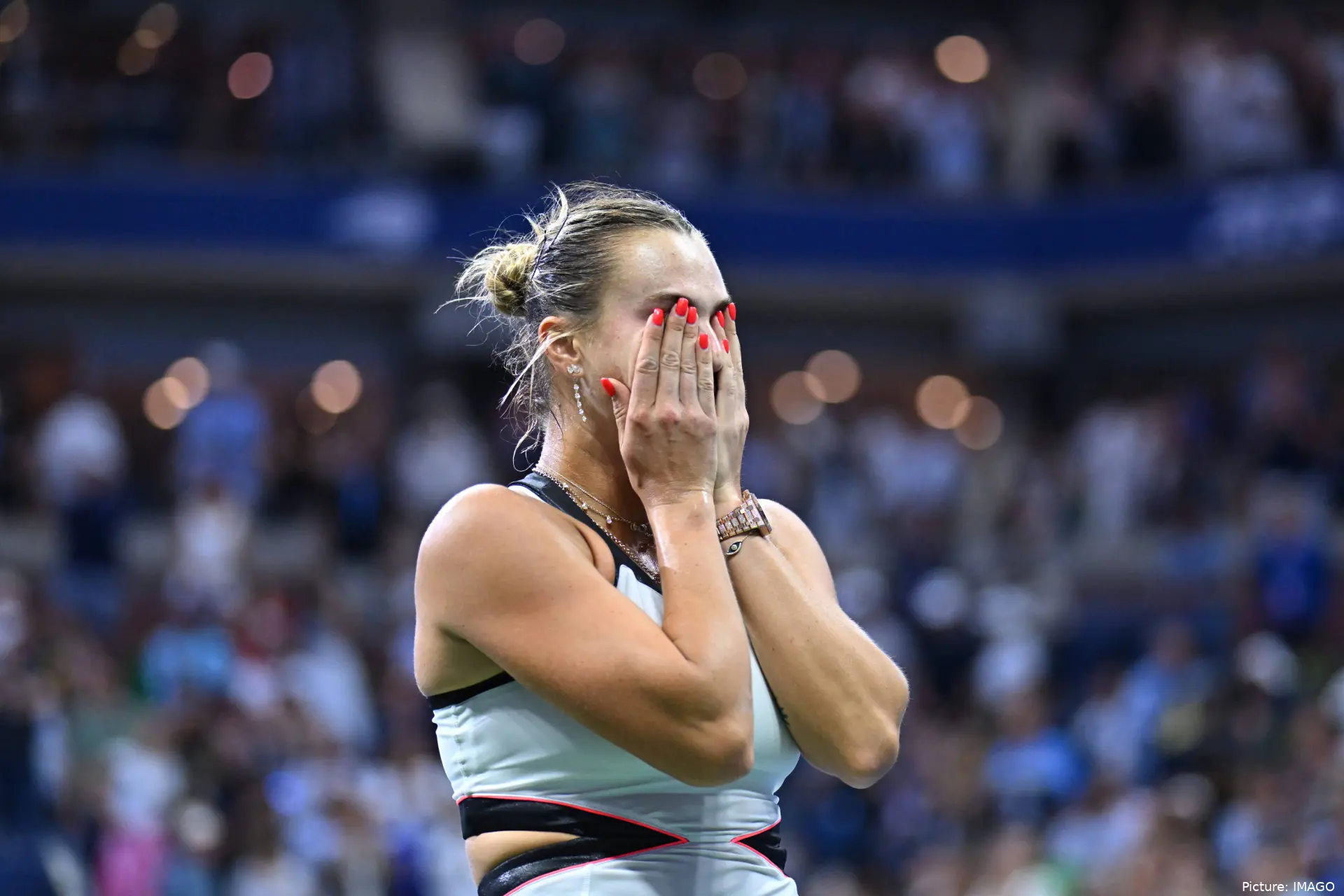
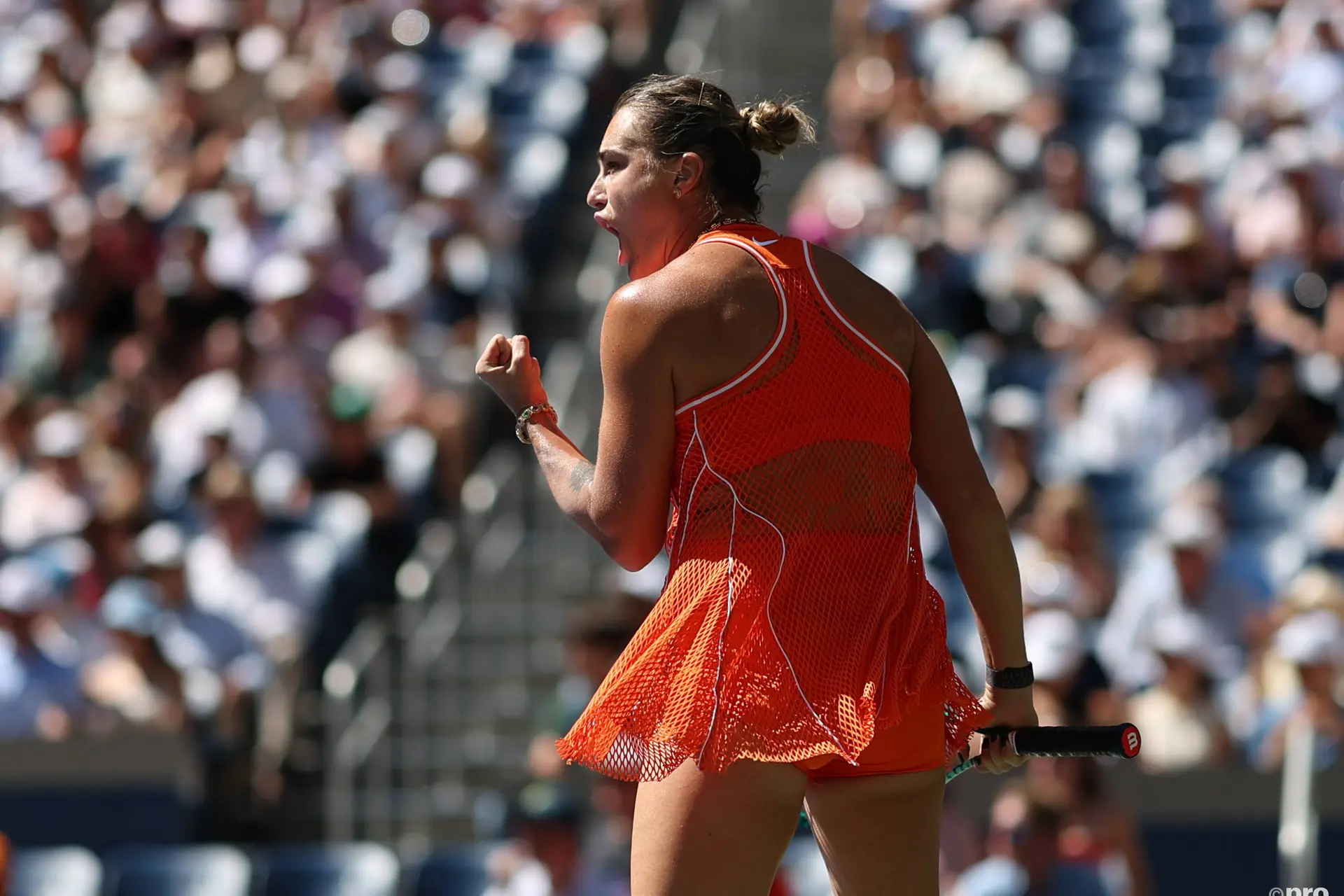
Aryna Sabalenka's bid for a third consecutive US Open title ended with a 4-6, 7-5, 2-6 defeat to Elena Rybakina in a final that further complicated an increasingly significant rivalry. After recovering from a set down and forcing a decider, the defending champion could not match Rybakina's level in the final set.
Rybakina had controlled much of the opening set with her serve and first-strike tennis, but Sabalenka gradually dragged the match into a different contest. She finally created her first break opportunities late in the second set, saved herself from several difficult moments and broke in the 12th game to send the final into a decider.
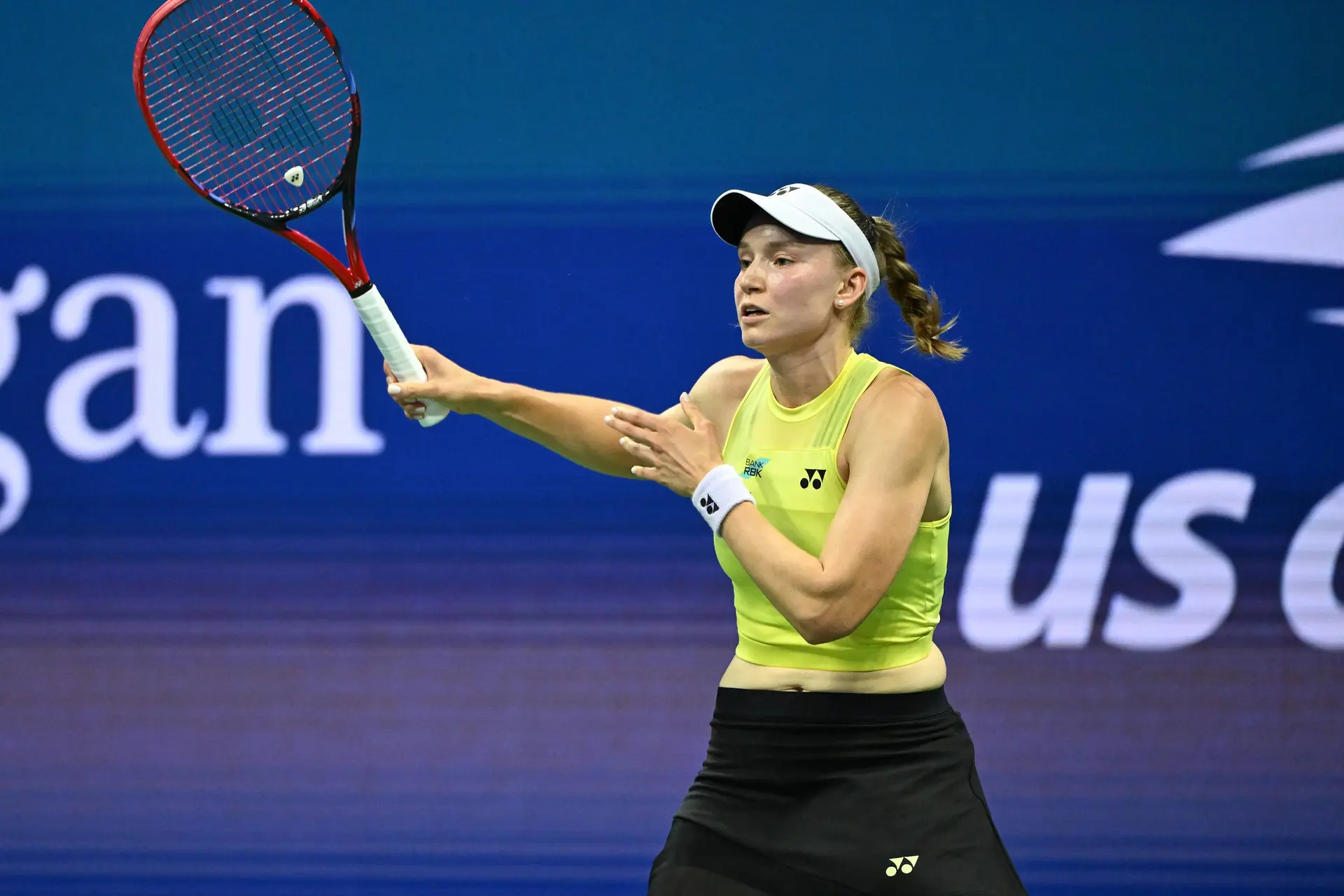
That comeback ultimately only delayed Rybakina's breakthrough. The Kazakh won her third Grand Slam title and second major of the 2026 season, while also taking over the world No. 1 ranking from Sabalenka, whose reign at the top had lasted 99 weeks. Rybakina also ended Sabalenka's 19-match winning streak at the US Open.
For Sabalenka, the defeat was another reminder of how dangerous Rybakina can be on the fastest hard-court stage. Her opponent finished with 36 winners and 11 fewer unforced errors, with her serve allowing her to dictate points before Sabalenka could establish her own power game.
Sabalenka admits Rybakina was better on the day
Sabalenka did not try to disguise her disappointment afterwards, particularly given what was at stake. She had been chasing a rare three-peat and had already spent much of the season navigating difficult moments, but she gave Rybakina full credit for the way she handled the final.
"Well, yeah, I'm obviously not really happy with the level I played today, but she served incredibly," the 4-time Grand Slam champion said at press conference. "She played really aggressively, great tennis, and yeah, she was simply a better player than me today."

The loss also produced one of Sabalenka's most emotional moments of the tournament. She smashed a ball into the crowd and broke her racket after the match, an outburst she later explained as an attempt to release the disappointment rather than keep it inside.
"It's really tough to control your emotions when you lose in the final of a Grand Slam and when you were trying to go for three-peat. So I just wanted to let it go, because if I would hold it inside right now over here or over there on the court, I wouldn't be able to say a word or I would just go not really nice over there, so I just wanted to let all of that aggression and disappointment go outside."
There was also little suggestion that Sabalenka viewed the tournament as a failure. Her season has included another Grand Slam final and another lengthy spell at No. 1, while the defeat gave her a fresh example of the challenge posed by Rybakina's particular combination of serving and aggressive ball-striking.
"No, I think overall I should be happy with the level I played, and there's lots of things to take from this tournament," the 2-time US Open champion added. "As experience shows, I only come back stronger, and all of these lessons this season definitely already made me stronger. They're definitely going to motivate me for next year to do a better job."
A rivalry entering a new phase
The result was particularly significant because Rybakina has now beaten Sabalenka in two Grand Slam finals in 2026. She also won the Australian Open final earlier in the year, making their meetings increasingly important to the shape of the women's game.
Sabalenka knows there is no longer any value in thinking about who is supposed to be the hunter and who is supposed to be the hunted. With Rybakina now holding the No. 1 ranking, that distinction may have changed on paper, but Sabalenka's response was to dismiss the idea altogether.
"I think anyway, when you go out there, you have a target on your back. It doesn't matter if you're number one or number two, three, four, whatever it is, so I'll just keep working hard and keep improving my tennis, my level, and hopefully I will win some more tournaments."
She was equally clear about what makes Rybakina such a difficult opponent, particularly in New York, where the conditions can reward players capable of taking the ball early and protecting their service games.
"Yeah, we have a great rivalry. We play a lot of great matches, great finals this season, and yeah, her serve is amazing, the way she's able to step in and overpower you on court, and especially if it's a U.S. Open court where it's super fast, it's definitely a huge advantage for her, so a lot of things make her dangerous."
Read also

The shift at the top of the rankings added another layer to the rivalry. Sabalenka was told that she had reached 99 weeks as world No. 1 and immediately turned the statistic into a challenge for the player who had just replaced her.
"99? Well, that's amazing. Let's see if Elena can beat me in that. If she continues to play like that, then I'm in trouble."
Rybakina may now have the ranking and the latest Grand Slam final victory, but Sabalenka's response suggested that the rivalry is far from settled. The 99-week reign has ended, yet the competitive dynamic between the two is only becoming harder to ignore.

Cristhián AvilaTennis Journalist
Cristhián Ávila is a tennis journalist based in Santiago, Chile, and has been part of the TennisUpToDate team since early 2023. He covers the ATP and WTA Tours as well as all four Grand Slams, producing breaking news, match reports, analysis, and regular liveblogs from major tournaments.
His reporting combines statistical analysis with clear explanation, helping readers understand tactical developments, player form, and broader storylines across the tour. Working fluently in both Spanish and English, Cristhián collaborates with an international editorial team and contributes to comprehensive global coverage. As part of his work, he has conducted interviews and media interactions with leading figures in the sport, including Caroline Wozniacki and John McEnroe.
In his journalism, Cristhián places strong emphasis on careful sourcing, editorial accuracy, and updating articles promptly when new, verified information becomes available. His coverage is grounded in research, context, and direct engagement with professional tennis.
claps 0visitors 0
Just In


Popular News
Latest Comments
- Does Sinner need that 4.5 mil? I doubt it. He can make that with three modelling gigs!😅🤣Rapunzel21-10-2026
- Did "People Magazine" purchase this website? This nonstop storyline is bullshit.
 mandoist21-10-2026
 - Listen... this is of no concern to anyone but these two. Deal with your own issues -- most of us have our own. Thanks, media, for these insignificant follow-ups which are meaningless.mandoist21-10-2026
- This is so very very sad, for all three of them. I truly thought they had an unbreakable bond, but life throws up so many differing challenges. Having your homeland suffering in such a terrible way, makes happiness lose out to guilt as well. Our thoughts are with them. X💔bjsexton20-10-2026
- I have lost all respect for Svitolina! Could she not have waited until he had played at the Paris Masters!!! She is selfish and don't give a damn about Gael. That is NOT how love is demonstrated Elina!!Rapunzel19-10-2026
- Perhaps convenient tennis tour sex is not a strong enough experience in which to base a marriage?mandoist19-10-2026
- Fight the Good Fight... Tennis (sports in general) need more Humans such as yourself.mandoist18-10-2026
- When is WTA going to mandate Genetic Testing (DNA) ???mandoist18-10-2026
- Hey, Dan... you just wake up from a coma? Regardless -- Thanks for the comedy this morning!mandoist18-10-2026
- Two Things: 1. Stop allowing these Spoiled Trust-Fund Elitists to behave badly. Your little hand-slaps do not deter them. 2. STOP the incessantly annoying "towel wiping" nonsense!!!!mandoist15-10-2026

Loading