COLUMN: The Road to Charlotte, part two: Nine WTA stars, eight places, and some very difficult predictions for 2027
WTA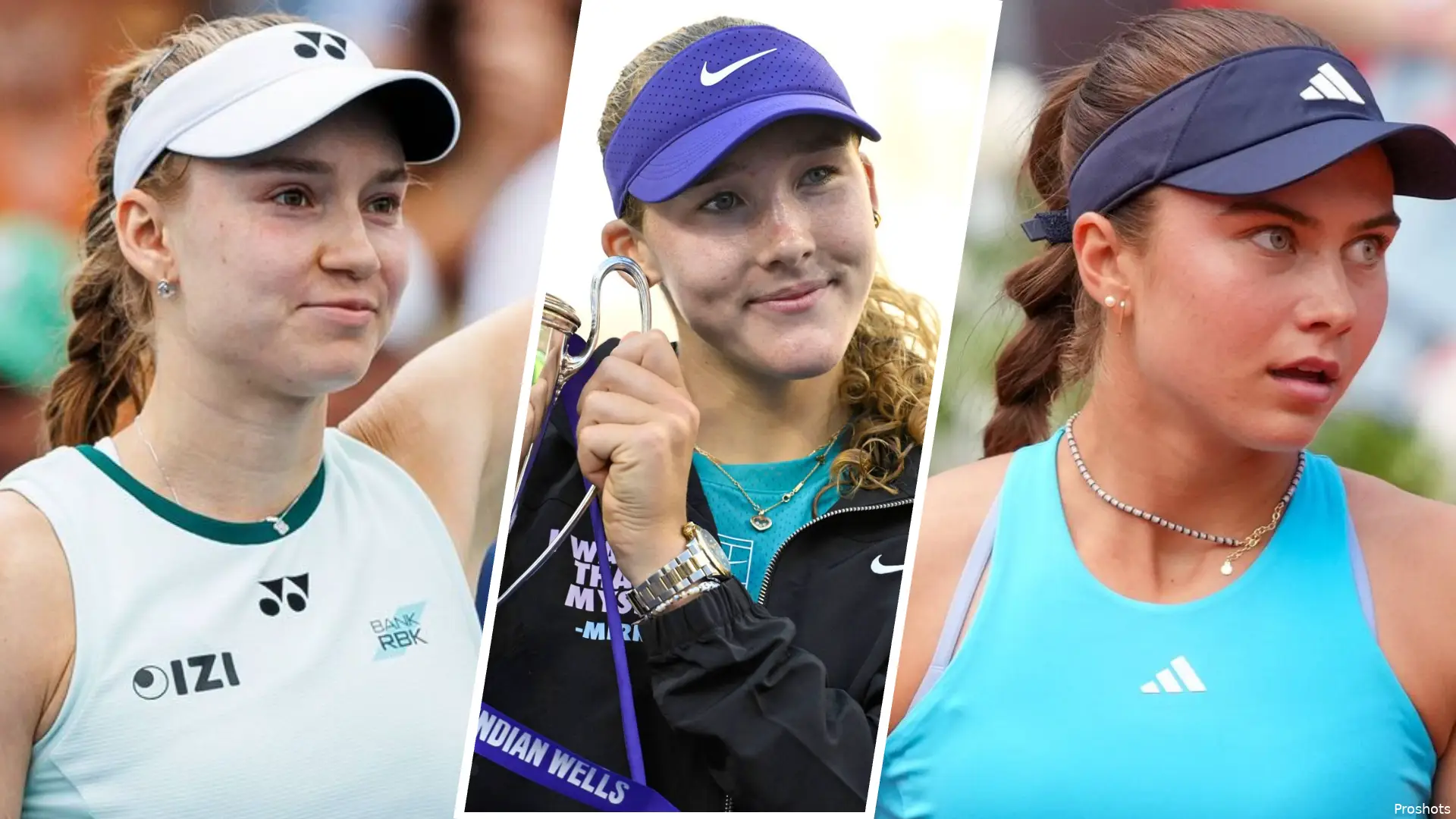
In Part One of this series, I looked at a collection of players who have the talent to qualify for the 2027 WTA Finals in Charlotte, but whose chances I consider somewhere between uncertain and wildly improbable. Now comes the harder part. Who actually gets there?
I spent a considerable amount of time thinking about this, looking at the way the 2026 season unfolded, considering who might be on the way up, who might be on the way down, and which players have the game to survive another ten months of the increasingly punishing WTA calendar.
I came up with nine names. Yes, nine. For eight places. Apparently, my inability to make one final decision is going to be a problem. But rather than pretend I have everything figured out eleven months before the tournament begins, I'm going to embrace the uncertainty.
After all, that's why we watch tennis. There are some fairly obvious selections here, a couple that might raise eyebrows, and at least two omissions that could make me look like an idiot by next summer. Here we go.
Elena Rybakina (Kazakhstan)
Let's begin with the woman who finished 2026 ranked No. 1 in the world. Rybakina won the Australian Open and US Open this year. On paper, that's an extraordinary season, and there are plenty of players who would happily exchange their entire careers for those two accomplishments. Yet I continue to believe that something is preventing Rybakina from realizing her full potential.
Her tennis can be breathtaking. The serve, the effortless power, the ability to make even the best opponents look helpless when she's striking the ball cleanly. When she's on, there are very few women in the world who can do much about it.
But the inconsistency, the physical interruptions, and the broader questions surrounding her career haven't disappeared simply because she's won two more majors.
I suspect we'll learn more in 2027 about the challenges that have affected her career, although I'm not going to pretend to know the full story or speculate about matters that haven't been publicly established.
What I will predict is that the struggles will continue. And that's the remarkable thing about Rybakina. Even with those concerns, I still expect her to accumulate more than enough points to qualify for Charlotte. Whether she'll arrive there playing anything close to her best tennis is another question entirely.

Elena Rybakina won two Grand Slam titles in 2026
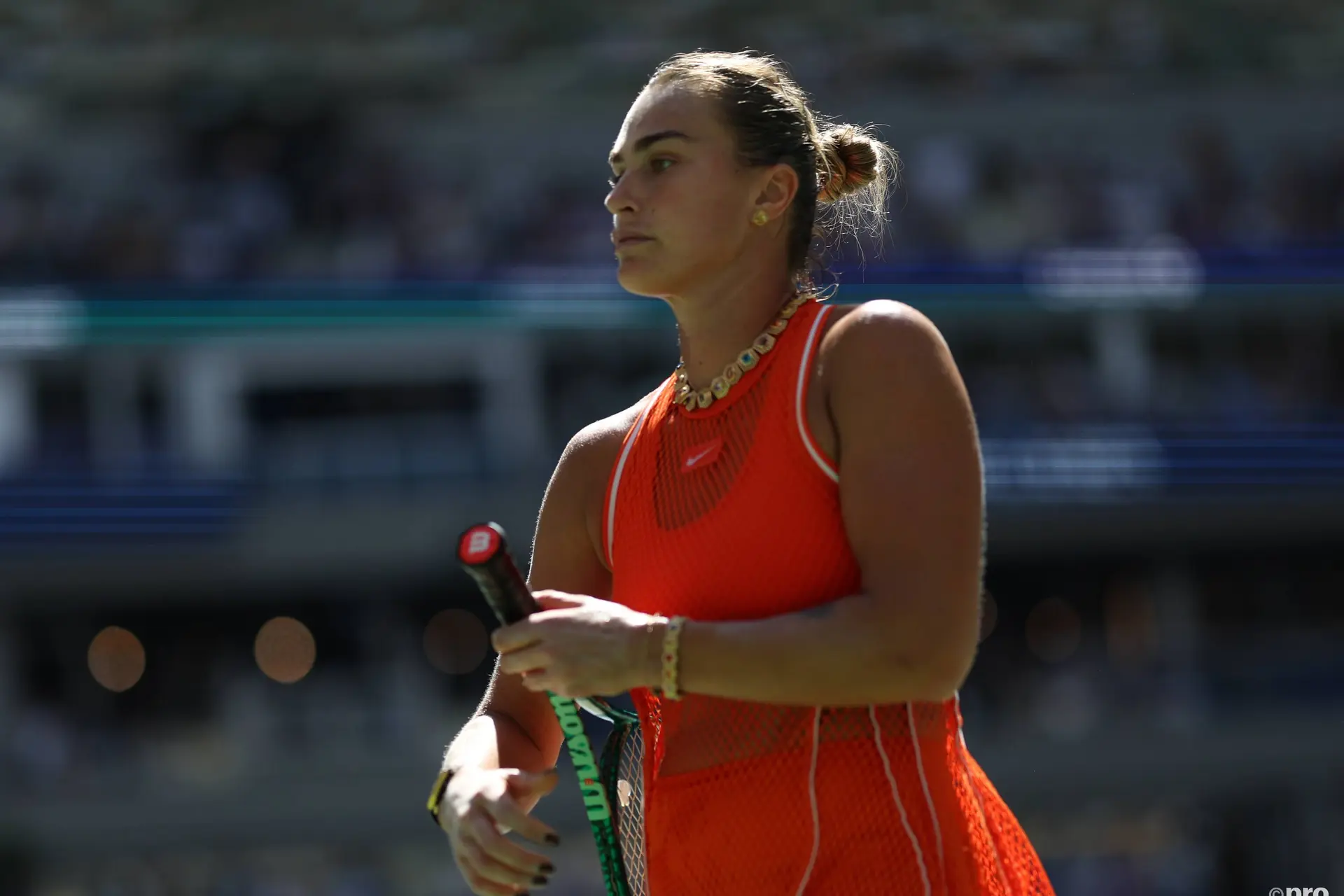
Aryna Sabalenka
I don't think there's much danger of Sabalenka missing Charlotte unless something truly unexpected happens.
Yes, 2026 was frustrating by her extraordinary standards. Yes, there were matches in which her emotions seemed to get the better of her. And yes, watching her struggle at the WTA Finals in Indian Wells wasn't exactly the ending she would have wanted. But we're talking about Aryna Sabalenka.
She's still one of the most powerful, intimidating, and accomplished players in women's tennis. Her game can overwhelm almost anyone, and she's demonstrated that she can sustain an elite level over multiple seasons. I also think she's more capable of addressing her problems than some of her critics give her credit for.
Will there be more emotional moments? Almost certainly. Will she lose matches she should win? Of course. That's tennis. But I expect Sabalenka to spend much of 2027 doing what she's been doing for years: winning an awful lot of matches. Charlotte seems like a very safe bet.
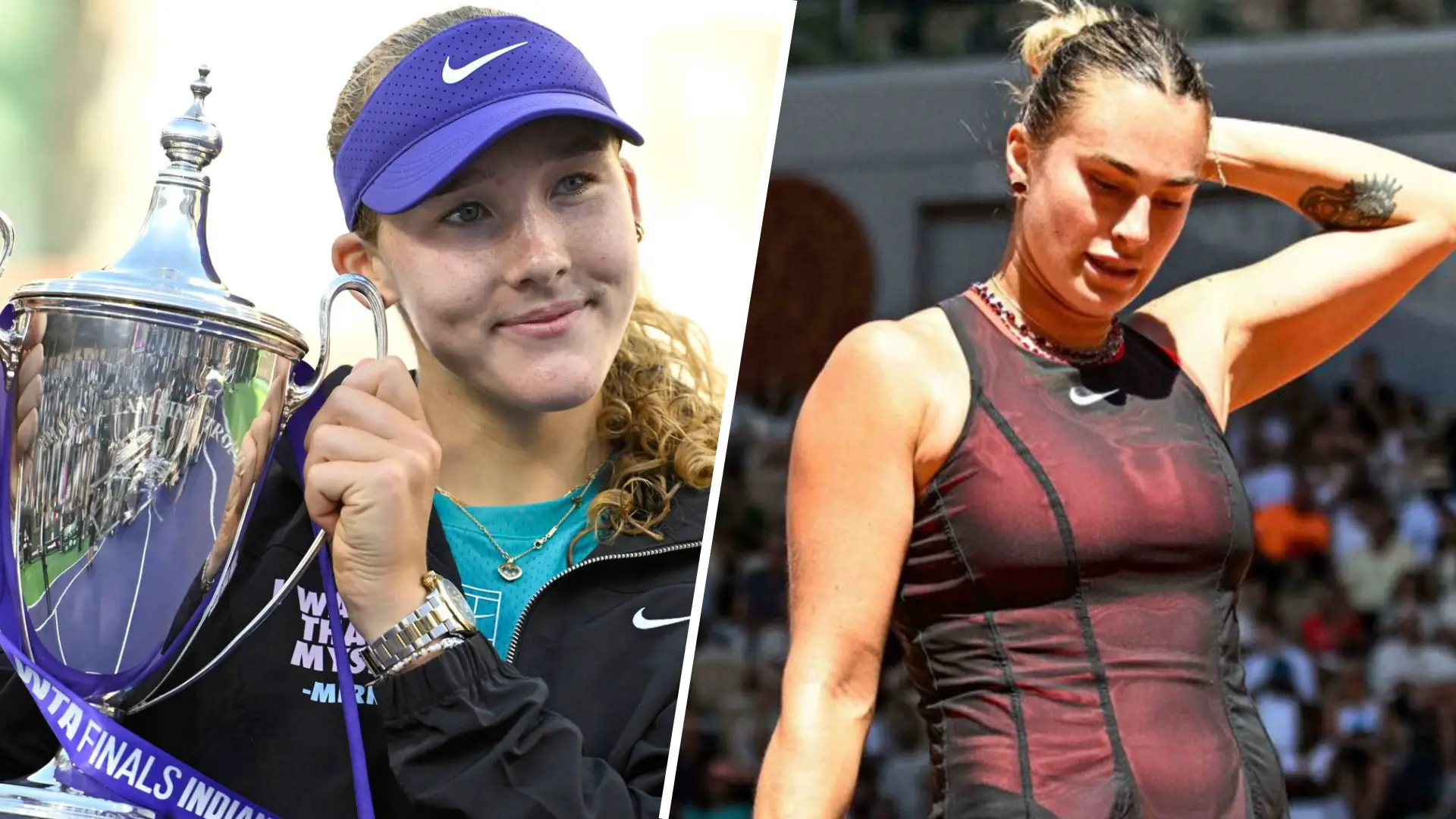
Mirra Andreeva
Here's a question I've heard increasingly often: Can Mirra Andreeva actually stay at the top? My response is another question. Why wouldn't she?
She's 19 years old, just won Roland Garros and the WTA Finals, and finished the season ranked No. 2 in the world. She's already demonstrated a remarkable ability to solve problems on the court, adjust to different opponents, and handle situations that would overwhelm many players with considerably more experience.
I know there are people who believe her rise has been too fast. That the pressure will eventually catch up with her. That opponents will figure out her game. Maybe. But I don't see much evidence to suggest she's about to disappear from the elite.
Absent injury, a serious coaching disruption, or some other significant obstacle, I expect Andreeva to be among the best players in the world for years. In fact, I'd be considerably more surprised if she weren't in Charlotte than if she finished 2027 ranked No. 1.
The winning moment from every angle 🙌 Mirra Andreeva, a champion on #TheUltimateStage! #FAGEWTAFinals https://t.co/jZ8ikbBG2h
— wta (@WTA) November 15, 2026
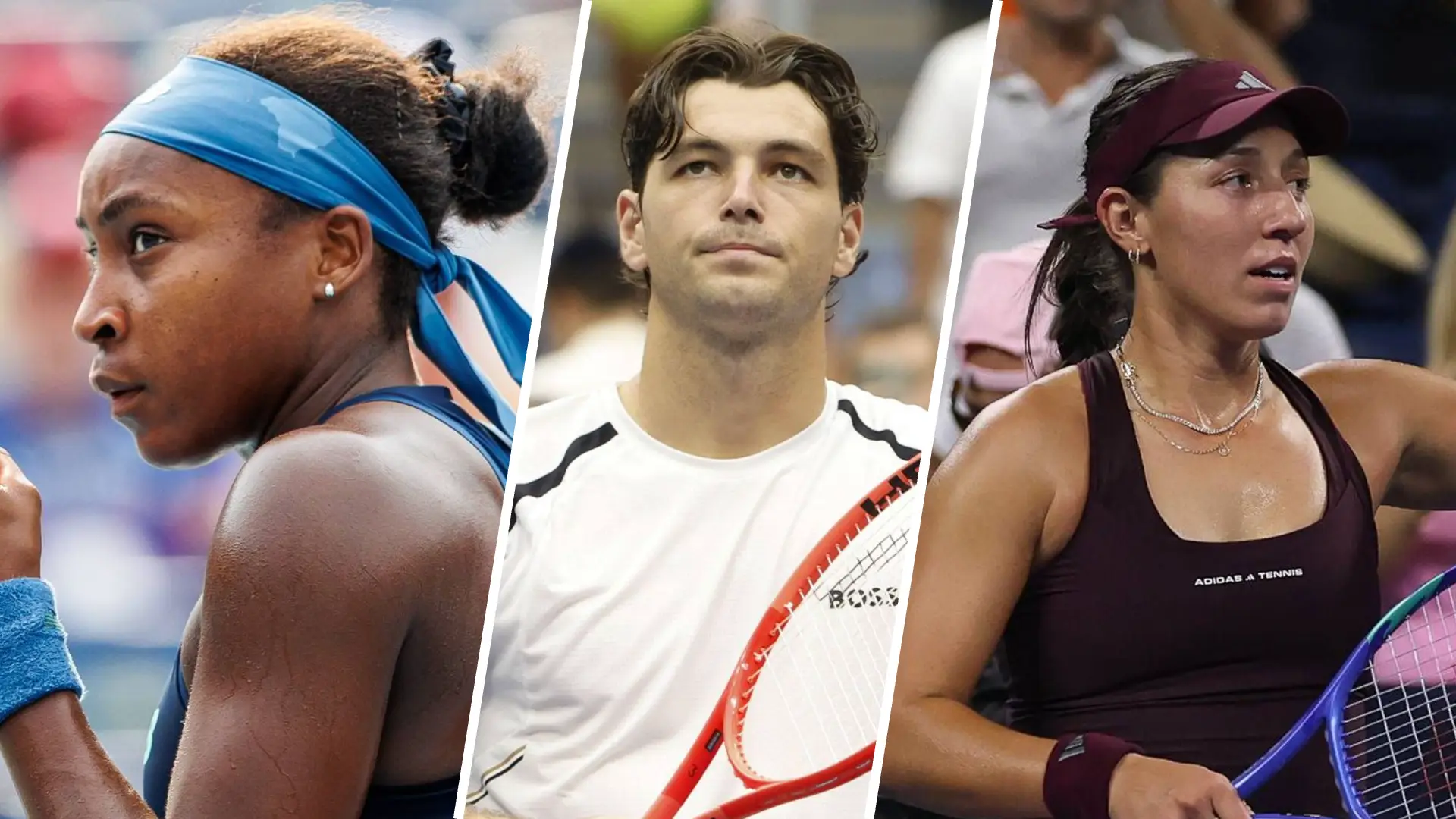
Coco Gauff (United States)
I know, I know. The serve. We can talk about Coco Gauff's serve until we're all old enough to qualify for senior discounts at our local tennis clubs. And perhaps we will. But here's what I keep coming back to.
Gauff continues to win an enormous number of tennis matches despite the technical problems that have attracted so much attention. Think about that.
Her movement remains exceptional, her defensive skills are among the best in the sport, and she's developed an ability to survive matches in which virtually nothing is working the way she'd like. That's not a small accomplishment.
At times, I wonder whether we spend so much time discussing what Gauff doesn't do well that we forget just how good she already is. She's still young, still improving, and still capable of winning the biggest tournaments in the world.
I expect her to qualify for Charlotte, and I wouldn't be surprised if 2027 turns out to be one of the best seasons of her career. Even if we're still talking about the serve next November.

Coco Gauff won the 2024 WTA Finals
Iga Swiatek (Poland)
Now here's a player with something to prove. Swiatek finished 2026 ranked No. 9, a position that would have seemed almost unimaginable not so long ago.
There have been questions about her confidence, her ability to handle certain opponents, and whether the rest of the tour has finally caught up with a player who once appeared almost unbeatable. Those are legitimate questions. But I have a difficult time believing that someone with Swiatek's talent, work ethic, and competitive intelligence won't find a way to address most of them.
She's still an extraordinary player, particularly on clay, and there's no reason to assume that the tennis that made her one of the dominant figures of her generation has permanently disappeared. What she needs, I suspect, is a little less pressure to be the Iga Swiatek of 2022 or 2023 and a little more freedom to become the Iga Swiatek of 2027.
That might sound simplistic, but sometimes the weight of previous success becomes its own obstacle. I expect a strong rebound. Charlotte? Yes. And I wouldn't be shocked if she arrived there having won another Grand Slam title.
Diana Shnaider
Here's one of my more adventurous selections. Shnaider has been knocking on the door of the sport's elite, and I believe 2027 could be the year she walks through it.
There's so much to like about her game. She's aggressive, physically strong, and capable of producing the kind of tennis that makes opponents feel as though they're constantly under attack.
She's also part of a younger generation that seems increasingly uninterested in waiting politely for the established stars to retire. Good for them.
What Shnaider needs is greater consistency against the very best players, particularly at the biggest tournaments. It's one thing to produce an outstanding week. It's quite another to collect enough points across an entire season to qualify for the Finals.
But I think she's capable of making that leap. This is one of those predictions that could look brilliant by July or absolutely ridiculous by March. I'm comfortable taking the chance.

Diana Shnaider debuted in the 1016 WTA Finals as an alternative
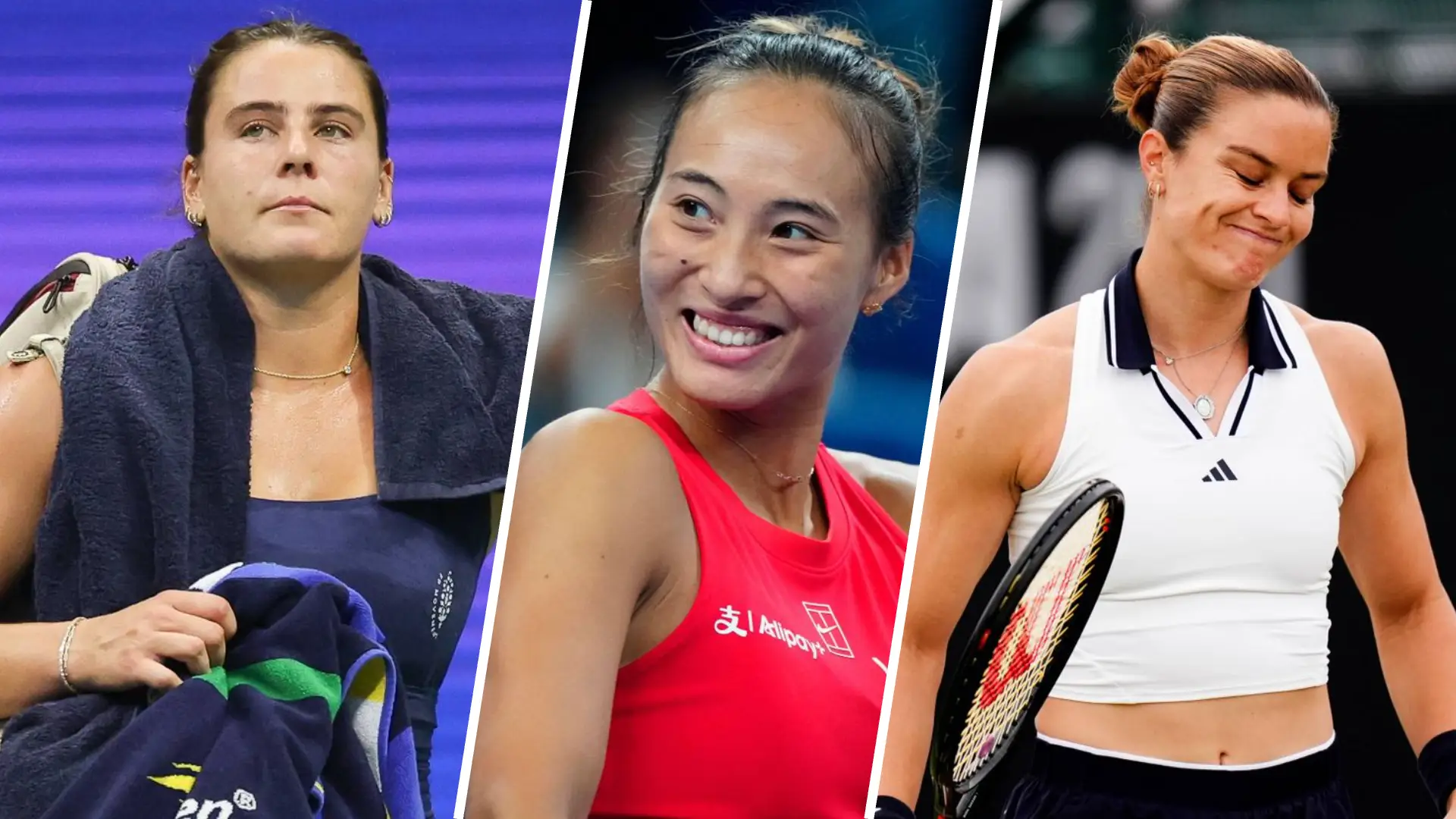
Zheng Qinwen (China)
Readers of Part One might remember that I included Zheng among the players who could make Charlotte but probably wouldn't. I also said I'd be more surprised if she failed to qualify than if she succeeded.
Confusing? Perhaps. But it reflects just how difficult I found this exercise. Zheng's 2026 season was badly disrupted by injury, yet the tennis she produced toward the end of the year was extraordinarily encouraging.
She's already been among the best players in the world, has an Olympic gold medal, and possesses the kind of power that can make her almost impossible to stop when she's playing well. And she's still only 24.
I don't think she needs to reinvent herself. She needs a healthy season, a little continuity, and the opportunity to build momentum without constantly having to start over.
If she gets those things, I expect Zheng to be a serious factor at the Grand Slams and WTA 1000 tournaments. And yes, I'm predicting she'll make Charlotte. Which means I may have to apologize to readers of Part One. Such is life.
The winning moment 🤩 History sealed with an ace from Zheng Qinwen! #ChinaOpen https://t.co/U9tSRpv7KN
— wta (@WTA) October 11, 2026
Karolina Muchova (Czech Republic)
Few players on the WTA Tour are more enjoyable to watch than Karolina Muchova. Her variety, touch, movement, and understanding of the game are exceptional. She can do things with a tennis ball that some players probably haven't even considered trying. And when she's healthy, she's capable of beating just about anyone.
There's that word again. Healthy. Muchova's career has been interrupted by injuries and physical setbacks, and it's difficult to make a confident prediction about someone whose availability has so often been uncertain.
But she finished 2026 in the top 10, and I think there's a reasonable chance she can build on that success.
At 30, she's hardly ancient. Although given the way professional tennis players are sometimes discussed, you'd think anyone over 28 should be looking into retirement communities. I expect Muchova to have another excellent season. And if she can stay on the court, Charlotte is very much within reach.

If she stays healthy, Karolina Muchova is a big threat on court
Iva Jovic (United States)
And finally, the player whose potential has me particularly excited. Iva Jovic. I've written about her before, and I'm not backing away from my belief that she has the talent to become a top-five player.
She's still a teenager, but her game already possesses a maturity that I find remarkable. She's composed, intelligent, and capable of playing aggressive tennis without looking as though she's trying to hit every ball through the back fence.
There are people who believe she may have already approached her ceiling. I couldn't disagree more. I think we're still in the early chapters of what could become an extraordinary career.
Will there be setbacks? Absolutely. Will opponents study her game and find ways to exploit weaknesses? Of course. But that's part of the process. The real question is whether Jovic can turn her obvious talent into the kind of consistent results required to compete with the world's elite for an entire season.
I'm betting she can. Charlotte in 2027 would represent an enormous achievement, but I don't consider it an unreasonable prediction. And of all the younger players on this list, she's one whose progress I'll be watching particularly closely.

18-year-old Iva Jovic has been touted to do great things in tennis
The Two Exclusions That Could Haunt Me
Now we get to the part of this exercise that caused me the most trouble. Jessica Pegula and Linda Noskova. Leaving either out feels slightly ridiculous, especially after the tennis they produced in 2026.
Pegula may have just completed one of the best seasons of her career. Her consistency, intelligence, and ability to compete with virtually anyone are beyond dispute. But I wonder whether she can sustain that level for another full season.
That's not a criticism of Pegula. It's an acknowledgment of how difficult it is to remain among the world's best, particularly when you've already been playing at an exceptionally high level for several years. I wouldn't be remotely surprised if she proves me wrong.
Noskova is an even more painful exclusion. I've been a believer in her talent for a long time, and her Wimbledon title in 2026 confirmed what many of us already suspected: she has the game to win Grand Slams.
Could she win another one in 2027? Absolutely. But winning a major changes things. Suddenly, every tournament comes with greater expectations. Every early loss becomes a story. Every opponent wants to beat the Grand Slam champion.
Noskova will enter 2027 with a level of attention and pressure she hasn't previously had to manage over an entire season. Can she handle it? Probably. She's enormously talented, and I suspect she'll be among the best players in the world for a very long time.
But I'm not convinced that the first full season after her Wimbledon breakthrough will be as straightforward as some might expect. Leaving her out could turn out to be my biggest mistake. And I'll happily acknowledge it if that's what happens.
Nine Players. Eight Tickets. One Final Problem.
So there you have it. Rybakina. Sabalenka. Andreeva. Gauff. Swiatek. Shnaider. Zheng. Muchova. Jovic. Nine names for eight places.
I could pretend that I've made a definitive prediction, quietly eliminate one of them, and hope nobody notices. But that would miss the point of this entire exercise.
Read also
The WTA Tour is too competitive, too unpredictable, and too full of extraordinary talent to make forecasting the next season anything approaching an exact science. Someone will get injured. Someone will have a breakthrough nobody saw coming. Someone who looks unbeatable in February will be struggling to win matches in August. And someone I've left off both lists will probably have the season of her life.
That's what makes it fun. If I absolutely had to choose eight today, I'd need to make one more very difficult decision. But I'm going to give myself a little more time before committing that particular act of tennis cruelty. After all, it's only November. And the road to Charlotte hasn't even begun.

Aron SolomonGuest Author
A Pulitzer Prize-nominated journalist for his groundbreaking op-ed in The Independent exposing the NFL’s “race-norming” policies, Aron Solomon, JD, is a globally recognized thought leader in law, media, and strategy.
As Chief Strategy Officer for AMPLIFY, he leverages his deep expertise to shape the future of legal marketing. Aron has taught entrepreneurship at McGill University and the University of Pennsylvania and was honored as a Fastcase 50 recipient, recognizing him among the world’s top legal innovators. A prolific commentator on law, business, and culture, his insights regularly appear in Newsweek, The Hill, Crunchbase News, and Literary Hub.
He has also been featured in The New York Times, Fast Company, Fortune, Forbes, CBS News, CNBC, USA Today, ESPN, TechCrunch, BuzzFeed, Venture Beat and countless other leading global media outlets. We are proud to have Aron on board at TennisUpToDate, where his deep tennis expertise enriches the site with sharp, original columns that connect the sport to wider cultural debates.
claps 0visitors 0
Just In

Popular News
Latest Comments
- This woman is gradually becoming a problem interjecting her personal problems into the tennis tour. I've been fed-up with her Holier-Than-Thou attitude for quite some time. SVITOLINA IS NOT THE ONLY UKRAINIAN PROFESSIONAL DEALING WITH THE INVASION IN HER COUNTRY. At some point the general public is going to have had enough of the "poor me' performances. My friends and colleagues from, or still living in, Ukraine do not care for her "distant approach" in addressing this sad time in Ukranian history. Perhaps it's best if she take a leave from tennis and go fight for her cause? The constant nonsense dissing her Russian colleagues on the courts (and now in the media) has run its course. As much as she may believe she's 'fighting' for her country -- she is not.
 mandoist24-11-2026
- Damn! This is not the news we wanted to hear. Hopefully, surgery will help and Sinner will be back to competition soon.Rapunzel23-11-2026
- Well... at least someone in that camp finally 'saw the Light'. No one wants to go down with a sinking ship.mandoist23-11-2026
- At a time when WTA should be reducing the ridiculously unhealthy schedule, their collective greed and ignorance is adding to the risks.mandoist21-11-2026
- It's bullshit to apologize for something most of us already knew/know (and what others are afraid to admit) about her. Time to fine her in a Big, Big way for screaming and cursing DIRECTLY at fans. It's a shame she's not the sharpest pencil in the box -- but that should not excuse her from paying a price when necessary. Time to quiet the Fake Screamer down a few notches.mandoist21-11-2026
- Allow me to summarise this wonderful article. We have been inundated with TOO MUCH tennis! Let the players go home, spend some time with families and loved ones and allow them to breathe and have a merry Christmas.Rapunzel20-11-2026
- It's been apparent to people that remember who Saba acted and spoke (before her win streak) that she's been gradually reverting to her old nasty, argumentative, excuse-making self. Even Championships cannot hide one's personality forever.mandoist18-11-2026
- Great list of players to watch! Really like Lilli Tagger. Nice looking game. I’m most interested in seeing how good Victoria Mboko becomes. She and Jovic and Eala might just be the ones fighting alongside Andreeva for Grand Slam titles soon.DaveyWavey16-11-2026
- Mirra's very funny words have been in my head since yesterday. "If I win the car I have 5 people in my box that can drive me around. I will forever be a passenger princess. I have a plan..." And I will never forget how she had me rolling on the floor laughing when asked how she beat Jess Pegula so handily: "I don't know what happened; It must have been the Diva in me". CLASSIC STUFF !mandoist15-11-2026
- Can whomever has a microphone in the Final... PLEASE STOP YAMMERING ABOUT YOURSELVES NONSTOP THROUGHOUT THE MATCH???? Get a grip and STFU once in awhile so we can 'hear' the actual play on court.mandoist15-11-2026
