“Everybody should have the right to draw the line of privacy”: Alexandra Eala addresses cameras and public scrutiny
WTA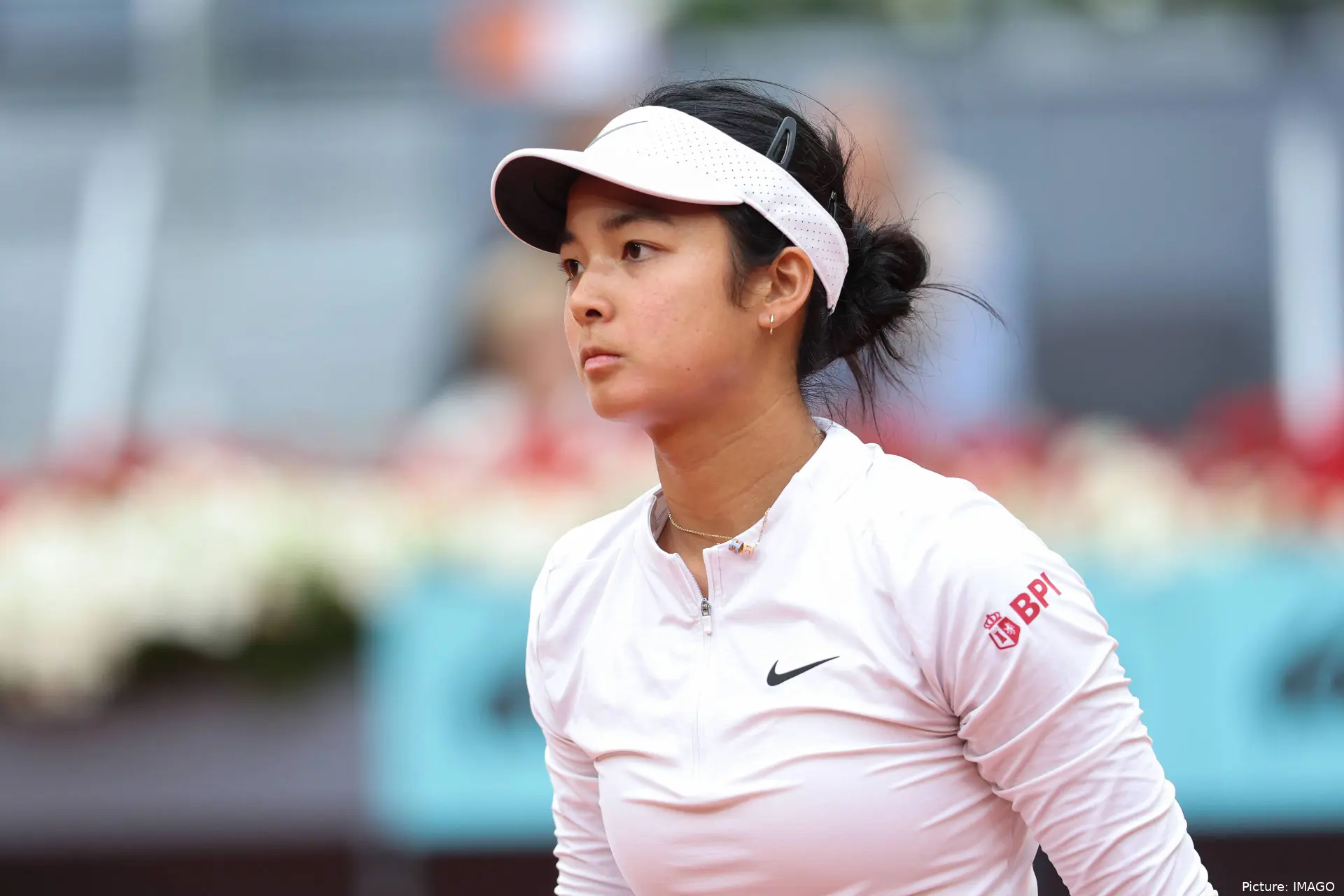
Alexandra Eala has addressed the growing scrutiny that comes with life on the professional tennis circuit, emphasizing the importance of privacy in an era of constant cameras and social media exposure. Her comments come in the wake of controversy surrounding Coco Gauff at the Australian Open, where the American was caught on camera smashing her racquet.
The recent episode of Coco Gauff breaking a racquet in the locker rooms after a heavy quarter-final defeat to Elina Svitolina – in what she believed was a private moment without cameras – ended up generating a wide discussion about cameras at tournaments and private spaces for players.
The incident involving the two-time Grand Slam champion brought various responses from the tennis world. Iga Swiatek supported the American, saying, “Are we tennis players or animals in a zoo?” in a press conference, while Serena Williams sent her support to Gauff through social media.
This time it was Eala, in an interview with The National, who addressed the pressure players experience under the constant scrutiny of cameras. The 20-year-old Filipina, widely regarded as one of Asia’s most promising talents, spoke candidly about adjusting to increased attention as her profile continues to rise on the WTA Tour.
Privacy in the spotlight
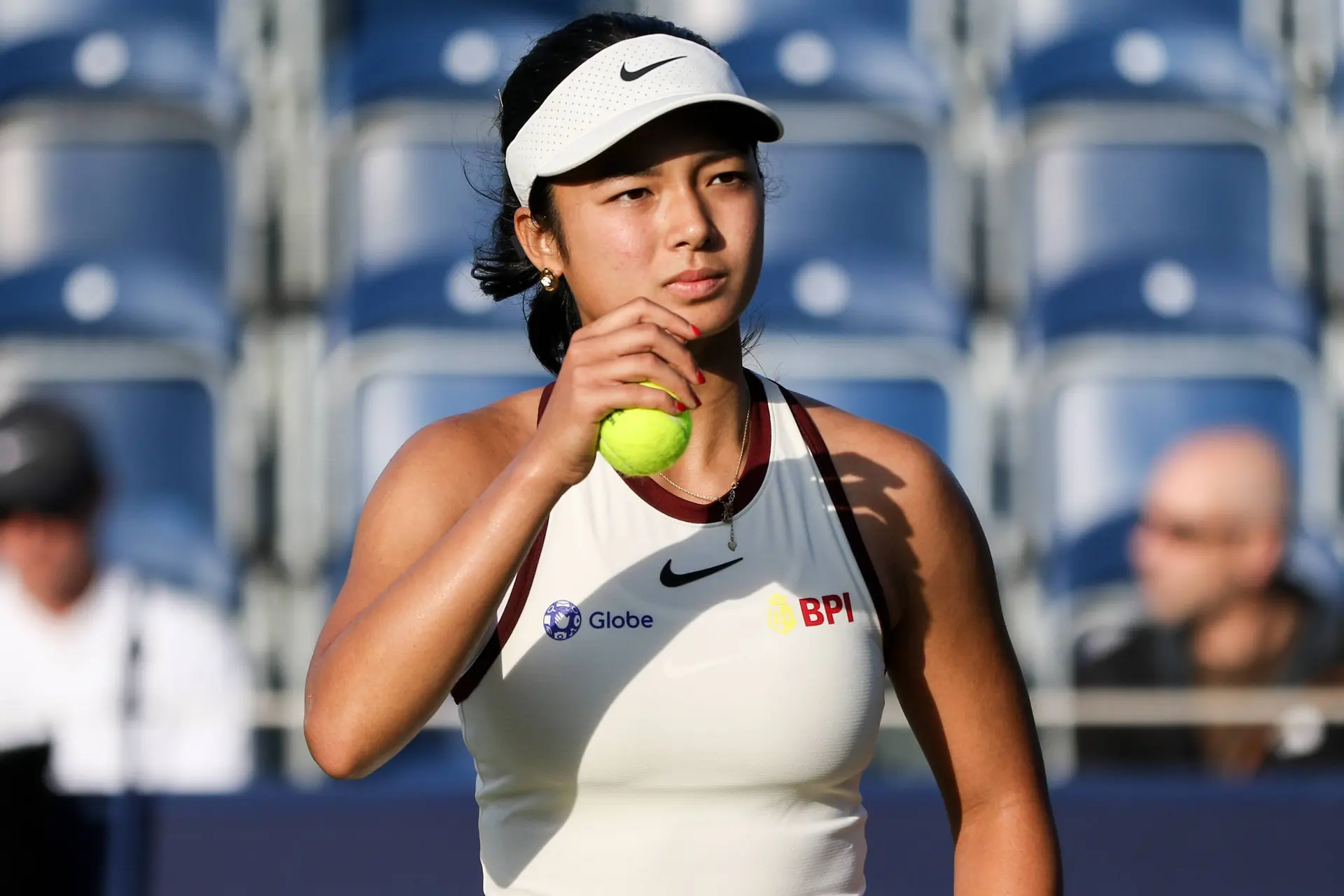
Eala described the adjustment to life under near-constant observation as an ongoing process. With smartphones often pointed at her during public appearances, she admitted that privacy can feel compromised, even in routine situations. “I am learning to deal with a lot of these cameras and a lot of the times when people see me, the phone is the first thing they reach out for. Which is something that I have to adjust to.”
The Filipina emphasized that the issue extends beyond tennis results or on-court behavior. For her, the broader question concerns personal autonomy in defining limits. She noted that fame can blur those boundaries, particularly for young athletes transitioning into global recognition. “I do value privacy a lot. I think everyone has the right to their own privacy and sometimes being a public figure, the lines are a little bit blurred.”
Eala went further, suggesting that athletes do not always control how much of their lives becomes public. In an environment where tournament coverage, behind-the-scenes footage, and fan recordings are commonplace, distinguishing professional from personal space can be difficult. “Or sometimes I can understand that we don’t have the power to draw our own line. I think everybody should have the right to draw the line of privacy.”
From Junior No. 1 to global attention
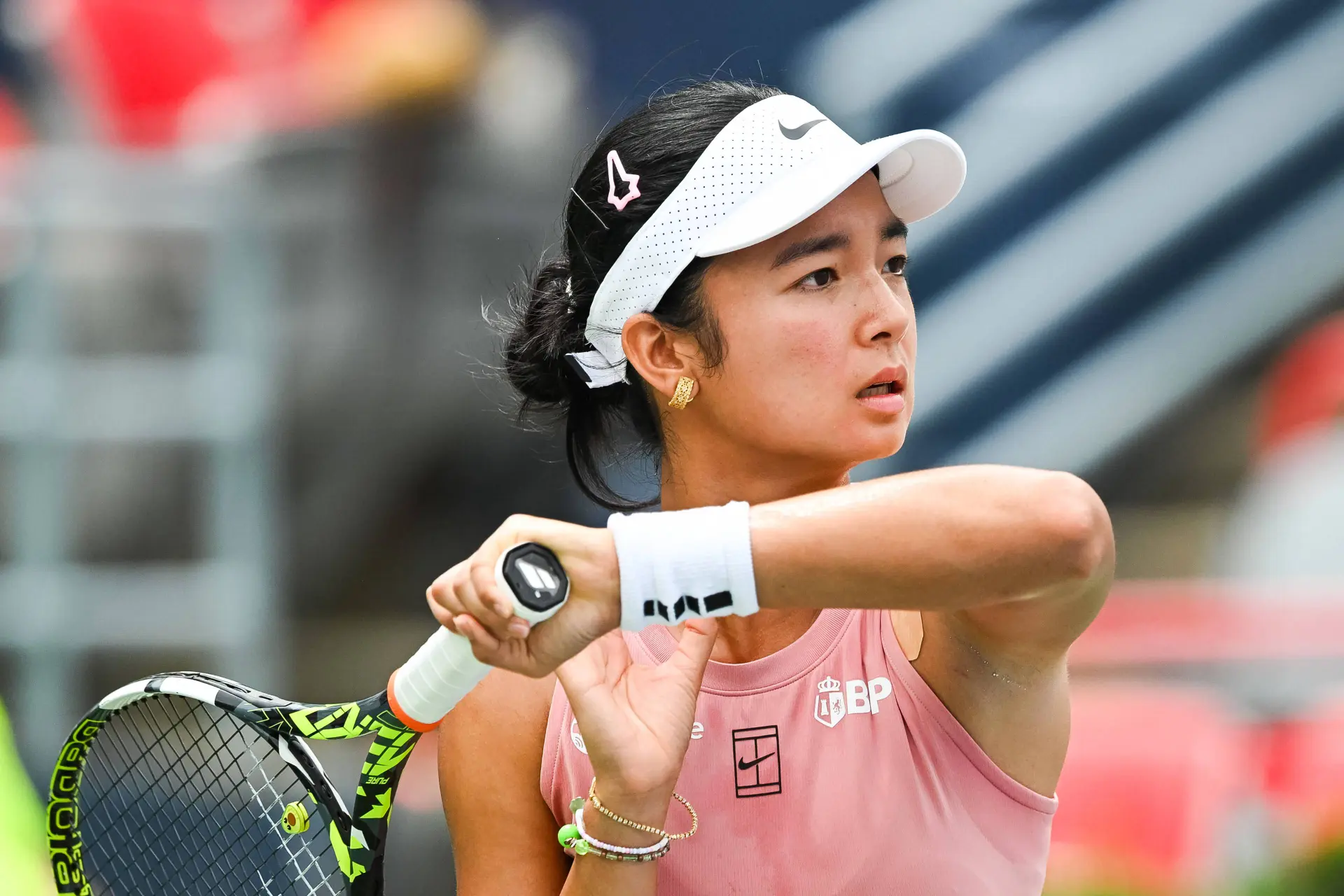
Eala has become one of the crowd favorites over the past year, emerging as one of the young talents who has attracted the most attention. The former junior No. 1 continues her search for consistency on the Tour, where she has already achieved her best ranking inside the top 40 and aims to keep climbing positions.
This week Eala made her debut at the WTA 1000 Qatar Open and ended up falling in the first round to 17-year-old teenager Tereza Valentova. Eala missed a good opportunity to add ranking points.
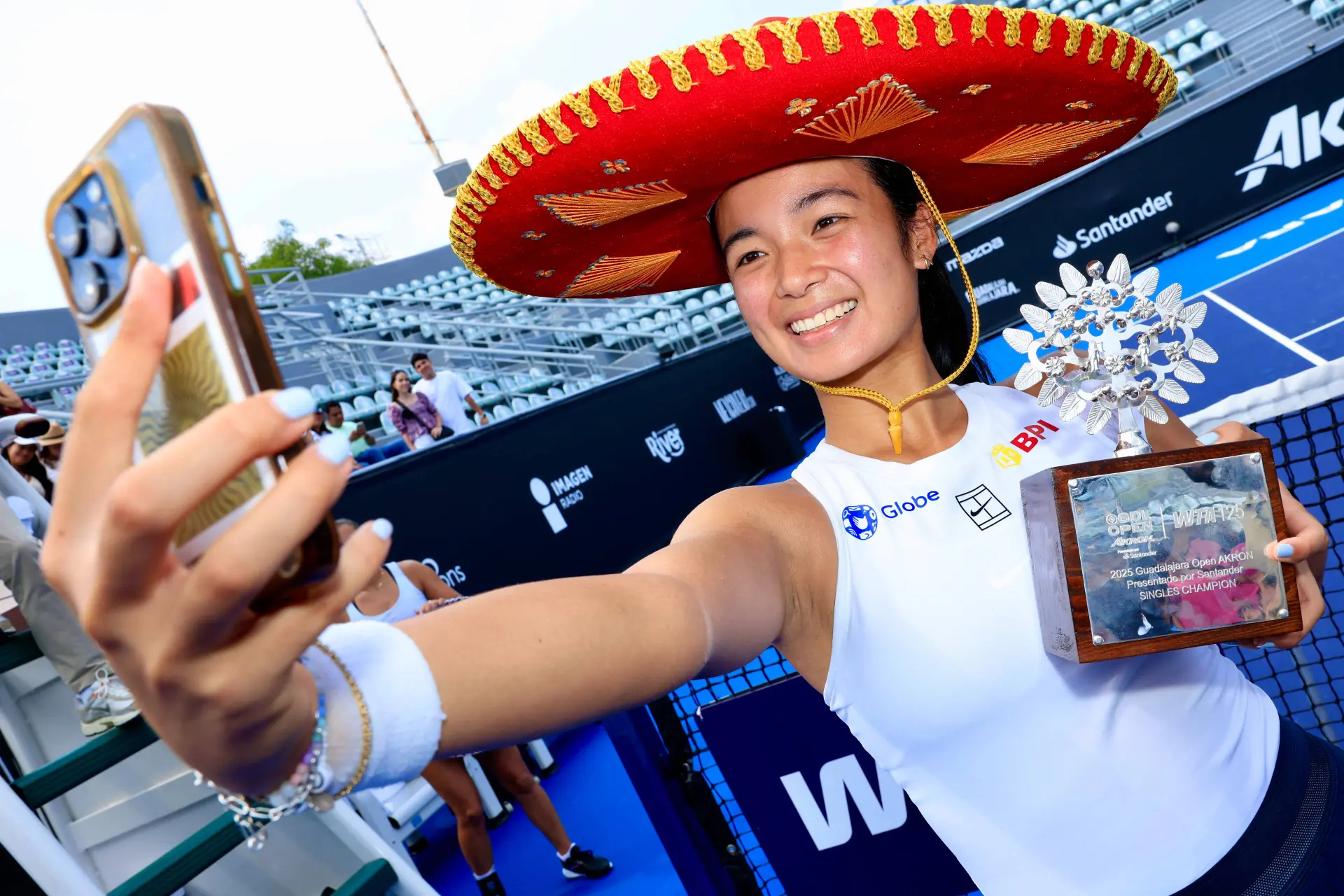
At just 20 years old, she has already established herself as the most successful Filipino tennis player of all time, holding multiple records for her early achievements, including becoming the first Filipino to enter the top 100, the first to defeat former Grand Slam champions, to defeat top-10 rivals, and the first to reach the semifinals of a WTA 1000 event.
Her next challenge will be next week at the Dubai Duty Free Tennis Championships – another WTA 1000 tournament where she will make her debut. Already in her first participation in Qatar, despite not being among the seeded players, the organization opted to place Eala on Center Court, something that could be repeated this week in Dubai, considering the large crowds the Filipina attracts.

Cristhián AvilaTennis Journalist
Cristhián Ávila is a tennis journalist based in Santiago, Chile, and has been part of the TennisUpToDate team since early 2023. He covers the ATP and WTA Tours as well as all four Grand Slams, producing breaking news, match reports, analysis, and regular liveblogs from major tournaments.
His reporting combines statistical analysis with clear explanation, helping readers understand tactical developments, player form, and broader storylines across the tour. Working fluently in both Spanish and English, Cristhián collaborates with an international editorial team and contributes to comprehensive global coverage. As part of his work, he has conducted interviews and media interactions with leading figures in the sport, including Caroline Wozniacki and John McEnroe.
In his journalism, Cristhián places strong emphasis on careful sourcing, editorial accuracy, and updating articles promptly when new, verified information becomes available. His coverage is grounded in research, context, and direct engagement with professional tennis.
claps 0visitors 0
Just In


Popular News
Latest Comments
- Two Things: 1. Stop allowing these Spoiled Trust-Fund Elitists to behave badly. Your little hand-slaps do not deter them. 2. STOP the incessantly annoying "towel wiping" nonsense!!!!
 mandoist15-10-2026
 - A healthy Qinwen may be hard to stop next season. She was already scaring her opponents before her medical leave(s). Unfortunately, Zheng insisted on singing again. On the positive side -- Mirra did not sing!! ;~}mandoist11-10-2026
- Where is it written that athletes, entertainers... People in general... are mandated to keep looking at -- or even using [anti]Social Media? Public & private figures consistently complain and reveal their concerns about negativity and violence thrown at them -- yet they insist on participating. Avoid it, don't use it, don't read it. It's okay to occasionally look up at the World instead beating your eyes & thumbs to death on The Inventions out there.mandoist11-10-2026
- great articlestennisseserver07-10-2026
- Medvedev was leading Djokovic 7-5, 3-5 when an attempted return..' NO you ignorants, Djokovic was leading .weiss05-10-2026
- No more bullshit "Wildcards" to these two. Qualify like everyone else -- there will be cameras there, too. Time to scream... WTF ????!!!!mandoist29-09-2026
- Let's not BS the general public -- Sabalenka started showing cracks in her game last season. Her losses and near-losses started at about the same time she began being distracted by Fame (constant Selfies, making TV commercials, magazine shoots, endless Social Media nonsense, etc., etc.) One would think even Saba could recognize the parallels with others who failed before her -- Raducanu, Giorgi, Bouchard to name a few.mandoist25-09-2026
- Gross!! Hey Raducanu, Giorgi, and Bouchard -- reserve a seat at your Social Media Selfie table for Saba + Naomi. They're heading in your direction soon enough.mandoist24-09-2026
- And then these same players will complain about how lengthy their season’s were and need more time-off. I’m all for more tennis but the amount of tennis we get now is actually kind of crazy! We all need a break, especially the players.DaveyWavey23-09-2026
- You should do a comparison article for "different kinds of justice" the courts decide for tennis players. I can think of at least three players who received very small bans of a few months, however Tara Moore has been fighting for her literal survival the past few years. It seems odd considering she is not a "name" player, unlike the other cases.DaveyWavey22-09-2026

Loading