“I saw her being emotional”: Diana Shnaider on Aryna Sabalenka’s frustration during Roland Garros shock defeat
WTAThursday, 04 June 2026 at 00:30
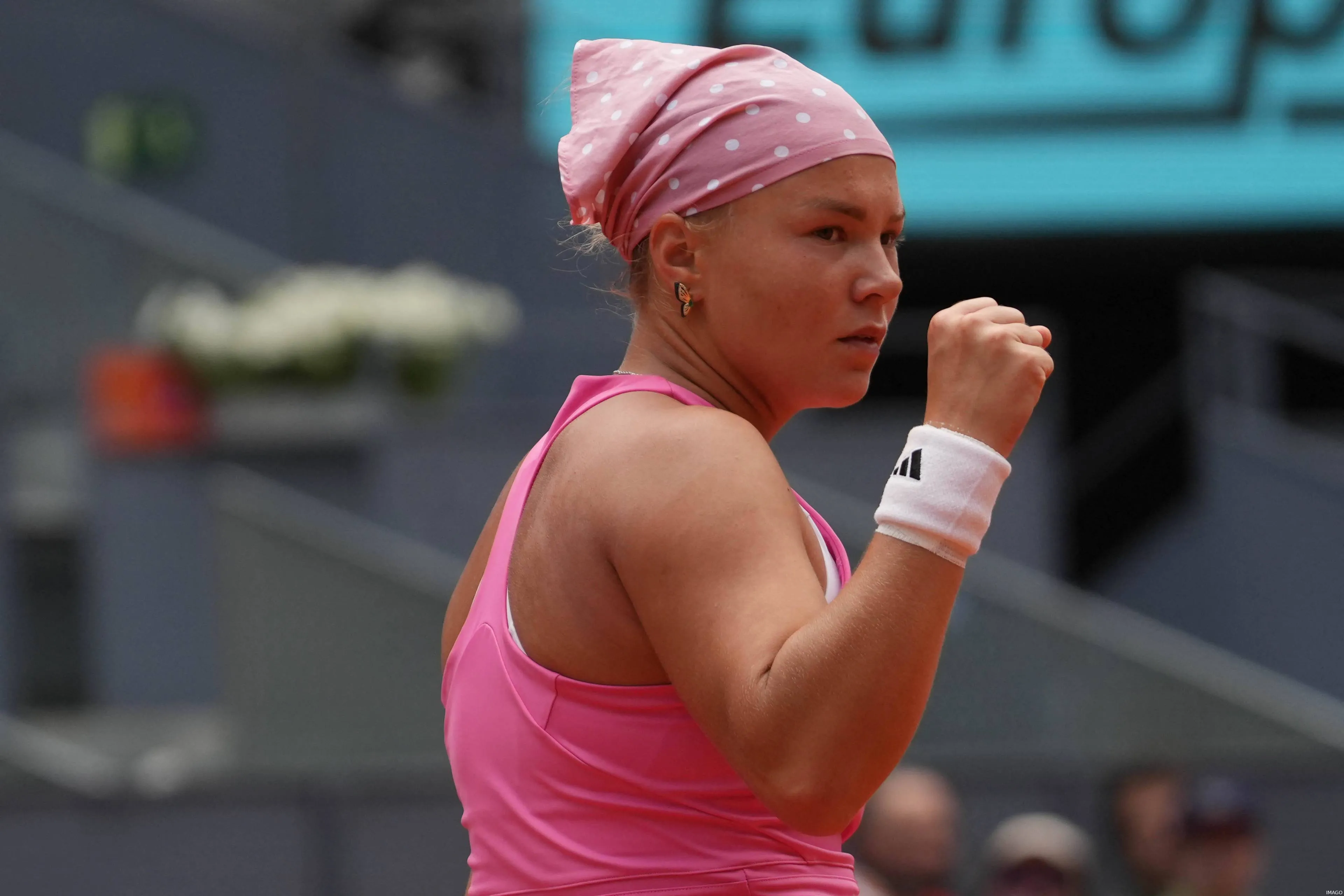
Diana Shnaider referred to Aryna Sabalenka’s visible emotional reactions as a defining element of how the match unfolded at Roland Garros, in a contest that ultimately became the biggest win of her career. The World No.25 framed those moments not as distraction, but as part of her reading of the momentum shift on Court Philippe-Chatrier.
The Russian described her approach as increasingly focused on internal control as the match progressed, particularly in a second set where she faced two breaks of deficit and appeared close to defeat before reversing the situation. That adjustment came in parallel with Sabalenka losing stability in key phases of the encounter.
The final scoreline, 3-6, 7-5, 6-0, reflected a complete turnaround after Shnaider had been under sustained pressure from the World No.1, who had dictated large sections of the opening part of the match. The comeback was completed through a run of ten consecutive games that closed the contest decisively.
Sabalenka’s level dropped sharply in the closing stages of the match after a competitive start, ending her bid for a first Roland-Garros title and marking one of the most abrupt reversals of momentum in this stage of the tournament.
Read also
Tactical shift and momentum reversal
The turning point of the match came when Shnaider abandoned extended patterns of variety and instead committed to a more direct, aggressive baseline approach. Trailing 5-3 in the second set and struggling against wind conditions, she identified the need for structural change in her shot selection.
“I feel like at 5-3, I was in opposite side from the coaches' boxes. I was playing against the wind and then Aryna putting pressure,” the former world No. 11 said at press conference. “I was like, I got to think of something different because I was trying to go for like more variety, you know, trying to put more spin, like the slices. So it didn't work.”

Diana Shnaider at Gazprom exhibition
She described the adjustment as a conscious decision to increase first-strike tennis and reduce passive exchanges, particularly against Sabalenka’s depth and pace. “I was like, you know, like 5-3, whatever. I have to change something up now. And I feel like I kind of like just had a relief where I was like, I got to go for my shots.
“I have to be more aggressive. I got to step in because she's pushing me too much back and just winning those short rallies.”
That tactical reset coincided with a noticeable increase in Sabalenka’s unforced error count, allowing Shnaider to level the match and seize psychological control heading into the third set.
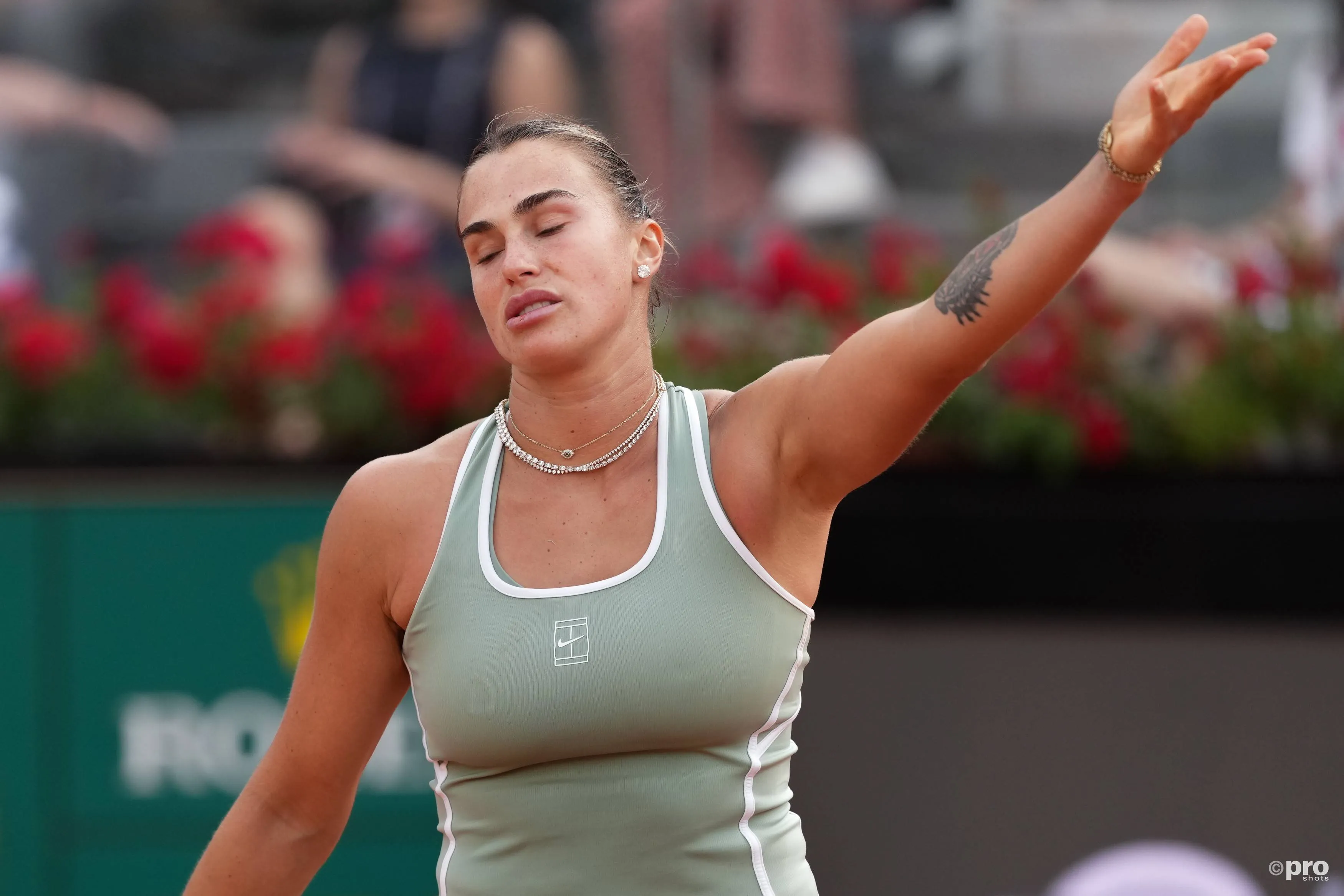
Conditions, composure and collapse of world No.1
The match was played in difficult, wind-heavy conditions that significantly affected timing and movement on Court Philippe-Chatrier. Shnaider noted the unpredictability of the surface, including dust and wind gusts that disrupted sliding on clay and altered shot trajectories.
“The conditions were very tough. It was a lot of some dirty shots. Very unpredictable. A lot of wind, a lot of sand. But I was just, you know, I feel like I was a little annoyed more in the first set.
Despite the disruption, she stressed the importance of maintaining focus on controllable factors rather than external conditions or opponent reactions. Sabalenka, meanwhile, appeared increasingly frustrated as the match progressed and momentum shifted.
“I just tried to keep reminding myself that it's the same conditions for both of us. Like, I gotta just admit that it's tough. And I just need to figure out what I have to do. Like, where the wind is going. What should I do from this side? What should I do from the opposite side?”
Aryna Sabalenka wasn't happy with her box during her quarter-final loss at Roland Garros... pic.twitter.com/a1imjzGRxt
— TNT Sports (@tntsports) June 3, 2026
As Sabalenka’s level declined, Shnaider maintained a narrow emotional focus on execution rather than opponent behaviour. She explicitly referenced remaining centred on her own decision-making process, point by point, as the match destabilised.
“For sure, there were a lot of moments where I could be also super pissed at myself and super frustrated with everything that was happening. But again, I feel like when I saw her being emotional, I was like, yes, you’re in the right direction.”
“You’ve got to stay. You just focus on yourself. Don’t focus too much on her, what she’s talking to her team or whatever she’s doing. I was just trying to only think about myself, what I have to do, and just go point by point.”

claps 0visitors 0
Just In
Popular News
Latest Comments
- Pathetic -- both for her and especially The Sport of Tennis. Wealthy bored people with hopelessly inflated EGO's need to settle for a Hobby. Stop interfering with promising young players' rights to compete!!
 mandoist01-06-2026
 - With the non-stop back-to-back WTA tourneys how does one find time for enlargements?mandoist01-06-2026
- People like Tiafoe, who lose sight of their roots, need to be reminded of who they once were! It's almost too late...mandoist31-05-2026
- She gonna dress like a Tennis Player or Minnie Mouse this time? Unserious brain.mandoist31-05-2026
- "...that way I can talk through my clothes" Wow! Ironically 'mentality' is mentioned in this needless article. Geez.mandoist27-05-2026
- I did the common sense thing... turned it off.mandoist27-05-2026
- Osaka seems to have 'lost the plot' some time ago. Distraction, distraction, distraction.. WTA lost The Plot quite some time ago as well.mandoist27-05-2026
- This one continues to find ways to distract herself from The Game; more than anyone since her "heroes" The Williams. Hope she's not turning into her 'unnecessarily opinionated' father.mandoist27-05-2026
- How unfortunate. Martinez stands far & above these others in effective coaching (and personality).mandoist26-05-2026
- What a Simp.mandoist26-05-2026

Loading