“I want to quit tennis right now”: Aryna Sabalenka after shock collapse vs Shnaider at Roland-Garros
WTA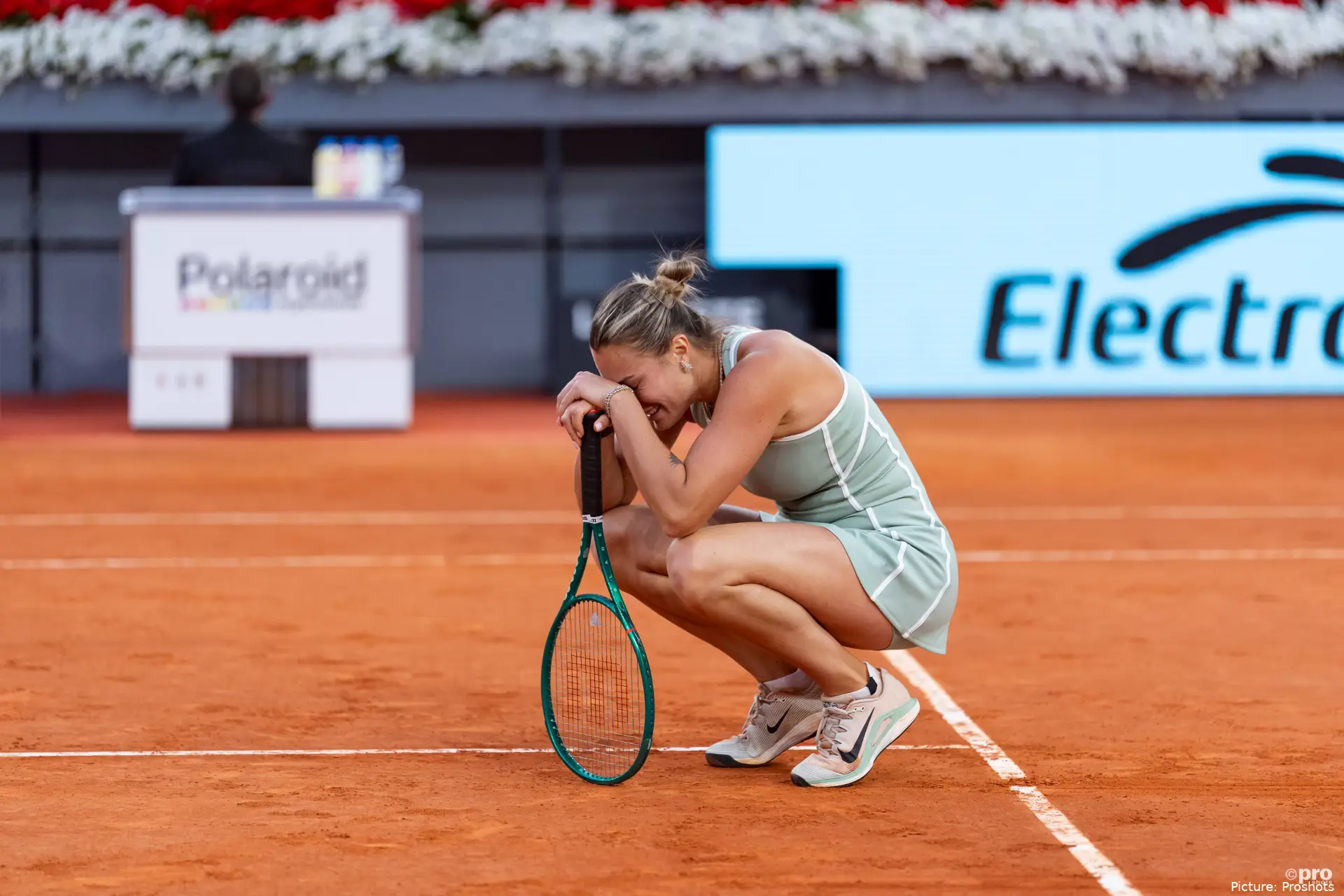
The defeat of Aryna Sabalenka in the quarter-finals of Roland-Garros against Diana Shnaider sank deeply into the mind of the world No. 1. After leading comfortably by 6-3, 4-1, the Belarusian ended up surrendering the match, with Shnaider producing a surprise by eliminating the main title favourite who was still alive in the tournament.
Sabalenka did not hide her disappointment in the press conference and even admitted that her strongest emotion – at least when sitting in front of the microphones – was “I want to quit tennis right now.” The four-time Grand Slam champion suffered a painful defeat, especially considering her clear favoritism against Shnaider and an open draw heading into the final rounds in Paris.
The result was not only a defeat, but a collapse she herself struggled to contextualise in real time. The match ended with a stark psychological contrast: early control followed by complete disintegration under pressure. Sabalenka’s post-match reflections centred less on tactical breakdown and more on mental fragmentation during key phases of the contest at French Open.
The 27-year-old Belarusian also stated that she felt “into a very deep, deep dark hole”, after failing once again in her attempt to fight for a Grand Slam title. Sabalenka again falls short in her search for a Grand Slam title outside hard courts, and once more came close – reaching the quarter-finals for the fourth consecutive year – although she could not defend the points from the 2025 final.
Mental collapse and loss of control
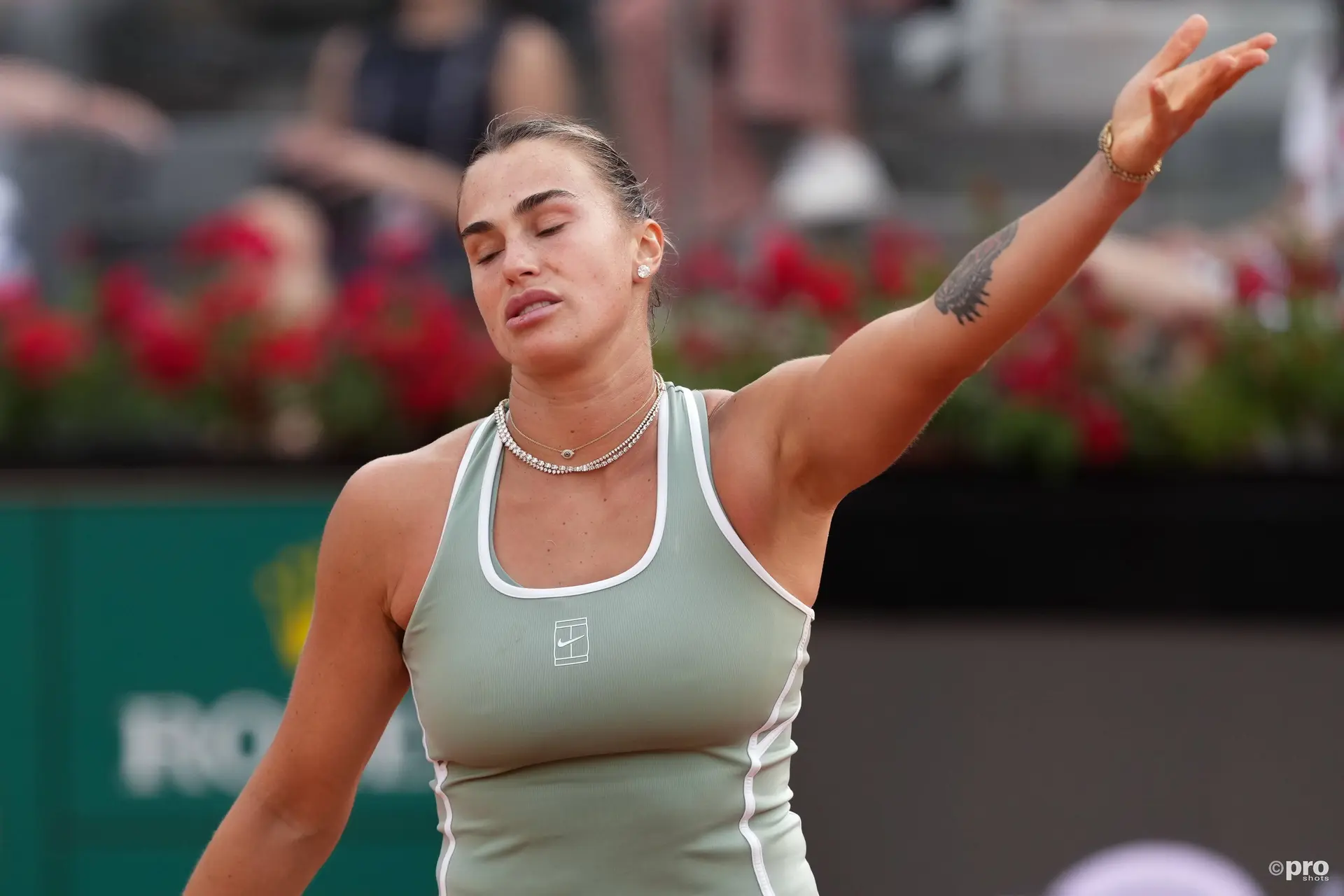
Sabalenka’s explanation of the defeat begins with the second set, which she identifies as the structural turning point of the match. Her language is extended, reflective, and self-critical, rather than fragmented into short answers. “I had very decent opportunities in the second set,” the world No. 1 said in the press conference. “I screwed up, and then she stepped in and she played great."
“I felt like mentally I couldn’t really recover after the second set. I think that was the mistake for me. I don’t know when was the last time that happened to me, that I lost ten games in a row. I guess mentally I got into a very deep, deep dark hole over there, and I just couldn’t get back on track mentally.”

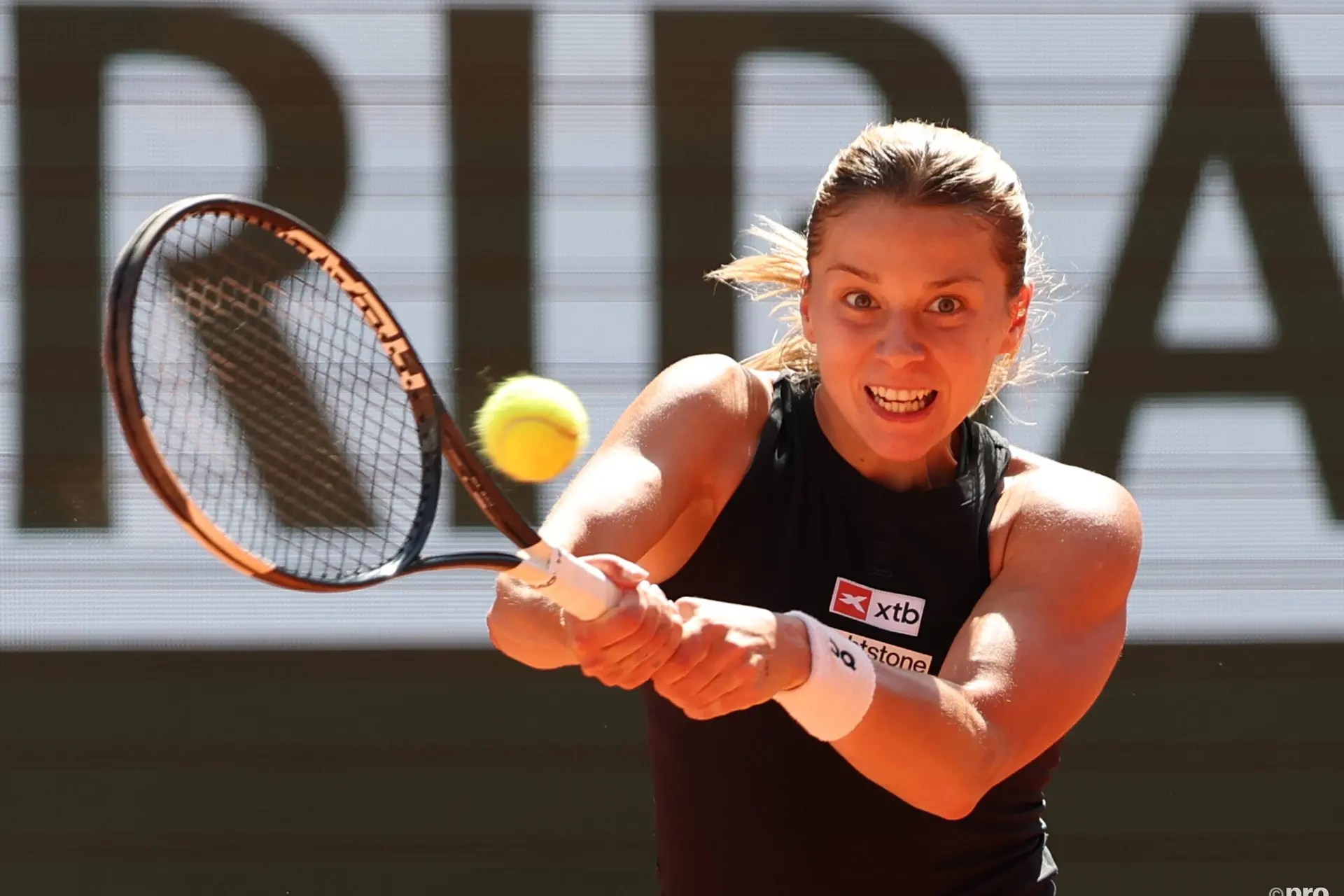
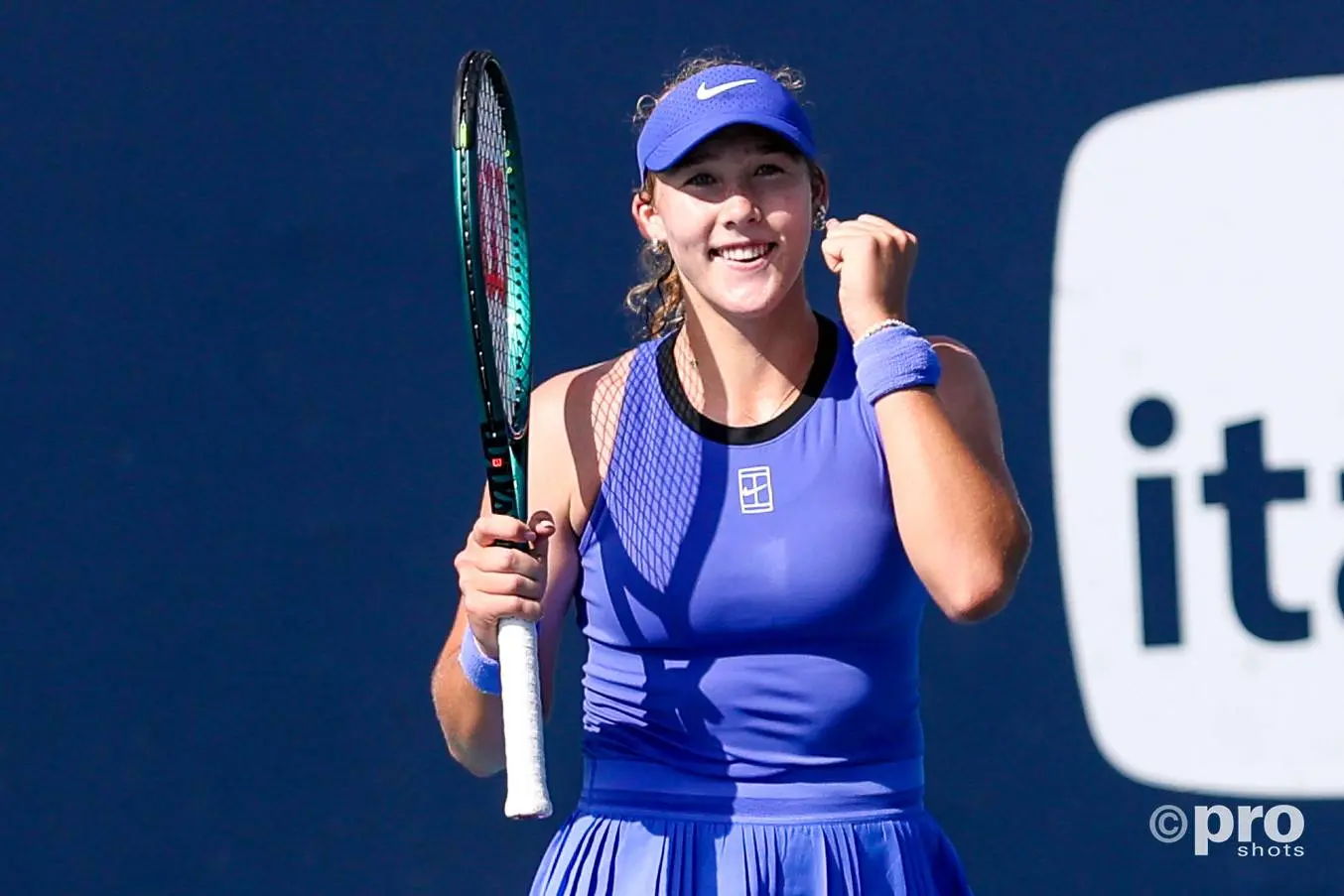
Aryna Sabalenka during her match at Roland Garros 2026
The key element in her analysis is not technical decline but psychological inertia once momentum shifted. She repeatedly returns to the idea that recovery did not occur once control was lost. The phrasing “deep, deep dark hole” is central to her interpretation of the collapse, suggesting not a brief lapse but a sustained inability to reset competitive rhythm.
“I don’t know why they would keep the roof open”
Sabalenka also addressed external conditions, particularly the decision to keep the roof open during windy play, although she did not present this as justification for the loss. Instead, she described it as a contributing factor to inconsistency during phases of the match.
“That’s another question – I don’t know why they would keep the roof open when it was crazy windy. But how can I complain if for almost the whole match everything was working okay for me, and then it just slipped away? I remember even from last year they kept the roof open for us, and then the next day, in similar conditions, they closed it for the men – to make better conditions and better quality of tennis, I believe.”
Read also
Her comment combines critique with self-limitation: she raises the issue but immediately re-centres responsibility on her own inability to maintain control once conditions became more disruptive.
She also reframes the quality of play during the collapse phase, describing it as unstable and increasingly chaotic once momentum turned. “Even though I was winning, it was very dirty tennis. I don’t know how people could actually sit there and watch,” the world No. 1 added. “And then at some point she stepped in and played unbelievable.”
Overthinking, pressure and psychological loop
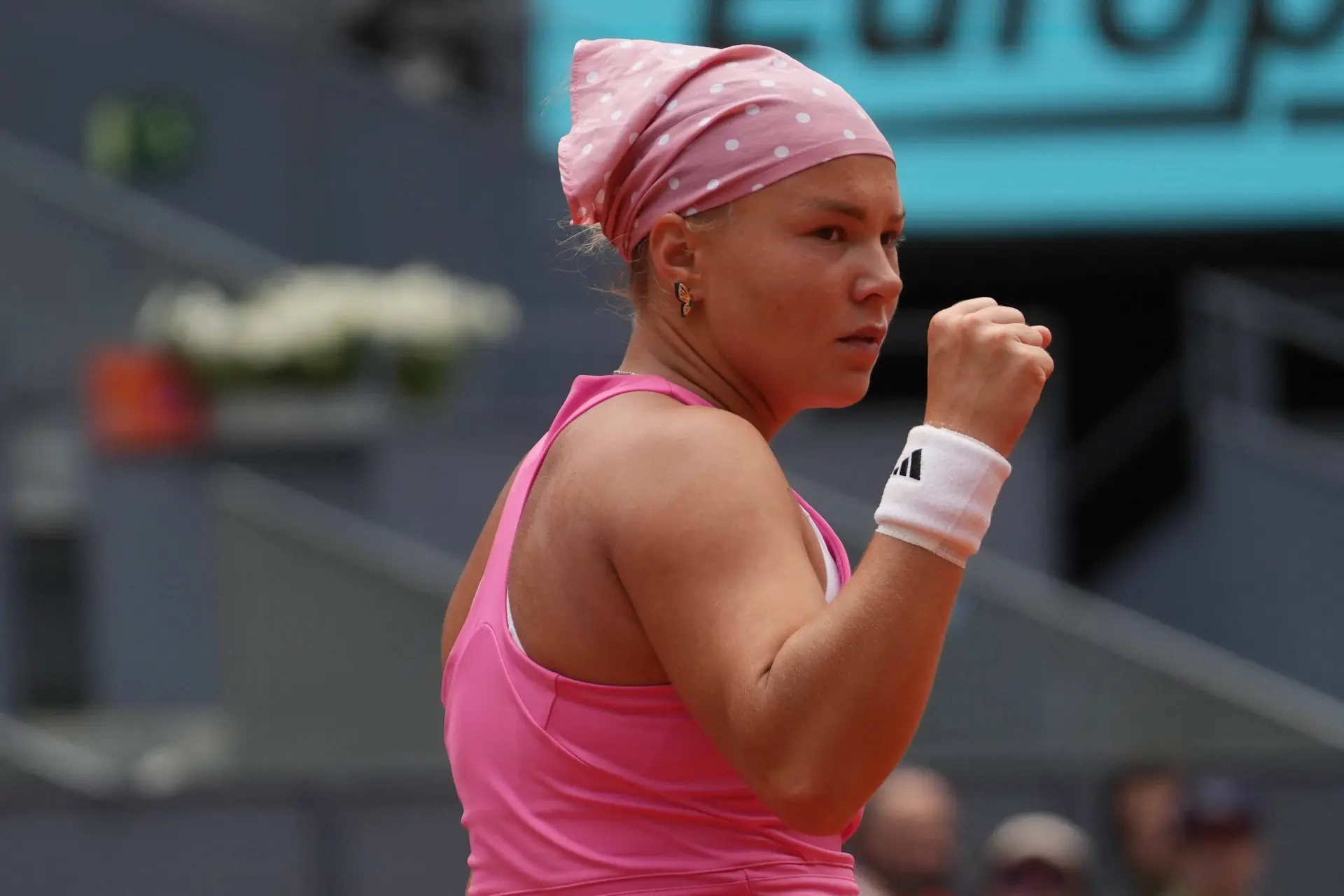
A central theme in Sabalenka’s reflection is the role of mental overprocessing in key moments, particularly in relation to Grand Slam expectations on surfaces where she has not yet won a title. She links this directly to emotional instability during matches.
“I really feel great on clay, I feel great on grass. Maybe I’m focusing too much on the fact that I’ve never won a Slam on them, and maybe that makes me overthink things, makes me over-emotional at some moments. This is something I actually have to step back from and try to find a solution, because I’m so tired of losing like this – not in the best way, just because I was over-emotional.”
“I think it’s a combination of everything. You overthink, then you make easy mistakes, then you miss opportunities — and on the other side she’s stepping in and starting to play more aggressively, more free, kind of fearless. Sometimes it’s really tough to hold the pressure and put it back on her.”
When asked how she would bounce back from this difficult defeat, Sabalenka was honest in her response. The Belarusian said: “I honestly don’t know. I guess I don’t know,” said the 28-year-old. “Well, what doesn’t kill us makes us stronger, I guess. At some point I’ll figure out the situation and we’ll get back tougher.”

Cristhián AvilaTennis Journalist
Cristhián Ávila is a tennis journalist based in Santiago, Chile, and has been part of the TennisUpToDate team since early 2023. He covers the ATP and WTA Tours as well as all four Grand Slams, producing breaking news, match reports, analysis, and regular liveblogs from major tournaments.
His reporting combines statistical analysis with clear explanation, helping readers understand tactical developments, player form, and broader storylines across the tour. Working fluently in both Spanish and English, Cristhián collaborates with an international editorial team and contributes to comprehensive global coverage. As part of his work, he has conducted interviews and media interactions with leading figures in the sport, including Caroline Wozniacki and John McEnroe.
In his journalism, Cristhián places strong emphasis on careful sourcing, editorial accuracy, and updating articles promptly when new, verified information becomes available. His coverage is grounded in research, context, and direct engagement with professional tennis.
claps 0visitors 0
Just In

Popular News
Latest Comments
- Mirra's very funny words have been in my head since yesterday. "If I win the car I have 5 people in my box that can drive me around. I will forever be a passenger princess. I have a plan..." And I will never forget how she had me rolling on the floor laughing when asked how she beat Jess Pegula so handily: "I don't know what happened; It must have been the Diva in me". CLASSIC STUFF !
 mandoist15-11-2026
- Can whomever has a microphone in the Final... PLEASE STOP YAMMERING ABOUT YOURSELVES NONSTOP THROUGHOUT THE MATCH???? Get a grip and STFU once in awhile so we can 'hear' the actual play on court.mandoist15-11-2026
- Martina is one of the most competent, knowledgeable, and 99.999% correct in her analysis. Most of all -- WHILE A COMMENTATOR IN MATCHES SHE KNOWS WHEN NOT TO TALK AND DISTRACT FROM THE ACTION !!! Someone please pass that idea on to Austin, Shriver, and whoever else has been f-ing YAPPING throughout the play. How thoughtless and elitist can these people be squawking nonstop throughout an entire game about themselves. STFU, please (I said "please"). Let us 'hear' the game play on court.mandoist15-11-2026
- Tennis "fans" have short memories. This is exactly who Saba always was... granted she found a 'new' persona when she began winning matches and tourneys. Off-court she's always been a racist potty-mouth. Her meanness also shines through when she thinks no one else is around. In short, the "person" you've witnessed in post-match on-court interviews is NOT who she is. As for her familiar "apologies, she can stick that routine in her racquet bags because I never believed her words nor phony "respect" for her opponents -- and I ain't buying that now.mandoist15-11-2026
- Was Saba not paying attention to those who sought an inordinate amount of attention outside of their sport (occupation)... and to the point they lost their focus and eventually their place in tennis? For example: Giorgi, Bouchard, Raducanu, etc. They became infatuated with endless Selfies, videos, podcasts, TV commercials, magazine shoots, and so on. Thus their tennis suffered. Priorities are important.mandoist14-11-2026
- I, like writer of this wonderful article, also picked Noskova to win this entire thing. I would love it if she and Andreeva are in the final.Rapunzel12-11-2026
- "Priorities", Saba... spend less time in front of cameras, anti-Social Media, selfies and back to Tennis.mandoist12-11-2026
- Tell this to Andreeva!mandoist12-11-2026
- Andreeva with 11 games in a row to add to Saba's downward spiral issue !!! Personal feelings aside... Jess Pegula may want to reassess her evaluation of Mirra's abilities.mandoist12-11-2026
- I predicted whenthe list was finalised that Linda Noskova would win the WTA Finals and her matches against Gauff and Kostyuk prove that. She is the best (underrated) player in the world!Rapunzel11-11-2026
