Kim Clijsters backs Iga Swiatek’s decision to end season early with warning about risk of pushing on
WTA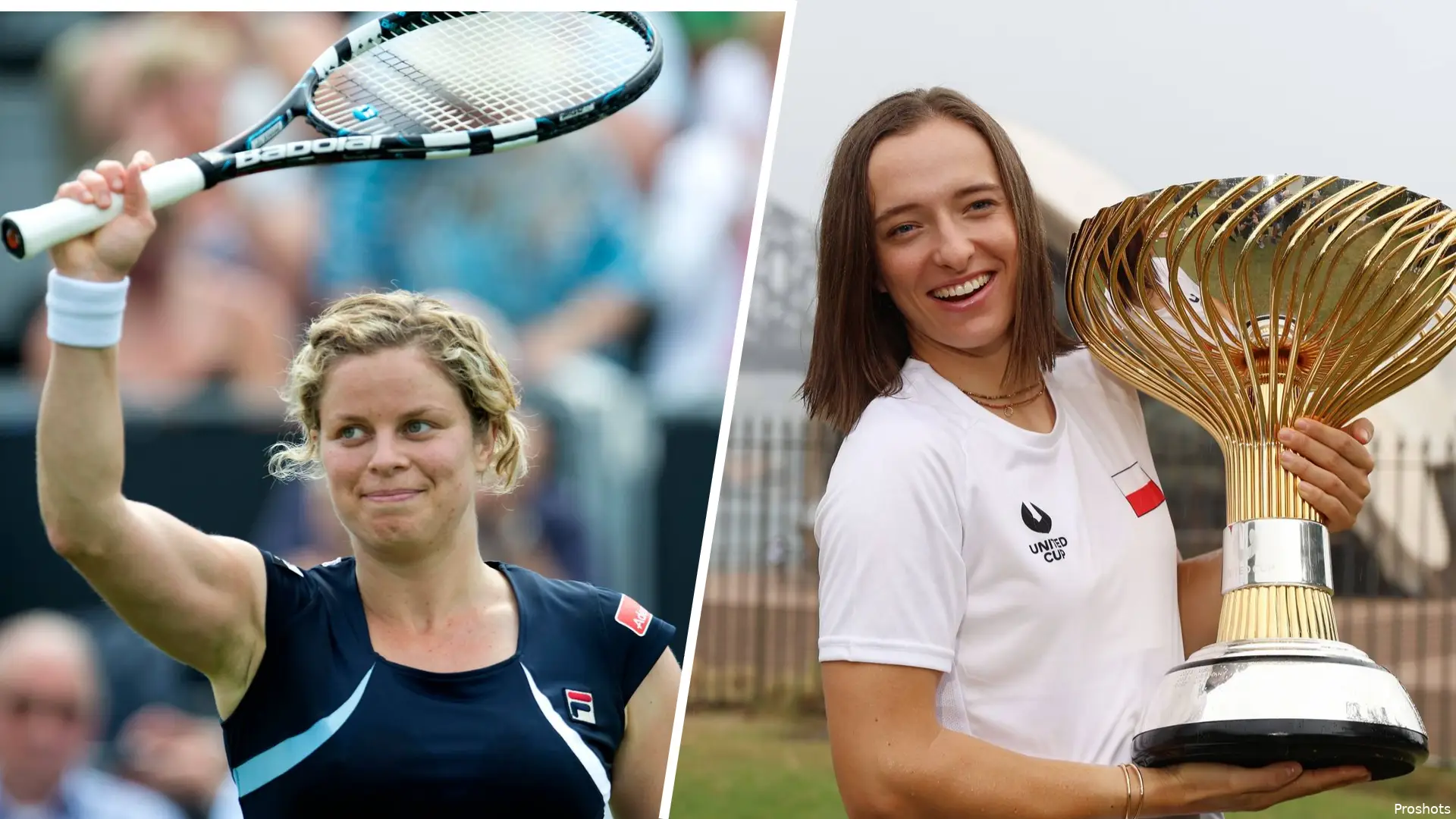
Iga Swiatek has received backing from former world No. 1 Kim Clijsters after deciding to end her 2026 season early, with the Belgian highlighting the risks of continuing to compete when dealing with a persistent injury. The six-time Grand Slam champion withdrew from the Ningbo Open before announcing that she would not play again this year, prioritising her recovery ahead of the 2027 campaign.
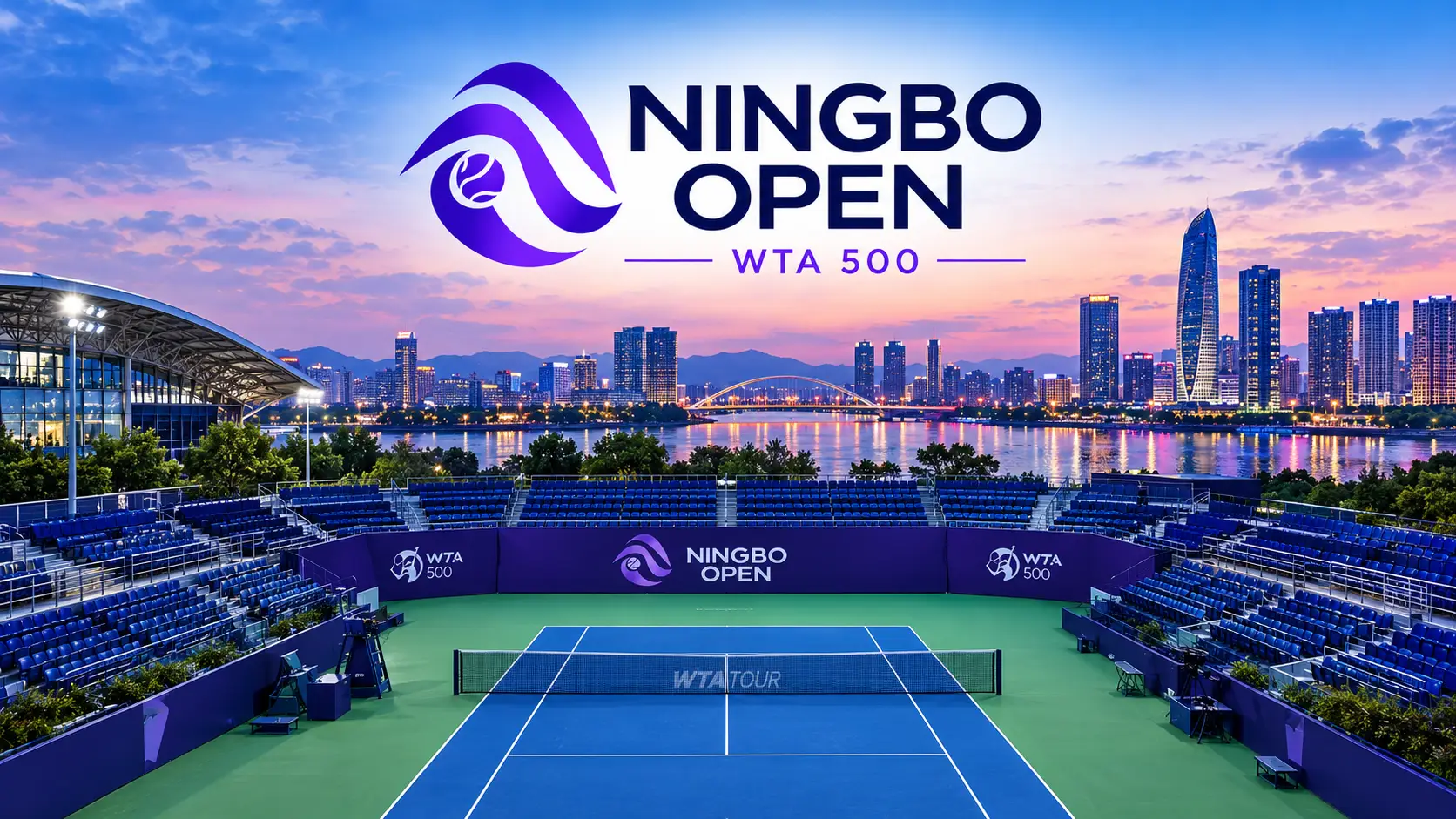
Swiatek’s decision followed a difficult end to her Asian swing. The Pole suffered a left thigh injury during her Wuhan Open semifinal against compatriot Maja Chwalinska, eventually losing 7-5, 6-1. She subsequently pulled out of Ningbo, ending her hopes of qualifying for the WTA Finals.
The 25-year-old explained that the problem had persisted for several weeks and that she needed additional time to recover fully. She also described 2026 as one of the most demanding seasons of her career, pointing to the challenges she had faced over the past few months and years.
Speaking on the Love All podcast, Clijsters supported the decision, arguing that players must consider the potential consequences of pushing through physical problems during the final weeks of a season. The former world No. 1 also drew on her own experience to explain why recognising when to stop can be difficult for professional athletes.
Kim Clijsters explains why Swiatek was right to stop playing
Clijsters acknowledged that the decision ultimately belonged to Swiatek, but she believed the Pole would have carefully considered the implications before bringing her campaign to an early close.
“I'm sure that she's thought it through in great detail. For her to come up with a decision like that, it didn't take just a few minutes. This has been thought about often, and she's had some injuries,” Clijsters said.
The Belgian pointed to the potential cost of continuing to compete while not fully fit, particularly with the next season approaching. “I think it's important to listen to your body and to then realize, like, okay, can I push myself to focus on these last few weeks and maybe get an injury that is going to take longer to heal or that needs longer care?”

Poland's Iga Swiatek celebrates her 6-2, 6-3 win over Kazakhstan's Elena Rybakina to clinch the National Bank Open final
Clijsters then explained why the decision should be considered in the context of the upcoming season, rather than simply the remaining tournaments on the calendar.
“Is it worth pushing it for these last few weeks and knowing that it could maybe make it worse or it could have an impact on what's coming up in 2027?" the former world no. 1 added. "So, in that sense, I do think it's the wise decision.”
The four-time Grand Slam singles champion also cautioned against assuming that the public knows the full extent of a player's physical problems. Swiatek has not disclosed every detail of her injury, and Clijsters stressed that there can be more behind a decision to stop competing than outsiders realise.
“Do we know all the details about it? Maybe it's worse than what she's explaining or addressing,” she said. “Of course, I trust every player when they come up with an end of a season, because there must be more going on than maybe a lot of times what they're showing or expressing.”
Clijsters reflects on her own mistakes with injuries
Clijsters also shared a personal example of why players can struggle to recognise when they need to stop. Having competed at the highest level herself, she admitted that she had previously underestimated physical problems and continued playing when she should have been more cautious.
The Belgian described how the temptation to keep going can lead players to dismiss symptoms that might require greater attention. “I've definitely been in that situation where I made an injury worse because I was like, 'Ah, you know, I'll figure it out on the court, and it's not going to be that bad.' It's probably just a sore muscle."
She added that learning to distinguish between ordinary soreness and a more serious injury takes experience, and that sometimes players only understand the consequences after making the wrong decision. “It's important to learn those lessons the hard way at times,” she said.
Read also


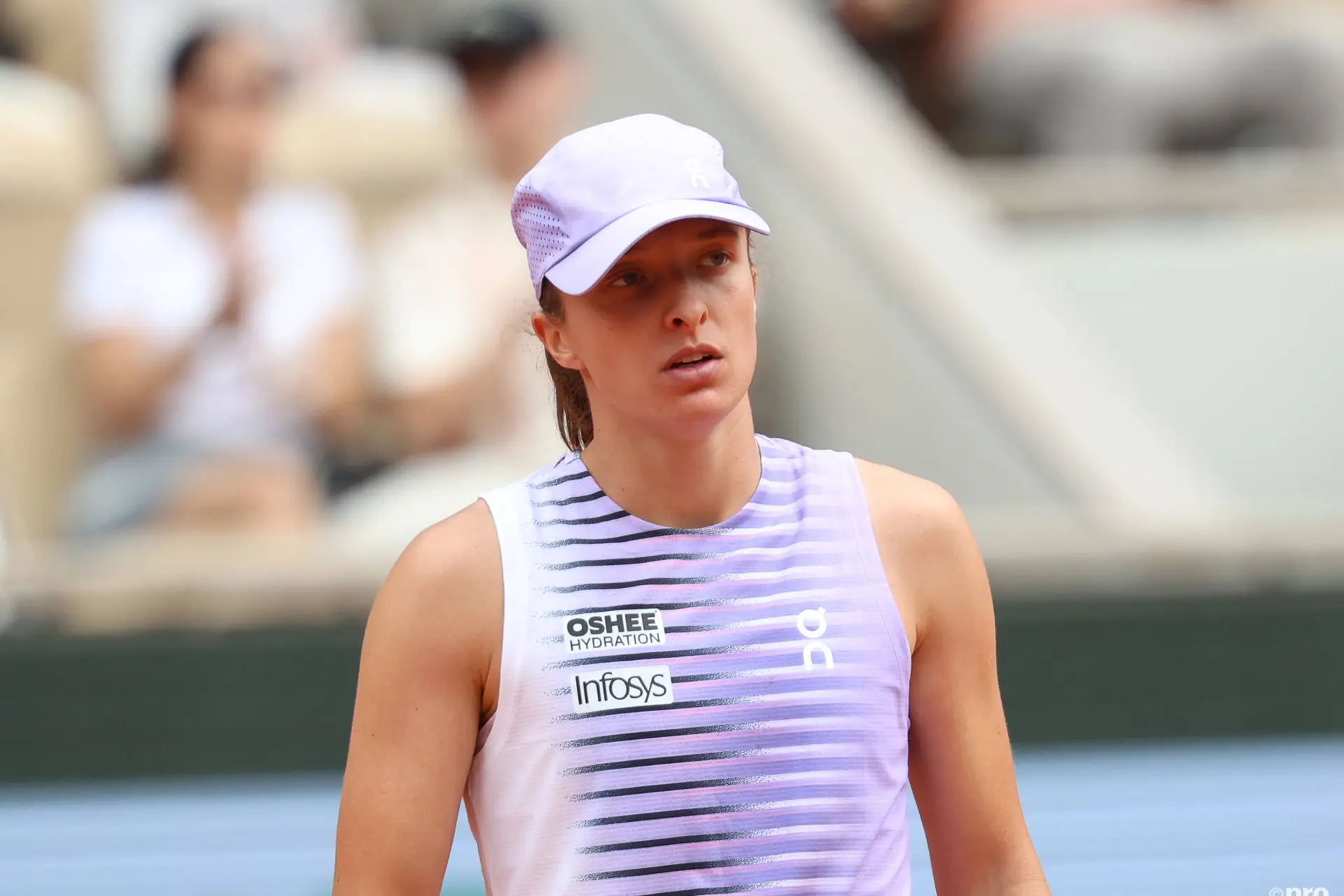
For Swiatek, the immediate priority will now be to recover before returning to competition in 2027. Her season ends without a Grand Slam title, although she won the Canadian Open in August and finished the year with further experience to draw on.
Clijsters' assessment was clear: the short-term disappointment of missing the final tournaments should be weighed against the possibility of carrying a more serious injury into the next season. For a player with Swiatek's ambitions, allowing her body to recover could prove more valuable than attempting to finish the year on court.

Cristhián AvilaTennis Journalist
Cristhián Ávila is a tennis journalist based in Santiago, Chile, and has been part of the TennisUpToDate team since early 2023. He covers the ATP and WTA Tours as well as all four Grand Slams, producing breaking news, match reports, analysis, and regular liveblogs from major tournaments.
His reporting combines statistical analysis with clear explanation, helping readers understand tactical developments, player form, and broader storylines across the tour. Working fluently in both Spanish and English, Cristhián collaborates with an international editorial team and contributes to comprehensive global coverage. As part of his work, he has conducted interviews and media interactions with leading figures in the sport, including Caroline Wozniacki and John McEnroe.
In his journalism, Cristhián places strong emphasis on careful sourcing, editorial accuracy, and updating articles promptly when new, verified information becomes available. His coverage is grounded in research, context, and direct engagement with professional tennis.
claps 0visitors 0
Just In

Popular News


Latest Comments
- Does Sinner need that 4.5 mil? I doubt it. He can make that with three modelling gigs!😅🤣Rapunzel21-10-2026
- Did "People Magazine" purchase this website? This nonstop storyline is bullshit.
 mandoist21-10-2026
- Listen... this is of no concern to anyone but these two. Deal with your own issues -- most of us have our own. Thanks, media, for these insignificant follow-ups which are meaningless.mandoist21-10-2026
- This is so very very sad, for all three of them. I truly thought they had an unbreakable bond, but life throws up so many differing challenges. Having your homeland suffering in such a terrible way, makes happiness lose out to guilt as well. Our thoughts are with them. X💔bjsexton20-10-2026
- I have lost all respect for Svitolina! Could she not have waited until he had played at the Paris Masters!!! She is selfish and don't give a damn about Gael. That is NOT how love is demonstrated Elina!!Rapunzel19-10-2026
- Perhaps convenient tennis tour sex is not a strong enough experience in which to base a marriage?mandoist19-10-2026
- Fight the Good Fight... Tennis (sports in general) need more Humans such as yourself.mandoist18-10-2026
- When is WTA going to mandate Genetic Testing (DNA) ???mandoist18-10-2026
- Hey, Dan... you just wake up from a coma? Regardless -- Thanks for the comedy this morning!mandoist18-10-2026
- Two Things: 1. Stop allowing these Spoiled Trust-Fund Elitists to behave badly. Your little hand-slaps do not deter them. 2. STOP the incessantly annoying "towel wiping" nonsense!!!!mandoist15-10-2026

Loading