“Putting the serve in isn’t enough at this level": Katie Boulter outlines serve fix after Kostyuk loss
WTA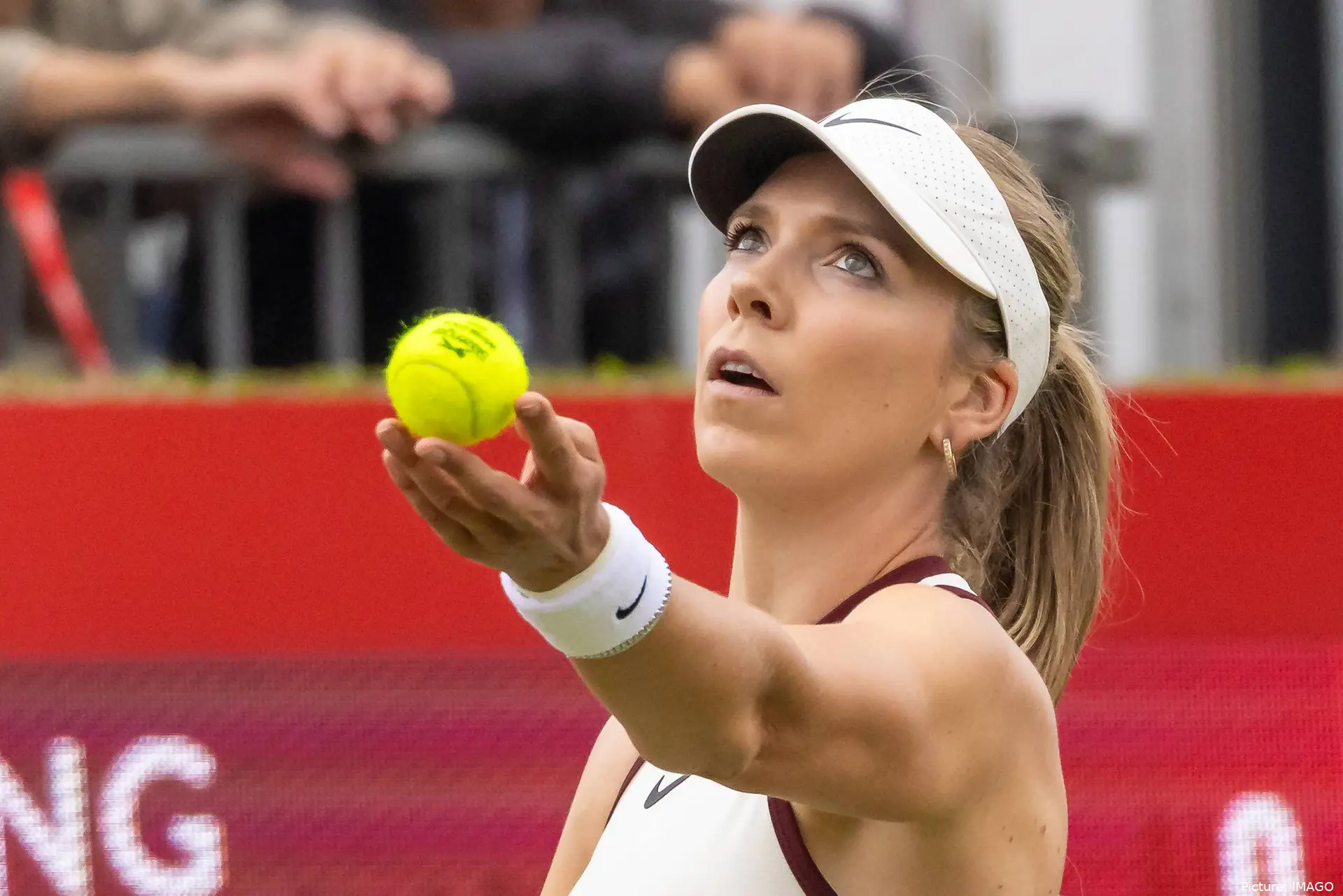
Katie Boulter’s campaign at the US Open ended in a straight-sets defeat to Marta Kostyuk, 6-4, 6-4, but the Brit left Flushing Meadows determined to treat the setback as another step forward in her development. While the scoreboard showed frustration, her tone afterward was one of cautious optimism, particularly about the progress she feels she is making off the ground—even as her serve continues to hold her back.
“I felt like off the ground I was much better than I have been in the last few weeks, which is promising,” Boulter said in her press conference. “It’s a good step forward in that sense. Obviously, there were a few cheap points here or there, but that’s part of tennis. For me, I need to address the serving. We’ve been trying so many different things, but nothing’s quite working yet. If I can sort that, everything else will fall into place.”
The 28-year-old’s serve has long been a focal point of both her strengths and struggles. Injuries to her shoulder and arm have forced adjustments to her service motion over time, leaving her searching for a rhythm that sticks week in and week out.
Against Kostyuk, the inconsistency cost her crucial points, and she admitted she often feels caught between fully committing to a serve and simply rolling the ball in. At the top level, she acknowledged, that isn’t enough: “Putting the serve in the court is not going to get it done.”

Despite the defeat, Boulter painted a picture of a player re-energised after a rocky North American summer. Montreal, she revealed, had been a “pivotal” low point, one that forced her to reset mentally and physically after the first round defeat against Renata Zarazua (1-6, 5-7). “I’ve got this buzz back again, which I kind of lost a couple of weeks ago in Montreal,” she explained. “It springboarded me off the bottom and taken me back up again. Mentally I’m in a really good place, and I feel my game is improving.”
Searching for serve solutions
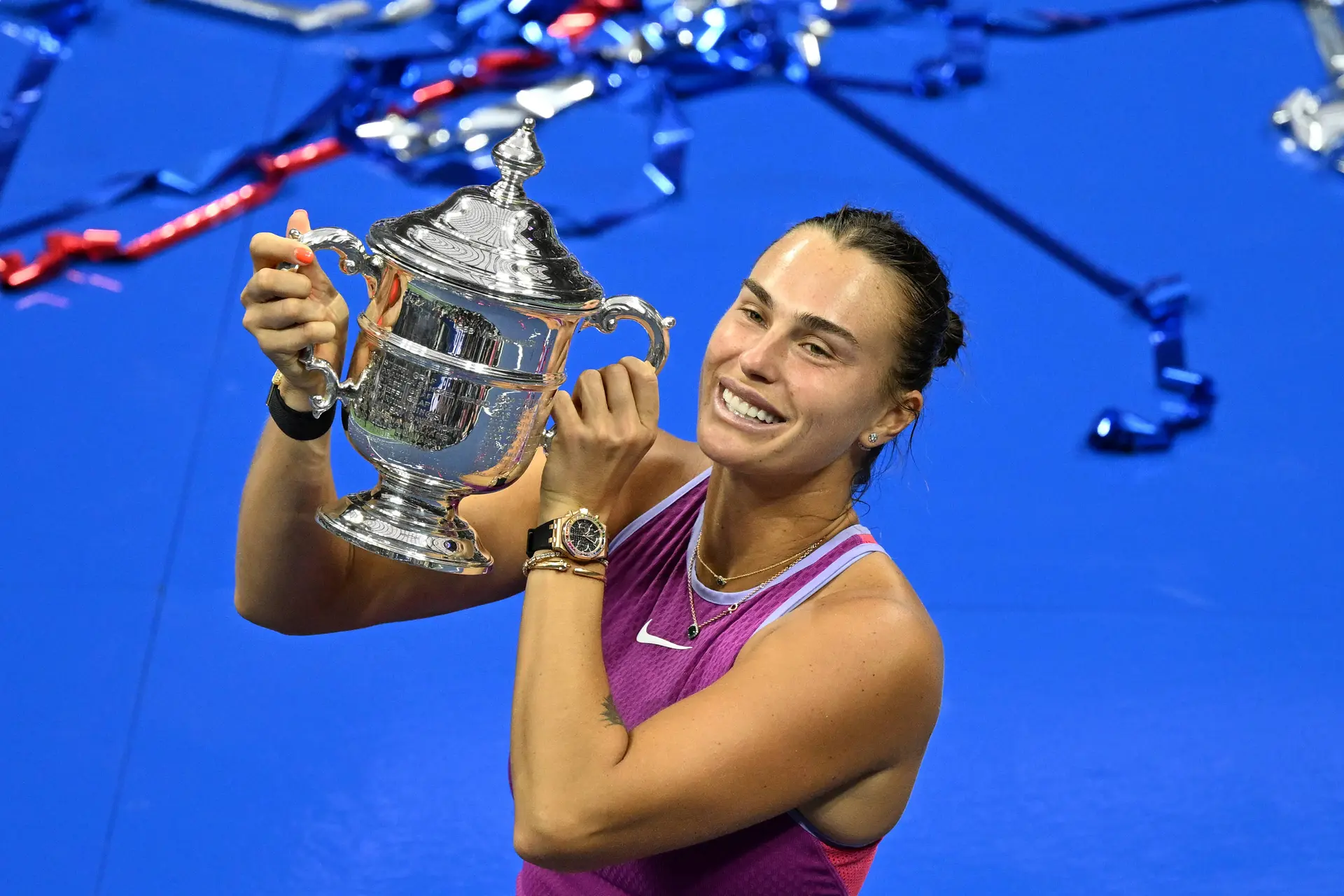
Much of the discussion inevitably circled back to her serve. Boulter admitted that while practice sessions show no major issues, the problem arises in matches where she struggles to trust her delivery. Variation, she feels, is the missing link—too often she becomes predictable, allowing opponents like Kostyuk to step in and dictate from the return. “I just need to fully trust it and go after it, not really caring what the other person’s doing,” she said. “Sometimes I get wrapped up thinking about ball three when I haven’t finished ball one.”
That need for variety has her contemplating new approaches, including the possibility of bringing in an outside voice specifically to help with her serve. She referenced Coco Gauff’s decision to add a specialist to her team as an example worth considering. “My team has no egos, they just want me to get better as a tennis player,” she noted. “I think they’d be completely open to having someone come in and help.”

A Balancing act on and off the court
Consistency in tennis doesn’t stop at the baseline—it seeps into everyday life. Boulter acknowledged that poor runs inevitably affect her mood away from the court, though she credited her support system for helping keep things balanced. “Of course I’d be lying if I said I don’t go home in a bad mood after a loss,” she said. “But I’m very lucky with the people around me who keep me up, keep me going.”
Part of her improvement came from simply taking time off. After Wimbledon she pushed herself harder than ever, only to find her motivation unravel in Montreal. The reset, which included close to a week away from tennis and long conversations with her psychologist, proved crucial. “I probably worked too hard, wanted it too much, and spent more hours on court than I ever have,” she reflected. “Taking time away and focusing on my happiness and enjoyment was the most important thing.”
Looking ahead with optimism
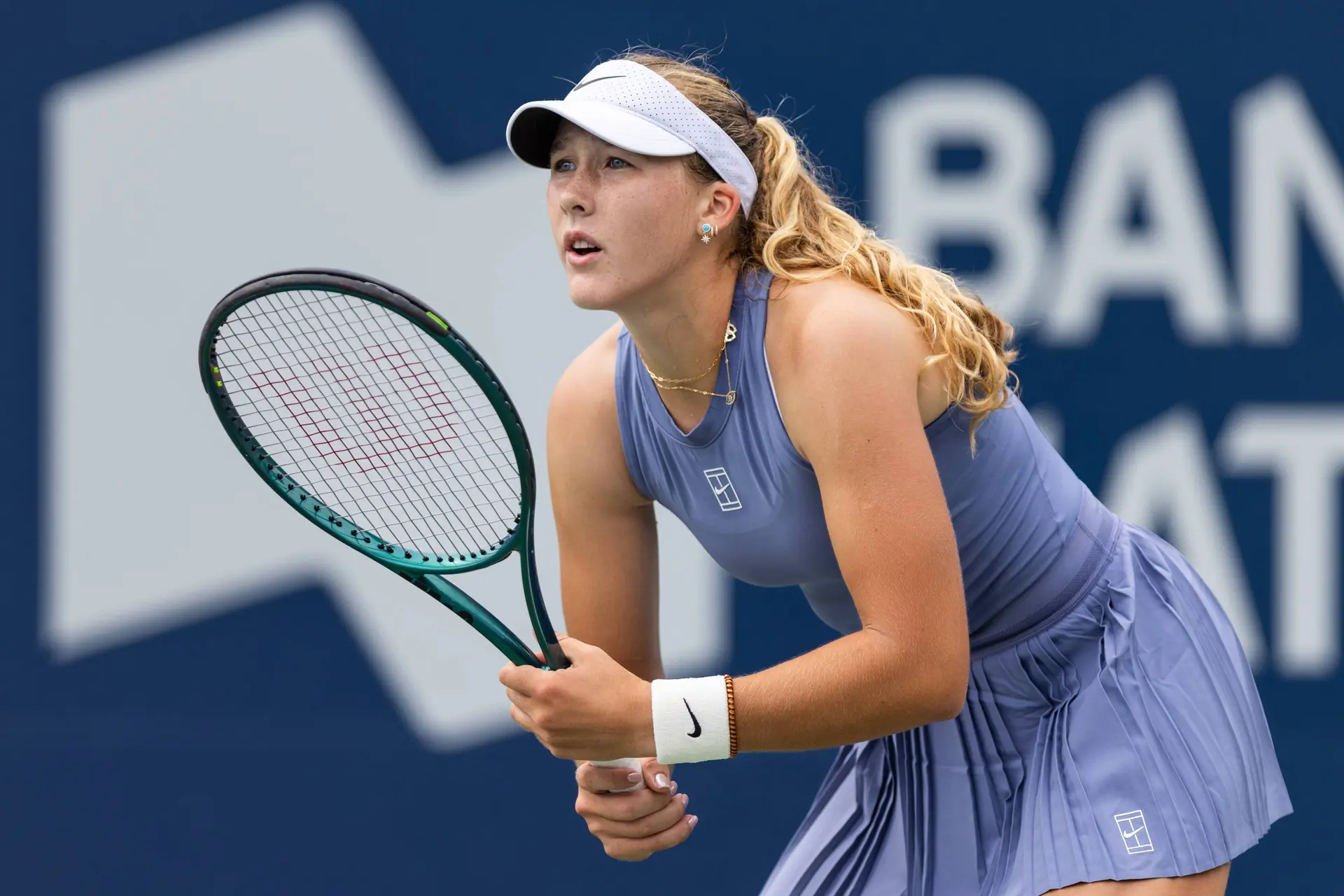
Despite the disappointment of another early Slam exit, Boulter is refusing to wallow. Instead, she is looking toward the future with optimism, particularly with the Billie Jean King Cup looming. Britain reached the semifinals last year and will be targeting a deeper run this time around. “If I didn’t believe it, I wouldn’t have grafted so hard to get us there,” she said firmly. “I think we’ve got a great team, we all play well under pressure, and I think we’ve got another shot at it.”
For now, though, the serve remains the biggest puzzle piece in Boulter’s quest to climb higher. Whether through refining her rhythm, adding variety, or seeking fresh expertise, she knows that unlocking that shot could change everything. Until then, her optimism rests on the foundation that while results may falter, her sense of progress and belief are firmly back in place.
Match Statistics Boulter vs. Kostyuk
| Boulter | VS | Kostyuk |
|---|---|---|
| Service | ||
| 0 | Aces | 9 |
| 8 | Double Faults | 5 |
| 61% (43/70) | 1st Service Percentage | 58% (38/66) |
| 65% (28/43) | 1st Service Points Won | 68% (26/38) |
| 41% (11/27) | 2nd Service Points Won | 57% (16/28) |
| 56% (5/9) | Break Points Saved | 80% (8/10) |
| 60% (6/10) | Service Games | 80% (8/10) |
| Return | ||
| 32% (12/38) | 1st Return Points Won | 35% (15/43) |
| 43% (12/28) | 2nd Return Points Won | 59% (16/27) |
| Other | ||
| 1h 38m | Match Duration | 1h 38m |

Cristhián AvilaTennis Journalist
Cristhián Ávila is a tennis journalist based in Santiago, Chile, and has been part of the TennisUpToDate team since early 2023. He covers the ATP and WTA Tours as well as all four Grand Slams, producing breaking news, match reports, analysis, and regular liveblogs from major tournaments.
His reporting combines statistical analysis with clear explanation, helping readers understand tactical developments, player form, and broader storylines across the tour. Working fluently in both Spanish and English, Cristhián collaborates with an international editorial team and contributes to comprehensive global coverage. As part of his work, he has conducted interviews and media interactions with leading figures in the sport, including Caroline Wozniacki and John McEnroe.
In his journalism, Cristhián places strong emphasis on careful sourcing, editorial accuracy, and updating articles promptly when new, verified information becomes available. His coverage is grounded in research, context, and direct engagement with professional tennis.
claps 0visitors 0
Just In




Popular News
Latest Comments
- One step by another step -- WTA continues to 'lose the plot'. Too many hi-tech microphones being installed at most venues!!! Remove them (especially those along the hallways, sidewalks, and pathways throughout the venues. Not to mention (most of all) remove the mic's from the Players/Coaches Box.
 mandoist06-11-2026
- Enough of her bullshit. Go marry someone.mandoist06-11-2026
- Don't you just love this young lady!? We fans often expect athletes to be supermen and superwomen, often forgetting that they WILL GET TIRED! I love Alex's perspective. Tiredness for an athlete should never be viewed as a negative, especially if you are healthy, taking care of your body and mental health and putting in the work. What a mature perspective. Good for you, Alex!Rapunzel05-11-2026
- Jess is absolutely correct! But the disrespect is a trait I have noticed in most of the Russian players. Mirra is good but very immature and lacks humility. Conceivable needs to get a handle on that!Rapunzel05-11-2026
- Having spent weeks and weeks through the years on tour, I can say with confidence that Conchita was (is) one of the very few who realize the surprising level of maturity (and sometimes lack of) which Mirra seems to have developed in such a demanding adult world of Pro-Tennis. While at the same time reminding herself (Conchita, that is) that Mirra is still young and developing mentally and physically. The general public may forget at times, or not at all realize, these modern era young athletes do not have a 'normal' Youth. It's a major sacrifice, among countless sacrifices, these athletes must make. People who blow-off that fact are ignorant and unfair when they blurt out, "They choose fame so they have to put up with the intrusions on their lives". No, they do not.mandoist05-11-2026
- Okay... someone with a camera was EAVESDROPPING on a private conversation. Shouldn't that be the point of discussion here? Regardless of the sensationalist crap by media, Pegula (and anyone) has a right to an opinion. There used to be an expectation that private conversations were respected, regardless of 'stardom' and whatever other defensive excuses media tries to shove in our faces. Boo-hoo if feelings are hurt. BTW: Having been employed at various tourney venues, etc., I can't tell you how nasty and offensive players can be when discussing their opponents and colleagues... in "private". Well, I could, but won't. I also challenge anyone to deny what Jessica said is false.mandoist05-11-2026
- Vacherot is Mongasque, rather than Swiss. The tournament was Swiss :DTrwd7702-11-2026
- After a couple decades traveling to IIHF tourneys overseas... our family is done with it... and I will not be the only one!! Bad enough the NHL allows Ovachenko (a Putin Supporter and Campaigner) to live and play in the USA. Let's not forget the STATE SPONSORED RUSSIAN DOPING PROGRAMS still in effect today.mandoist31-10-2026
- Osaka's mental state apparently does not allow her to reach any more Quarter Finals? I mean, she doesn't really have the time for tennis with all the pre-planning that must go into her 12 year-old "fashion" goals.mandoist29-10-2026
- With her money one would think she could afford a better team of Psychiatrists?mandoist29-10-2026
