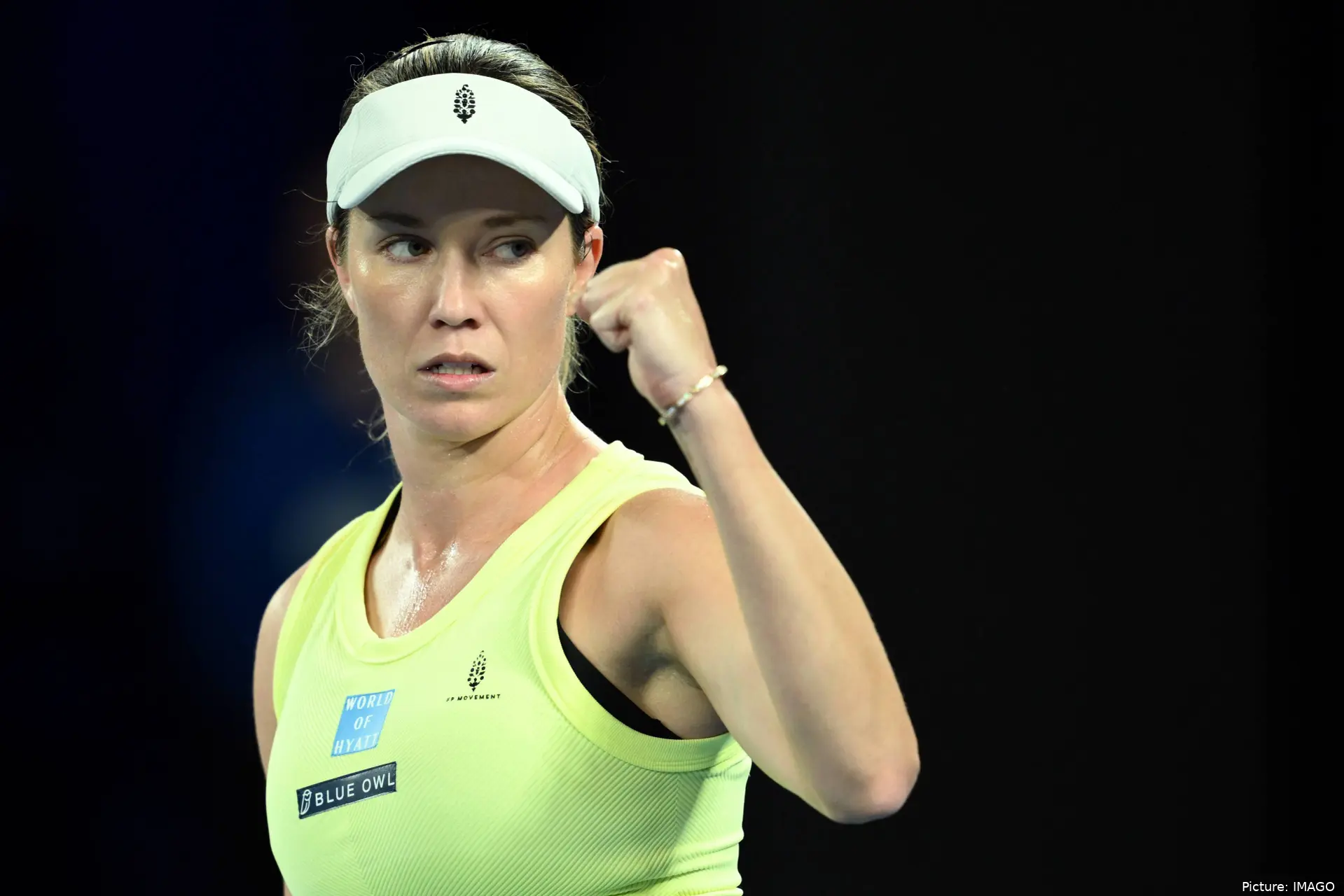
During the first round of
the 2025 Cincinnati Open, tennis fans witnessed a moment that was as raw and
emotional as it was unexpected. Danielle Collins, a once top ten player on the
WTA Tour, broke down in tears on the court during her match against Taylor
Townsend. It was a moment that went far beyond the usual highs and lows of
competition, exposing the human side of an elite athlete grappling with more
than just the game.
The match started
competitively, with Collins losing the first set 6–4. As the second set
progressed to a tense tiebreak, Collins found herself trailing 2–0. It was then
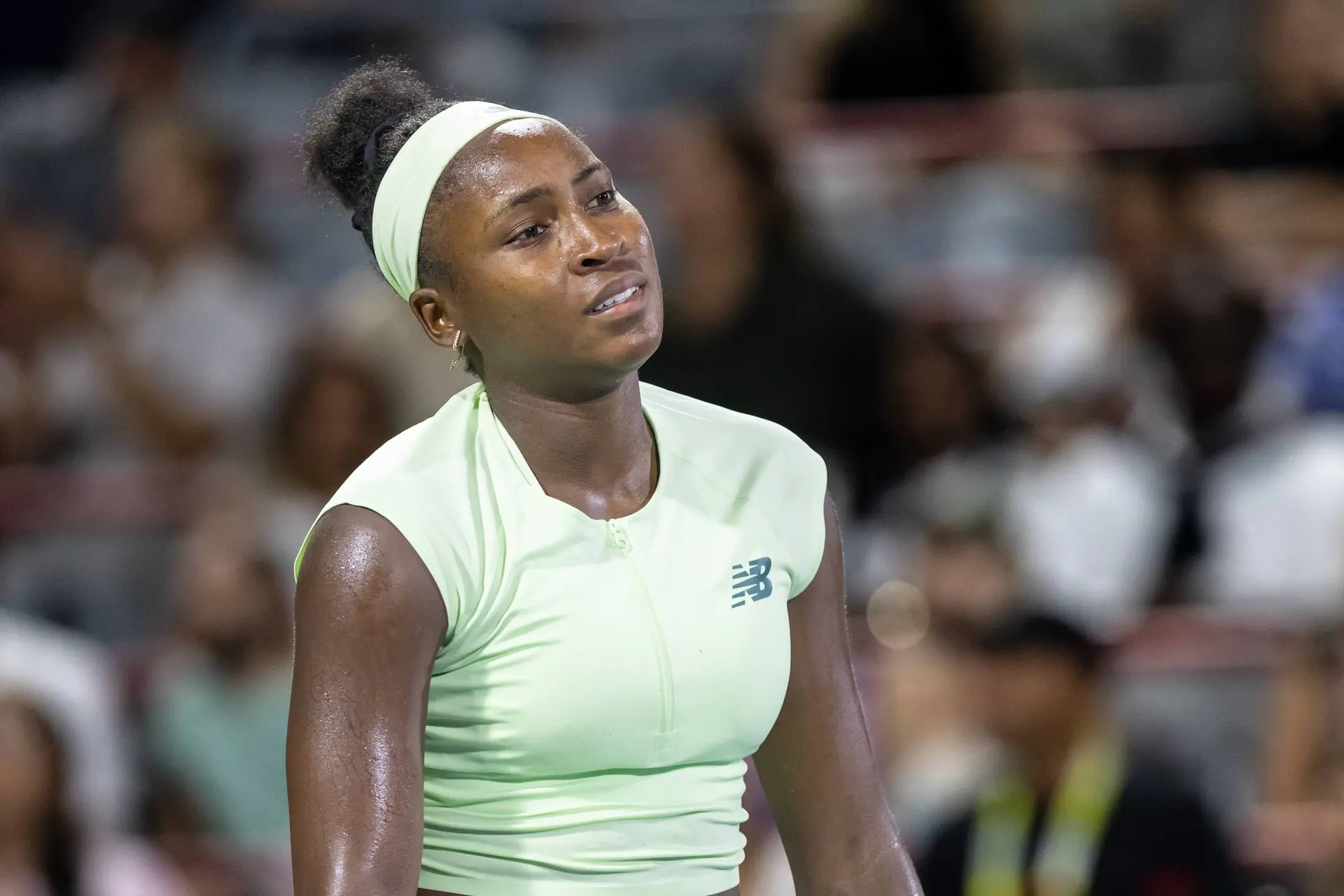
that the emotional floodgates opened. Frustrated and overwhelmed, she turned
towards her player box and shouted, “Why is this happening to me?” before
breaking down in tears. The crowd, sensing the intensity of the moment, fell
silent. It was a rare glimpse into the psychological and emotional challenges
athletes face behind the scenes.
What followed was an
unusually poignant scene in professional tennis. After losing the tiebreak 7–2,
Collins shook hands with Townsend and left the court in a hurry, visibly upset
and leaving behind her belongings. In a heartwarming display of sportsmanship,
Townsend gathered Collins’ bag and handed it to her team. It was a reminder
that, amid fierce competition, empathy and kindness remain central to
sportsmanship.
This outburst did not come
out of nowhere. Collins’ season leading up to Cincinnati had been difficult.
Once ranked as high as No. 7 in the world, she had slipped to No. 61. The early
exits in Washington, Montreal, and now Cincinnati painted a picture of an
athlete struggling to find her form. Rumours circulated that she might have
been unwell during her match with Townsend, a factor that may have contributed
to her emotional response.

The pressures on
professional athletes like Collins are enormous. The expectations to perform at
a high level, the physical demands of the tour, and the mental strain of
constant travel and competition can take a significant toll. Collins’ breakdown
highlighted a reality that many in sports often try to downplay or ignore
athletes are human, with vulnerabilities and emotional depths that don’t always
make headlines.
In recent years, mental
health awareness in sports has gained momentum, thanks in part to high-profile
athletes sharing their struggles openly. From tennis stars to footballers, more
athletes are breaking the silence around mental health issues. Collins’ moment
in Cincinnati added another chapter to this ongoing conversation. It
underscored that the pressures of competition don’t just affect physical
performance; they impact mental and emotional well-being as well.
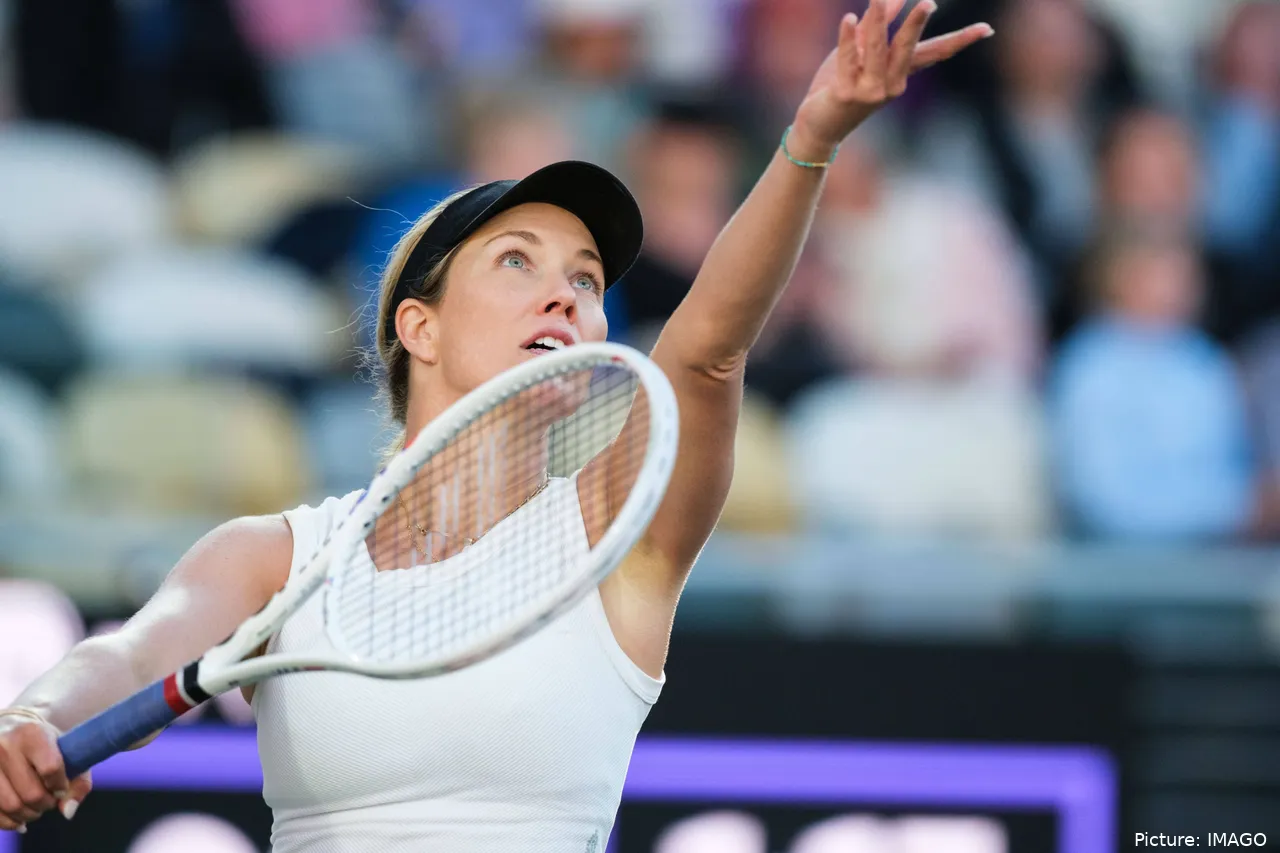
Fans and fellow players were
quick to respond with messages of support and understanding. Social media
platforms filled with tweets and posts from those who admired Collins’ honesty
and vulnerability. Many highlighted the courage it takes to express such
emotions publicly, especially in a sport that often prizes stoicism and
control. Others spoke about the need for better support systems for athletes
dealing with mental health challenges.
Taylor Townsend’s gesture of
kindness did not go unnoticed either. By helping Collins with her belongings
and showing compassion in a difficult moment, Townsend reminded everyone that
even in highly competitive environments, empathy remains essential. Their
interaction showed that sportsmanship transcends winning or losing; it’s about
respect and humanity.
Collins’ breakdown also
sparked discussions about the physical toll tennis takes on players. The sport
demands incredible endurance, agility, and strength, and the grind of the tour
can be exhausting. Injuries, illnesses, and fatigue can compound mental struggles,
making it harder for players to perform at their best. Collins’ situation
appeared to be a complex mix of physical and emotional exhaustion, a reminder
that athletes are dealing with multifaceted challenges.
Looking ahead, the tennis
world and fans hope Collins can find her way back to the top form that once
made her a formidable force on the court. Her talent is undeniable, and her
competitive spirit remains strong. But equally important is ensuring she has
the support needed to manage the mental and physical pressures that come with
elite sport.
This moment in Cincinnati
was a stark reminder that behind every athlete’s name and ranking is a person
with hopes, fears, and struggles. Collins’ tears were not a sign of weakness
but a powerful human response to overwhelming circumstances. They served as a
call to action for the sports community to continue prioritizing mental health
and to recognize that success is about more than just results; it’s about
well-being.
In the broader picture,
Collins’ emotional outburst may be one of many such moments in sports that
challenge the traditional narratives of toughness and invincibility. It
encourages a more compassionate view of athletes, acknowledging their need for
care and understanding as they navigate the pressures of high-level
competition.
As tennis moves forward,
stories like Collins’ will hopefully inspire change, promoting environments
where players feel safe to express themselves and seek help without stigma. The
game is not just about skill and athleticism but also about the mental resilience
and support structures that allow athletes to thrive.For now, fans can only
hope to see Danielle Collins return to the court with renewed strength and
confidence, knowing she has a community behind her that understands the full
scope of what it takes to compete at the highest level.

claps 0visitors 0
Just In


Popular News

Latest Comments
- Does Sinner need that 4.5 mil? I doubt it. He can make that with three modelling gigs!😅🤣Rapunzel21-10-2026
- Did "People Magazine" purchase this website? This nonstop storyline is bullshit.
 mandoist21-10-2026
 - Listen... this is of no concern to anyone but these two. Deal with your own issues -- most of us have our own. Thanks, media, for these insignificant follow-ups which are meaningless.mandoist21-10-2026
- This is so very very sad, for all three of them. I truly thought they had an unbreakable bond, but life throws up so many differing challenges. Having your homeland suffering in such a terrible way, makes happiness lose out to guilt as well. Our thoughts are with them. X💔bjsexton20-10-2026
- I have lost all respect for Svitolina! Could she not have waited until he had played at the Paris Masters!!! She is selfish and don't give a damn about Gael. That is NOT how love is demonstrated Elina!!Rapunzel19-10-2026
- Perhaps convenient tennis tour sex is not a strong enough experience in which to base a marriage?mandoist19-10-2026
- Fight the Good Fight... Tennis (sports in general) need more Humans such as yourself.mandoist18-10-2026
- When is WTA going to mandate Genetic Testing (DNA) ???mandoist18-10-2026
- Hey, Dan... you just wake up from a coma? Regardless -- Thanks for the comedy this morning!mandoist18-10-2026
- Two Things: 1. Stop allowing these Spoiled Trust-Fund Elitists to behave badly. Your little hand-slaps do not deter them. 2. STOP the incessantly annoying "towel wiping" nonsense!!!!mandoist15-10-2026

Loading
