“Arthur Fils can challenge Alcaraz and Sinner”: Boris Becker names three future Grand Slam threats
ATPSunday, 19 April 2026 at 23:45
The current ATP landscape remains defined by the sustained dominance of Carlos Alcaraz and Jannik Sinner, a pairing that has controlled the sport’s biggest stages since the beginning of 2024.
Between them, they have secured the last nine Grand Slam titles, establishing a clear separation from the rest of the field and reinforcing a two-player hierarchy at the top of men’s tennis.
That gap is reflected not only in titles but also in rankings. Sinner and Alcaraz occupy the top two positions with a significant margin, while world No. 3 Alexander Zverev trails by over 7,700 points behind Alcaraz.
Against that backdrop, former world No. 1 Boris Becker has identified a small group of emerging players he believes could eventually disrupt that dominance. Speaking at an event linked to the Laureus World Sports Awards, Becker focused on youth development rather than immediate contenders, pointing to a generational shift still in progress.
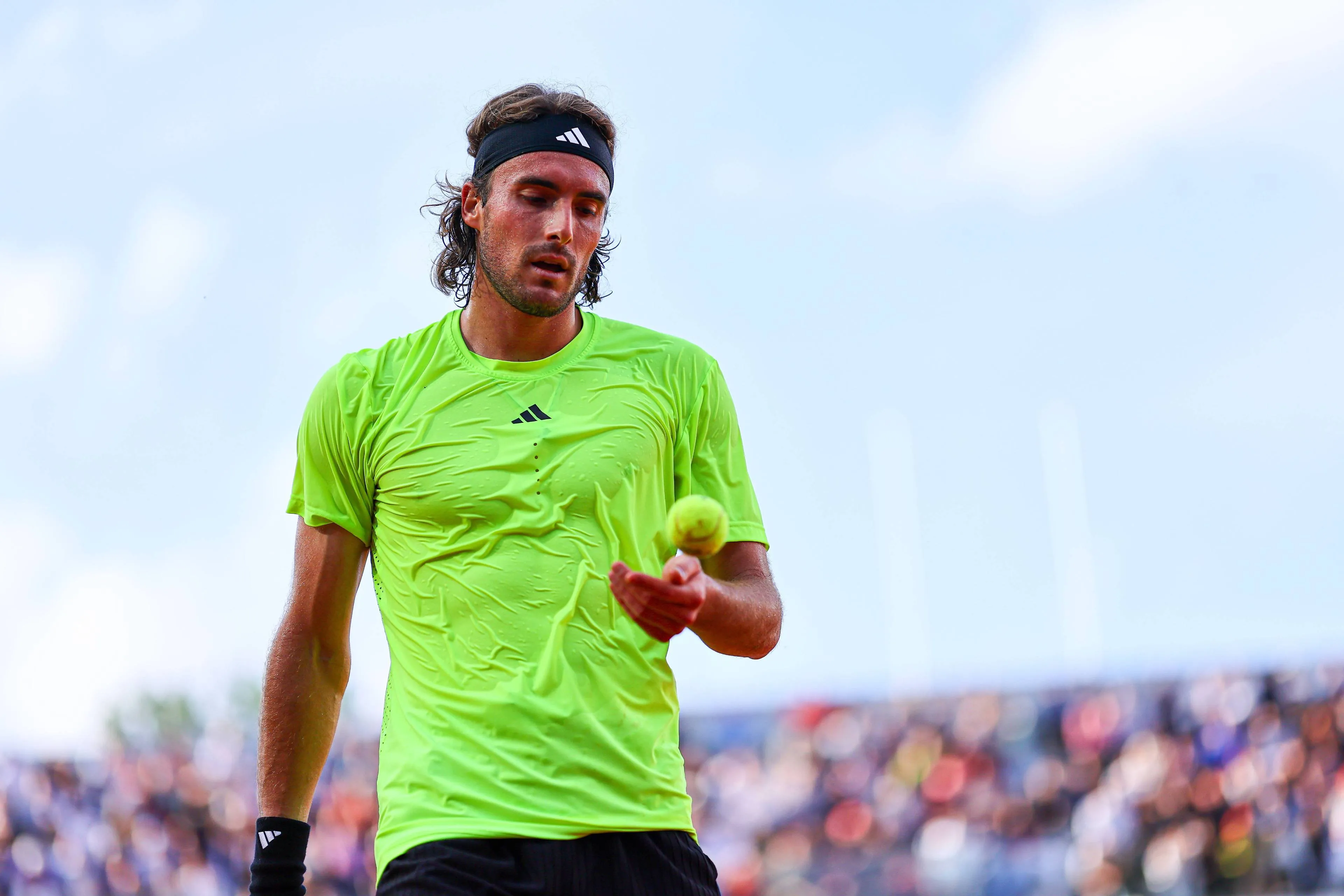
Becker highlights Fils, Tien and Fonseca as future contenders
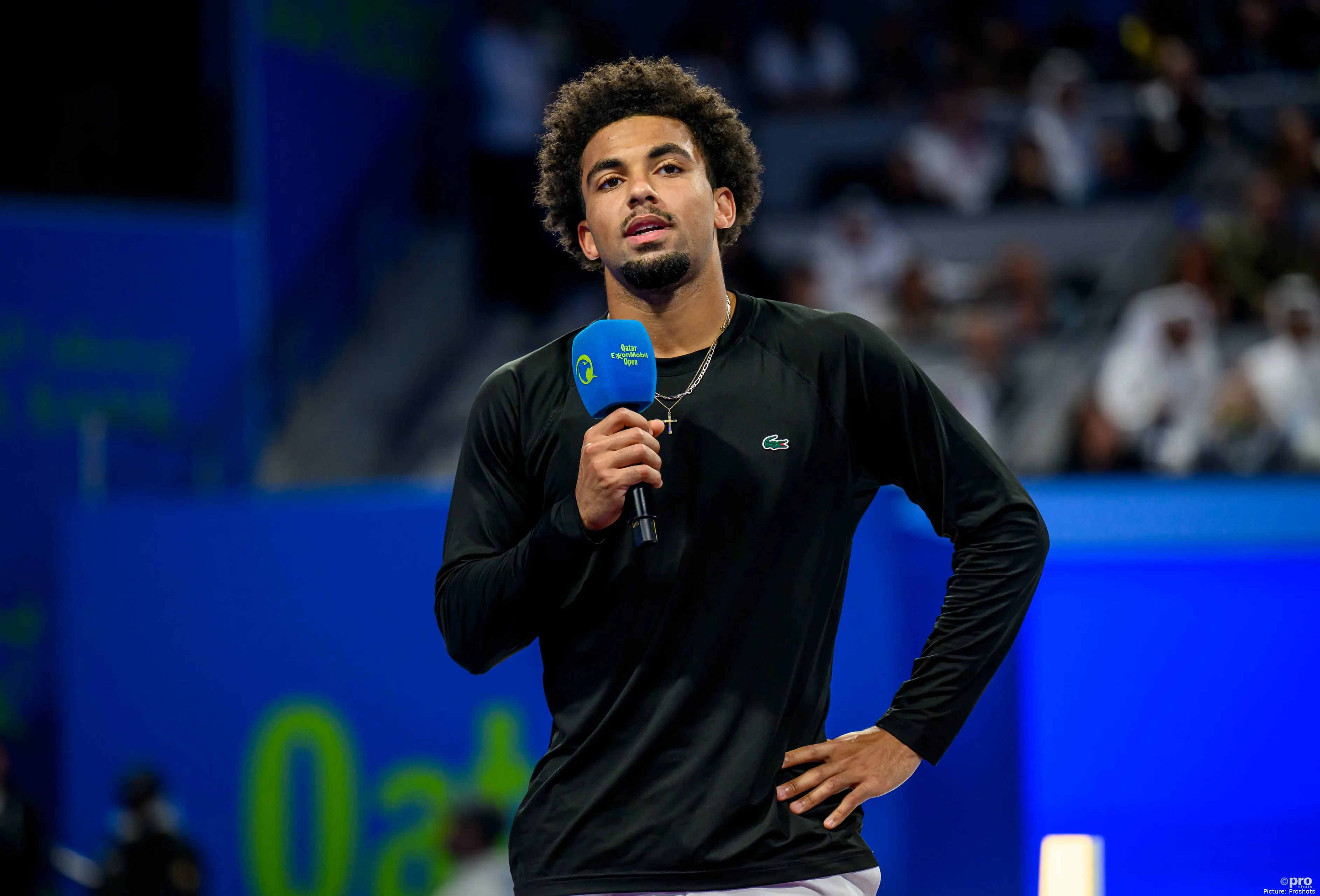
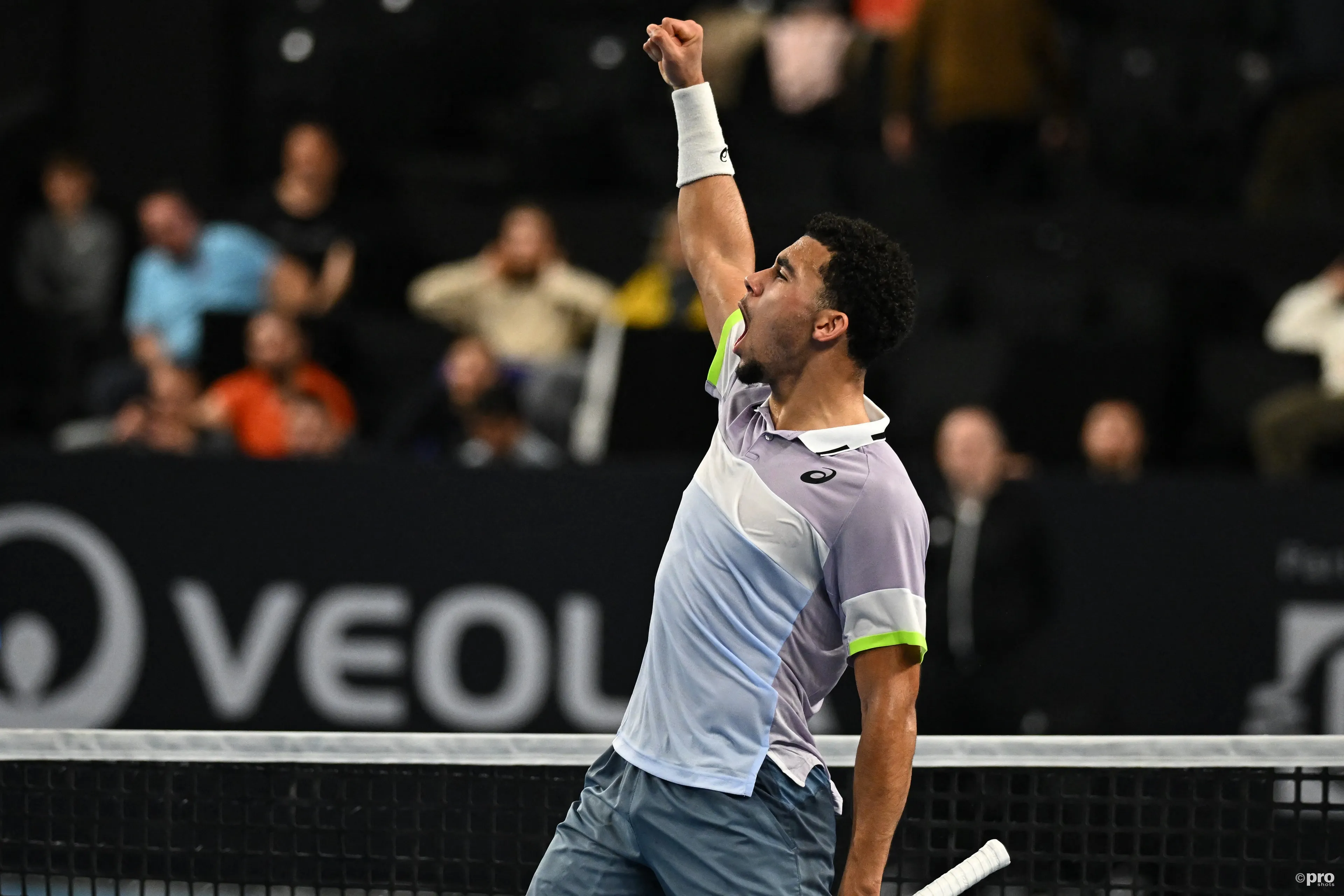
Becker placed specific emphasis on Arthur Fils, whose 2026 season has included a final in Doha and a semi-final in Miami following an injury-affected 2025 campaign. The German pointed to both physical resilience and competitive exposure as critical variables in determining whether Fils can bridge the gap to the top two players.
“I’m still particularly keen to look at the younger players,” said Becker. “I really like Arthur Fils’ return, after being injured for a long time last year. I like how he’s playing this year. Final in Doha, semi-final in Miami.”
“At 21, if he stays in good physical condition, I think he can challenge Alcaraz and Sinner for a Grand Slam title in the future. He just needs to avoid further injuries and keep going like this.”
Becker extended that analysis to Learner Tien, highlighting the influence of coach Michael Chang as a significant developmental factor. “I also really like Learner Tien, who is 20 and improving very quickly. The fact that Michael Chang agreed to coach him speaks volumes. With him, he’ll improve even more.”
The third name identified was João Fonseca, who has already registered notable results at ATP level. Becker suggested that while Fonseca’s current performances are promising, his long-term ceiling may be considerably higher as he gains experience across surfaces and in higher-stakes matches.
“And then there’s also [Joao] Fonseca, of course. He’s had some good tournaments, but I think his future is even brighter," the former owrld No. 1 added. “They need to be there when it counts”
Despite highlighting these players, Becker made clear that closing the gap to Alcaraz and Sinner requires more than isolated results. “All these players still need to refine their game. They need to be there when it really counts. Not just in practice or in the quarter-finals of every tournament. They need to be present in the semi-finals of major tournaments. That’s where Sinner and Alcaraz are at their strongest.”
This distinction reflects a broader pattern on the ATP Tour, where emerging players often break through at ATP 250 or 500 level but struggle to replicate that level across two weeks at Grand Slams. The transition from contender to champion remains tied to repeated deep runs rather than isolated standout performances.
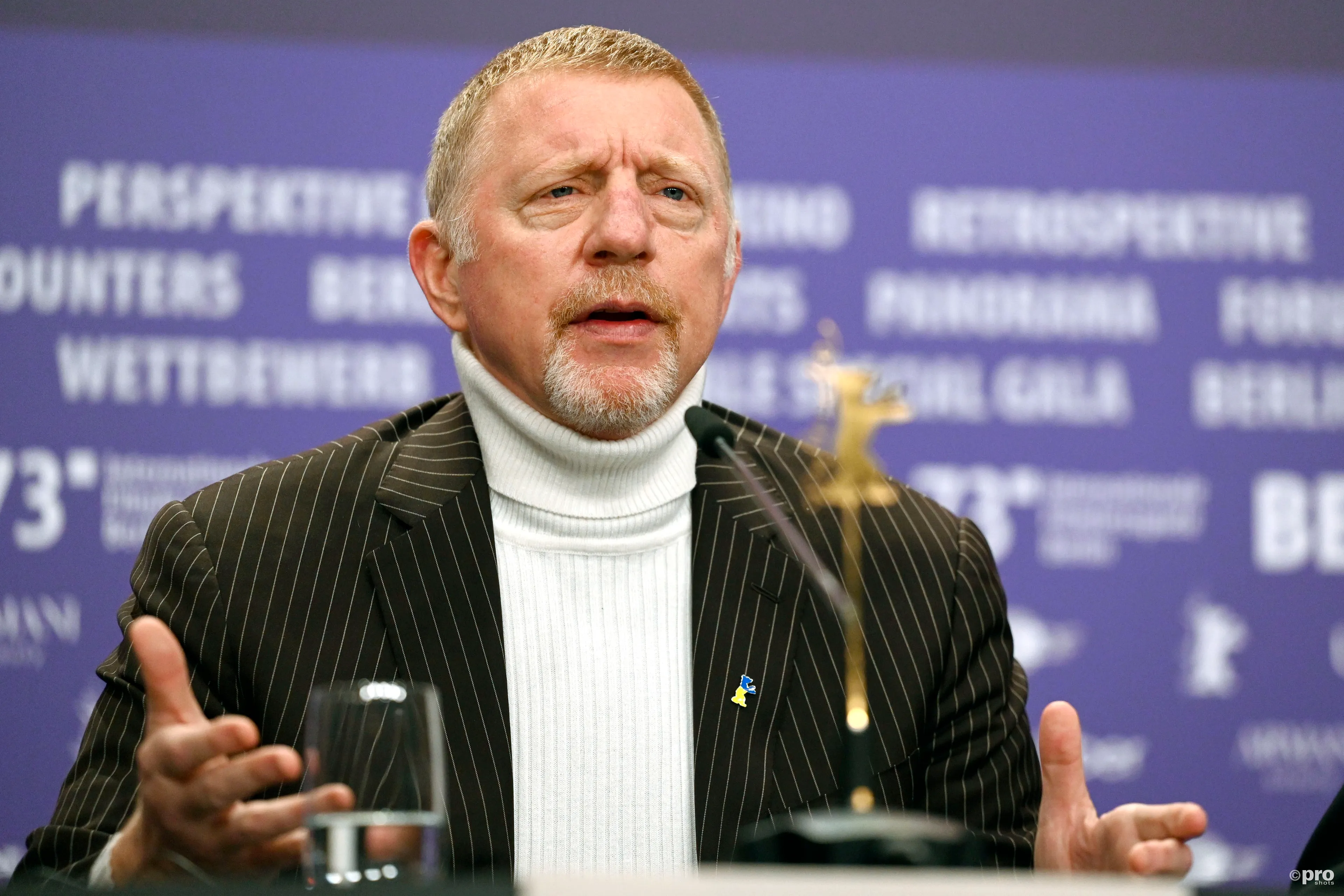
Becker stresses importance of personality in modern tennis
Beyond technical and competitive factors, Becker also addressed the role of personality in the sport’s evolution. He argued that expressive players contribute to the overall appeal of tennis. “We need these players who express themselves on the court and show their emotions. Fans, and anyone who loves tennis, need to see the emotions felt by the players. Players need to be allowed to express themselves and not penalised.”
Becker drew comparisons with the era of the Big Three, emphasising that while personalities differed, emotional expression remained part of the spectacle. “With the Big Three, we had three very different personalities, but there was no drama on the court. Tennis is a spectator sport," the 6-time Grand Slam champion added. "People pay a lot for their tickets and therefore want a show. And it’s the same when you’re watching on television. If a guy serves really well or has a great forehand, that’s fantastic, but we want more.
"We want personalities on the court. So Fils, [Alexander] Bublik, Fonseca, yes, they have that in them. The same goes for the women with Aryna Sabalenka, who is a very strong personality on the tour. For me, it’s really good for tennis when players are so open and honest.”

Cristhián AvilaTennis Journalist
Cristhián Ávila is a tennis journalist based in Santiago, Chile, and has been part of the TennisUpToDate team since early 2023. He covers the ATP and WTA Tours as well as all four Grand Slams, producing breaking news, match reports, analysis, and regular liveblogs from major tournaments.
His reporting combines statistical analysis with clear explanation, helping readers understand tactical developments, player form, and broader storylines across the tour. Working fluently in both Spanish and English, Cristhián collaborates with an international editorial team and contributes to comprehensive global coverage. As part of his work, he has conducted interviews and media interactions with leading figures in the sport, including Caroline Wozniacki and John McEnroe.
In his journalism, Cristhián places strong emphasis on careful sourcing, editorial accuracy, and updating articles promptly when new, verified information becomes available. His coverage is grounded in research, context, and direct engagement with professional tennis.
claps 0visitors 0
Just In

Popular News
Latest Comments
- Nice article: to the point, covers the situation without additional commentary, and flows nicely. This is a breath of fresh air! Thank you -
- Don't be sad. It's just that no one really looks at this site
- What would you know about having a life? 🤣
- Enough of pathetic trolls like you. Putting legend in quotation marks when you spend all day commenting on every post like a complete loser.😂
- If the argument centers on tennis fans, the decision is straightforward. Paula Badosa should not receive wildcards. The risk of paying for a match ticket only to see her retire midway is simply too high. 😁
- Boo-Hoo for BJK and Poland. Sometimes "Life" takes priority over everything else.
- Seems her Groomer is calling the shots again.
- Bonker Becker's opinion aside... Pro Tennis had better get on te DNA Testing bandwagon before other sports carry that torch and appear to force the WTA's hand in this matter!
- BJK Cup is no longer what it once was in the Big Picture of tennis. Time to retire it?
- Enough of this "legend". Put her out to pasture.



Loading