The ATP has outlined major changes planned for 2028, with total player compensation projected to reach $350 million annually, excluding Grand Slams. The proposals cover financial support, ranking points, scheduling and competition formats as chairman Andrea Gaudenzi looks to reshape the Tour under its OneVision strategy.
The plan would increase the ATP’s annual central investment in player compensation and support to more than $100 million. It includes a $50 million Bonus Pool, $25 million in career support for players finishing in the Top 250 of the ATP Rankings, and approximately $30 million in annual pension contributions.
The proposed reforms also aim to reduce incentives for players to overplay, give greater weight to results at major Tour events and create a clearer calendar. However, the package is not final and remains subject to further consultation and approval.
Gaudenzi said the ATP wants to ensure the sport’s growth benefits players across the Tour, while giving fans more opportunities to see the leading players compete against each other.
ATP proposes $100 million in annual player support
The Bonus Pool would increase from $21.5 million to $50 million, rewarding players who compete and perform at the Tour’s biggest events. Under the proposal, payments would be linked to players’ rankings at each mandatory Masters 1000, with eligibility requiring participation in at least four such tournaments.
A separate $25 million fund would support players finishing in the year-end Top 250, helping them cover the costs of competing professionally. Annual pension contributions would also rise to approximately $30 million.

Gaudenzi outlined the reasoning behind the wider package in his open letter. “To stay strong, the sport has to keep evolving. We have a responsibility to strengthen competition, better align incentives and extend support to more players, helping them to address the costs of competing on the Tour.”
The ATP estimates that total player compensation, including central payments, on-site prize money and tournament-level profit-sharing, will reach $350 million annually from 2028. The figure excludes prize money and compensation from the four Grand Slam tournaments.
Ranking and calendar changes aim to reduce overplaying
The ATP also wants results at its biggest tournaments to carry greater weight in the rankings. One proposal would remove the current option for players to replace up to three weaker Masters 1000 results with better results from ATP 500 or ATP 250 tournaments later in the season. The organisation is also considering changes to the number of ATP 250 results that count towards the rankings of top players.

The aim is to reduce pressure on players to enter additional tournaments after early exits and give them more opportunities to recover. As Gaudenzi explained, the principle is to make participation in the most important events more rewarding rather than compulsory.
“Players remain free to build their own schedules, and the sport’s biggest tournaments are where the strongest competition, ranking points and financial rewards come together.”
Calendar reforms would introduce more dedicated weeks for individual tournament categories, reducing clashes between ATP 500 and ATP 250 events. The previously announced 10th Masters 1000 tournament in Saudi Arabia is also part of the broader plan, although the ATP acknowledged that the full calendar reorganisation may not be achieved by 2028.
Read also
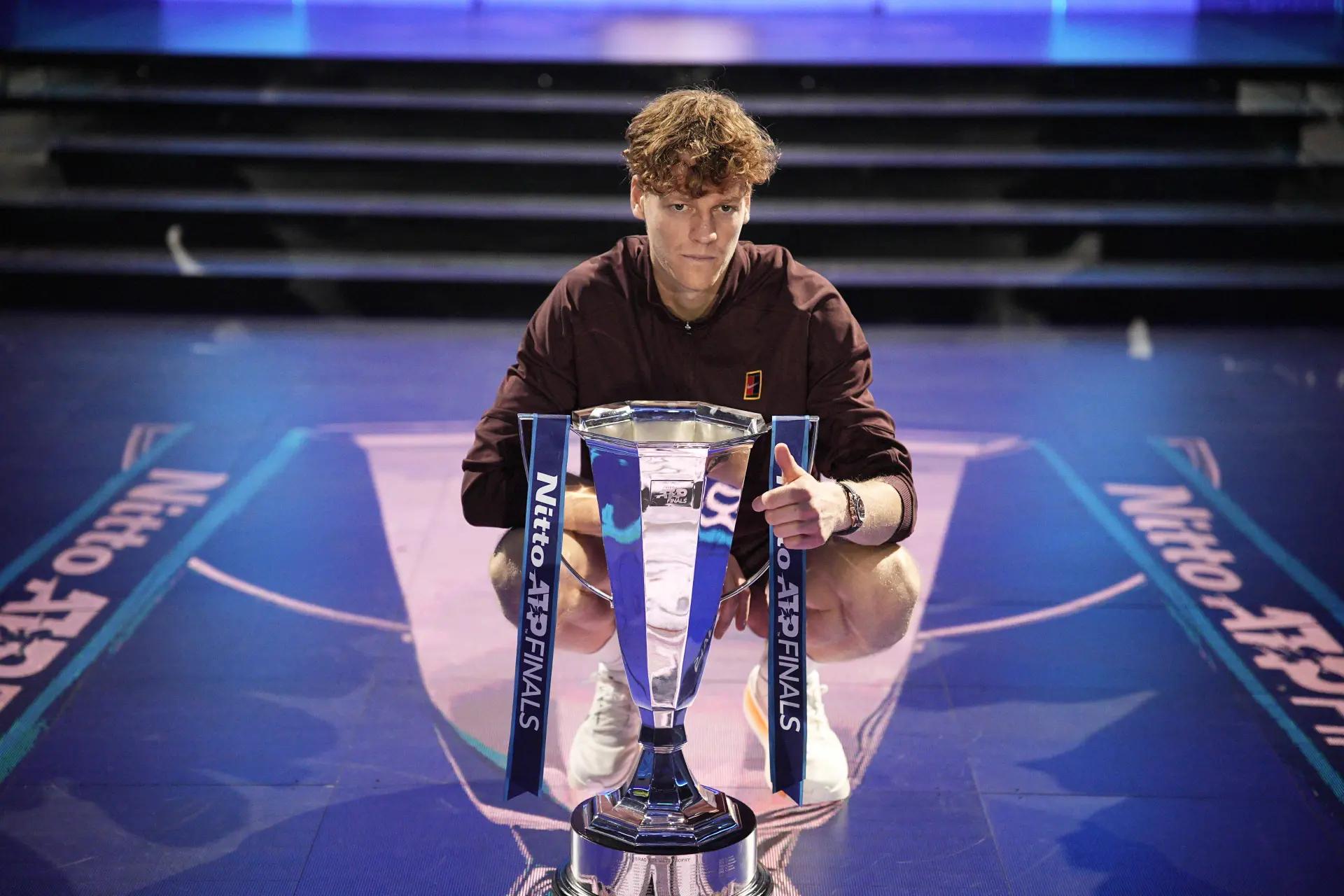
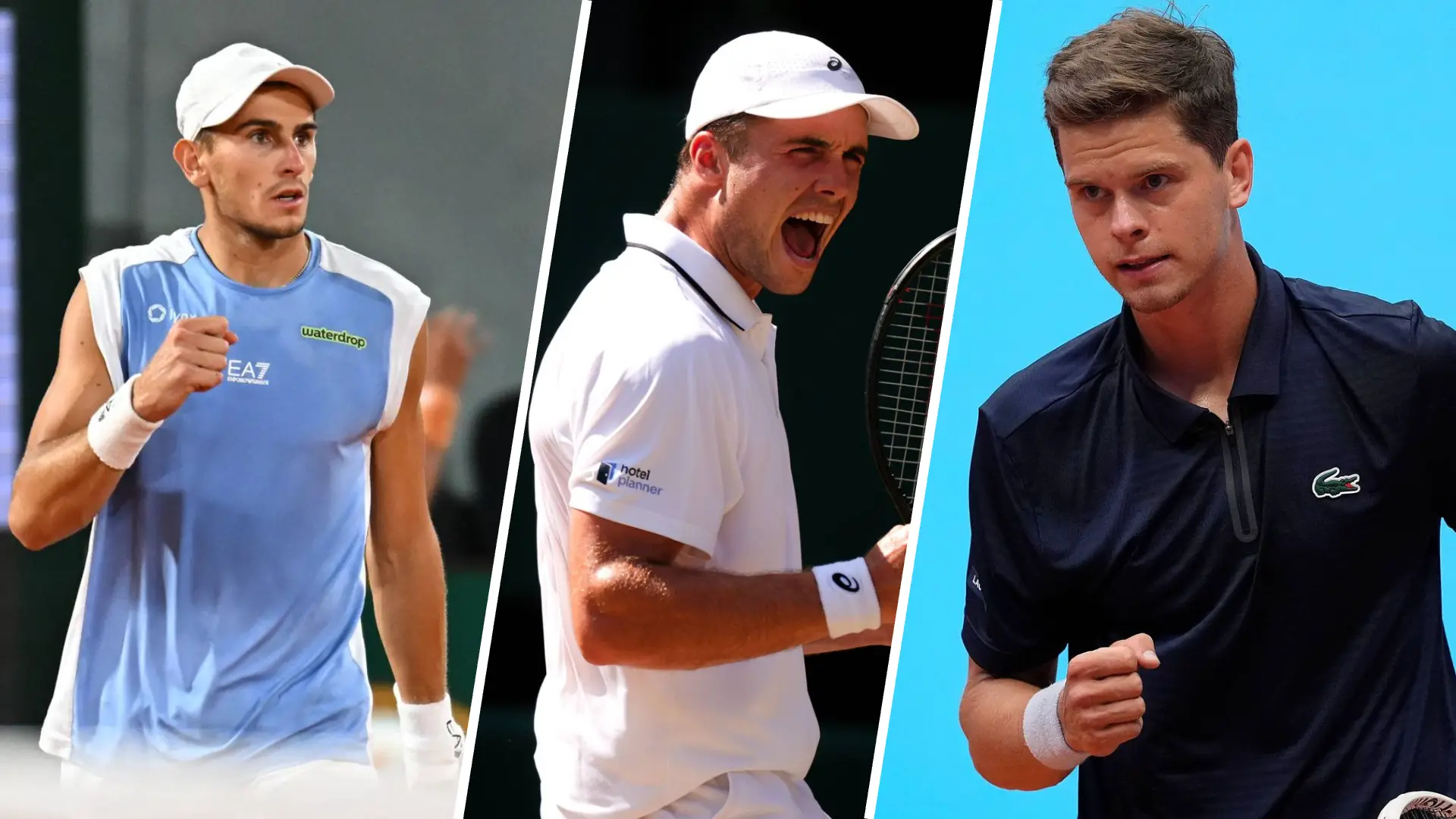
The governing body is also reviewing doubles draw sizes and compensation. Any prize money reallocated through potential changes would remain within player compensation and is expected to support singles qualifying and early-round prize money.
The proposals will continue to be developed with player and tournament representatives before being considered at the ATP’s year-end meetings in Turin. If approved, the package would reshape how players are rewarded and how the Tour is organised from 2028.

Cristhián AvilaTennis Journalist
Cristhián Ávila is a tennis journalist based in Santiago, Chile, and has been part of the TennisUpToDate team since early 2023. He covers the ATP and WTA Tours as well as all four Grand Slams, producing breaking news, match reports, analysis, and regular liveblogs from major tournaments.
His reporting combines statistical analysis with clear explanation, helping readers understand tactical developments, player form, and broader storylines across the tour. Working fluently in both Spanish and English, Cristhián collaborates with an international editorial team and contributes to comprehensive global coverage. As part of his work, he has conducted interviews and media interactions with leading figures in the sport, including Caroline Wozniacki and John McEnroe.
In his journalism, Cristhián places strong emphasis on careful sourcing, editorial accuracy, and updating articles promptly when new, verified information becomes available. His coverage is grounded in research, context, and direct engagement with professional tennis.
claps 0visitors 0
Just In

Popular News
Latest Comments
- Two Things: 1. Stop allowing these Spoiled Trust-Fund Elitists to behave badly. Your little hand-slaps do not deter them. 2. STOP the incessantly annoying "towel wiping" nonsense!!!!
 mandoist15-10-2026
 - A healthy Qinwen may be hard to stop next season. She was already scaring her opponents before her medical leave(s). Unfortunately, Zheng insisted on singing again. On the positive side -- Mirra did not sing!! ;~}mandoist11-10-2026
- Where is it written that athletes, entertainers... People in general... are mandated to keep looking at -- or even using [anti]Social Media? Public & private figures consistently complain and reveal their concerns about negativity and violence thrown at them -- yet they insist on participating. Avoid it, don't use it, don't read it. It's okay to occasionally look up at the World instead beating your eyes & thumbs to death on The Inventions out there.mandoist11-10-2026
- great articlestennisseserver07-10-2026
- Medvedev was leading Djokovic 7-5, 3-5 when an attempted return..' NO you ignorants, Djokovic was leading .weiss05-10-2026
- No more bullshit "Wildcards" to these two. Qualify like everyone else -- there will be cameras there, too. Time to scream... WTF ????!!!!mandoist29-09-2026
- Let's not BS the general public -- Sabalenka started showing cracks in her game last season. Her losses and near-losses started at about the same time she began being distracted by Fame (constant Selfies, making TV commercials, magazine shoots, endless Social Media nonsense, etc., etc.) One would think even Saba could recognize the parallels with others who failed before her -- Raducanu, Giorgi, Bouchard to name a few.mandoist25-09-2026
- Gross!! Hey Raducanu, Giorgi, and Bouchard -- reserve a seat at your Social Media Selfie table for Saba + Naomi. They're heading in your direction soon enough.mandoist24-09-2026
- And then these same players will complain about how lengthy their season’s were and need more time-off. I’m all for more tennis but the amount of tennis we get now is actually kind of crazy! We all need a break, especially the players.DaveyWavey23-09-2026
- You should do a comparison article for "different kinds of justice" the courts decide for tennis players. I can think of at least three players who received very small bans of a few months, however Tara Moore has been fighting for her literal survival the past few years. It seems odd considering she is not a "name" player, unlike the other cases.DaveyWavey22-09-2026

Loading