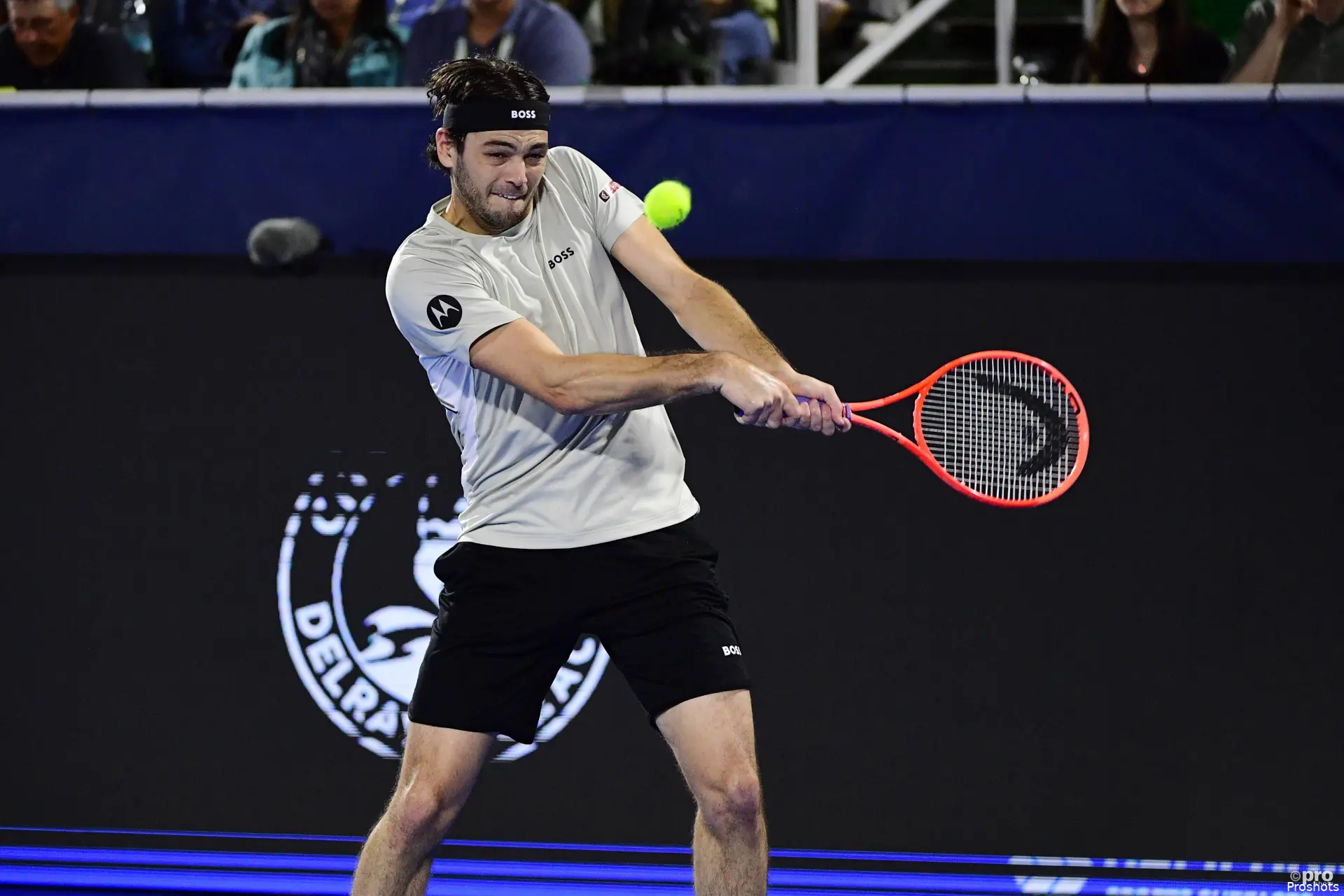
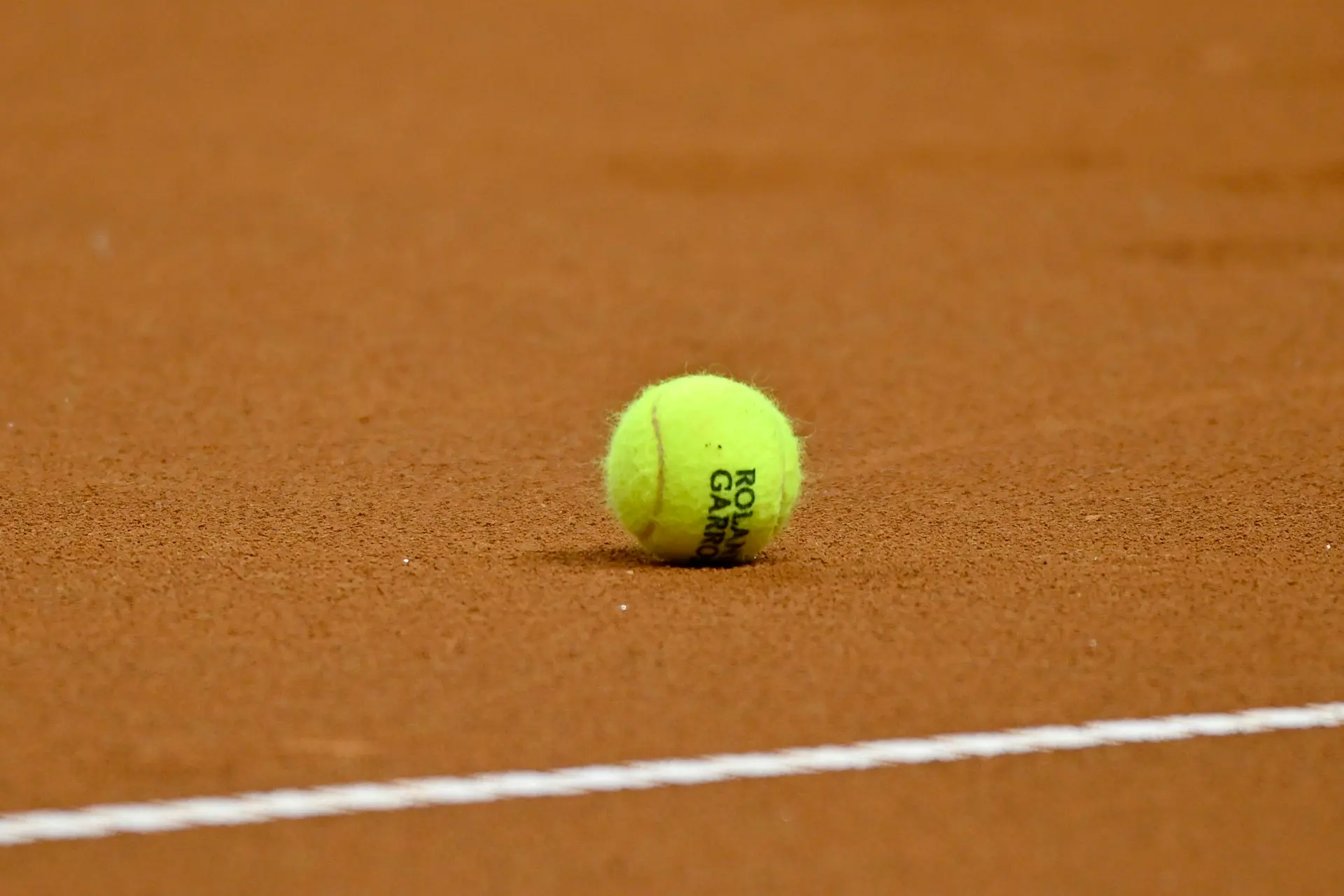
The tennis ball has become one of the sport’s biggest talking points in recent years — not because of how it changes matches, but because players increasingly believe it is affecting their bodies.
According to Punto de Break, the ATP is testing a new measure on the Challenger Tour that could eventually reach the main circuit: replacing balls more frequently during matches in an attempt to reduce the physical impact caused by worn-out balls.
Under the current system, the first ball change normally happens after the seventh game, with further changes every nine games. In the tournaments included in the trial, those intervals will be shortened, with the first replacement coming after the fifth game and the following changes every seven games.
The idea is simple: keep the balls closer to their original condition for longer. As balls lose pressure and become heavier during play, players often need to generate more force to produce the same speed and spin, increasing the stress placed on the wrist, elbow, forearm and shoulder.
Read also
A problem repeatedly linked to injuries
The debate around tennis balls has intensified as several top players have dealt with arm-related injuries in recent seasons.
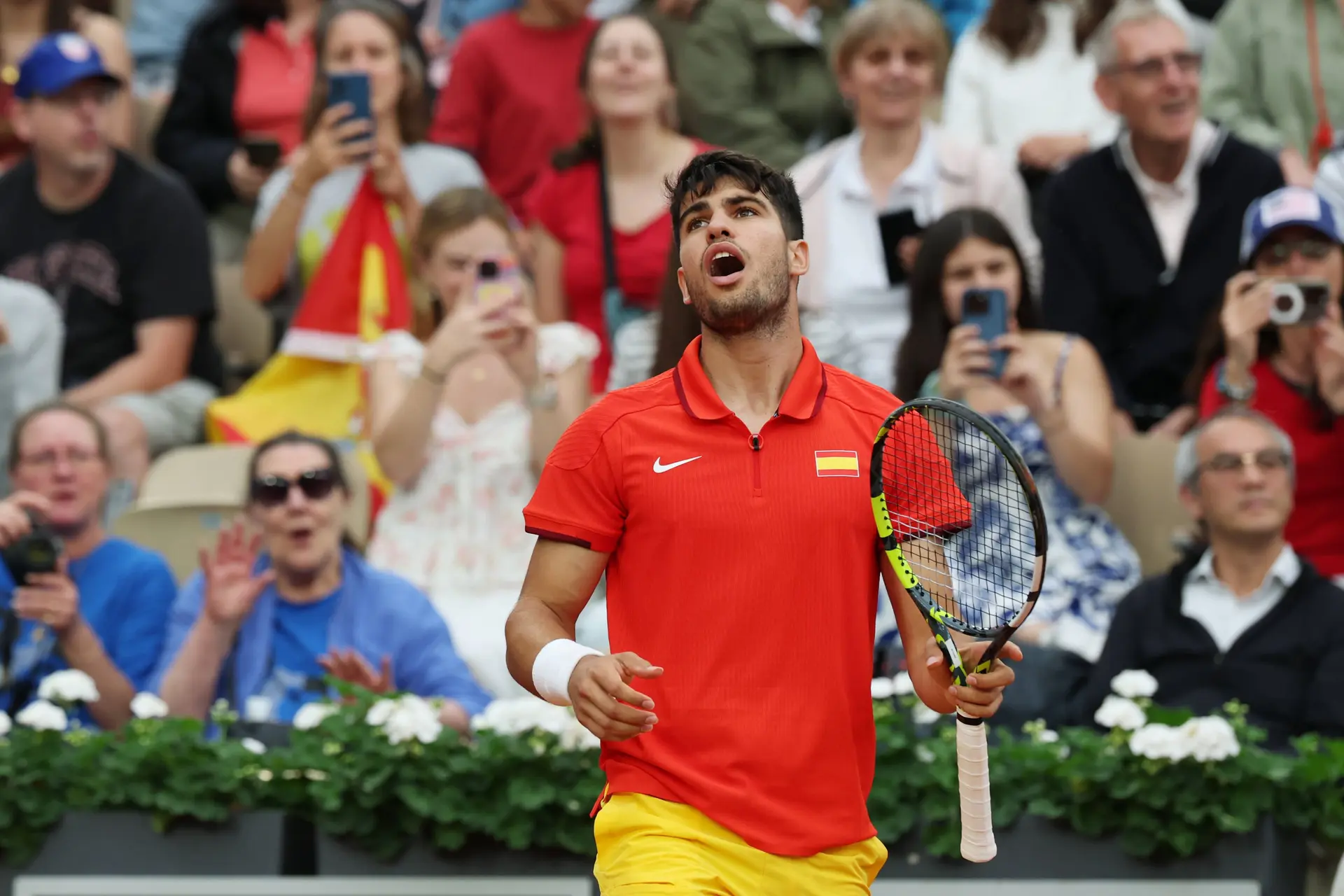
Carlos Alcaraz missed the 2026 French Open and Wimbledon after suffering a wrist injury, while Jack Draper has also managed physical issues involving his arm during his rise through the ATP rankings. Taylor Fritz has dealt with forearm problems in the last few months, showing how demanding modern tennis has become on players’ upper limbs.

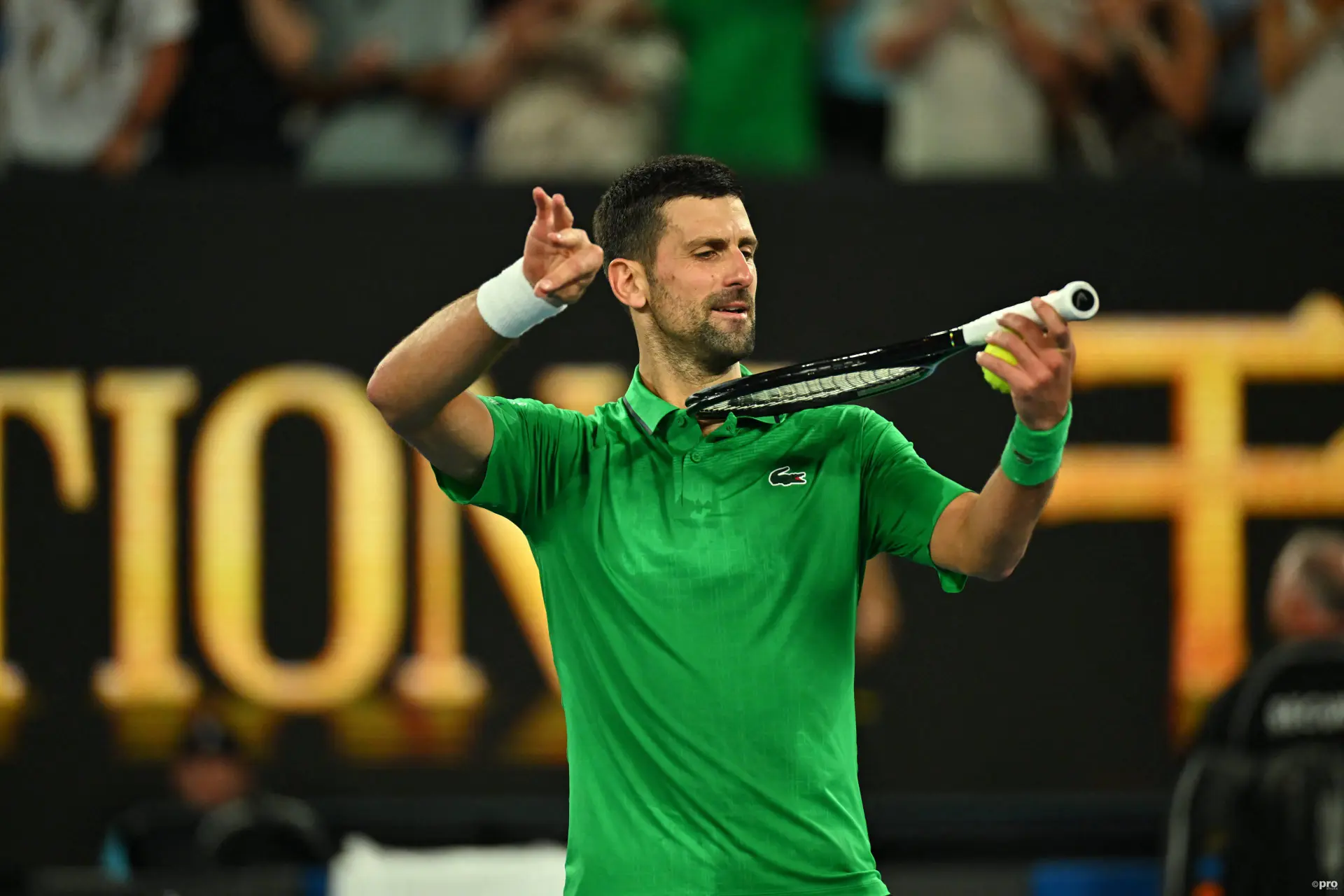
Players have repeatedly pointed toward ball changes as one of the factors behind these problems. Novak Djokovic recently explained that he believes the characteristics of tennis balls changed after the COVID-19 pandemic because of modifications in manufacturing processes.
“Everyone agrees that since COVID, something has changed,” Djokovic said. “The production and manufacturing facilities in China that are used by practically all the major ball manufacturers we use on tour have changed.”
The bigger challenge: consistency across the calendar
The Challenger experiment is only one part of the ATP’s attempt to address the issue. In 2025, the organisation also moved toward centralising the process of selecting ball suppliers, after years in which tournaments independently chose different manufacturers.
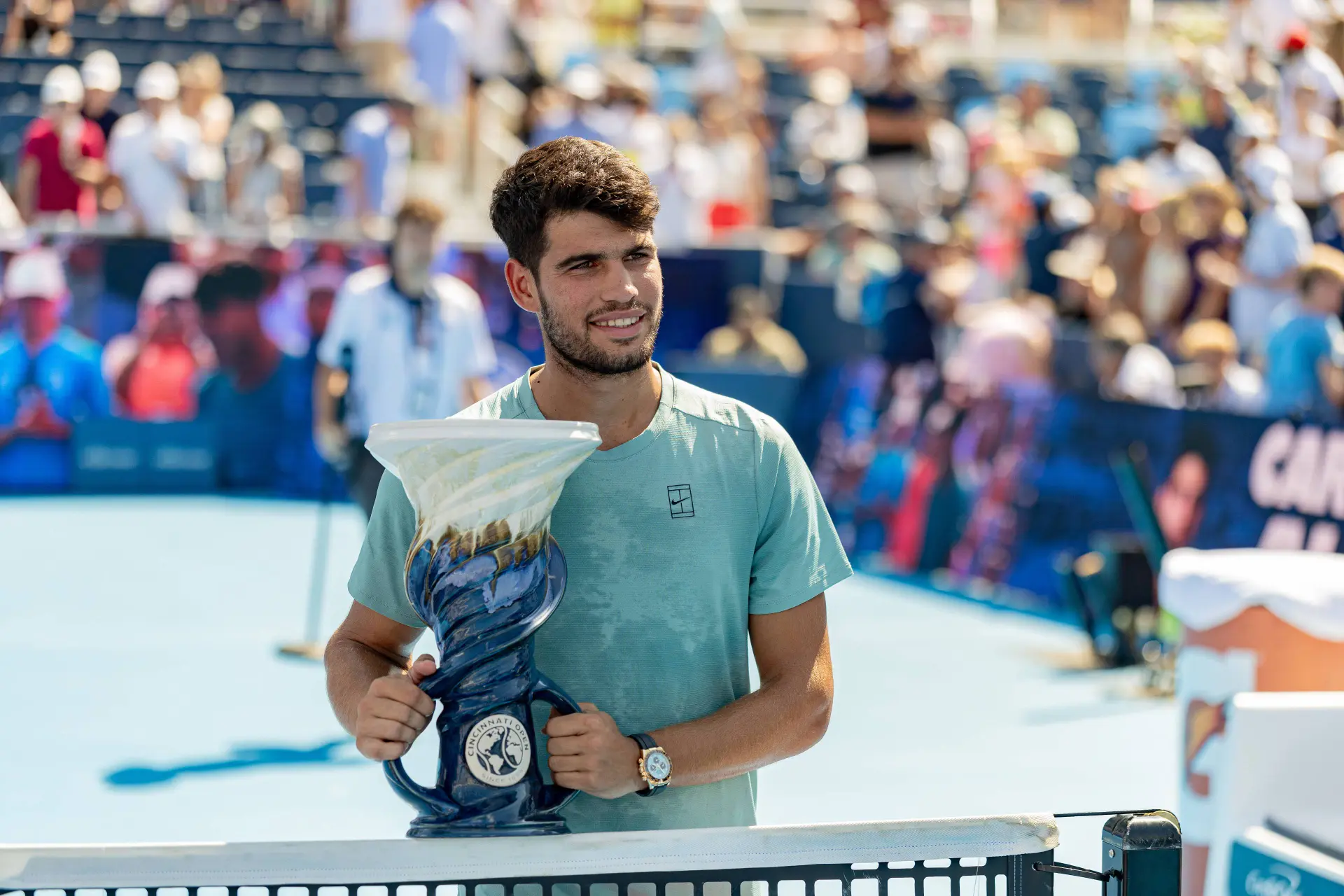
For many players, however, the ideal solution would be greater uniformity across the entire season. Carlos Alcaraz previously suggested using the same ball throughout the calendar as the best possible scenario, although he acknowledged the difficulty of implementing such a change.
“The only thing I would change is playing all tournaments all year with the same ball,” Alcaraz said. “Now you have to adapt your game because every tournament has a different ball.”
The results of the Challenger trial will determine whether the measure expands to ATP tournaments. While faster ball changes could help reduce one aspect of the problem, the wider debate remains unresolved: how can tennis protect players physically while maintaining the different identities of tournaments around the world?

Cristhián AvilaTennis Journalist
Cristhián Ávila is a tennis journalist based in Santiago, Chile, and has been part of the TennisUpToDate team since early 2023. He covers the ATP and WTA Tours as well as all four Grand Slams, producing breaking news, match reports, analysis, and regular liveblogs from major tournaments.
His reporting combines statistical analysis with clear explanation, helping readers understand tactical developments, player form, and broader storylines across the tour. Working fluently in both Spanish and English, Cristhián collaborates with an international editorial team and contributes to comprehensive global coverage. As part of his work, he has conducted interviews and media interactions with leading figures in the sport, including Caroline Wozniacki and John McEnroe.
In his journalism, Cristhián places strong emphasis on careful sourcing, editorial accuracy, and updating articles promptly when new, verified information becomes available. His coverage is grounded in research, context, and direct engagement with professional tennis.
claps 0visitors 0
Just In


Popular News


Latest Comments
- great articlestennisseserver07-10-2026
- Medvedev was leading Djokovic 7-5, 3-5 when an attempted return..' NO you ignorants, Djokovic was leading .weiss05-10-2026
- No more bullshit "Wildcards" to these two. Qualify like everyone else -- there will be cameras there, too. Time to scream... WTF ????!!!!
 mandoist29-09-2026
 - Let's not BS the general public -- Sabalenka started showing cracks in her game last season. Her losses and near-losses started at about the same time she began being distracted by Fame (constant Selfies, making TV commercials, magazine shoots, endless Social Media nonsense, etc., etc.) One would think even Saba could recognize the parallels with others who failed before her -- Raducanu, Giorgi, Bouchard to name a few.mandoist25-09-2026
- Gross!! Hey Raducanu, Giorgi, and Bouchard -- reserve a seat at your Social Media Selfie table for Saba + Naomi. They're heading in your direction soon enough.mandoist24-09-2026
- And then these same players will complain about how lengthy their season’s were and need more time-off. I’m all for more tennis but the amount of tennis we get now is actually kind of crazy! We all need a break, especially the players.DaveyWavey23-09-2026
- You should do a comparison article for "different kinds of justice" the courts decide for tennis players. I can think of at least three players who received very small bans of a few months, however Tara Moore has been fighting for her literal survival the past few years. It seems odd considering she is not a "name" player, unlike the other cases.DaveyWavey22-09-2026
- PRIZE MONEY & POINTS Winner - $185,500 Finalist - $114,500 Semi-Finalist - $66,003 Quarter-Finalist - $35,000 Round of 16 - $18,045 Round of 32 - $13,005 Winner - 500 Finalist - 325 Semi-Finalist - 195 Quarter-Finalist - 108 Round of 16 - 60 Round of 32 - 1DaveyWavey20-09-2026
- Pegula withdrew from this Singapore event
 tennishappens19-09-2026
 - Serena Williams chose her tournaments. It's not such a bad idea.MuswellHillbilly17-09-2026

Loading