
The outrage from Tennis Canada over the latest withdrawals from the Canadian Open is as predictable as it is misplaced.
After Jannik Sinner and Novak Djokovic announced they would skip Montréal, Tennis Canada CEO Gavin Ziv and Montréal Tournament Director Valérie Tétreault lamented what they described as a growing problem of last-minute withdrawals. They called on the ATP to address the issue, arguing that the integrity of Masters 1000 tournaments is at stake.
Plethora of problems taking its toll
The integrity of the tournament isn’t the problem. The schedule is. And Tennis Canada helped create it.
For years, tournament organizers pushed for the expansion of the Canadian Open from a traditional one-week event into a sprawling two-week Masters 1000 with a 96-player draw. The sales pitch was obvious. More sessions. More tickets. More television. More sponsorship. More prestige.
What nobody seemed willing to acknowledge was the obvious tradeoff. The tennis calendar is not made of rubber.
Adding another week to one tournament doesn’t create more weeks in the year. It simply demands more from the same players during the busiest stretch of the season. The result was entirely foreseeable.
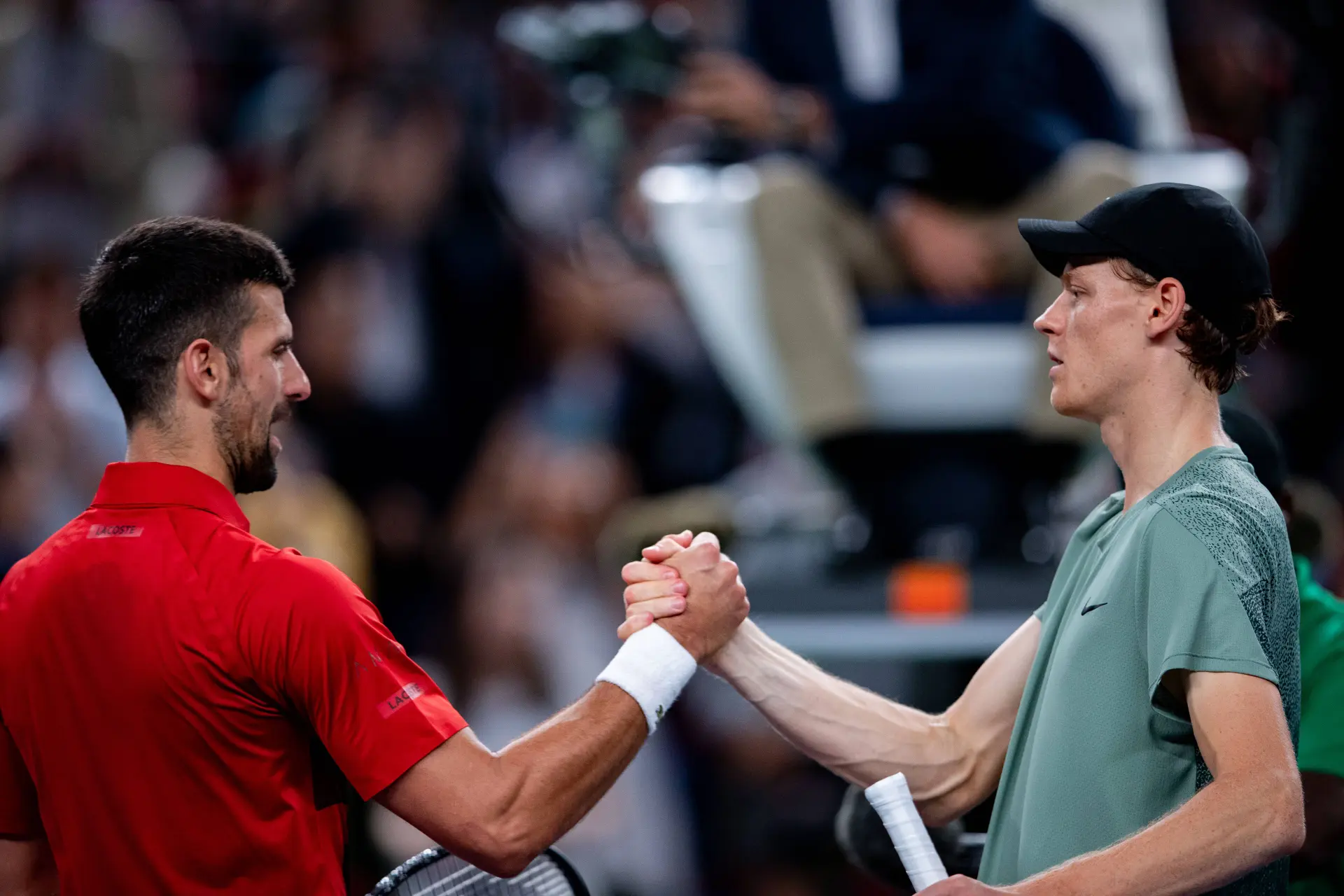
Players now face two marathon Masters 1000 events—Canada and Cincinnati—played back-to-back immediately before the US Open. That is nearly a month of elite competition before the year’s final Grand Slam even begins.
Elite athletes don’t think that way anymore. Today’s top players manage workloads the same way NBA stars monitor minutes and NFL teams limit preseason snaps. Every tournament is weighed against the larger objective of peaking at the events that matter most.
Bigger events on the horizon
For virtually every player with realistic ambitions in New York, the US Open matters more than Canada. That isn’t disrespect. It’s reality.
If players are going to skip one of the two expanded Masters events, Canada’s place on the calendar makes it the obvious candidate. Play Cincinnati, stay in the United States, remain in the same time zone, continue practicing in similar conditions, and roll directly into the US Open.
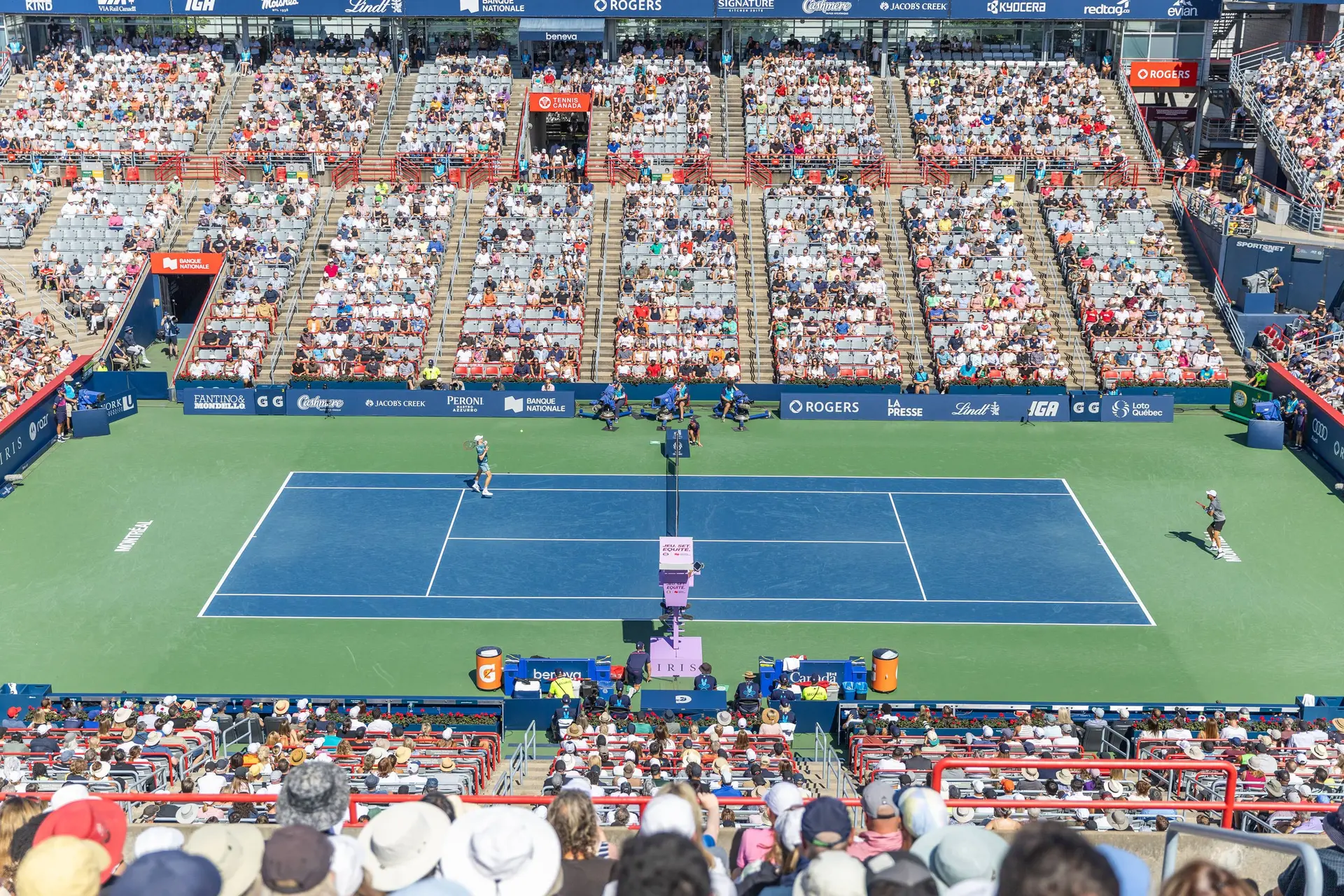
Or play Canada first, change countries, navigate customs, adjust logistics, spend another week on court, then travel again to Cincinnati before finally heading back to New York.
That isn’t a difficult calculation. It’s common sense. Which makes Tennis Canada’s public statements remarkably tone-deaf. Tournament officials speak as though an unforeseen crisis has suddenly emerged.

World number one Jannik Sinner will not participate in the Canadian Open for the second consecutive year
Nothing unforeseen has happened. The incentives changed. The schedule changed. Player behavior changed exactly as any reasonable observer should have expected. What is especially frustrating is hearing officials suggest that the ATP needs to “protect the integrity” of Masters 1000 tournaments.
Protect them from what? From the scheduling model they championed? This isn’t an ATP problem. It isn’t a player problem. It certainly isn’t Jannik Sinner’s or Novak Djokovic’s problem. It’s a Tennis Canada problem.
When you advocate for a tournament format that asks players to spend nearly a month grinding through two expanded Masters events immediately before a Grand Slam, you don’t get to act surprised when they begin making strategic choices.
Solution still a long way off
The most astonishing part of this entire episode is that Tennis Canada still seems to believe the solution lies in convincing players to behave differently. It doesn’t. Players are acting rationally. The calendar isn’t. Unless something changes, this is only the beginning.
As careers become longer, sports science becomes more sophisticated, and players become even more protective of their bodies, skipping Canada will become less controversial and more routine. Many of the sport’s biggest names will conclude that Cincinnati provides the better path into the US Open.
That is not an indictment of Montréal. It is an indictment of a schedule that never should have been designed this way. Tennis Canada wanted a bigger tournament. It got one. Now it is discovering that bigger isn’t always better. Sometimes, it simply makes yourself easier to skip.

Aron SolomonGuest Author
A Pulitzer Prize-nominated journalist for his groundbreaking op-ed in The Independent exposing the NFL’s “race-norming” policies, Aron Solomon, JD, is a globally recognized thought leader in law, media, and strategy.
As Chief Strategy Officer for AMPLIFY, he leverages his deep expertise to shape the future of legal marketing. Aron has taught entrepreneurship at McGill University and the University of Pennsylvania and was honored as a Fastcase 50 recipient, recognizing him among the world’s top legal innovators. A prolific commentator on law, business, and culture, his insights regularly appear in Newsweek, The Hill, Crunchbase News, and Literary Hub.
He has also been featured in The New York Times, Fast Company, Fortune, Forbes, CBS News, CNBC, USA Today, ESPN, TechCrunch, BuzzFeed, Venture Beat and countless other leading global media outlets. We are proud to have Aron on board at TennisUpToDate, where his deep tennis expertise enriches the site with sharp, original columns that connect the sport to wider cultural debates.
claps 18visitors 5
Just In

Popular News
Latest Comments
- A healthy Qinwen may be hard to stop next season. She was already scaring her opponents before her medical leave(s). Unfortunately, Zheng insisted on singing again. On the positive side -- Mirra did not sing!! ;~}
 mandoist11-10-2026
 - Where is it written that athletes, entertainers... People in general... are mandated to keep looking at -- or even using [anti]Social Media? Public & private figures consistently complain and reveal their concerns about negativity and violence thrown at them -- yet they insist on participating. Avoid it, don't use it, don't read it. It's okay to occasionally look up at the World instead beating your eyes & thumbs to death on The Inventions out there.mandoist11-10-2026
- great articlestennisseserver07-10-2026
- Medvedev was leading Djokovic 7-5, 3-5 when an attempted return..' NO you ignorants, Djokovic was leading .weiss05-10-2026
- No more bullshit "Wildcards" to these two. Qualify like everyone else -- there will be cameras there, too. Time to scream... WTF ????!!!!mandoist29-09-2026
- Let's not BS the general public -- Sabalenka started showing cracks in her game last season. Her losses and near-losses started at about the same time she began being distracted by Fame (constant Selfies, making TV commercials, magazine shoots, endless Social Media nonsense, etc., etc.) One would think even Saba could recognize the parallels with others who failed before her -- Raducanu, Giorgi, Bouchard to name a few.mandoist25-09-2026
- Gross!! Hey Raducanu, Giorgi, and Bouchard -- reserve a seat at your Social Media Selfie table for Saba + Naomi. They're heading in your direction soon enough.mandoist24-09-2026
- And then these same players will complain about how lengthy their season’s were and need more time-off. I’m all for more tennis but the amount of tennis we get now is actually kind of crazy! We all need a break, especially the players.DaveyWavey23-09-2026
- You should do a comparison article for "different kinds of justice" the courts decide for tennis players. I can think of at least three players who received very small bans of a few months, however Tara Moore has been fighting for her literal survival the past few years. It seems odd considering she is not a "name" player, unlike the other cases.DaveyWavey22-09-2026
- PRIZE MONEY & POINTS Winner - $185,500 Finalist - $114,500 Semi-Finalist - $66,003 Quarter-Finalist - $35,000 Round of 16 - $18,045 Round of 32 - $13,005 Winner - 500 Finalist - 325 Semi-Finalist - 195 Quarter-Finalist - 108 Round of 16 - 60 Round of 32 - 1DaveyWavey20-09-2026

Loading