"I think it makes sense" - Patrick Mouratoglou on ATP Masters events being prolonged to two weeks
ATP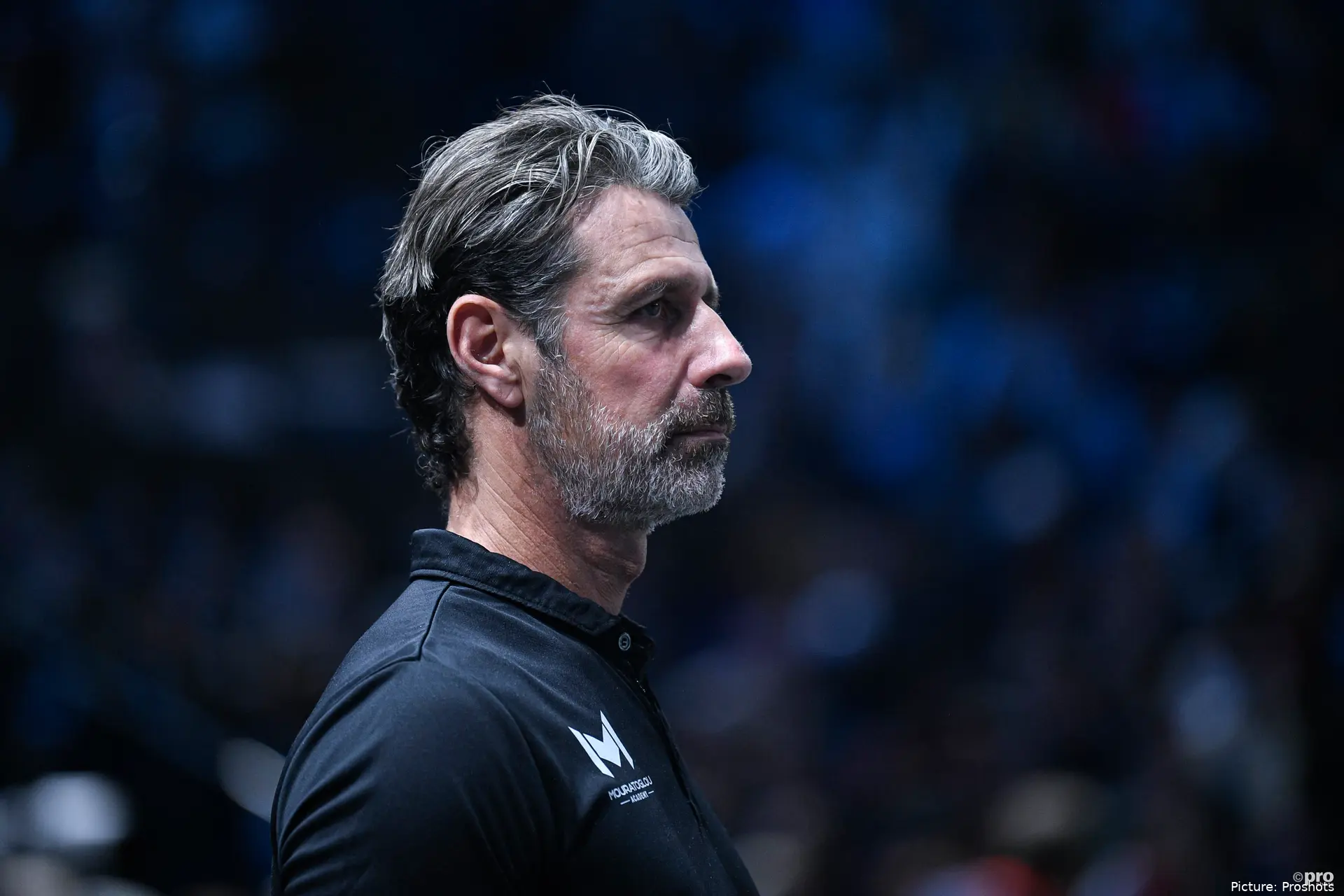
Although several members of the tennis community have voiced their opposition to the ATP increasing the length of Masters 1000 events to two weeks, renown coach Patrick Mouratoglou believes there is more to the matter that meets the eye.
ATP Masters tournaments have traditionally been played over a single week, with two-week events saved exclusively for Grand Slams. However, there has been talk regarding converting the duration of ATP Masters 1000 events to two weeks, which has drawn mostly negative responses from players.
Both sides have a valid point, says Mouratoglou
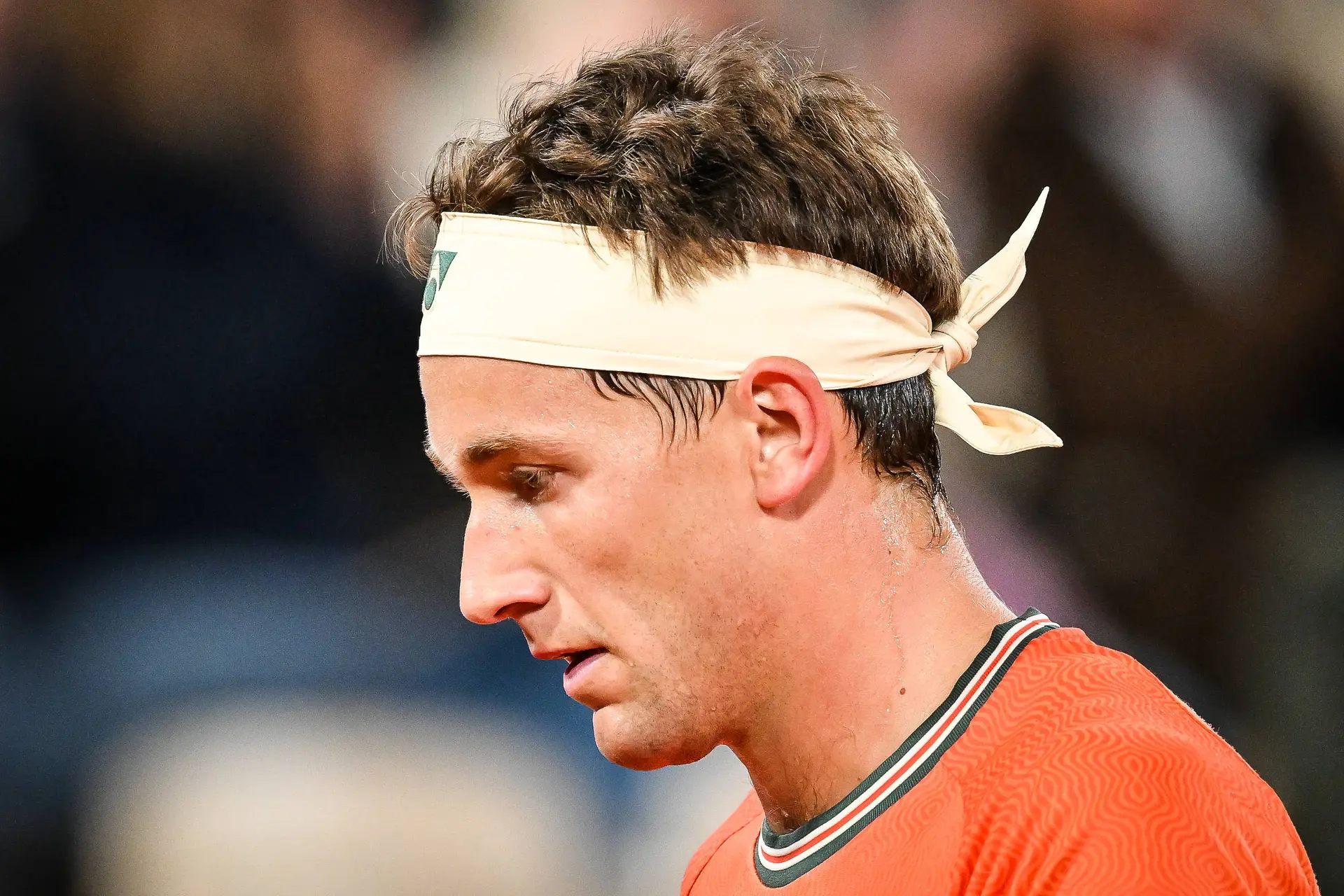
The extended Maters 1000 events will see players on-site at venues for over two weeks, restricting their time for practice as they tend to be in tournament mode. Former World No.1 Andy Roddick and Greek star Stefanos Tsitsipas have spoken out against the decision, claiming it would lead to more injuries and less recovery time.
However, Mouratoglou has a different perspective. The French coach suggested finances are at the heart of the decision, a factor that most fans and even some players do not consider.
"The longer Masters tournament work because they make much more money, so it’s good for them,” said Mouratoglou. “I think if I understand what the ATP wants to do, they want to have fewer events, but bigger events that draw more attention. I think it makes sense, to be honest.
"That is difficult for the people who have smaller tournaments, the tournament directors and I understand that, and I understand their frustration, but it’s always the same. It depends on the way you look at it
"If you look at the interest of players, you have one point of view. If you look at the interest of the bigger tournaments and the global business of tennis, you have a different angle.
“If you look at the fans, we have another angle. We look only at the fans when we look at our UTS events. That’s all our purpose. UTS have been created only for the fans and only to give them the best possible entertainment.
"I think that the ATP for them is difficult because they have a lot, inside the ATP, a lot of different interests, and the tournament directors, you have the players, and all have a big voice. So to make these decisions is not easy, because you need to please everyone. And at the end of the day, the fans might not be heard because they are not represented."
"That is difficult for the people who have smaller tournaments, the tournament directors and I understand that, and I understand their frustration, but it’s always the same. It depends on the way you look at it
"If you look at the interest of players, you have one point of view. If you look at the interest of the bigger tournaments and the global business of tennis, you have a different angle.
“If you look at the fans, we have another angle. We look only at the fans when we look at our UTS events. That’s all our purpose. UTS have been created only for the fans and only to give them the best possible entertainment.
"I think that the ATP for them is difficult because they have a lot, inside the ATP, a lot of different interests, and the tournament directors, you have the players, and all have a big voice. So to make these decisions is not easy, because you need to please everyone. And at the end of the day, the fans might not be heard because they are not represented."
Growing up in a household where soccer was king, my earliest memories are filled with chants from packed stadiums and the rhythm of a ball being passed across neighborhood streets. But somewhere along the way, the quiet elegance and raw emotion of tennis pulled me in. What began as a curiosity became a lifelong passion; not just for the sport itself, but for the stories it tells: of grit, of heartbreak, of improbable comebacks and human resilience.
As a tennis writer, I bring the observational lens of someone who didn’t grow up in the sport, but fell in love with it as an outsider; a perspective that lets me see both its technical beauty and its emotional depth. Over the years working with TennisUpToDate, I’ve had the privilege of reaching more than 3.5 million readers worldwide, with one of my features ranking among the site’s top three articles.
With a background in storytelling and a creative mind always searching for meaning beyond the scoreboard, I aim to craft narratives that go deeper than results and rankings. Whether it’s a rising star breaking through or a veteran fighting off Father Time, I try to capture the heartbeat behind the headlines.
claps 0visitors 0
Just In

Popular News
Latest Comments
- Fight the Good Fight... Tennis (sports in general) need more Humans such as yourself.
 mandoist18-10-2026
 - When is WTA going to mandate Genetic Testing (DNA) ???mandoist18-10-2026
- Hey, Dan... you just wake up from a coma? Regardless -- Thanks for the comedy this morning!mandoist18-10-2026
- Two Things: 1. Stop allowing these Spoiled Trust-Fund Elitists to behave badly. Your little hand-slaps do not deter them. 2. STOP the incessantly annoying "towel wiping" nonsense!!!!mandoist15-10-2026
- A healthy Qinwen may be hard to stop next season. She was already scaring her opponents before her medical leave(s). Unfortunately, Zheng insisted on singing again. On the positive side -- Mirra did not sing!! ;~}mandoist11-10-2026
- Where is it written that athletes, entertainers... People in general... are mandated to keep looking at -- or even using [anti]Social Media? Public & private figures consistently complain and reveal their concerns about negativity and violence thrown at them -- yet they insist on participating. Avoid it, don't use it, don't read it. It's okay to occasionally look up at the World instead beating your eyes & thumbs to death on The Inventions out there.mandoist11-10-2026
- great articlestennisseserver07-10-2026
- Medvedev was leading Djokovic 7-5, 3-5 when an attempted return..' NO you ignorants, Djokovic was leading .weiss05-10-2026
- No more bullshit "Wildcards" to these two. Qualify like everyone else -- there will be cameras there, too. Time to scream... WTF ????!!!!mandoist29-09-2026
- Let's not BS the general public -- Sabalenka started showing cracks in her game last season. Her losses and near-losses started at about the same time she began being distracted by Fame (constant Selfies, making TV commercials, magazine shoots, endless Social Media nonsense, etc., etc.) One would think even Saba could recognize the parallels with others who failed before her -- Raducanu, Giorgi, Bouchard to name a few.mandoist25-09-2026

Loading