“I tried everything... but if it was neutral, I was behind”: Andy Roddick reflects on Federer rivalry and 21–3 record
ATPThursday, 16 April 2026 at 23:30
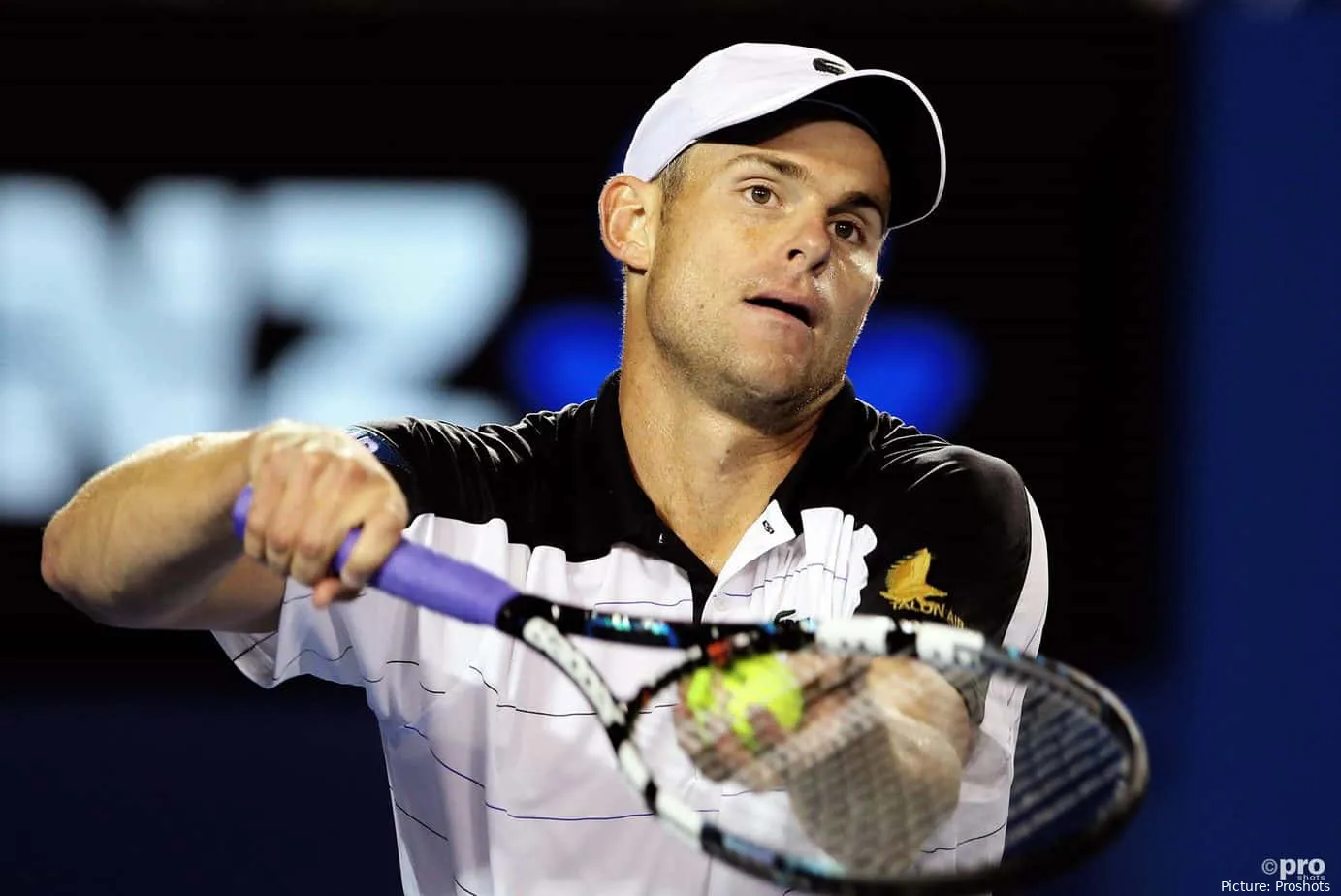
Former US Open champion Andy Roddick provided a direct assessment of the gap between himself and the Big Three, using both tactical insight and his head-to-head record against Roger Federer, Rafael Nadal and Novak Djokovic.
Across his career, Roddick finished 3–21 against Federer, 3–7 against Nadal and 4–5 against Djokovic, figures that reflect three distinct types of matchups: structural dominance, physical pressure and long-term evolution. Speaking on Served with Roddick podcast, Roddick explained that the core issue was not isolated patterns, but the disappearance of balance in rallies.
“So the thing where I would get exposed against the greatest players is that once we were neutral — when I was neutral against most players, I felt kind of comfortable. I could play cat and mouse, I could hit a chip, I basically could get the ball out of their hot spots."
When I got to neutral against Fed, Rafa, Novak, Murray, I was actually behind. So you're trying to play from a place where you're not totally neutral all the time.”
That dynamic underpinned his repeated losses in major finals, particularly at Wimbledon against Federer, where even strong serving performances were not enough to establish control.
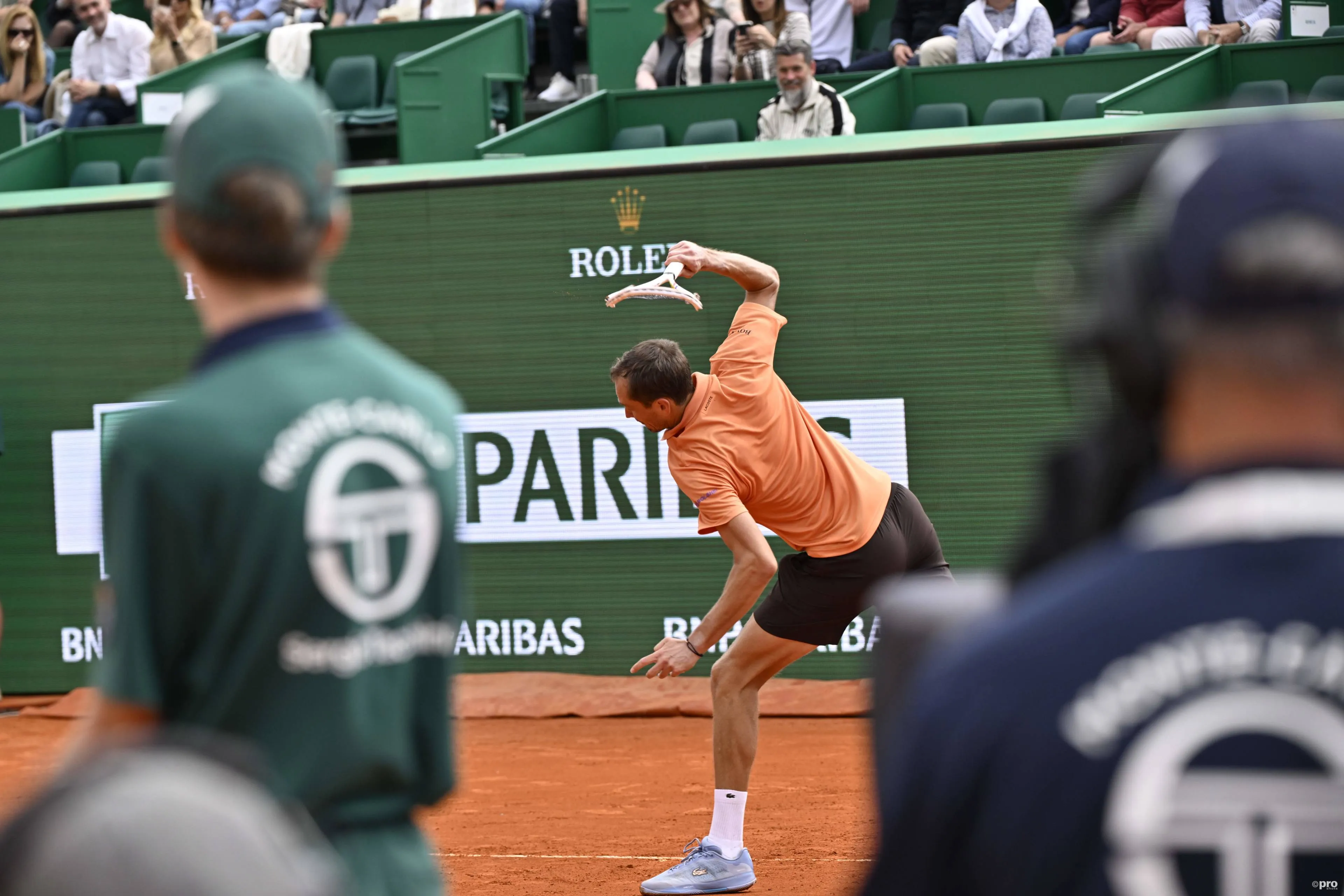
Federer: 21–3 and “you couldn’t go through him”
Roddick’s most one-sided rivalry came against Federer, who won 21 of their 24 meetings, including four Grand Slam finals.
The American pointed to Federer’s complete game as the central factor, describing a player who eliminated traditional tactical pathways. “I think he was maybe one of the first that melted those two together where it's like, can't go through me, can't go around me — well, what are we doing here?”
Even when adjusting tactics, Roddick found limited success over time, including in matches like the 2009 Wimbledon final, where he pushed Federer deep into a fifth set.
“I tried everything. I tried coming in a ton against him. I tried staying back a bunch. I tried keeping the ball down, tried to get it up, serve massive on second serves," the former world No. 1 added. "I basically had to take shots at certain points and risk at certain points because if we were neutral then I was actually behind.”
The matchup reflected a broader shift in men’s tennis, where Federer’s ability to combine offense and defense removed the margin that players like Roddick relied on in baseline exchanges.
Nadal: 7–3 and the physical toll of the forehand
Against Nadal, Roddick’s 3–7 record followed a different pattern, defined less by structure and more by sustained physical pressure, particularly through the Spaniard’s forehand. “When he was set and could create that spin profile, it was an absolute nightmare," Roddick mentioned. "It felt like a bowling ball hitting your racket. Like it just frayed against it."
"The difference on clay is that he always has time. So you're constantly getting that max effect of the tumbler, that ball that on TV doesn't look like it does, where it hits and it's up and away and it's out of your zone consistently.”
The impact extended across entire matches, particularly in longer formats where the cumulative effect became decisive. “The ball's either going above you or away from you. So you're not getting to step in and hit it clean.
Now if you have to take steps left and the ball's out of your zone, you will not be able to be as effective. And if that's the case on every shot, you're not very effective.” “And if you start playing that out over four or five hours, it's death. It's like death.
And he had that wear and tear, and he could switch gears on you… you're having to create winners from pockets that you don't want to, or he could bully you if he was feeling great.”
Djokovic: the matchup that changed over time
Roddick’s most balanced rivalry came against Djokovic, finishing 4–5, but the split reflects two distinct phases. The American had early success before Djokovic’s physical transformation reshaped the matchup.
“You wouldn't have imagined him being what he is now then. The serve was not great and he would get tired in matches," Roddick claimed. "So there's no way that you could have projected forward to now and say this guy has made a living on discipline, staying in matches, going through these wars.”
Roddick highlighted discipline as the defining factor behind Djokovic’s longevity, particularly compared to the emerging generation led by Carlos Alcaraz and Jannik Sinner. “Everyone's able to do stuff really well and really disciplined. Doing it for 20 years to like an extreme level — that's the difference," the American added. "It's the daily discipline… over time, over time.”
In comparing eras, Roddick pointed to the concentration of elite players as the key distinction. “I think the one thing you could say is that there were three or four of them… as it stands, I know three is more than two.”

Cristhián AvilaTennis Journalist
Cristhián Ávila is a tennis journalist based in Santiago, Chile, and has been part of the TennisUpToDate team since early 2023. He covers the ATP and WTA Tours as well as all four Grand Slams, producing breaking news, match reports, analysis, and regular liveblogs from major tournaments.
His reporting combines statistical analysis with clear explanation, helping readers understand tactical developments, player form, and broader storylines across the tour. Working fluently in both Spanish and English, Cristhián collaborates with an international editorial team and contributes to comprehensive global coverage. As part of his work, he has conducted interviews and media interactions with leading figures in the sport, including Caroline Wozniacki and John McEnroe.
In his journalism, Cristhián places strong emphasis on careful sourcing, editorial accuracy, and updating articles promptly when new, verified information becomes available. His coverage is grounded in research, context, and direct engagement with professional tennis.
claps 0visitors 0
Just In

Popular News
Latest Comments
- What would you know about having a life? 🤣
- Enough of pathetic trolls like you. Putting legend in quotation marks when you spend all day commenting on every post like a complete loser.😂
- If the argument centers on tennis fans, the decision is straightforward. Paula Badosa should not receive wildcards. The risk of paying for a match ticket only to see her retire midway is simply too high. 😁
- Boo-Hoo for BJK and Poland. Sometimes "Life" takes priority over everything else.
- Seems her Groomer is calling the shots again.
- Bonker Becker's opinion aside... Pro Tennis had better get on te DNA Testing bandwagon before other sports carry that torch and appear to force the WTA's hand in this matter!
- BJK Cup is no longer what it once was in the Big Picture of tennis. Time to retire it?
- Enough of this "legend". Put her out to pasture.
- Any media repeating whatever comes out of Gibert's mouth is unworthy. He's a known nutcase!!
- Strange coming from someone who has had only one MTO her entire career... and that was last season. Perhaps the pressure of potentially losing 5 Stuttgart Finals in a row was too much to bear?



Loading