“It’s basically a different tournament at night”: Sebastian Korda on unique Indian Wells conditions
ATP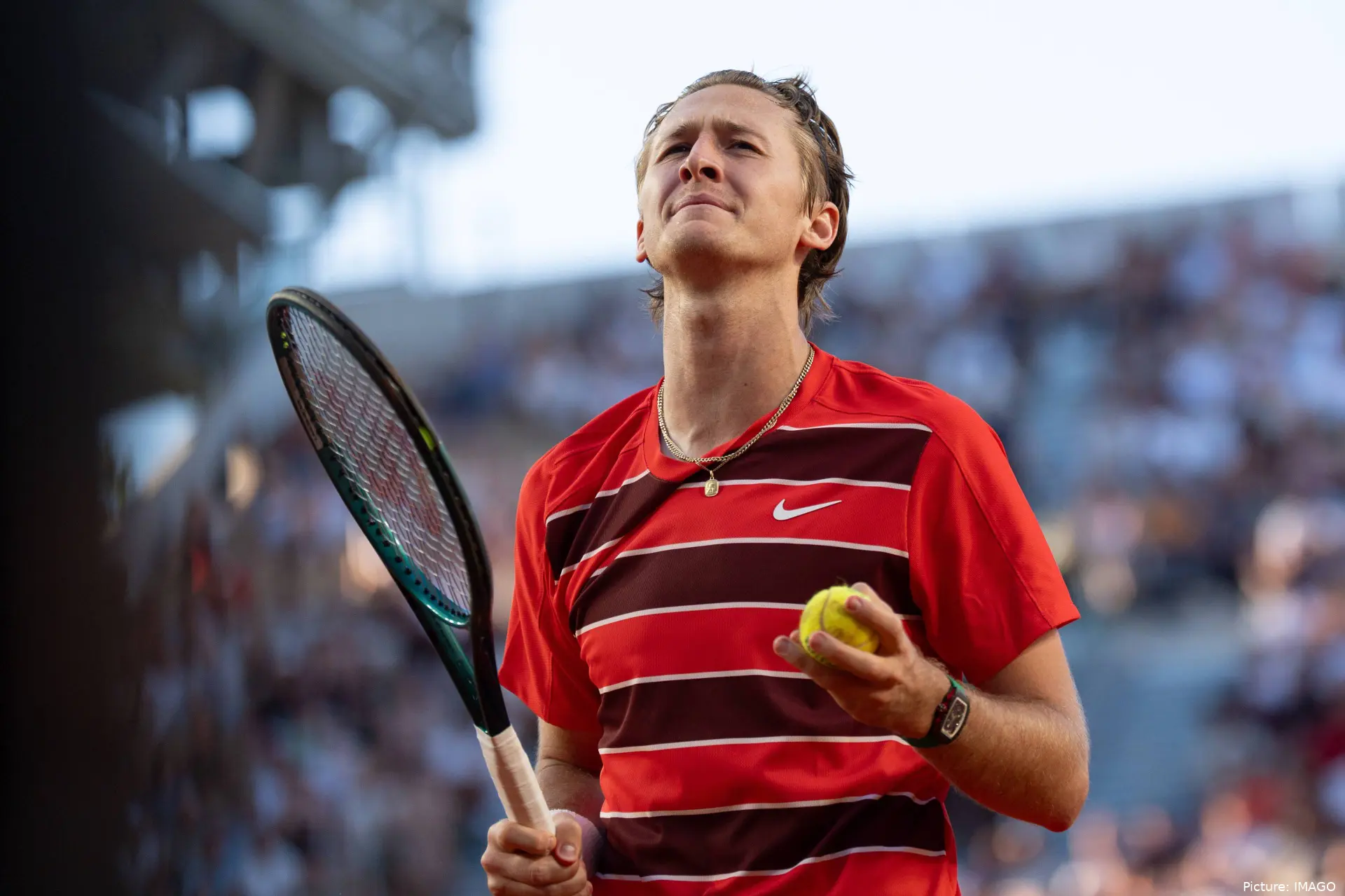
Sebastian Korda described his latest Indian Wells victory as “more of a mental day than anything,” highlighting the challenge of competing in the desert night conditions at the BNP Paribas Open. The American continued his campaign at the first ATP Masters 1000 event of the spring swing after a performance built more on resilience than pure shot-making.
The 23-year-old arrived in California riding one of his strongest runs of the season, having captured the ATP title in Delray Beach only weeks earlier. That result followed a difficult start to the year during the Australian swing, where Korda struggled to translate strong practice sessions into match wins.
Rather than pushing forward on the ATP Tour schedule, Korda opted for a reset. The American entered a Challenger event in San Diego in an effort to rebuild competitive rhythm — a decision he later described as crucial to rediscovering the ability to close tight matches.
The gamble paid off. After the Challenger run, Korda pushed Taylor Fritz in a tight contest in Dallas before lifting the Delray Beach trophy. That sequence of matches has helped restore confidence as he navigates the unique conditions at Indian Wells, where he will next face Australia’s Alex de Minaur.
Night conditions create unique challenge in Indian Wells
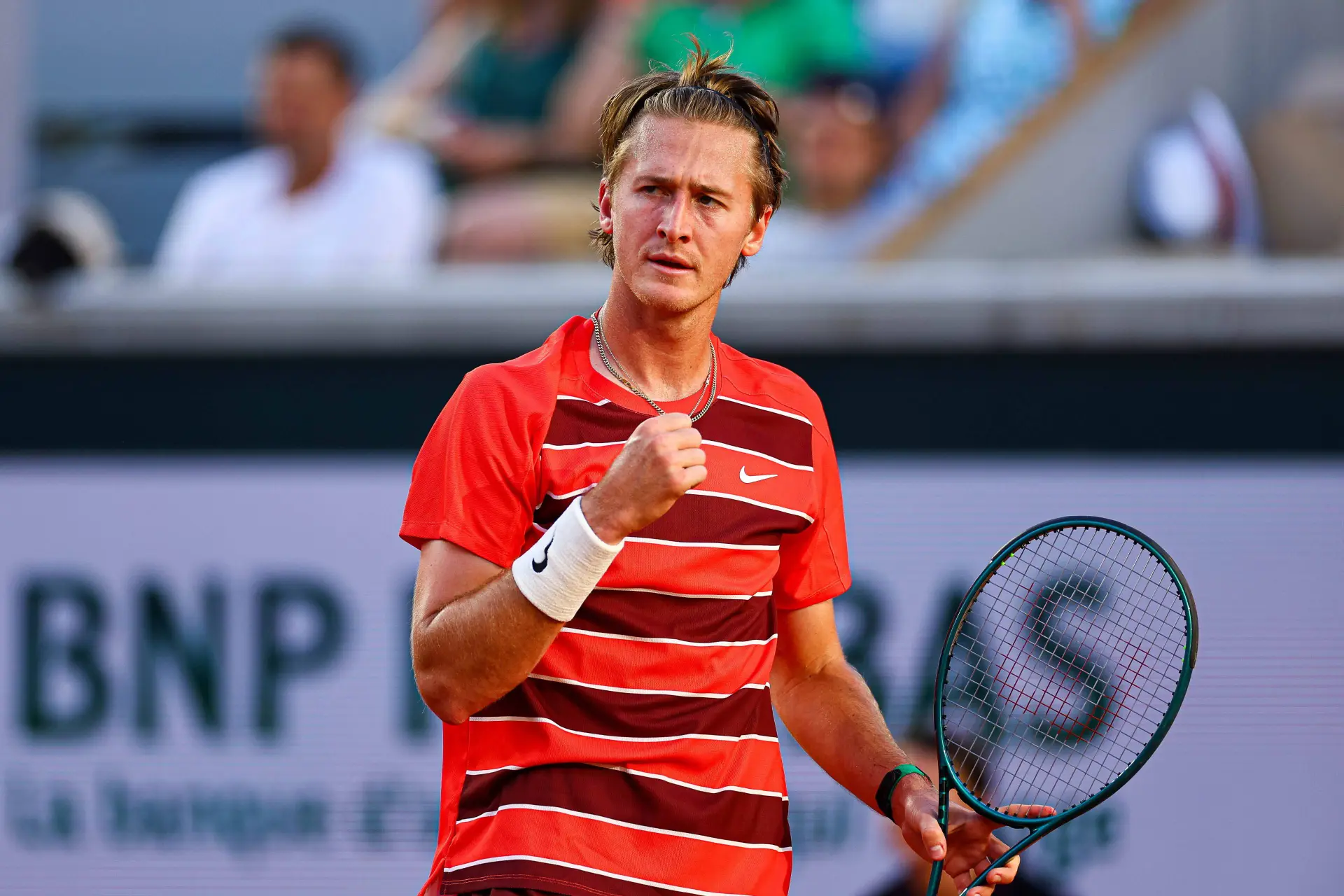
Indian Wells is widely regarded as one of the most distinctive stops on the ATP Tour calendar, and Korda said the difference between day and night sessions can transform the entire dynamic of a match. According to the American, the slower evening conditions in the desert require players to adjust both tactics and expectations.
He explained that the heavy balls and colder temperatures make it far harder to generate pace, forcing competitors to rely more on patience and consistency than aggressive shot-making.
“It was more of a mental day than anything today. Especially coming after a win, you don’t want to get too high on yourself because you can get in trouble with that. I really tried to dig deep and bring good energy. I was actually feeling the ball probably the worst I’ve ever felt it. Playing here at night in the desert is just so difficult. I’m really proud of how I handled the first set, and then in the second set I started firing a bit more and played some really good tennis.”
Korda emphasised that the evening conditions can make Indian Wells feel like an entirely separate event compared with daytime matches. As he put it, “the ball goes absolutely nowhere” and “fluffs up like crazy,” a combination that often neutralises aggressive baseline players.
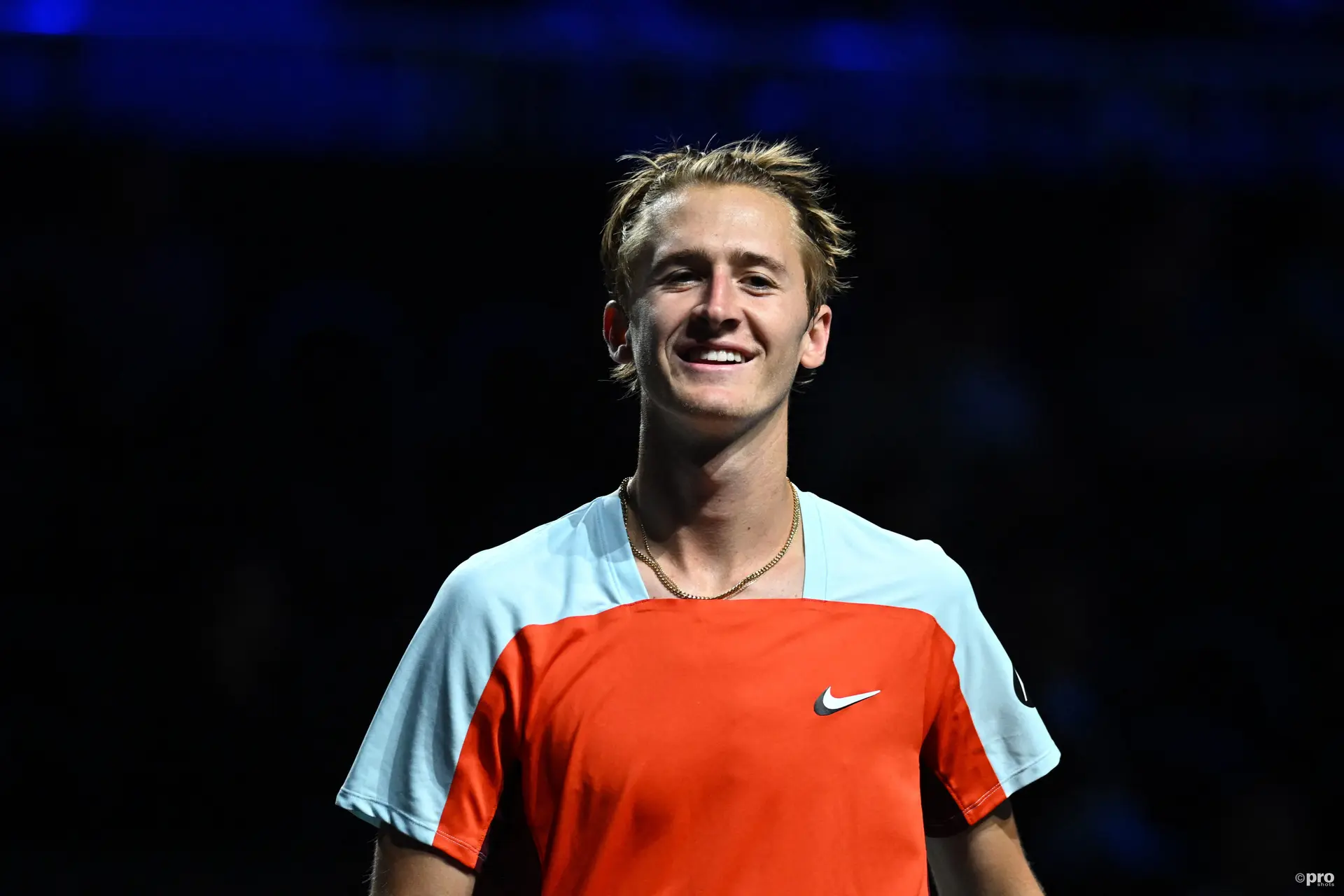
Despite that challenge, the American said victories under those circumstances can be particularly rewarding. For him, finding solutions when not striking the ball well represents a key step in his development.
“Honestly, it’s probably the best feeling when you’re not playing your best but still finding a way to win. I’m actually more satisfied with today’s win than I would be with a straightforward 6-2, 6-2 match. It’s about finding that extra one percent that can change the match, staying mentally calm and going for it when it really matters.”
Challenger reset proves turning point
Korda revealed that the turning point in his season came after a disappointing Australian swing, when he made the unusual decision to drop down to Challenger level competition. While many established players avoid those events, the American saw it as a necessary step to rebuild match confidence.
In his view, the issue was not preparation but execution. He said he had been “practising really well” but failing to handle decisive moments during matches, prompting the decision to seek more competitive repetitions.
“I had a terrible Australian swing, so I went down a level and tried to find a way to win matches. I was practising really well and doing the right things, but when it came down to matches and certain points I just wasn’t playing them right. I decided to play a Challenger — whether I lost first round or won the tournament didn’t matter. It was about being in a stressful environment and continuing to play those matches.”
The experience quickly translated into improved performances. Korda pointed to his close encounter with Taylor Fritz in Dallas as a learning moment before lifting the Delray Beach title, saying the lessons from those pressure situations helped him convert key points during the tournament run.

Personal milestone adds perspective
Away from tennis, Korda also spoke about a major moment in his personal life after becoming engaged to his long-time partner last year. The American described the relationship as a constant source of support throughout the ups and downs of the tour.
The proposal took place in Prague, a city with deep personal significance for the couple. Korda revealed that the historic Charles Bridge — where he asked the question — was the same location where their relationship first began. “Getting engaged was definitely my biggest win — in life, in my career, everything. She’s my rock. I’ve known her since I was nine years old, and it really feels like a fairytale that we’re together.”
Korda now turns his attention back to the tournament, where a demanding test awaits against Alex de Minaur. The Australian’s defensive skills and speed present a very different challenge compared with earlier rounds.
“I’ll definitely need to be patient. He’s one of the players who waits for his opponent to shoot himself in the foot. He’s one of the best players in the world and probably the fastest player on tour. It’s going to be tricky for sure, but if I do the right things hopefully I can put myself in a position to win.”

Cristhián AvilaTennis Journalist
Cristhián Ávila is a tennis journalist based in Santiago, Chile, and has been part of the TennisUpToDate team since early 2023. He covers the ATP and WTA Tours as well as all four Grand Slams, producing breaking news, match reports, analysis, and regular liveblogs from major tournaments.
His reporting combines statistical analysis with clear explanation, helping readers understand tactical developments, player form, and broader storylines across the tour. Working fluently in both Spanish and English, Cristhián collaborates with an international editorial team and contributes to comprehensive global coverage. As part of his work, he has conducted interviews and media interactions with leading figures in the sport, including Caroline Wozniacki and John McEnroe.
In his journalism, Cristhián places strong emphasis on careful sourcing, editorial accuracy, and updating articles promptly when new, verified information becomes available. His coverage is grounded in research, context, and direct engagement with professional tennis.
claps 0visitors 0
Just In


Popular News

Latest Comments
- Fight the Good Fight... Tennis (sports in general) need more Humans such as yourself.
 mandoist18-10-2026
 - When is WTA going to mandate Genetic Testing (DNA) ???mandoist18-10-2026
- Hey, Dan... you just wake up from a coma? Regardless -- Thanks for the comedy this morning!mandoist18-10-2026
- Two Things: 1. Stop allowing these Spoiled Trust-Fund Elitists to behave badly. Your little hand-slaps do not deter them. 2. STOP the incessantly annoying "towel wiping" nonsense!!!!mandoist15-10-2026
- A healthy Qinwen may be hard to stop next season. She was already scaring her opponents before her medical leave(s). Unfortunately, Zheng insisted on singing again. On the positive side -- Mirra did not sing!! ;~}mandoist11-10-2026
- Where is it written that athletes, entertainers... People in general... are mandated to keep looking at -- or even using [anti]Social Media? Public & private figures consistently complain and reveal their concerns about negativity and violence thrown at them -- yet they insist on participating. Avoid it, don't use it, don't read it. It's okay to occasionally look up at the World instead beating your eyes & thumbs to death on The Inventions out there.mandoist11-10-2026
- great articlestennisseserver07-10-2026
- Medvedev was leading Djokovic 7-5, 3-5 when an attempted return..' NO you ignorants, Djokovic was leading .weiss05-10-2026
- No more bullshit "Wildcards" to these two. Qualify like everyone else -- there will be cameras there, too. Time to scream... WTF ????!!!!mandoist29-09-2026
- Let's not BS the general public -- Sabalenka started showing cracks in her game last season. Her losses and near-losses started at about the same time she began being distracted by Fame (constant Selfies, making TV commercials, magazine shoots, endless Social Media nonsense, etc., etc.) One would think even Saba could recognize the parallels with others who failed before her -- Raducanu, Giorgi, Bouchard to name a few.mandoist25-09-2026

Loading