Djokovic and Zverev have more than $2 million in ATP pensions, but neither can collect it yet: here is why
ATP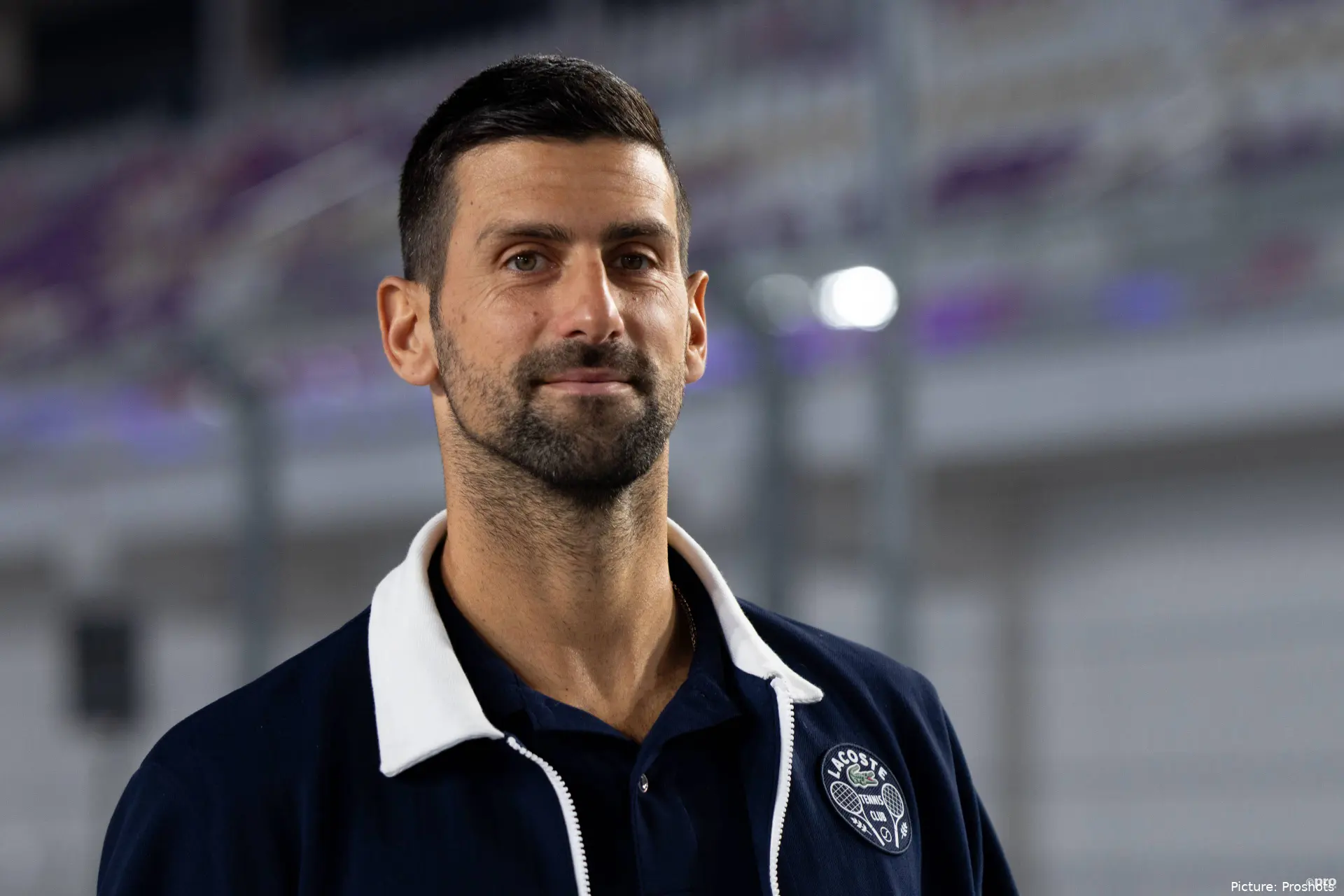
Novak Djokovic has accumulated $1,066,862 in the ATP Player Pension Plan, adding another seven-figure sum to a career that has already produced the highest prize money total in tennis history. According to figures published on the ATP Tour's official website, the Serbian has built up that balance since joining the scheme in 2011. Alexander Zverev is not far behind, with $993,250 after 13 years on Tour.
Together, the two players have accumulated more than $2 million through a retirement scheme that neither can access during his playing career. Djokovic, now 39, will have to wait until 2037, when he turns 50, to begin receiving payments. Zverev, born in 1997, will reach the same milestone in 2047. For both, the pension is an additional financial benefit, but its importance extends well beyond the sport's biggest earners.
The ATP Player Pension Plan was established in 1990 and rewards sustained participation rather than individual tournament victories. Players who meet the required ranking and participation criteria earn a Year of Service, with three years needed to qualify for partial benefits and five required to unlock the full entitlement.
The system is designed to reward players for their commitment to the Tour and provide financial support after their competitive careers end.
The scheme has expanded significantly in recent years. Total player pension contributions reached a record of approximately $28 million in 2025, while the number of players eligible to earn a Year of Service increased to as many as 300 per season, compared with 165 in 2024.
Who qualifies for the ATP pension plan and how much Djokovic and Zverev have accumulated
The ATP divides eligible players into two contribution tiers. Tier 1 covers the top 150 singles players and top 50 doubles players, while Tier 2 includes a further 100 singles competitors. The amount credited to each player depends on the tier for which they qualify.
| Tier | Who qualifies | 2025 contribution | Annual places |
| Tier 1 | Top 150 in singles and Top 50 in doubles | $129,550 | 200 |
| Tier 2 | Next 100 eligible singles players | $20,000 | 100 |
The difference between the two tiers is substantial, with Tier 1 players receiving more than six times the annual contribution allocated to Tier 2. Djokovic has consistently qualified for the highest tier, allowing him to build a balance that has now exceeded $1 million. Zverev has also benefited from years of sustained participation and high rankings, bringing his accumulated total close to the same milestone.
| Player | Time in the plan | Accumulated balance |
| Novak Djokovic | Since 2011 | $1,066,862 |
| Alexander Zverev | 13 years on Tour | $993,250 |
The difference between their balances is $73,612. Their totals reflect the contributions accumulated over multiple seasons, rather than a single payment or a direct percentage of their prize money. The scheme therefore rewards longevity and repeated qualification, giving players an additional financial incentive to remain active and meet the Tour's requirements.
When Djokovic can collect his pension and why the plan matters
Players do not receive the accumulated money while they are still competing. Payments begin at age 50 and are distributed as monthly income over a 20-year period. Djokovic, born on May 22, 1987, will reach that age in 2037, while Zverev, born on April 20, 1997, will become eligible in 2047.
The ATP has published an illustration of the potential benefits for a player who spends 10 years on Tour and consistently qualifies for Tier 1 contributions at current levels. The example uses an annual contribution of approximately $120,000, producing an estimated retirement balance of around $1.2 million.
| Scenario | ATP illustration |
| Annual Tier 1 contribution | Around $120,000 |
| Years on Tour | 10 |
| Estimated accumulated balance | Around $1.2 million |
| Age payments begin | 50 |
| Payment period | 20 years |
| Estimated monthly income | $20,000–$24,000 |
The monthly estimate is an ATP projection, not a simple division of the accumulated balance into 240 equal payments. The Tour presents it as an indicative figure based on the plan's assumptions, rather than a guaranteed amount. Its published explanation also points to investment performance as an important factor in the scheme's growth, with annualised returns averaging 15.6% in recent years.
The broader value of the plan becomes clearer when looking beyond players such as Djokovic and Zverev. Matthew Ebden, an Australian veteran and member of the ATP Player Advisory Council, has previously explained that his first qualifying contribution was just $10,000. "Not everyone has the career of a Roger, Rafa or Novak, and the pension plan is a key part of many players' financial security after 50," he said to ATP Tour back in 2023.
Read also
He has also stressed that not everyone has the career of a Roger Federer, Rafael Nadal or Novak Djokovic, making the pension an important source of financial security for professionals who earn considerably less during their time on Tour.
That is the wider significance of Djokovic's $1,066,862. The Serbian has little reason to depend on the money after a career filled with Grand Slam titles, prize money and commercial success. For many other players, however, the same system can provide a meaningful source of income once their careers are over.

Cristhián AvilaTennis Journalist
Cristhián Ávila is a tennis journalist based in Santiago, Chile, and has been part of the TennisUpToDate team since early 2023. He covers the ATP and WTA Tours as well as all four Grand Slams, producing breaking news, match reports, analysis, and regular liveblogs from major tournaments.
His reporting combines statistical analysis with clear explanation, helping readers understand tactical developments, player form, and broader storylines across the tour. Working fluently in both Spanish and English, Cristhián collaborates with an international editorial team and contributes to comprehensive global coverage. As part of his work, he has conducted interviews and media interactions with leading figures in the sport, including Caroline Wozniacki and John McEnroe.
In his journalism, Cristhián places strong emphasis on careful sourcing, editorial accuracy, and updating articles promptly when new, verified information becomes available. His coverage is grounded in research, context, and direct engagement with professional tennis.
claps 0visitors 0
Just In

Popular News
Latest Comments
- Vacherot is Mongasque, rather than Swiss. The tournament was Swiss :DTrwd7702-11-2026
- After a couple decades traveling to IIHF tourneys overseas... our family is done with it... and I will not be the only one!! Bad enough the NHL allows Ovachenko (a Putin Supporter and Campaigner) to live and play in the USA. Let's not forget the STATE SPONSORED RUSSIAN DOPING PROGRAMS still in effect today.
 mandoist31-10-2026
- Osaka's mental state apparently does not allow her to reach any more Quarter Finals? I mean, she doesn't really have the time for tennis with all the pre-planning that must go into her 12 year-old "fashion" goals.mandoist29-10-2026
- With her money one would think she could afford a better team of Psychiatrists?mandoist29-10-2026
- Boss move, Sinner !Rapunzel27-10-2026
- Apparently still refusing to seek 'help' ...and still playing Dress-Up like a 10 year-old.mandoist27-10-2026
- Lena... Takin' care of businessmandoist25-10-2026
- Can you please stop publishing this nonsense? Stick to Tennis.mandoist25-10-2026
- Does Sinner need that 4.5 mil? I doubt it. He can make that with three modelling gigs!😅🤣Rapunzel21-10-2026
- Did "People Magazine" purchase this website? This nonstop storyline is bullshit.mandoist21-10-2026
