“Sometimes you need to rush”: Jannik Sinner weighs in on shot clock debate after Indian Wells win
ATP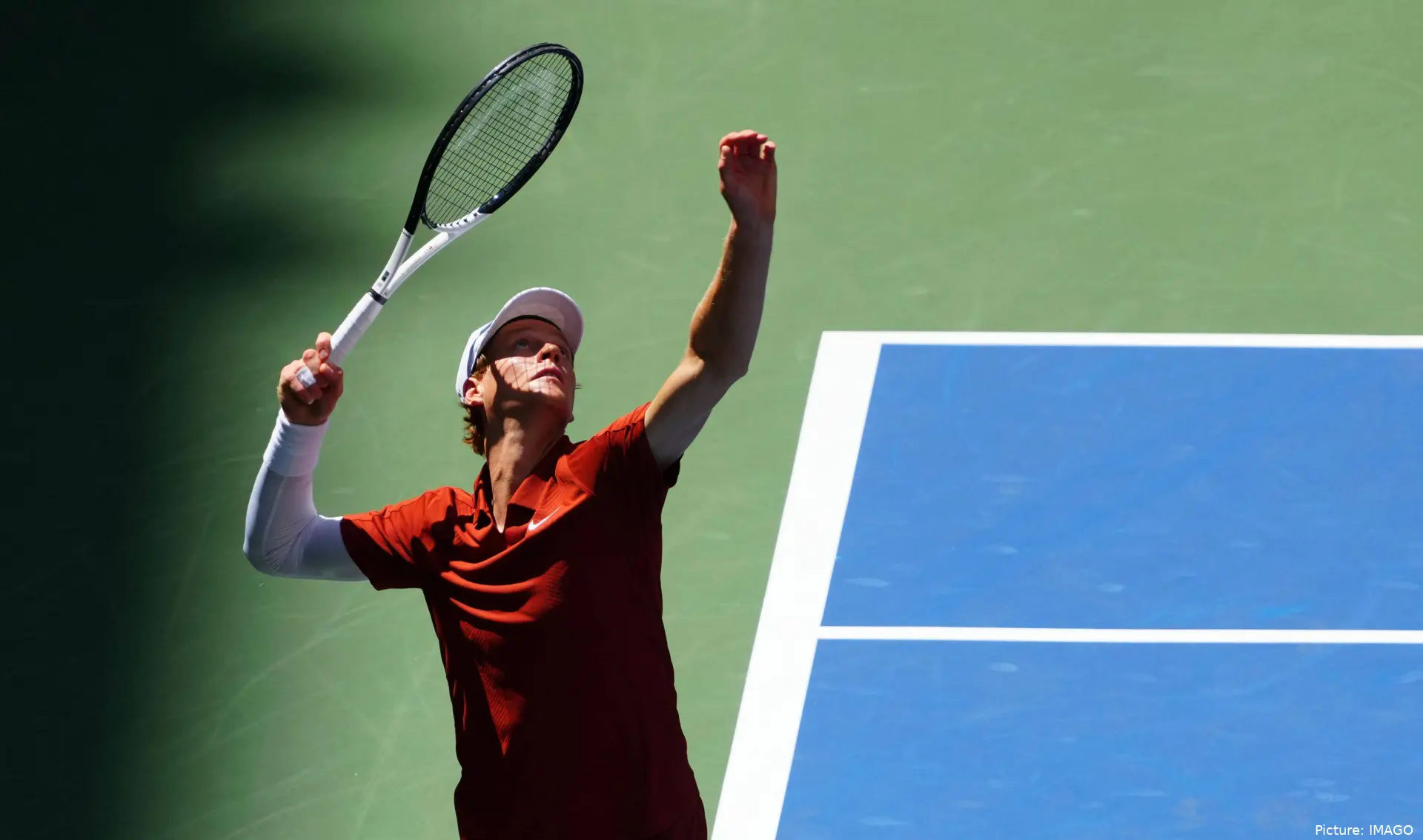
Jannik Sinner maintained his strong form at the 2026 Indian Wells Masters after defeating Denis Shapovalov in straight sets to reach the fourth round. The Italian produced a composed display to seal a 6–3, 6–2 victory in just 71 minutes, continuing his consistent record in the Californian desert.
The win extended Sinner’s streak against left-handed players to 19 consecutive victories and improved his H2H record against Shapovalov to 2–1. It also marked the fifth time in as many appearances that the Italian has reached the fourth round at Indian Wells, where he was a semi-finalist in both 2023 and 2024.
While the match itself was relatively straightforward, the conversation after the victory shifted toward the ATP shot clock rule. The regulation gives servers a maximum of 25 seconds between points and has recently returned to the spotlight following comments from Carlos Alcaraz.
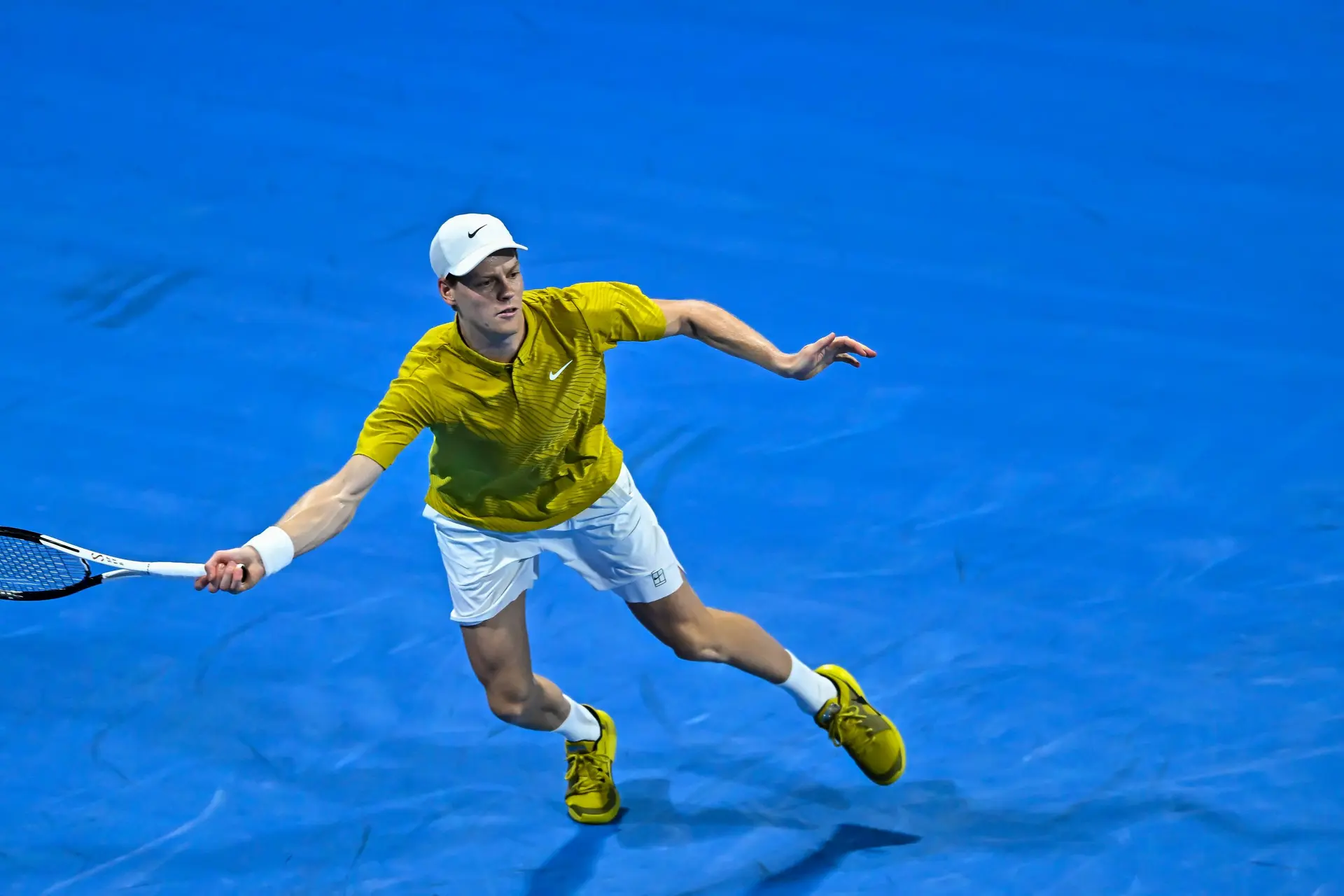
The Spaniard criticised the rule again earlier this season during a heated exchange with the chair umpire in his match against Karen Khachanov at the Qatar Open, arguing that the timing should be more flexible and take additional factors into account.
Shot clock debate resurfaces after Alcaraz criticism
The discussion around the shot clock has been building for some time. Alcaraz has voiced frustration with the rule since the automated shot clock was trialled during the grass-court season at Queen’s Club in 2024. After his early defeat to Jack Draper at that tournament, the Spaniard complained that the system left players feeling rushed during points.
“I have never seen something like that in tennis. Today I felt like I was in a rush all the time. I had no time to bounce and do my routine. Of course it's something bad for the players. For sure I will speak to the ATP.”
The issue resurfaced again during last year’s Japan Open, when Alcaraz argued with chair umpire Fergus Murphy over the timing between points. A similar situation occurred again in Doha this season when the Spaniard received a time violation from chair umpire Marija Cicak. “The rule is always s***. It’s always the same. Always. Super unfair,” the world No. 1 said back in October, 2025.
Despite those criticisms, the ATP has not introduced any changes to the regulation. The 25-second limit remains in place across tour events, meaning players must adapt their routines regardless of rally length or match context.
Sinner offers balanced perspective after Shapovalov win
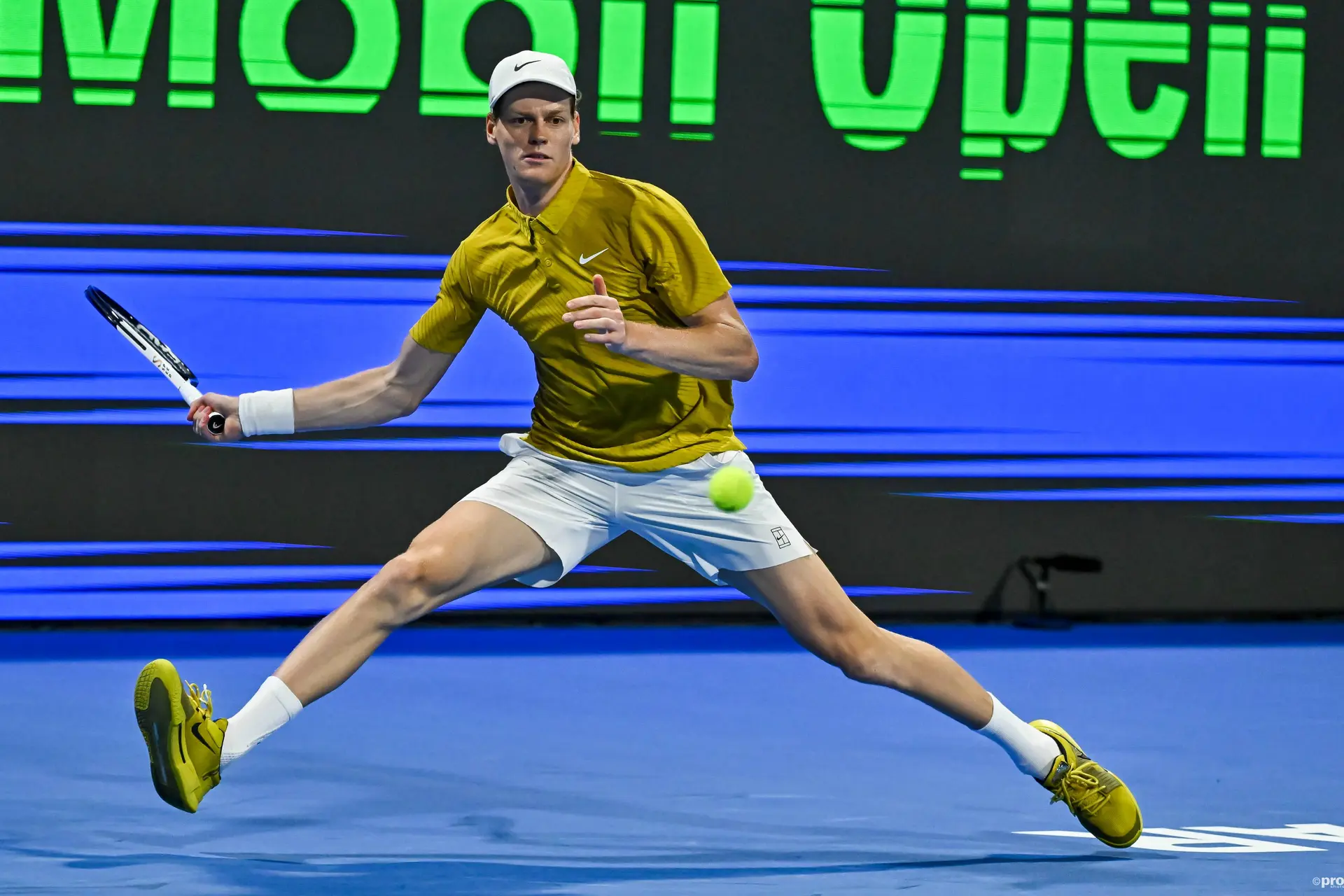
Asked about the topic following his victory over Shapovalov, Sinner offered a measured perspective. The Italian acknowledged that the rule can create pressure after long rallies but emphasised that it applies equally to all players on tour. “Especially after longer rallies, or depending on where you finish the point, sometimes you need to rush a little bit. But it’s the rule and it’s the same for everyone at the moment.”
Sinner explained that players occasionally need to adjust their service routine to remain within the 25-second limit, particularly after physically demanding exchanges. “There are situations where you go over the shot clock for a couple of seconds, which at times is normal. I try to stay within the 25 seconds. I do have my rhythm or my routine before serving, but sometimes I skip parts of it because otherwise I would go over.”
The Italian ultimately stressed that the regulation is outside the players’ control. “But it is what it is. It’s not my decision.”
Read also
Strong display against Shapovalov keeps Sinner on track
On court, Sinner delivered a controlled performance against Shapovalov, using his consistency from the baseline to dictate the majority of rallies. The Canadian arrived in good form but struggled to disrupt the Italian’s rhythm once Sinner settled into the match.
“Denis is a high quality player, as we know. He’s an in-form player, so I’m very happy with my performance. I tried to stay solid at the baseline, but also a bit more aggressive in the second set, which helped me. It was a tough start for me, but I’m happy with how I reacted.”
Sinner admitted that the early stages were not straightforward as both players adjusted to the conditions. “There wasn't much rhythm at a certain point, but I think I set a good rhythm from the baseline. The start was a bit like that because coming back after the break is always different. I tried to raise my level from the second set onwards, which I managed to do, so I can be happy.”
The Italian will next face either Brazilian teenager Joao Fonseca or American Tommy Paul as he continues his campaign at one of the ATP Tour’s most prestigious Masters 1000 events.


Cristhián AvilaTennis Journalist
Cristhián Ávila is a tennis journalist based in Santiago, Chile, and has been part of the TennisUpToDate team since early 2023. He covers the ATP and WTA Tours as well as all four Grand Slams, producing breaking news, match reports, analysis, and regular liveblogs from major tournaments.
His reporting combines statistical analysis with clear explanation, helping readers understand tactical developments, player form, and broader storylines across the tour. Working fluently in both Spanish and English, Cristhián collaborates with an international editorial team and contributes to comprehensive global coverage. As part of his work, he has conducted interviews and media interactions with leading figures in the sport, including Caroline Wozniacki and John McEnroe.
In his journalism, Cristhián places strong emphasis on careful sourcing, editorial accuracy, and updating articles promptly when new, verified information becomes available. His coverage is grounded in research, context, and direct engagement with professional tennis.
claps 0visitors 0
Just In




Popular News
Latest Comments
- No more bullshit "Wildcards" to these two. Qualify like everyone else -- there will be cameras there, too. Time to scream... WTF ????!!!!
 mandoist29-09-2026
 - Let's not BS the general public -- Sabalenka started showing cracks in her game last season. Her losses and near-losses started at about the same time she began being distracted by Fame (constant Selfies, making TV commercials, magazine shoots, endless Social Media nonsense, etc., etc.) One would think even Saba could recognize the parallels with others who failed before her -- Raducanu, Giorgi, Bouchard to name a few.mandoist25-09-2026
- Gross!! Hey Raducanu, Giorgi, and Bouchard -- reserve a seat at your Social Media Selfie table for Saba + Naomi. They're heading in your direction soon enough.mandoist24-09-2026
- And then these same players will complain about how lengthy their season’s were and need more time-off. I’m all for more tennis but the amount of tennis we get now is actually kind of crazy! We all need a break, especially the players.DaveyWavey23-09-2026
- You should do a comparison article for "different kinds of justice" the courts decide for tennis players. I can think of at least three players who received very small bans of a few months, however Tara Moore has been fighting for her literal survival the past few years. It seems odd considering she is not a "name" player, unlike the other cases.DaveyWavey22-09-2026
- PRIZE MONEY & POINTS Winner - $185,500 Finalist - $114,500 Semi-Finalist - $66,003 Quarter-Finalist - $35,000 Round of 16 - $18,045 Round of 32 - $13,005 Winner - 500 Finalist - 325 Semi-Finalist - 195 Quarter-Finalist - 108 Round of 16 - 60 Round of 32 - 1DaveyWavey20-09-2026
- Pegula withdrew from this Singapore event
 tennishappens19-09-2026
 - Serena Williams chose her tournaments. It's not such a bad idea.MuswellHillbilly17-09-2026
- This child is just too fragile. Step away from tennis for a year. Get healthy, get fit; train hard;ranking be damned, and come back as strong contender. Anisimova did it. So can Emma.Rapunzel17-09-2026
- Double standards, what can be said!? Venus is p**ing on media and public. Can't face defeat. Cowerdness! Shouldn't be given any other wild cards ever. That's gross disrespect.DragosJacob16-09-2026

Loading