"The last Grand Slam champion under six feet was 22 years ago": Andy Roddick explains why shorter players are disappearing from tennis
ATP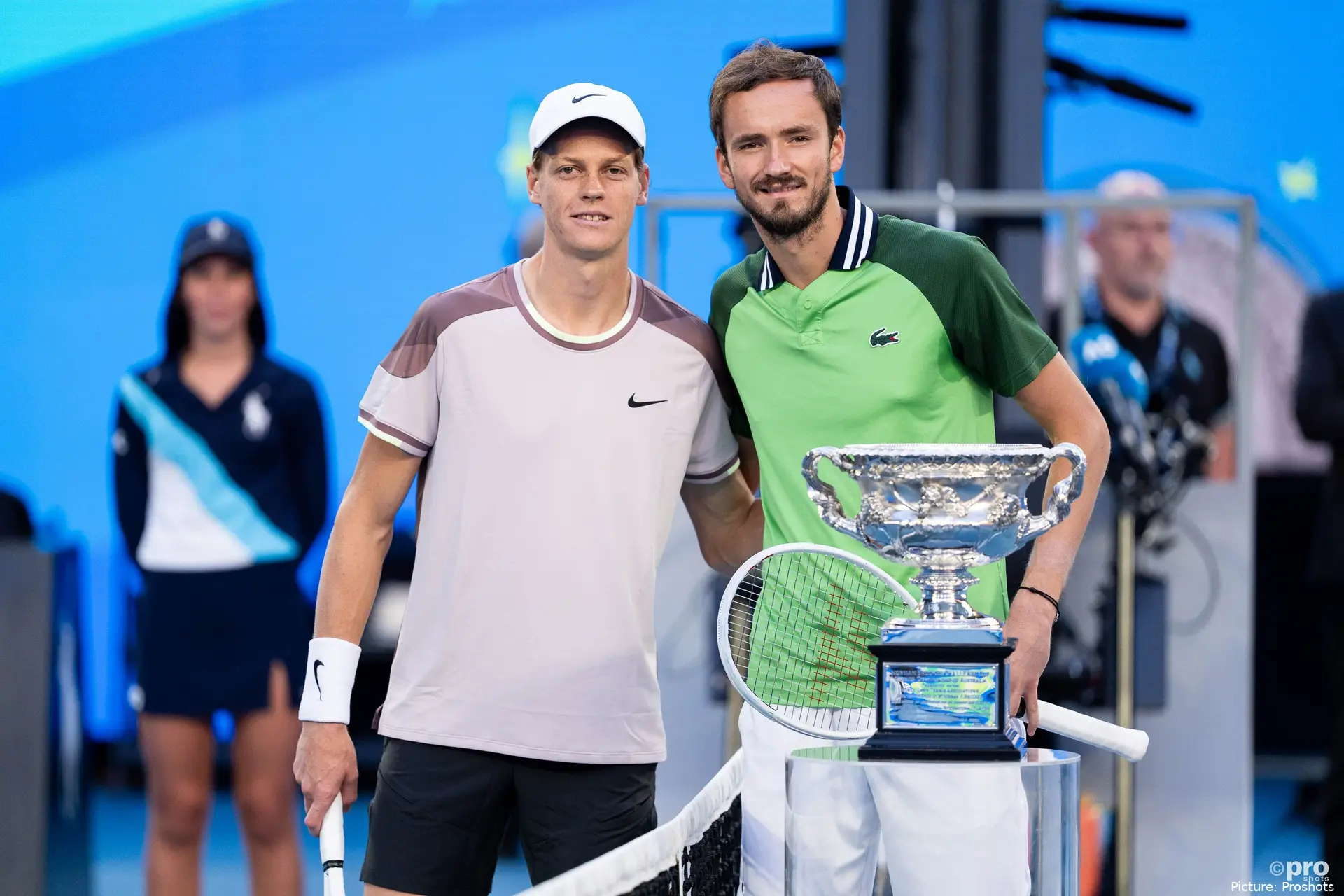
Andy Roddick believes the physical evolution of tennis has made it increasingly difficult for shorter players to compete at the highest level, with the former world No. 1 explaining why the modern game is moving toward bigger and stronger athletes.
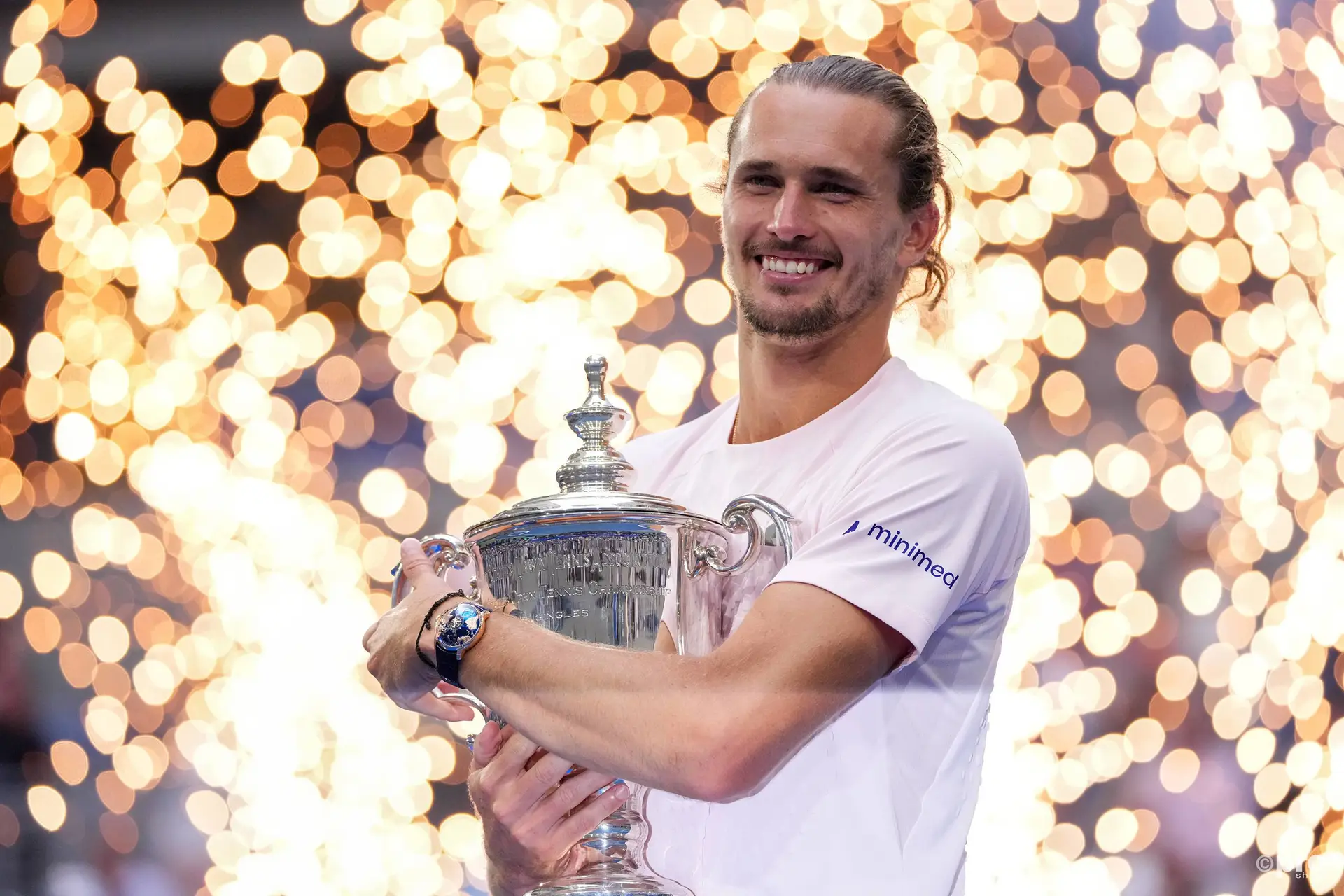
Speaking on his Served Media podcast, Roddick analyzed the changing demands of professional tennis and discussed why height has become an increasingly important factor in the men's game. The American pointed to the rise of players such as Jannik Sinner, Alexander Zverev and Daniil Medvedev as examples of the physical profile that is becoming more common at the top of the sport.
According to Roddick, height alone is not enough to succeed, but the combination of size, power, movement and elite racket skills has made the challenge much greater for shorter players. He explained that those who do not fit the current physical trend need extraordinary abilities to overcome that disadvantage.
The former US Open champion also highlighted Carlos Alcaraz as an example of a player who challenges that tendency, explaining that the Spaniard's speed and technical ability allow him to compete against some of the biggest athletes in tennis.
"It's getting bigger": Andy Roddick explains why shorter players are becoming the exception
Roddick highlighted the recent history of men's Grand Slam champions when explaining why he believes the ideal physical profile in tennis has changed. "As far as a sweet spot, it's only getting taller. The last Grand Slam champion under six feet tall happened 22 years ago with Gastón Gaudio," Roddick said.
The American explained that tennis has followed the same direction as other major sports, with athletes becoming bigger, stronger and faster over time. "I don't think tennis is immune to bigger, stronger, faster. Same with most sports, right? It's just kind of the way it is," Roddick said.
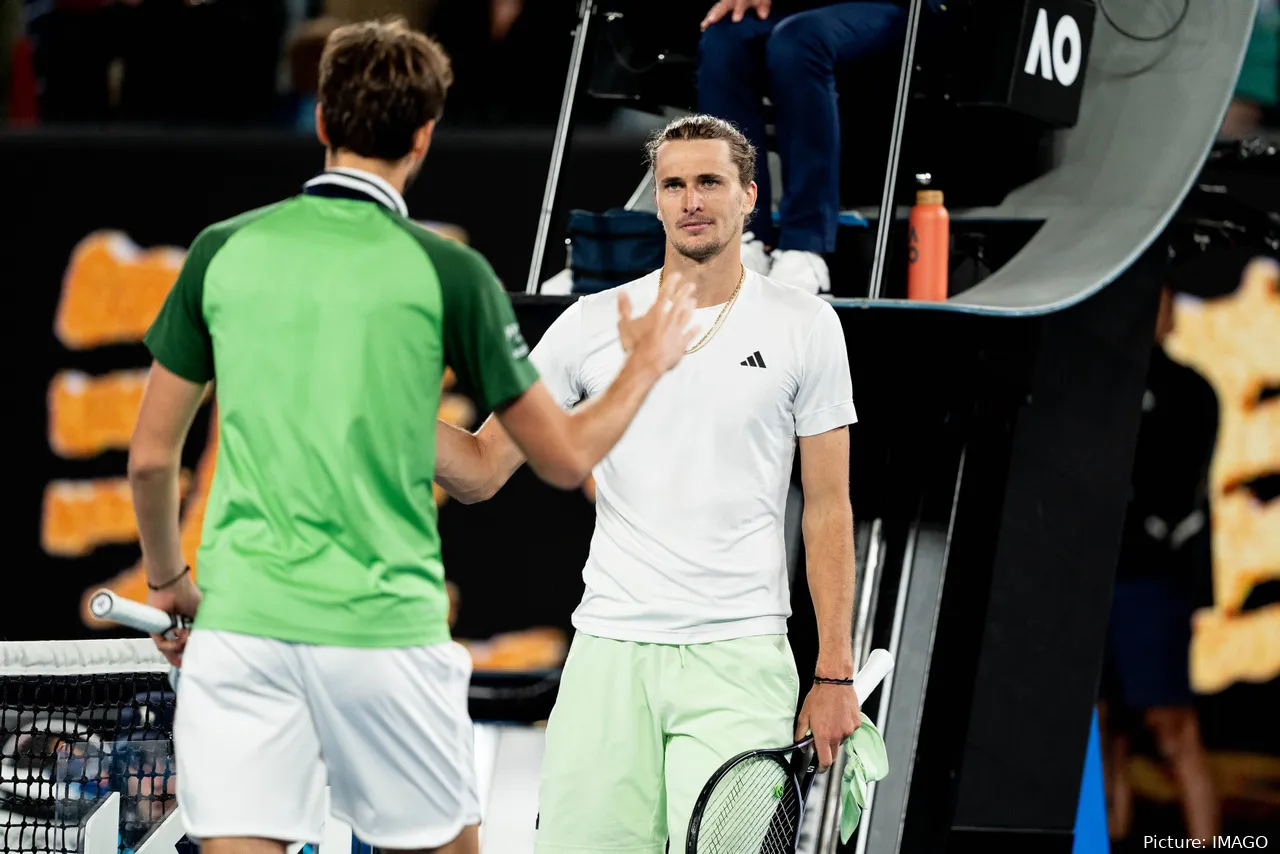
Daniil Medvedev and Alexander Zverev at 2024 Australian Open semifinals.
Roddick then pointed toward the current generation of top players, highlighting how many of the biggest names in men's tennis combine significant height with the ability to move at an elite level.
"There are just these crazy players like Sinner, who's 6'4", Zverev, who's 6'6", Medvedev, who's all of the things. It's just getting bigger," Roddick explained. "The number one thing that is non-negotiable at a pro level is movement. You cannot be amazingly slow anymore. You're not getting enough help from the surface."
Roddick believes that players who do not have the physical profile of the biggest athletes need extraordinary skills to compensate. "I'd say the exceptions lie in people that are all-time kind of on the racket skills list. Fed, 6'1", 6'2", Alcaraz, 6'1". I still think there's room for those generational talents, but they have to be perfect, fast-footwork movers. You have to have all-time racket skills," Roddick explained.
Roddick also used Carlos Alcaraz as an example of a player who challenges the trend because of his unique athletic qualities. "For the record, Carlos is actually listed at 6'0", but he feels taller than that. He's the fastest guy I've ever seen. He's unbelievable," Roddick said.
For Roddick, players like Alcaraz prove that shorter players can still succeed, but only when they possess exceptional qualities that allow them to compete against the bigger athletes dominating modern tennis. "I still think there's room for those generational talents, but they have to be perfect, fast-footwork movers. You have to have all-time racket skills," Roddick said.

Cristhián AvilaTennis Journalist
Cristhián Ávila is a tennis journalist based in Santiago, Chile, and has been part of the TennisUpToDate team since early 2023. He covers the ATP and WTA Tours as well as all four Grand Slams, producing breaking news, match reports, analysis, and regular liveblogs from major tournaments.
His reporting combines statistical analysis with clear explanation, helping readers understand tactical developments, player form, and broader storylines across the tour. Working fluently in both Spanish and English, Cristhián collaborates with an international editorial team and contributes to comprehensive global coverage. As part of his work, he has conducted interviews and media interactions with leading figures in the sport, including Caroline Wozniacki and John McEnroe.
In his journalism, Cristhián places strong emphasis on careful sourcing, editorial accuracy, and updating articles promptly when new, verified information becomes available. His coverage is grounded in research, context, and direct engagement with professional tennis.
claps 0visitors 0
Just In

Popular News
Latest Comments
- great articlestennisseserver07-10-2026
- Medvedev was leading Djokovic 7-5, 3-5 when an attempted return..' NO you ignorants, Djokovic was leading .weiss05-10-2026
- No more bullshit "Wildcards" to these two. Qualify like everyone else -- there will be cameras there, too. Time to scream... WTF ????!!!!
 mandoist29-09-2026
 - Let's not BS the general public -- Sabalenka started showing cracks in her game last season. Her losses and near-losses started at about the same time she began being distracted by Fame (constant Selfies, making TV commercials, magazine shoots, endless Social Media nonsense, etc., etc.) One would think even Saba could recognize the parallels with others who failed before her -- Raducanu, Giorgi, Bouchard to name a few.mandoist25-09-2026
- Gross!! Hey Raducanu, Giorgi, and Bouchard -- reserve a seat at your Social Media Selfie table for Saba + Naomi. They're heading in your direction soon enough.mandoist24-09-2026
- And then these same players will complain about how lengthy their season’s were and need more time-off. I’m all for more tennis but the amount of tennis we get now is actually kind of crazy! We all need a break, especially the players.DaveyWavey23-09-2026
- You should do a comparison article for "different kinds of justice" the courts decide for tennis players. I can think of at least three players who received very small bans of a few months, however Tara Moore has been fighting for her literal survival the past few years. It seems odd considering she is not a "name" player, unlike the other cases.DaveyWavey22-09-2026
- PRIZE MONEY & POINTS Winner - $185,500 Finalist - $114,500 Semi-Finalist - $66,003 Quarter-Finalist - $35,000 Round of 16 - $18,045 Round of 32 - $13,005 Winner - 500 Finalist - 325 Semi-Finalist - 195 Quarter-Finalist - 108 Round of 16 - 60 Round of 32 - 1DaveyWavey20-09-2026
- Pegula withdrew from this Singapore event
 tennishappens19-09-2026
 - Serena Williams chose her tournaments. It's not such a bad idea.MuswellHillbilly17-09-2026

Loading