
Rafa Jódar’s run to the Shanghai Masters final has added a new name to the battle for the ATP Finals. With the season approaching its final weeks, the 19-year-old Spaniard is challenging established players for a place at the eight-man tournament in Turin.
The Nitto ATP Finals will take place at the Inalpi Arena between 15 and 22 November 2026. However, the immediate drama is happening elsewhere, as players chase the remaining qualification points before the field is settled.
For readers following tennis alongside other online interests, including an online casino, the important distinction is between the world rankings and the qualification race. The ATP Finals places depend on results during the current season, so a player’s familiar ranking position does not necessarily reveal how close he is to reaching Turin.
Jódar has changed the qualification conversation
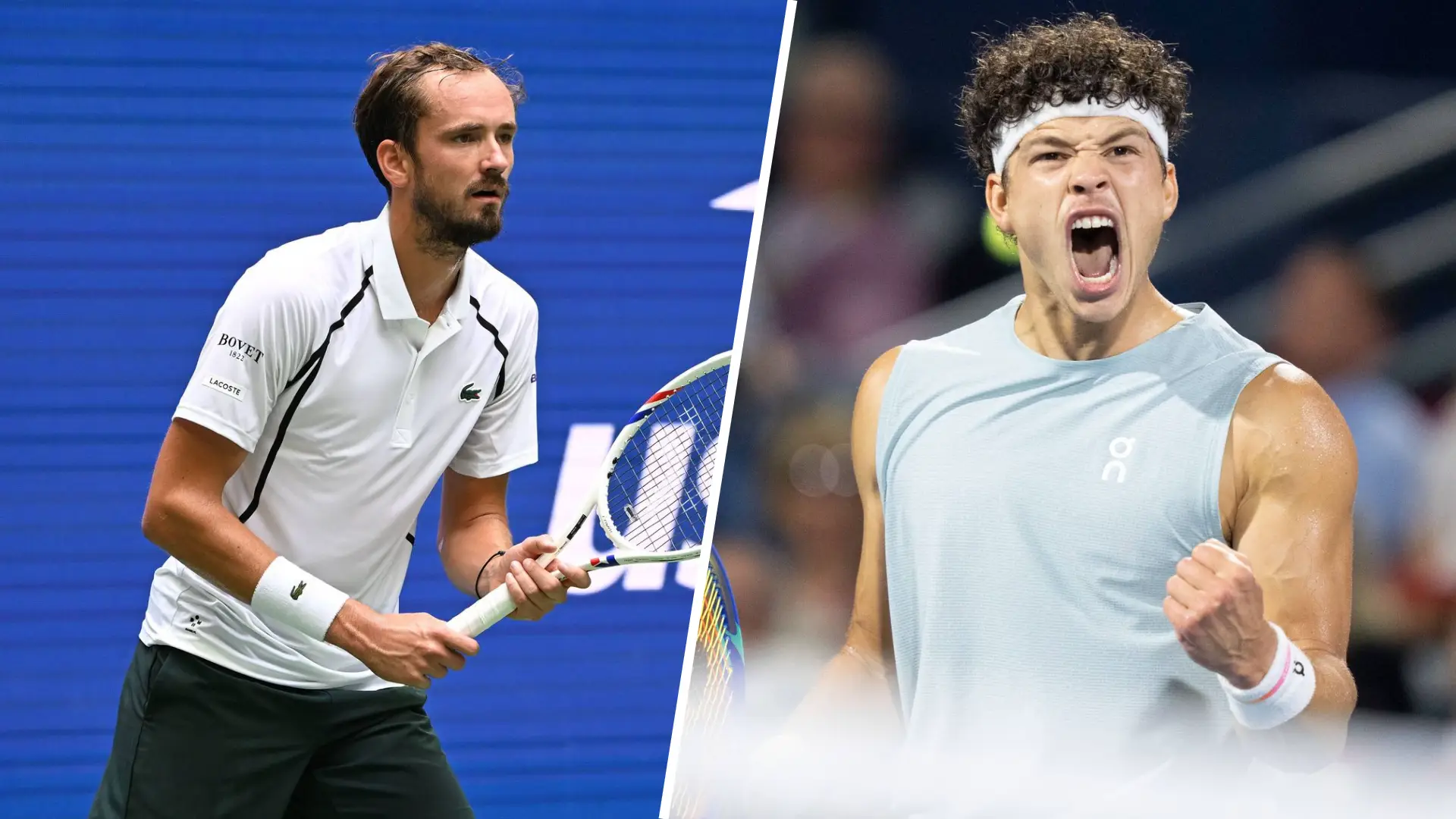
Jódar reached the Shanghai final after beating Casper Ruud in the quarter-finals and Daniil Medvedev in the semi-finals. He defeated Medvedev 6-4, 6-3 before losing Sunday’s final to fellow Spaniard Alejandro Davidovich Fokina.
The runner-up finish left Jódar ninth in the Race to Turin with 3,159 points. Alex de Minaur was next on 2,880, a gap of 279 points. Those figures concern the qualification race, rather than the separate rolling world rankings.
That advantage gives Jódar something tangible to defend. It is also small enough to keep the competition open during the remaining indoor tournaments.
His Shanghai performance matters beyond the points. Beating Ruud and Medvedev during the same tournament suggests he can handle opponents with very different playing styles. A potential Turin appearance would immediately ask him to repeat that standard, because there are no early rounds against players outside the leading group.
Jódar’s planned schedule includes Basel and the Paris Masters. Those events offer opportunities to strengthen his position, but they also create a demanding sequence after a long week in Shanghai.
Sinner’s absence opens a place
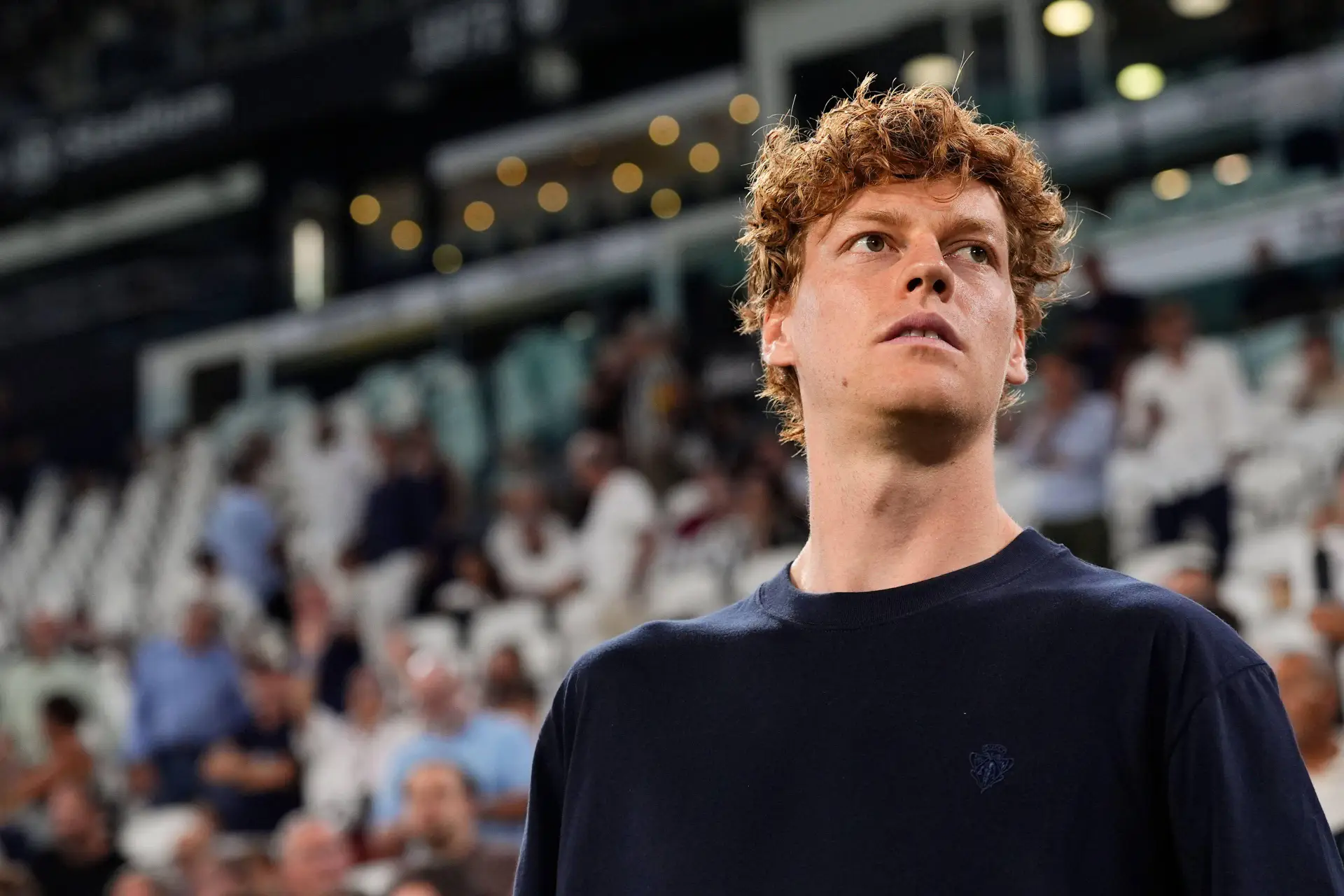
Jannik Sinner has ended his season because of a right knee problem, ruling him out of the ATP Finals in his home country.
His withdrawal changes both the tournament and the qualification battle. Ninth place in the Race would normally leave a player outside the eight-man field, but Sinner’s absence moves the qualification line down, subject to the final standings and eligibility rules.
It also removes a major attraction for the Italian crowd. Sinner’s decision means that any discussion of the title favourites must separate qualification on points from actual availability to compete.
For Jódar, de Minaur and the other players chasing a place, the practical consequence is straightforward. There is another opening, but it still has to be secured through results.
A provisional qualifying position is not confirmation. One strong tournament by a rival can change the order, particularly with the Paris Masters still ahead.
Zverev and Alcaraz offer different challenges
Alexander Zverev and Carlos Alcaraz have already secured qualification, giving them more freedom to prepare without calculating the minimum result required each week.
Zverev’s serve is an obvious weapon indoors. Without wind affecting the ball toss, a strong serving performance can make his service games difficult to attack. His backhand also gives him a reliable way to maintain pressure during baseline exchanges.
For opponents, the challenge is finding chances before a set reaches a tie-break. Allowing Zverev to settle into comfortable service games can leave very little room for a poor return game or loose few points.
Alcaraz creates a different problem. He can change direction suddenly, move forward behind an attacking shot and disrupt a rally with a drop shot. An opponent who retreats too far behind the baseline risks giving him more space to exploit.
Those contrasting styles are part of the tournament’s appeal. A player might need one tactical plan against Zverev and a substantially different one against Alcaraz within the same week.
Why the group draw matters so much
Turin uses two groups of four, with each player facing the other three members of his group. The leading two in each section advance to the semi-finals.
All singles matches, including the final, are played over the best of three tie-break sets. That gives the event a different rhythm to a Grand Slam, where the men’s singles champion must negotiate seven rounds over the best of five sets.
The group stage allows recovery after an opening defeat. It can also create uncomfortable calculations during the final round of matches, when sets and games may become relevant to separating players with similar records.
For a debutant, that format offers both reassurance and pressure. One bad performance does not necessarily end the tournament, but there is no gentle opening opponent to help establish confidence.
The draw will therefore be more useful than any early prediction about a likely final. Match-ups, rather than reputation alone, can determine which route looks manageable.
Paris could decide who reaches Turin
The Paris Masters, scheduled for 2–8 November, is the major remaining opportunity to change the qualification order before the Finals.
For Jódar, the task is to protect the advantage earned in Shanghai. For de Minaur and those behind him, the priority is producing a result large enough to overtake a direct rival.
That can influence the pressure surrounding individual matches. A quarter-final may matter because of the opponent on the other side of the net, but also because another contender has already won elsewhere in the draw.
Turin is less than a month away, yet its final line-up still has an important story to tell. Jódar has earned a provisional position through a breakthrough performance. The next few weeks will determine if that Shanghai run becomes the beginning of his first ATP Finals campaign.

Samuel GillEditor-in-Chief
Samuel Gill is the Chief Content Officer (CCO) of TennisUpToDate.com, a role he has held since 2020. He is responsible for editorial governance across the platform, including setting content standards, overseeing accuracy and consistency, and guiding long-term editorial strategy. Since joining, he has contributed more than 10,000 articles and editorial pieces across the TennisUpToDate network, playing a central role in the daily operation and development of the site.
Based in Leicester, Samuel has a broad background in tennis media. In his current role, he works closely with editors and writers to ensure coverage meets clear journalistic standards, with particular attention to verification, consistency, and timely updates when new information becomes available.
claps 0visitors 0
Just In

Popular News

Latest Comments
- This is so very very sad, for all three of them. I truly thought they had an unbreakable bond, but life throws up so many differing challenges. Having your homeland suffering in such a terrible way, makes happiness lose out to guilt as well. Our thoughts are with them. X💔bjsexton20-10-2026
- I have lost all respect for Svitolina! Could she not have waited until he had played at the Paris Masters!!! She is selfish and don't give a damn about Gael. That is NOT how love is demonstrated Elina!!Rapunzel19-10-2026
- Perhaps convenient tennis tour sex is not a strong enough experience in which to base a marriage?
 mandoist19-10-2026
- Fight the Good Fight... Tennis (sports in general) need more Humans such as yourself.mandoist18-10-2026
- When is WTA going to mandate Genetic Testing (DNA) ???mandoist18-10-2026
- Hey, Dan... you just wake up from a coma? Regardless -- Thanks for the comedy this morning!mandoist18-10-2026
- Two Things: 1. Stop allowing these Spoiled Trust-Fund Elitists to behave badly. Your little hand-slaps do not deter them. 2. STOP the incessantly annoying "towel wiping" nonsense!!!!mandoist15-10-2026
- A healthy Qinwen may be hard to stop next season. She was already scaring her opponents before her medical leave(s). Unfortunately, Zheng insisted on singing again. On the positive side -- Mirra did not sing!! ;~}mandoist11-10-2026
- Where is it written that athletes, entertainers... People in general... are mandated to keep looking at -- or even using [anti]Social Media? Public & private figures consistently complain and reveal their concerns about negativity and violence thrown at them -- yet they insist on participating. Avoid it, don't use it, don't read it. It's okay to occasionally look up at the World instead beating your eyes & thumbs to death on The Inventions out there.mandoist11-10-2026
- great articlestennisseserver07-10-2026

Loading