If you follow professional tennis even casually, you’ve probably noticed a familiar, infuriating pattern: late-night matches, brutally short turnarounds, and players left wondering if anyone in charge actually cares about their health and performance. Judging by recent events, the answer seems to be: not much.
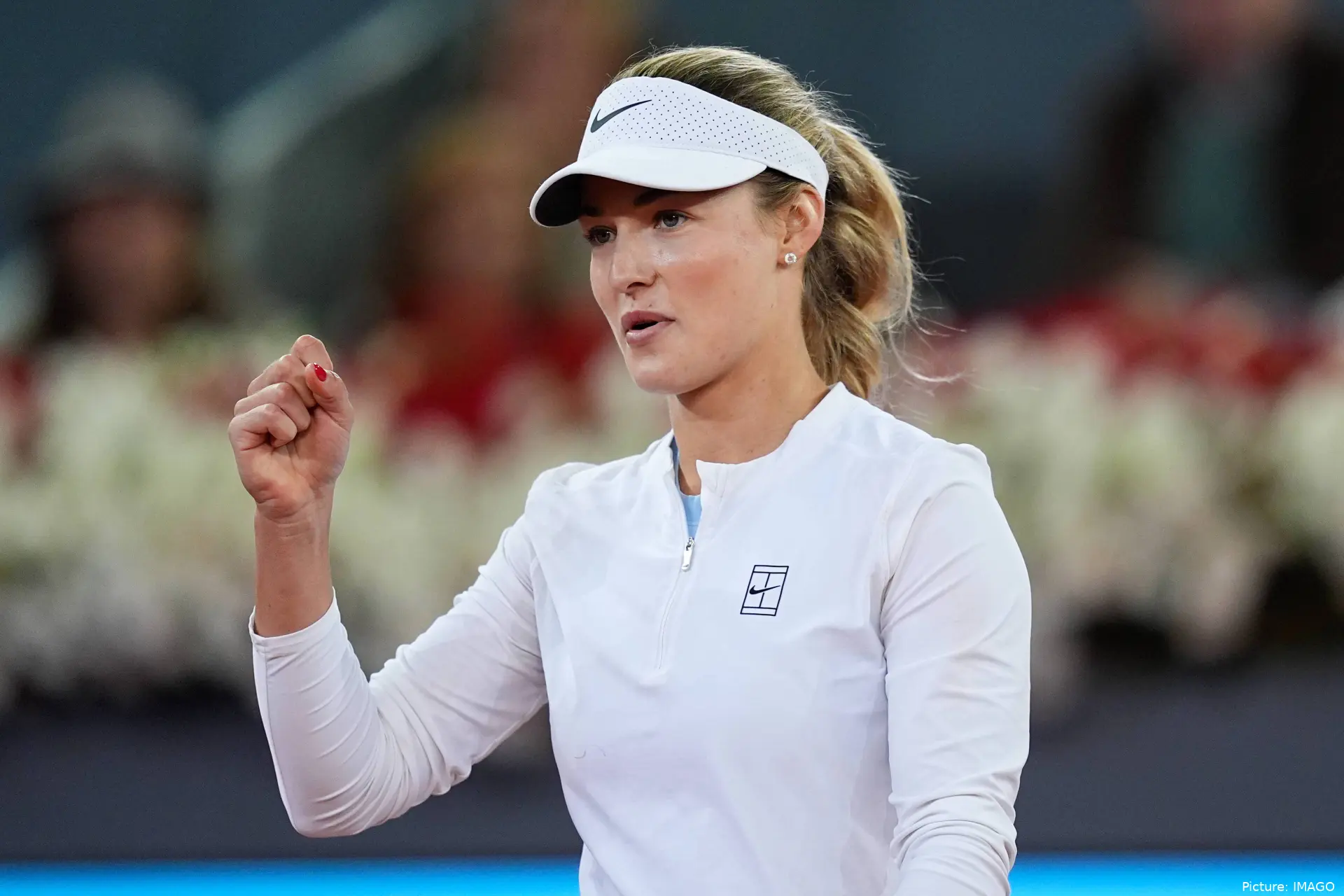
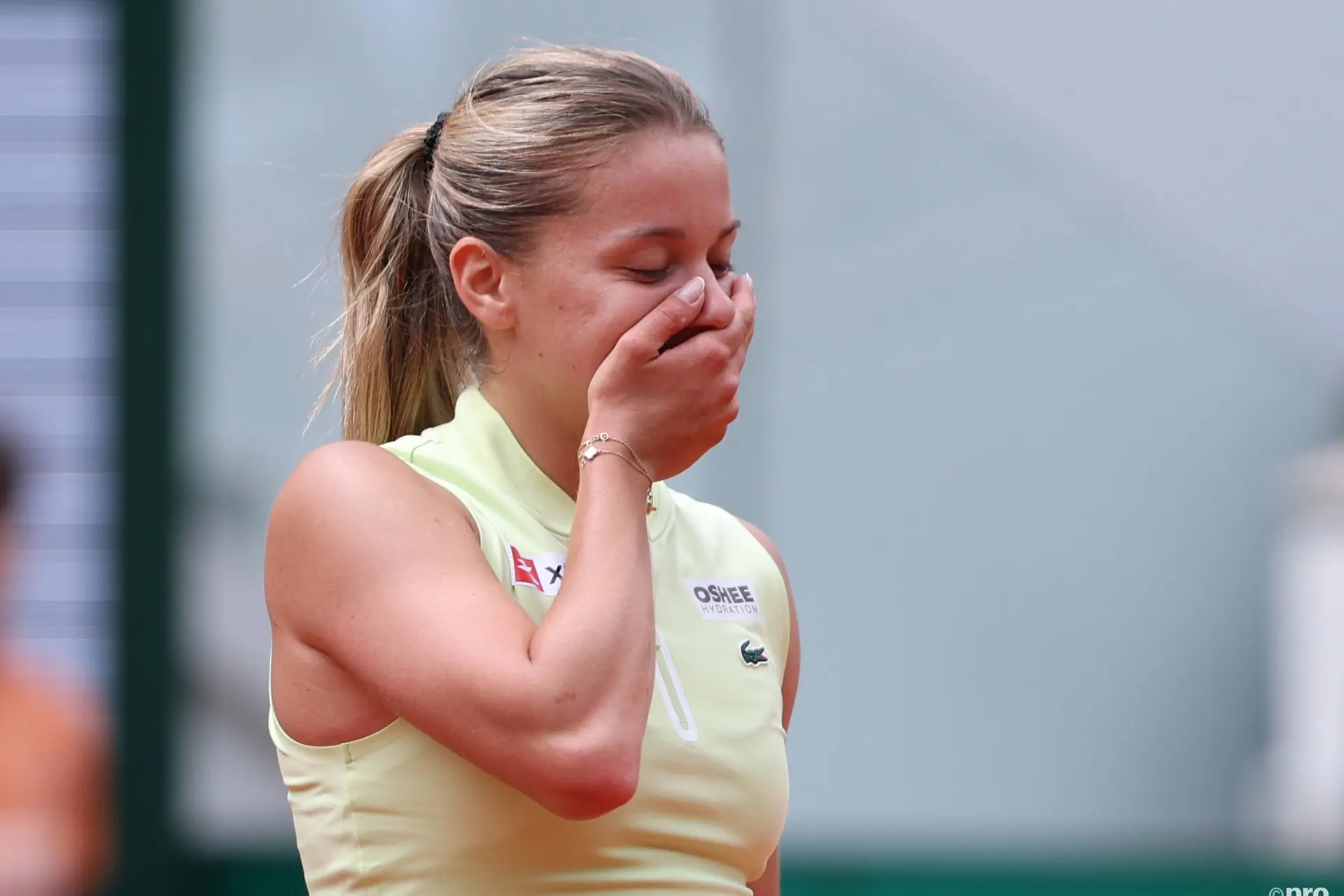
Yesterday, Anna Kalinskaya used her social media feed to call out what she felt was a scheduling fiasco: she played a super-late match, didn’t get enough recovery time, and then was scheduled first on the order of play on her next match day.
That might sound like bad luck—until you realize it’s the same story we’ve heard dozens of times before. And the worst part? It’s entirely preventable.
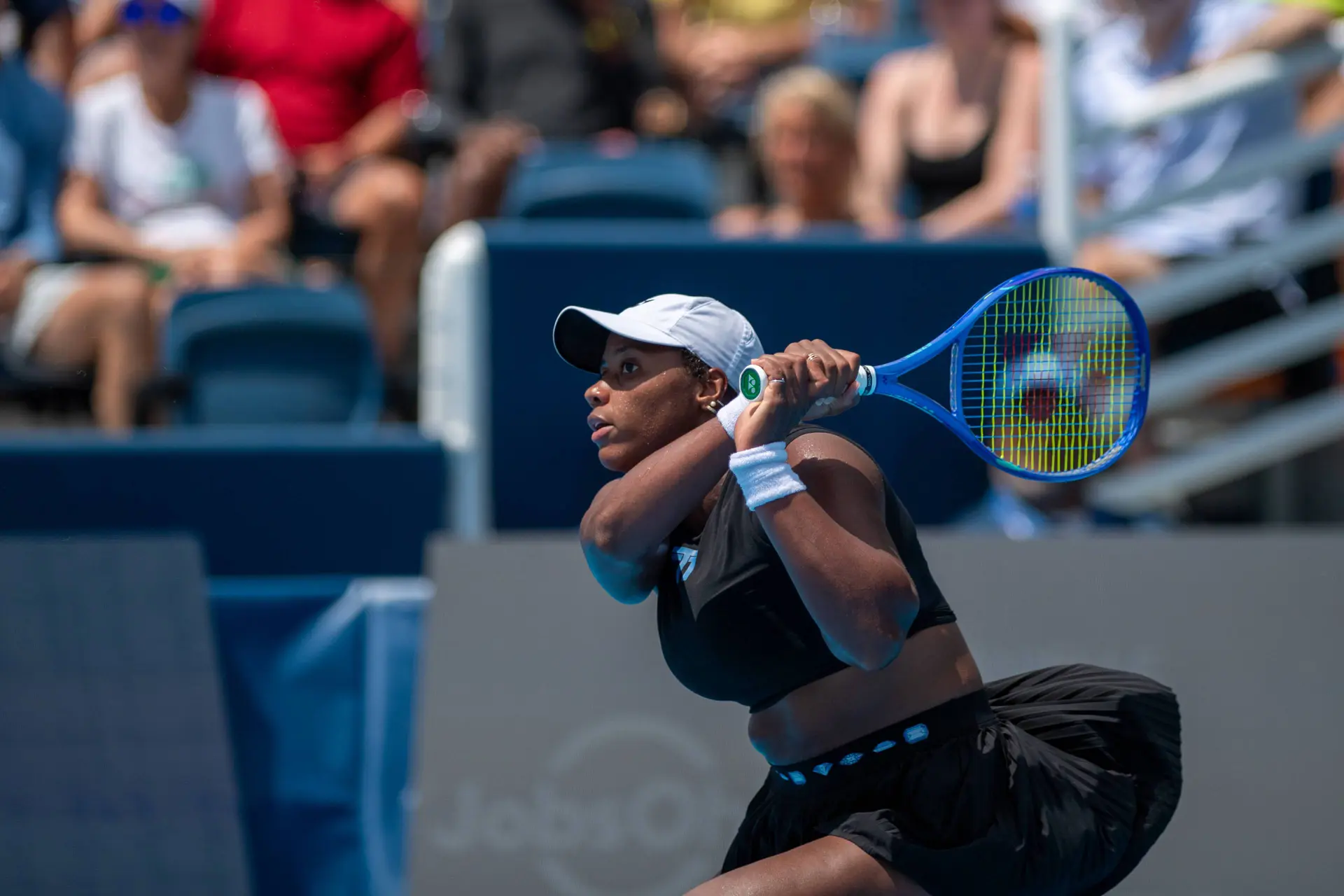
Kalinskaya’s frustration came just days after Leylah Annie Fernandez was subjected to her own scheduling slap in the face in her hometown of Montréal. She had just won the Washington 500-level event—a grueling run that ended on a Sunday—and instead of being given a night slot to recover for her first match in Canada, she was thrown onto the court early.

Anna Kalinskaya voicing discontent on her story
Where’s the WTA in all this?
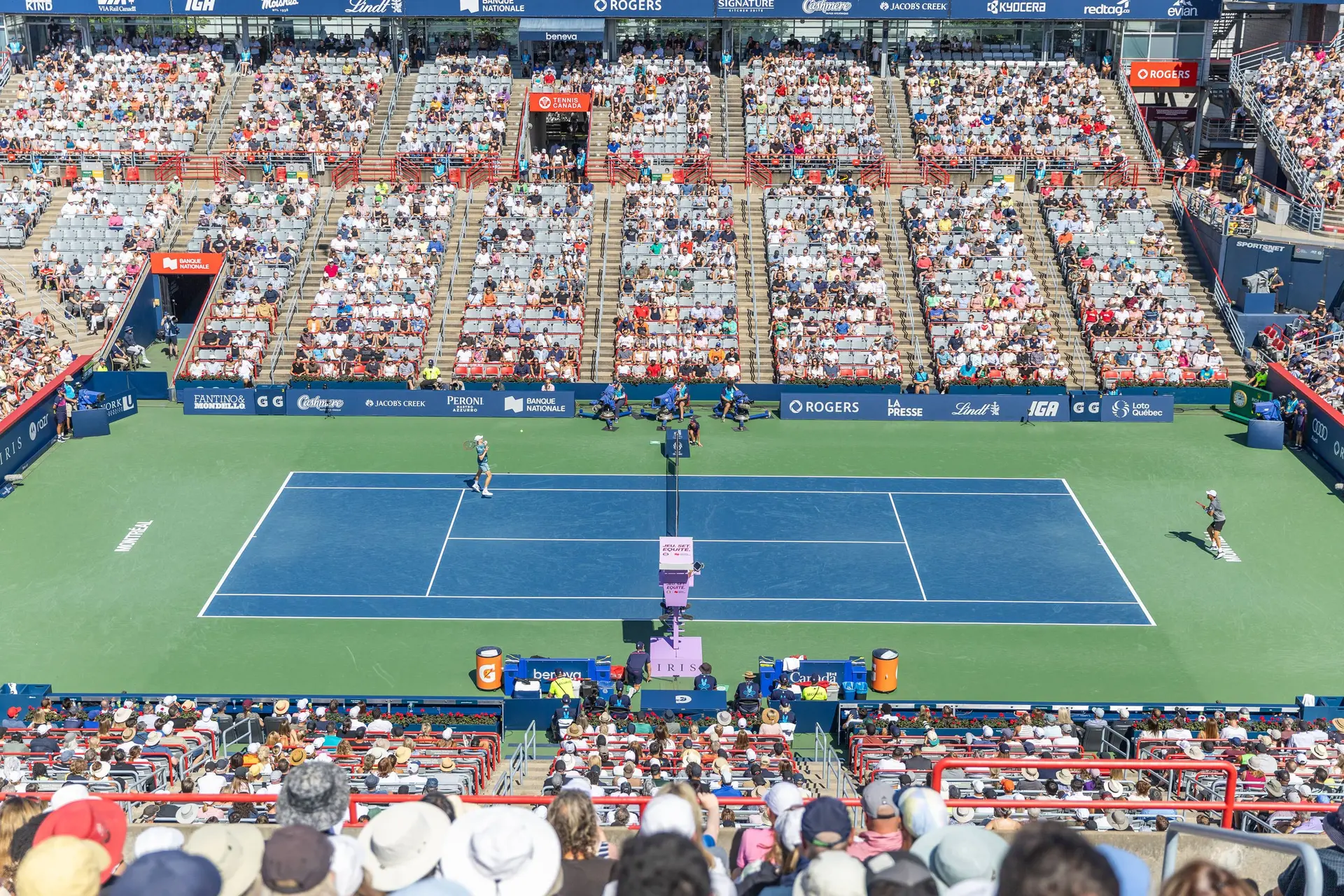
These are not fly-by-night tournaments with limited resources. These are two-week 1000-level mandatory attendance events with time to spare since they don't actually take the full two weeks of main draw play. And yet the irony is glaring: in tournaments that should have enough flexibility to protect player health, the opposite is happening.
I’ve been around the sport long enough—and still compete nationally at the Masters level—to understand what recovery really looks like after a high-intensity match. It’s not simply about the match duration; it’s about the domino effect on the body’s clock.
If I finish a tournament match at 8 p.m., the clock starts ticking. Cool-down, shower, hydration—that’s already an hour gone. You get home around 10, and you’re not hungry yet. By the time your body signals it wants food, it’s closer to 11. You eat, you try to relax, and then at one in the morning you suddenly feel really hungry again because the adrenaline is still fading and your body’s still processing the effort. Without cramps, I’d be lucky to be asleep by 2:30 a.m.
Now imagine being told you have to compete again a day later at the highest level of professional sport. Imagine doing that multiple times in a week. The margin for injury isn’t just narrow—it’s a cliff edge.
And injuries are happening. Players are withdrawing mid-tournament. They’re pulling out of events altogether. The season is already long and physically punishing, yet tournament directors—with the tacit blessing of the ATP and WTA—keep packing schedules tighter and later, often for broadcast windows and ticket sales.
Let’s be clear: this isn’t just poor planning; it’s a structural failure of priorities, a massive IDGAF in the parlance of our times.
The Social Media Cry for Help
Kalinskaya’s post blew up because it struck a chord with fans. They’re tired of seeing their favorite players visibly depleted. They understand that tennis is about skill, endurance, and strategy—not about seeing who can survive sleep deprivation and a punishing schedule the longest.
Players taking their frustrations public isn’t just venting. It’s a recognition that the formal channels aren’t working. Complaints to tournament directors? Ignored. Appeals to the WTA or ATP? Filed away in the “that’s just how it is” drawer. So players use the leverage they do have: fan engagement.
The problem is, even social media storms haven’t been enough to move the needle. Why? Because governing bodies have little incentive to disrupt the status quo when the money is flowing. Until fans, sponsors, or broadcasters start making noise about player welfare — not just wins and losses—the cycle will continue.
History Repeats, Especially in Flushing Meadows
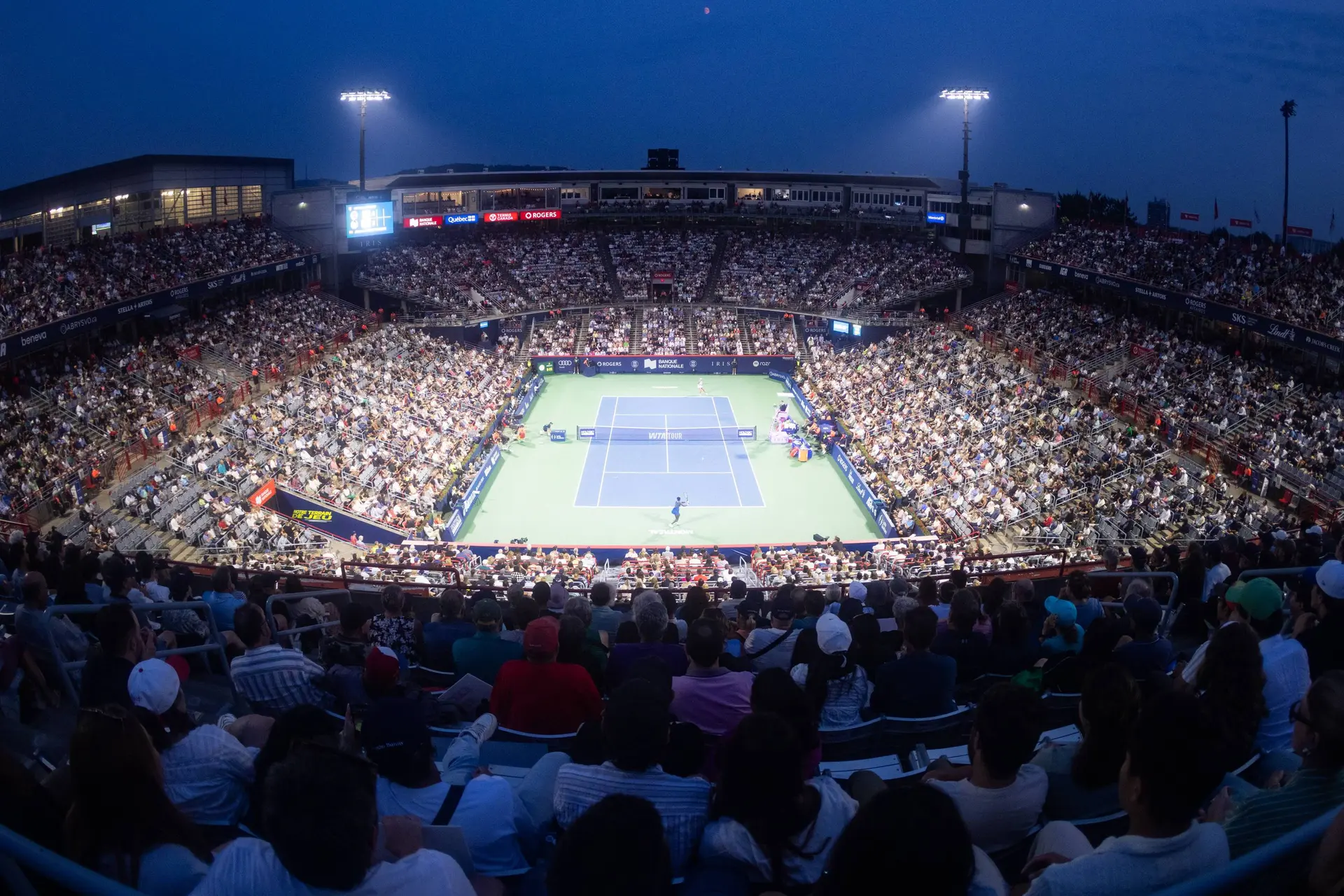
And, speaking of cycles, we’re about to hit the event that has become infamous for late-night epics and early-next-day turnarounds: the U.S. Open. Qualifying starts in just a few days. Every year, we see matches finish at 1:30, 2:00, sometimes 3:00 in the morning, followed by — you guessed it—players being scheduled early the next day. The fans love the drama, the TV networks love the ratings, and the governing bodies… well, they love the revenue.
What’s missing from that equation? The players’ actual needs.
A Fix That’s Not Rocket Science
This isn’t an unsolvable problem. No one’s asking for magic. Just basic safeguards:
If a player finishes after 10 p.m., they shouldn’t be first on court on their next match day (I mean, how obvious is this??).
Two-week tournaments should actually run the full two weeks (not 10 days) and build in flexible match slots to allow for late finishes.
Governing bodies should enforce scheduling rules with actual consequences for tournaments that violate them.
And maybe WTA and ATP leadership could start seeing themselves less as passive “partners” of the tournaments and more as advocates for the athletes whose labor makes the entire sport possible.
The Real Question
We talk about “player health” in tennis as if it’s some abstract PR term, but it’s a real, measurable thing: fewer injuries, better performances, longer careers. When players are treated like expendable assets, you get burnout, withdrawals, and careers cut short.
The fact that Kalinskaya and Fernandez—two talented, marketable players—are being run through the scheduling gauntlet in back-to-back weeks tells you everything you need to know. Tennis governing bodies aren’t just failing to protect their players. They’re not even trying.

Leylah Fernandez suffered with scheduling issues.
So when you’re watching the U.S. Open this year and the broadcast team gushes about “this incredible 2:15 a.m. finish,” remember that what you’re seeing isn’t just grit or drama—it’s the product of a system that treats player well-being as an afterthought. And until that changes, the most predictable part of the tennis calendar will be this: more scheduling disasters, more social media blasts, and more proof that, for the people running the sport, the schedule will always come first.

Aron SolomonGuest Author
A Pulitzer Prize-nominated journalist for his groundbreaking op-ed in The Independent exposing the NFL’s “race-norming” policies, Aron Solomon, JD, is a globally recognized thought leader in law, media, and strategy.
As Chief Strategy Officer for AMPLIFY, he leverages his deep expertise to shape the future of legal marketing. Aron has taught entrepreneurship at McGill University and the University of Pennsylvania and was honored as a Fastcase 50 recipient, recognizing him among the world’s top legal innovators. A prolific commentator on law, business, and culture, his insights regularly appear in Newsweek, The Hill, Crunchbase News, and Literary Hub.
He has also been featured in The New York Times, Fast Company, Fortune, Forbes, CBS News, CNBC, USA Today, ESPN, TechCrunch, BuzzFeed, Venture Beat and countless other leading global media outlets. We are proud to have Aron on board at TennisUpToDate, where his deep tennis expertise enriches the site with sharp, original columns that connect the sport to wider cultural debates.
claps 1visitors 1
Just In

Popular News

Latest Comments
- Fight the Good Fight... Tennis (sports in general) need more Humans such as yourself.
 mandoist18-10-2026
 - When is WTA going to mandate Genetic Testing (DNA) ???mandoist18-10-2026
- Hey, Dan... you just wake up from a coma? Regardless -- Thanks for the comedy this morning!mandoist18-10-2026
- Two Things: 1. Stop allowing these Spoiled Trust-Fund Elitists to behave badly. Your little hand-slaps do not deter them. 2. STOP the incessantly annoying "towel wiping" nonsense!!!!mandoist15-10-2026
- A healthy Qinwen may be hard to stop next season. She was already scaring her opponents before her medical leave(s). Unfortunately, Zheng insisted on singing again. On the positive side -- Mirra did not sing!! ;~}mandoist11-10-2026
- Where is it written that athletes, entertainers... People in general... are mandated to keep looking at -- or even using [anti]Social Media? Public & private figures consistently complain and reveal their concerns about negativity and violence thrown at them -- yet they insist on participating. Avoid it, don't use it, don't read it. It's okay to occasionally look up at the World instead beating your eyes & thumbs to death on The Inventions out there.mandoist11-10-2026
- great articlestennisseserver07-10-2026
- Medvedev was leading Djokovic 7-5, 3-5 when an attempted return..' NO you ignorants, Djokovic was leading .weiss05-10-2026
- No more bullshit "Wildcards" to these two. Qualify like everyone else -- there will be cameras there, too. Time to scream... WTF ????!!!!mandoist29-09-2026
- Let's not BS the general public -- Sabalenka started showing cracks in her game last season. Her losses and near-losses started at about the same time she began being distracted by Fame (constant Selfies, making TV commercials, magazine shoots, endless Social Media nonsense, etc., etc.) One would think even Saba could recognize the parallels with others who failed before her -- Raducanu, Giorgi, Bouchard to name a few.mandoist25-09-2026

Loading