“Come at me!”: Rennae Stubbs proposes radical scoring change after Alcaraz and Tiafoe marathons at US Open
Tennis News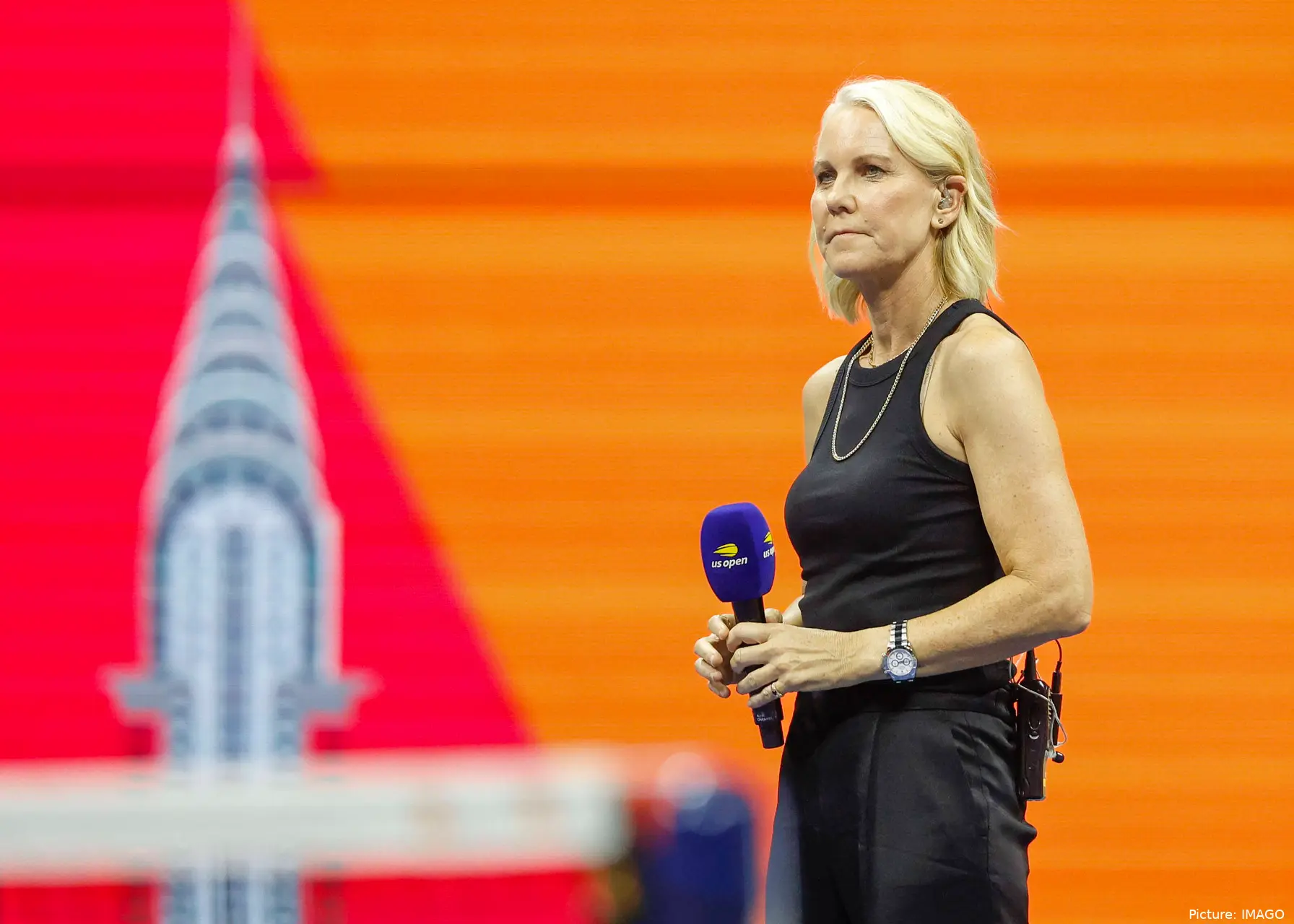
Rennae Stubbs has entered the debate surrounding late-night tennis finishes with a radical proposal following one of the longest days of competition at the 2026 US Open. After Arthur Ashe Stadium hosted four matches spanning nearly 14 hours, including marathon victories for Frances Tiafoe and Carlos Alcaraz, the former doubles world No. 1 suggested a major change to deciding sets.
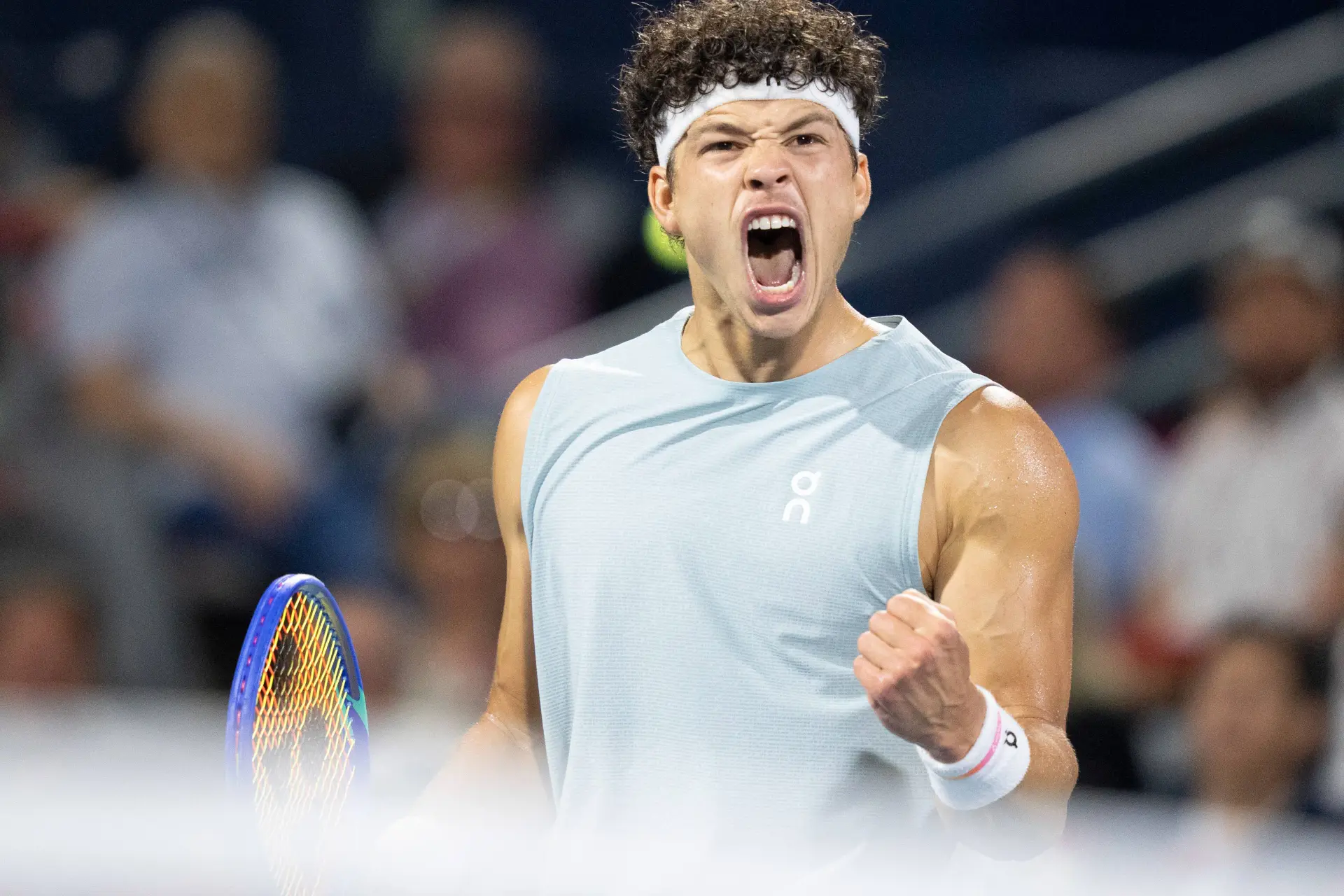
The discussion reached its peak when Alcaraz and Ben Shelton finally finished their quarter-final at 3:33 a.m. on Wednesday. The pair had spent four hours and 28 minutes on court, adding another lengthy contest to a schedule that had already been delayed by multiple marathon matches throughout the day.
Tiafoe's remarkable comeback against Alex Michelsen had earlier lasted four hours and 41 minutes, while Aryna Sabalenka and Linda Noskova also needed a deciding super tie-break. By the time Alcaraz and Shelton entered the court close to 11 p.m. local time, the accumulated delays had created another late-night problem for the tournament.
Stubbs believes there is a relatively simple solution. Rather than playing a full fifth set in men's Grand Slam matches, she proposed deciding every match that reaches two sets apiece with a 10-point tie-break, eliminating the possibility of another five-hour marathon extending deep into the morning.
Stubbs' radical proposal to fix late-night tennis
The Australian tennis legend shared her idea on X shortly after the extraordinary day of tennis in New York, directly addressing both the issue of five-hour matches and increasingly frequent late-night finishes.
“One thing to fix this late night stuff and 5 hour matches is, u ready for it!???? If the match goes to the 5th set, we have a 10 point TB to decide the match! Come at me!”
One thing to fix this late night stuff and 5 hour matches is, u ready for it!???? If the match goes to the 5th set, we have a 10 point TB to decide the match! Come at me!
— Rennae Stubbs ♈️ (@rennaestubbs) September 9, 2026
The suggestion would represent a significant departure from traditional men's Grand Slam tennis. Five-set matches have historically been considered one of the defining features of the sport's biggest tournaments, with endurance and the ability to recover across several hours forming part of the challenge.
However, Tuesday's schedule illustrated the other side of the argument. The first quarter-final began at approximately 11:30 a.m. local time and the final match did not conclude until 3:33 the following morning.
Four matches and nearly 14 hours on Arthur Ashe
The day began with Sabalenka's 7-6(1), 3-6, 7-6[10-7] victory over Linda Noskova. The world No. 1 needed two hours and 22 minutes to overcome her Czech opponent in another dramatic deciding tie-break.
Frances Tiafoe and Alex Michelsen followed immediately, producing arguably the most remarkable comeback of the day. Tiafoe recovered from two sets down to win 5-7, 3-6, 7-5, 6-3, 7-6[10-6] after four hours and 41 minutes.
Their match finished close to 7 p.m., around the time Jessica Pegula and Emma Navarro had originally been scheduled to take the court. The changeover between sessions, including spectators leaving and new fans entering the stadium, as well as court preparations, meant the all-American clash did not begin until around 8:30 p.m.
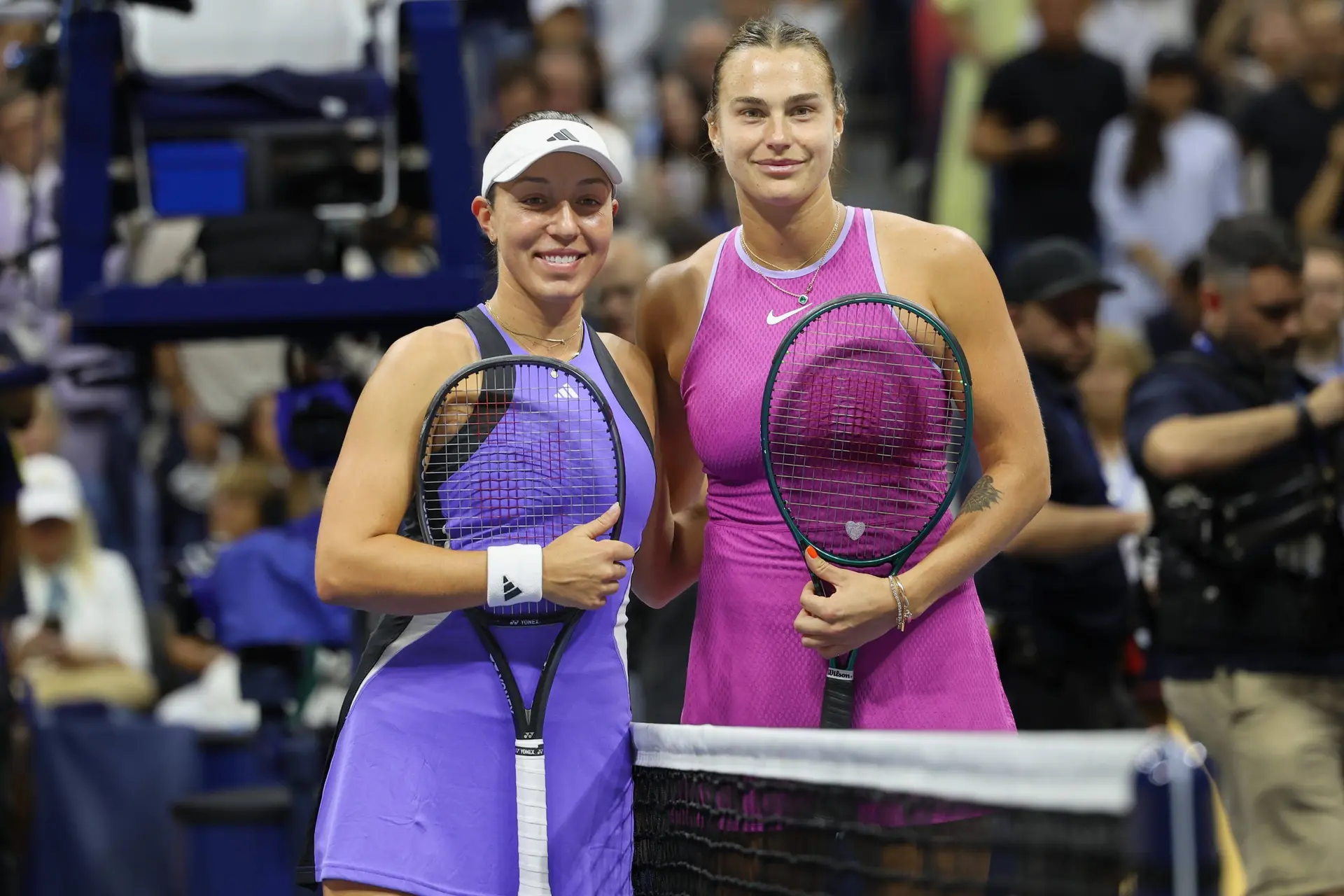
Pegula then needed another two hours and 22 minutes to defeat Navarro 3-6, 6-4, 6-3. That pushed the highly anticipated meeting between Alcaraz and Shelton to close to 11 p.m., with their four-hour, 28-minute battle eventually becoming the latest chapter in a day that seemed incapable of ending.
Read also
US Open looks to avoid another late-night finish
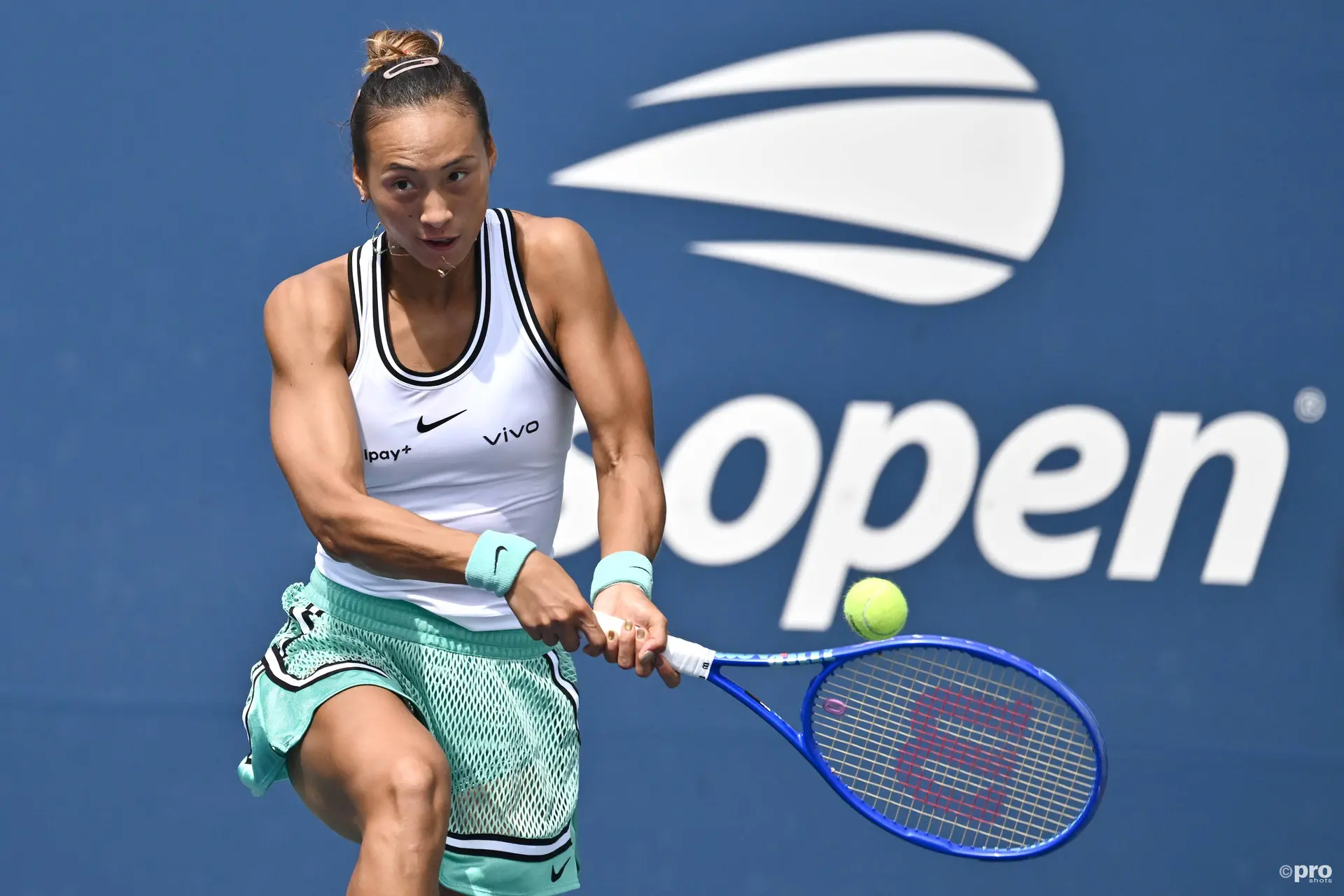
Wednesday's Arthur Ashe schedule appears better positioned to avoid a repeat. Qinwen Zheng and Elena Rybakina will open proceedings before Coco Gauff faces Mirra Andreeva for the second women's semi-final place.
Karen Khachanov and Alexander Blockx are scheduled to follow in the afternoon session, while Alexander Zverev against Botic van de Zandschulp will headline the night session from around 7:30 p.m. local time.
There is no way to guarantee short matches, particularly at the business end of a Grand Slam. But Tuesday demonstrated how quickly one lengthy contest can affect an entire schedule, creating a domino effect that ultimately leaves players competing in front of a reduced crowd during the early hours of the morning.
Stubbs' proposal will undoubtedly divide opinion. Replacing the fifth set with a 10-point tie-break would fundamentally change one of tennis' oldest traditions. Yet after nearly 14 hours of tennis and a 3:33 a.m. finish at the sport's biggest stadium, her challenge to fans — “Come at me!” — has arrived at a particularly relevant moment.

Cristhián AvilaTennis Journalist
Cristhián Ávila is a tennis journalist based in Santiago, Chile, and has been part of the TennisUpToDate team since early 2023. He covers the ATP and WTA Tours as well as all four Grand Slams, producing breaking news, match reports, analysis, and regular liveblogs from major tournaments.
His reporting combines statistical analysis with clear explanation, helping readers understand tactical developments, player form, and broader storylines across the tour. Working fluently in both Spanish and English, Cristhián collaborates with an international editorial team and contributes to comprehensive global coverage. As part of his work, he has conducted interviews and media interactions with leading figures in the sport, including Caroline Wozniacki and John McEnroe.
In his journalism, Cristhián places strong emphasis on careful sourcing, editorial accuracy, and updating articles promptly when new, verified information becomes available. His coverage is grounded in research, context, and direct engagement with professional tennis.
claps 0visitors 0
Just In

Popular News

Latest Comments
- This is so very very sad, for all three of them. I truly thought they had an unbreakable bond, but life throws up so many differing challenges. Having your homeland suffering in such a terrible way, makes happiness lose out to guilt as well. Our thoughts are with them. X💔bjsexton20-10-2026
- I have lost all respect for Svitolina! Could she not have waited until he had played at the Paris Masters!!! She is selfish and don't give a damn about Gael. That is NOT how love is demonstrated Elina!!Rapunzel19-10-2026
- Perhaps convenient tennis tour sex is not a strong enough experience in which to base a marriage?
 mandoist19-10-2026
 - Fight the Good Fight... Tennis (sports in general) need more Humans such as yourself.mandoist18-10-2026
- When is WTA going to mandate Genetic Testing (DNA) ???mandoist18-10-2026
- Hey, Dan... you just wake up from a coma? Regardless -- Thanks for the comedy this morning!mandoist18-10-2026
- Two Things: 1. Stop allowing these Spoiled Trust-Fund Elitists to behave badly. Your little hand-slaps do not deter them. 2. STOP the incessantly annoying "towel wiping" nonsense!!!!mandoist15-10-2026
- A healthy Qinwen may be hard to stop next season. She was already scaring her opponents before her medical leave(s). Unfortunately, Zheng insisted on singing again. On the positive side -- Mirra did not sing!! ;~}mandoist11-10-2026
- Where is it written that athletes, entertainers... People in general... are mandated to keep looking at -- or even using [anti]Social Media? Public & private figures consistently complain and reveal their concerns about negativity and violence thrown at them -- yet they insist on participating. Avoid it, don't use it, don't read it. It's okay to occasionally look up at the World instead beating your eyes & thumbs to death on The Inventions out there.mandoist11-10-2026
- great articlestennisseserver07-10-2026

Loading