"All I knew and what I was doing was just tennis" - Simona Halep opens up on life away from tennis after confirming retirement earlier this year
WTA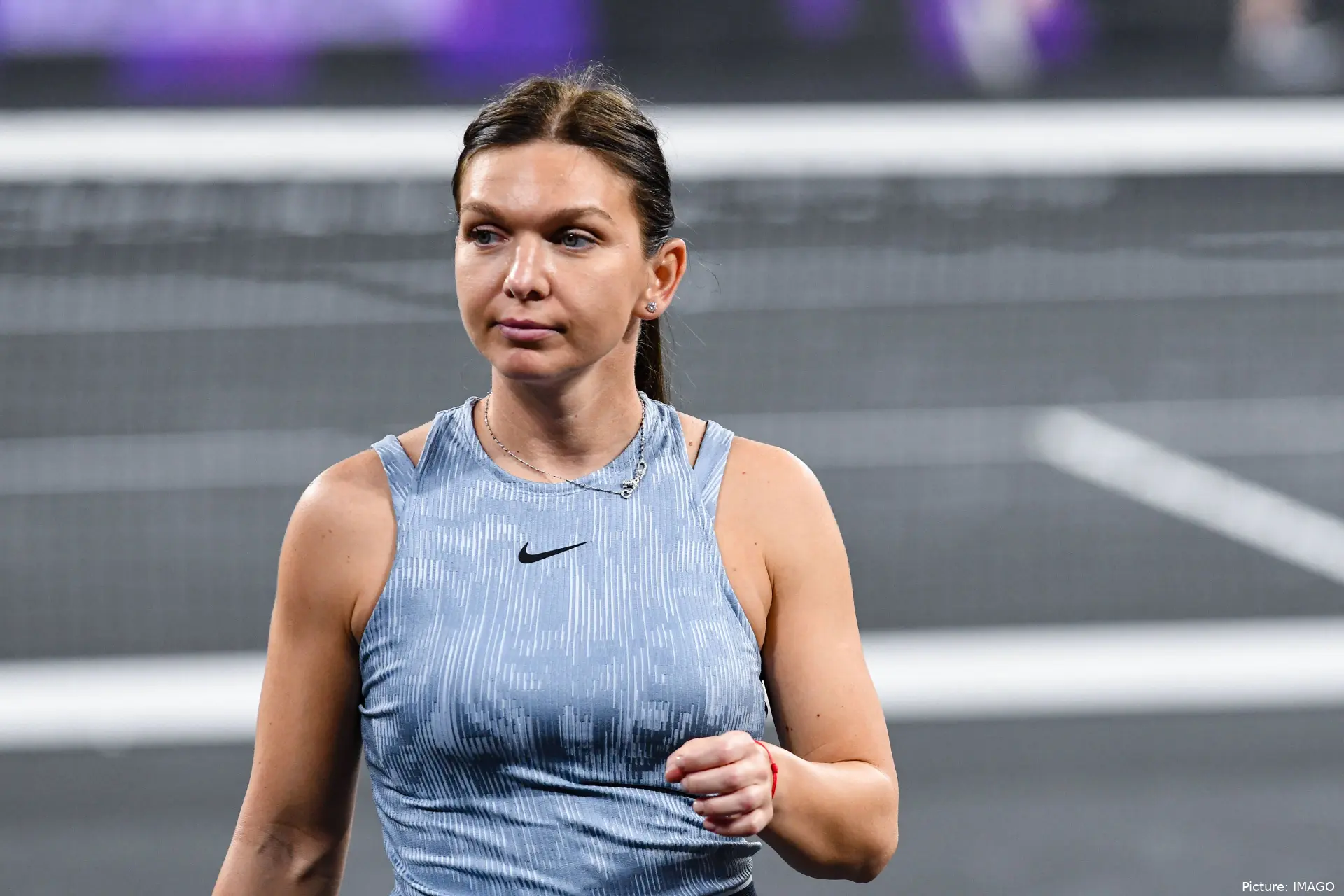
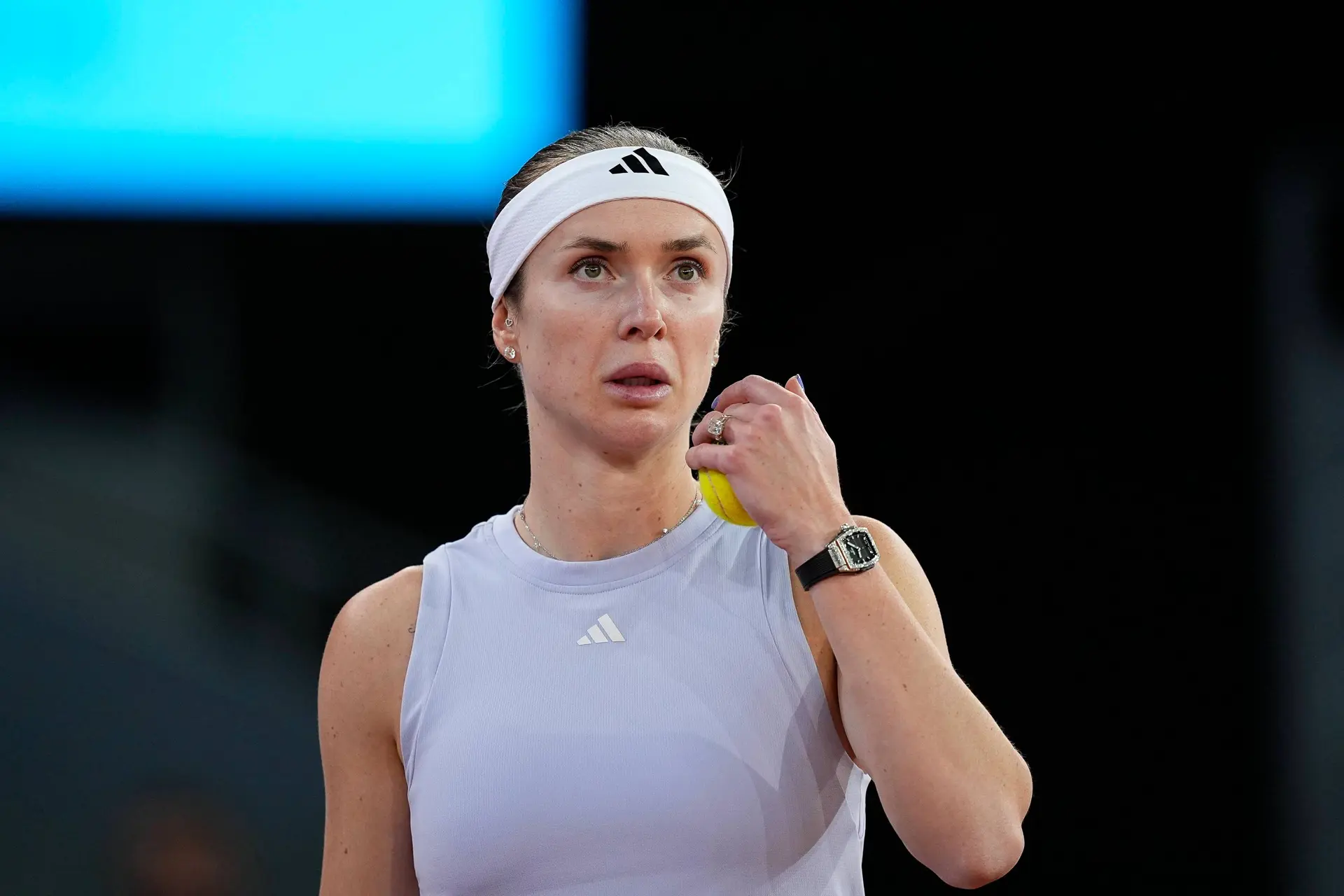
Simona Halep lit up the tennis court when she stepped on it, winning two Grand Slam titles and sitting as world number one for 64 weeks. Now retired, she is struggling to adapt to life away from the court.
The Romanian confirmed her retirement from the sport at the start of this year, after attempting to return from a shortened doping ban. Her return did not see her reach the levels she onced possessed, calling it quits after her opening round defeat at the Transylvania Open.
Whilst speaking at the Impact Bucharest 2025 event, Halep touched on her retirement from the sport, as she said: "Fame for me was not the thing that kept me playing for a long time. I like to be more discreet and that makes me feel more comfortable. But, of course, it is not easy to make such a decision. You live your life... So, it was my whole life until retirement. All I knew and what I was doing was just tennis. That's why it was hard for me to retire. Now is the time to discover."
Looking back on her career
The 33-year-old achieved a lot of great things in her career, which included becoming a role model for many people around the world. She looks back on her profession with pride, but the journey there was tough.
"When you do something in sports - and I can talk about it - kids look up to you and you can be a role model for them, just like I had role models when I started playing," Halep said. "The pressure to always be extraordinary is not easy. But it's nice to see that kids really follow what you've achieved and I'm very proud of that. It was worth doing everything I did. I can't say that I sacrificed myself for tennis, because I really enjoyed it and loved playing tennis. It was a huge passion every time I stepped on the court, but it certainly wasn't easy.
"When I was almost 17, I left home and left my family behind, so I was only looking forward, wanting to become the best. I did a lot of things better than I thought I would, but in the end it was really good and I think I won the best trophies in the world. The only option was to look ahead and give my best. So it wasn't easy at all if you're not Roger Federer. If you take a defeat as a failure, it's not good, because you have to look at the positive side. When you lose a match, you feel like you're losing your mind, but you pay attention to the things you didn't do well in that match and the next day you can improve. When you win, you're just happy and you move on. You have to get better."
Wimbledon triumph
One of the reasons the Romanian saw so much success in her short time at the top was due to her calm and relaxed persona when under pressure. She spoke about how she built it up over the years as she battled with her emotions.
"At the beginning, I have to admit, it was hard, but over the years, with experience, I relaxed," she said. "I had wonderful people around me who taught me to be more relaxed, more open with the press, with people. I tried to open up and manage the pressure. I lost some matches just because of the emotional part. I would have won important matches without those emotions. But I think that's part of me and I had to accept it and try to manage it better in other matches.
"I dedicated my life to tennis and everything I did was in this direction. I had no other direction. Now, with this mentality and experience, I can say that I could have done more things besides tennis, but for me it was only one path. I don't regret it, but, you know, you miss some things over the years, which I now want to discover. But, yes, determination, dedication and consistency, I think, made me one of the best players in the world at one point."
In 2019, Halep defeated 23-time Grand Slam champion Serena Williams in straight sets to seal her first and only Wimbledon title, adding to the Roland Garros victory she won the year before. Despite the occasion and pressure of the match, Halep revealed she was calm, which helped her produce one of her best displays.
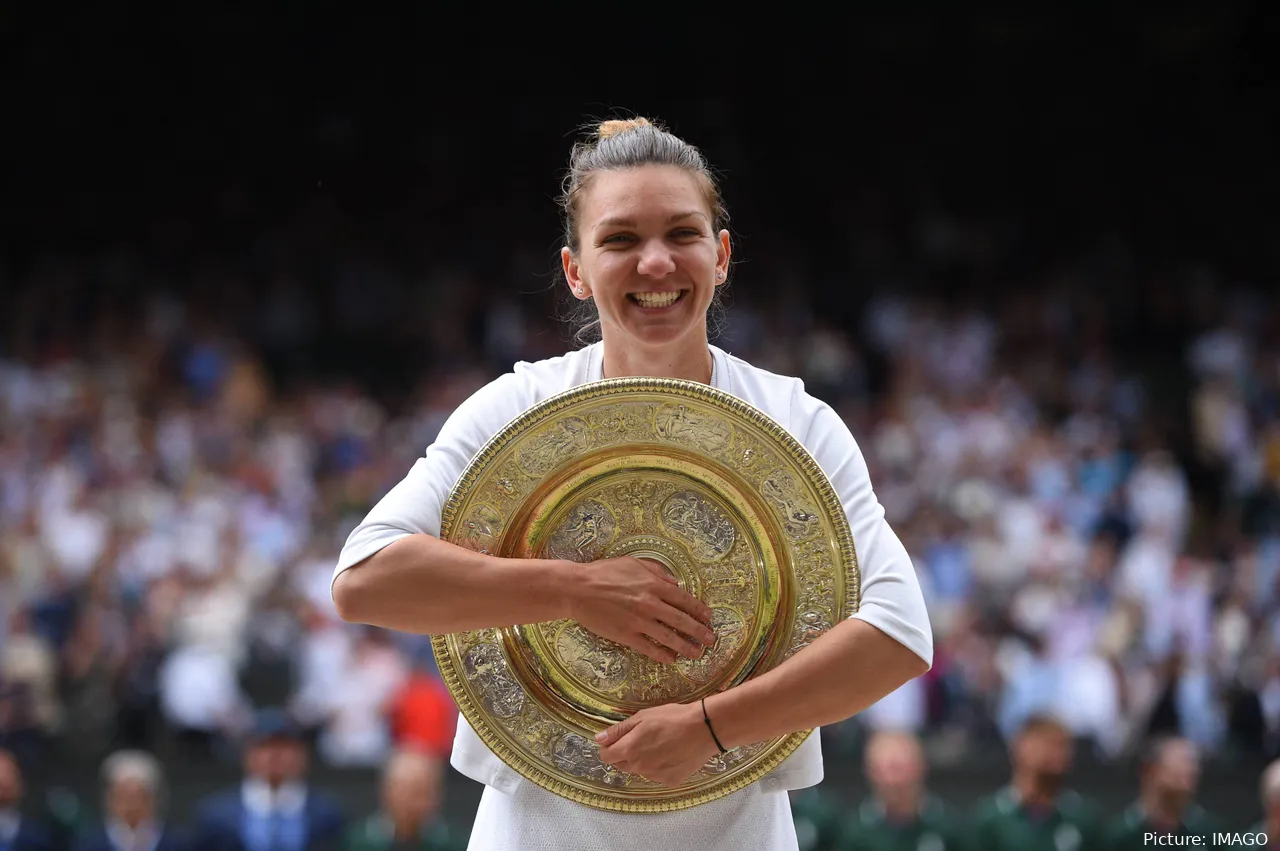
Simona Halep won Wimbledon in 2019
"I had no negative emotions, I had no stress before the match. I was very stable and I was able to put everything I knew into play. However, I think you learn more from defeats, because after the match you analyse with the coach, with the team, what you didn't do well and what you need to improve. Very rarely, after a won match, I went back on the field and practiced what didn't work. Usually, after a victory, you go and celebrate, and after a defeat you train more intensely. I was always in competition with myself. I wanted to become better. I wasn't looking left and right at what others were doing, I was just trying to do better today than yesterday. I think that helped me a lot to improve, and the ambition, as I said, was in one direction. I wanted to do everything I could to be one of the best players and it happened."
Lucas MichaelTennis Journalist
Lucas Michael is a tennis journalist based in Cambridge, UK, specializing in comprehensive coverage of the ATP and WTA tours. For the past 1.5 years, he has been a core contributor to TennisUpToDate, where he has authored more than 3,000 data-driven match reports, deep-dive analysis pieces, and engaging liveblogs.
Lucas pairs real-time statistical analysis with on-the-ground reporting, frequently traveling to tournaments to cover the action firsthand from the press box and player press conferences. This blend of advanced metrics and direct access allows him to provide sharp context regarding player form, tactical trends, and breaking tour developments.
He holds a BA (Hons) in Sports Journalism. Grounded in core journalistic ethics, Lucas places a strict emphasis on meticulous sourcing, editorial accuracy, and a commitment to updating live content swiftly as verified information emerges.
claps 0visitors 0
Just In

Popular News
Latest Comments
- A healthy Qinwen may be hard to stop next season. She was already scaring her opponents before her medical leave(s). Unfortunately, Zheng insisted on singing again. On the positive side -- Mirra did not sing!! ;~}
 mandoist11-10-2026
 - Where is it written that athletes, entertainers... People in general... are mandated to keep looking at -- or even using [anti]Social Media? Public & private figures consistently complain and reveal their concerns about negativity and violence thrown at them -- yet they insist on participating. Avoid it, don't use it, don't read it. It's okay to occasionally look up at the World instead beating your eyes & thumbs to death on The Inventions out there.mandoist11-10-2026
- great articlestennisseserver07-10-2026
- Medvedev was leading Djokovic 7-5, 3-5 when an attempted return..' NO you ignorants, Djokovic was leading .weiss05-10-2026
- No more bullshit "Wildcards" to these two. Qualify like everyone else -- there will be cameras there, too. Time to scream... WTF ????!!!!mandoist29-09-2026
- Let's not BS the general public -- Sabalenka started showing cracks in her game last season. Her losses and near-losses started at about the same time she began being distracted by Fame (constant Selfies, making TV commercials, magazine shoots, endless Social Media nonsense, etc., etc.) One would think even Saba could recognize the parallels with others who failed before her -- Raducanu, Giorgi, Bouchard to name a few.mandoist25-09-2026
- Gross!! Hey Raducanu, Giorgi, and Bouchard -- reserve a seat at your Social Media Selfie table for Saba + Naomi. They're heading in your direction soon enough.mandoist24-09-2026
- And then these same players will complain about how lengthy their season’s were and need more time-off. I’m all for more tennis but the amount of tennis we get now is actually kind of crazy! We all need a break, especially the players.DaveyWavey23-09-2026
- You should do a comparison article for "different kinds of justice" the courts decide for tennis players. I can think of at least three players who received very small bans of a few months, however Tara Moore has been fighting for her literal survival the past few years. It seems odd considering she is not a "name" player, unlike the other cases.DaveyWavey22-09-2026
- PRIZE MONEY & POINTS Winner - $185,500 Finalist - $114,500 Semi-Finalist - $66,003 Quarter-Finalist - $35,000 Round of 16 - $18,045 Round of 32 - $13,005 Winner - 500 Finalist - 325 Semi-Finalist - 195 Quarter-Finalist - 108 Round of 16 - 60 Round of 32 - 1DaveyWavey20-09-2026

Loading