“An exaggeration” and “no compelling justification”: ITIA explains why Vondrousova received four-year ban
WTA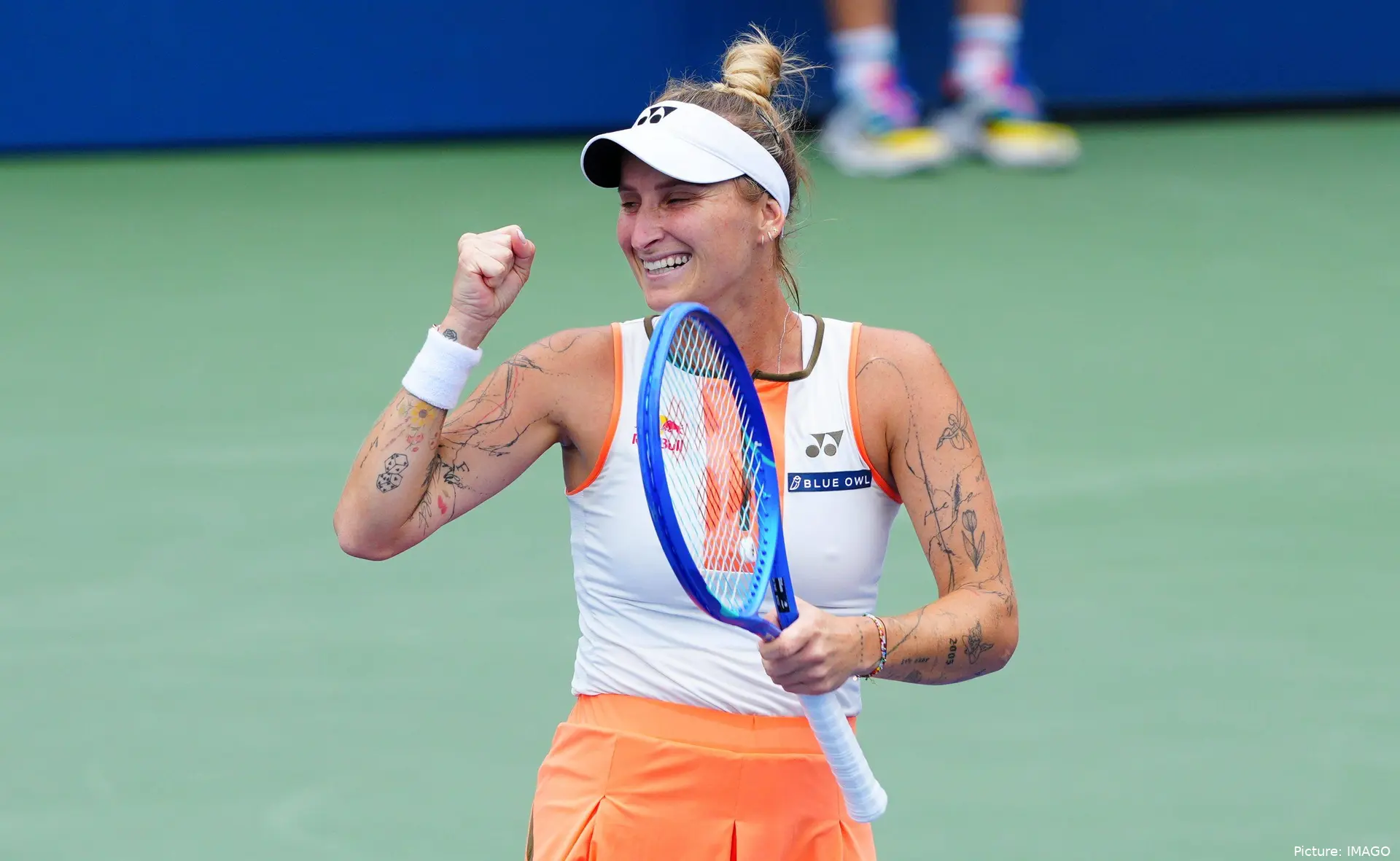
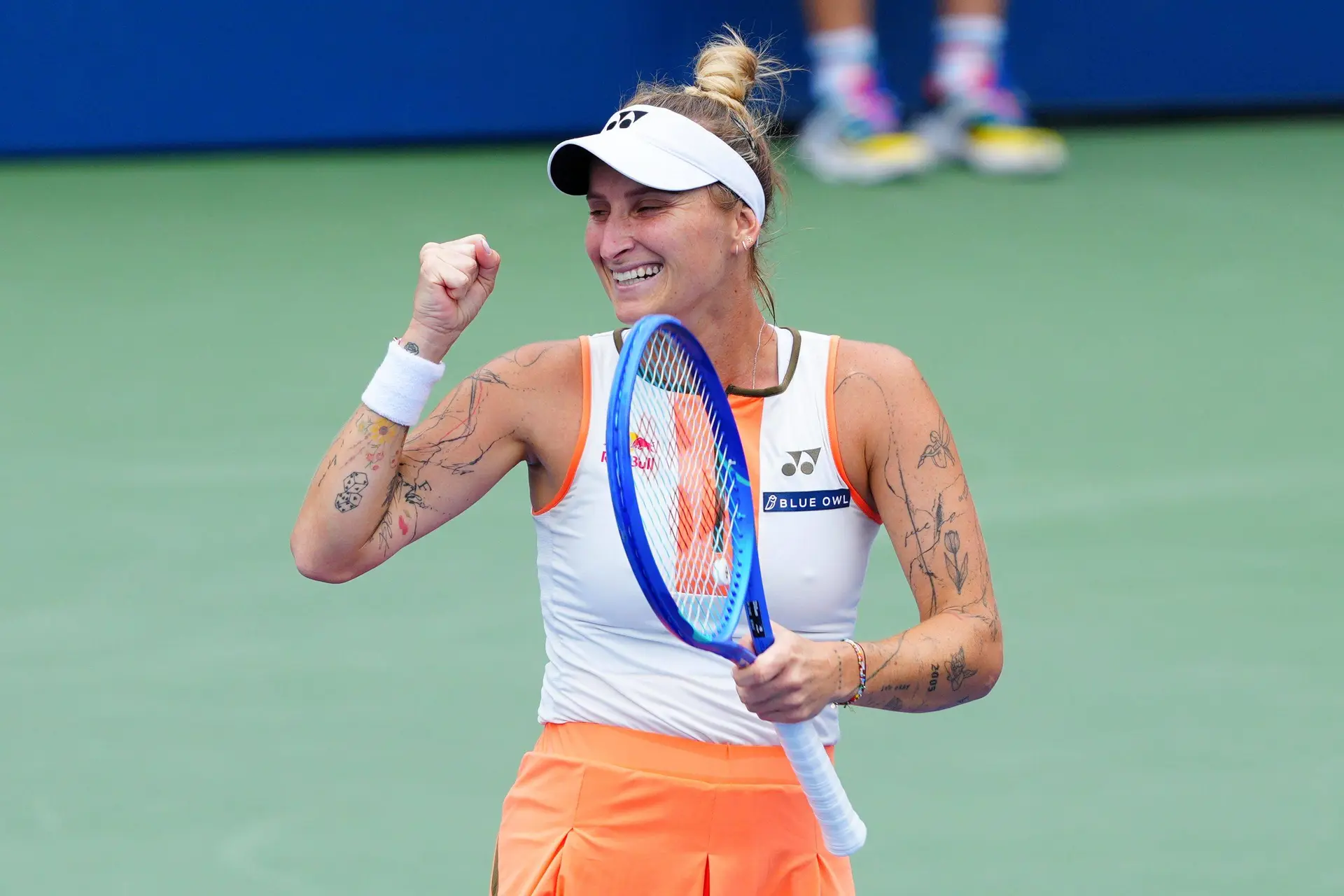
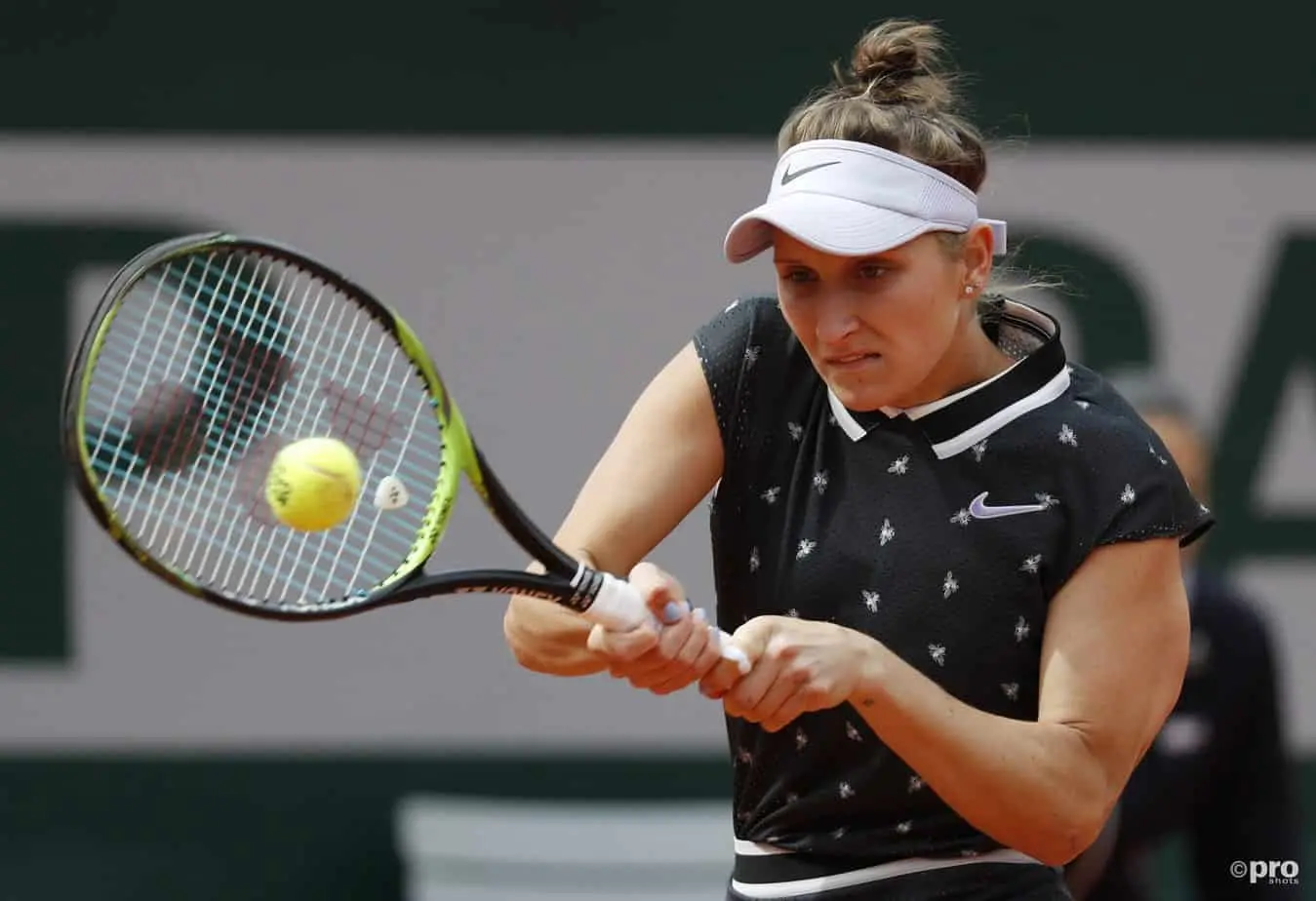
Marketa Vondrousova’s four-year suspension sent shockwaves through tennis, but the full report behind the decision has now revealed one of the most controversial aspects of the case: the Czech player’s reference to Petra Kvitova’s 2016 home attack as part of her explanation for refusing an anti-doping test.
The 2023 Wimbledon champion was suspended for four years after refusing to provide a sample during an out-of-competition control at her Prague home in December 2025. Vondrousova argued that anxiety, stress and concerns about her personal safety influenced her decision, but an independent tribunal ruled that her explanation did not justify reducing the standard punishment.
The International Tennis Integrity Agency (ITIA) has now published the complete written decision, offering a detailed reconstruction of what happened that night and explaining why the tribunal rejected Vondrousova’s arguments. The report described the incident as “a very unfortunate matter,” but concluded that there was “no compelling justification” for a shorter ban.
The case became even more notable because Vondrousova linked her reaction to one of the darkest moments in Czech tennis history. She referenced the attack suffered by Kvitova, who was injured by an intruder at her home in 2016, as one of the reasons why she did not feel comfortable opening the door to the doping control officer.
ITIA rejects Vondrousova’s Kvitova comparison
One of the most controversial parts of Vondrousova’s defense was her reference to the 2016 attack suffered by Petra Kvitova at her home. The Czech player explained that the incident influenced her decision not to open the door when the doping control officer arrived, as she felt uncomfortable being alone at night with an unexpected visitor.
However, the ITIA rejected that argument and concluded that there were no exceptional circumstances that justified reducing the standard four-year suspension. The agency highlighted that the circumstances surrounding Vondrousova’s case were completely different from Kvitova’s attack.
“The ITIA did not accept the Player’s characterisation of the safety and security risks in the area where she lives," the statement read. "Prague consistently ranks as one of the safest cities in Europe, and the area in which the Player lives was noted to be relatively crime-free.”
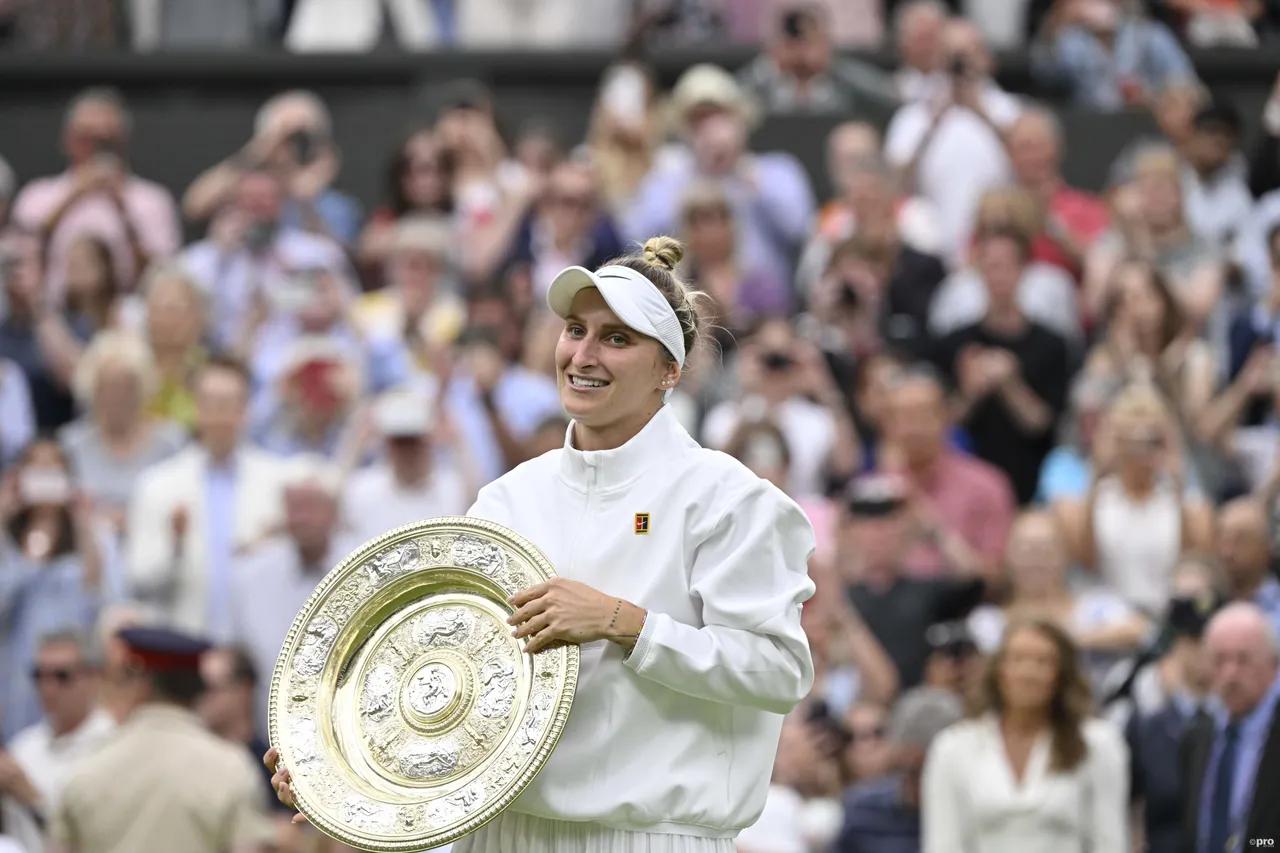
Marketa Vondrousova won her first Grand Slam title defeating Ons Jabeur in the final
The report also directly addressed the comparison with Kvitova, stating that the link between both situations was “an exaggeration which bore no resemblance to the incident.”
The ITIA also pointed to Vondrousova’s actions during the incident as another reason why it did not consider her safety argument convincing. According to the report, the player did not express concerns about her safety in conversations with her boyfriend, her agent or the doping control officer at the time.
The tribunal specifically highlighted that Vondrousova later left her apartment to walk her Italian Greyhound dog, eventually coming face-to-face with the doping control officer outside her home. “Her act of walking downstairs with her small Italian Greyhound, which she described as being ‘not much of a scary dog’, which would result in her coming face-to-face with the DCO, was entirely inconsistent with identifying a potential threat.”
The ITIA also noted that this behavior contrasted with another incident in September 2025, when Vondrousova had reportedly locked herself in her bedroom after someone rang her doorbell late at night while she was home alone.
Why the refusal resulted in a four-year ban
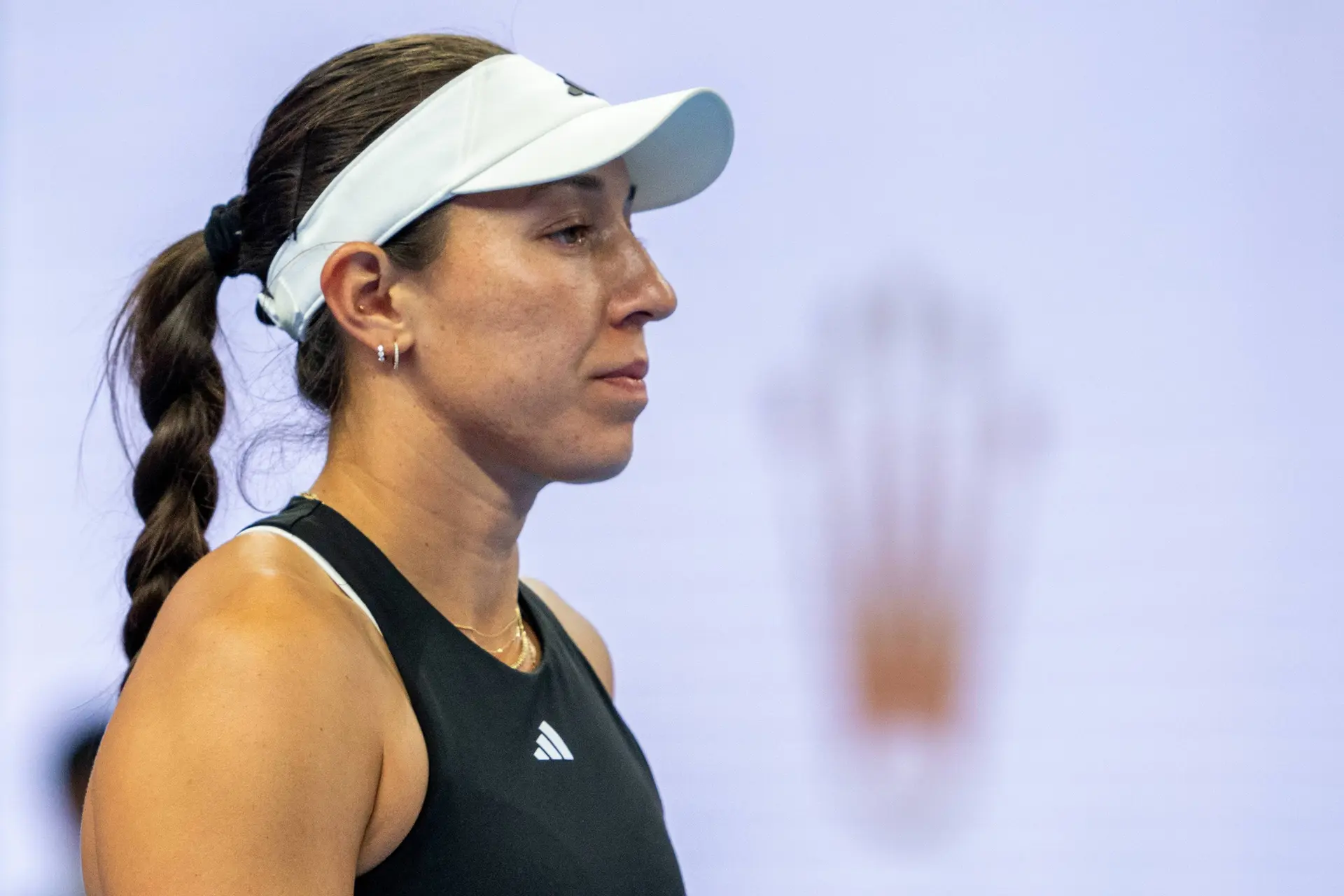
A key part of the tribunal’s decision was the principle that refusing a doping test must be treated as seriously as a positive result. According to the ITIA, allowing significantly lighter punishments in refusal cases could create the wrong incentive for athletes to avoid testing rather than accept the consequences of a potential positive result.
The tribunal also highlighted Vondrousova’s experience with anti-doping procedures. The Czech player had completed 83 tests since 2018, and the ITIA argued that any lack of understanding regarding out-of-competition testing rules was not credible for a player with such extensive experience.
The Czech player later realized that testing outside the one-hour window was allowed. She contacted another doping control officer she knew and completed a test on December 7, which returned a negative result. Another sample taken in May 2026 was also negative.
However, those results did not change the outcome of the case. The suspension was not related to a positive doping test, but exclusively to her refusal to provide a sample during the December incident.
The four-year ban officially began on June 22, 2026, and Vondrousova still has one possible avenue to challenge the decision. The former Wimbledon champion has 21 days from receiving the written ruling to appeal the suspension to the Court of Arbitration for Sport (CAS).
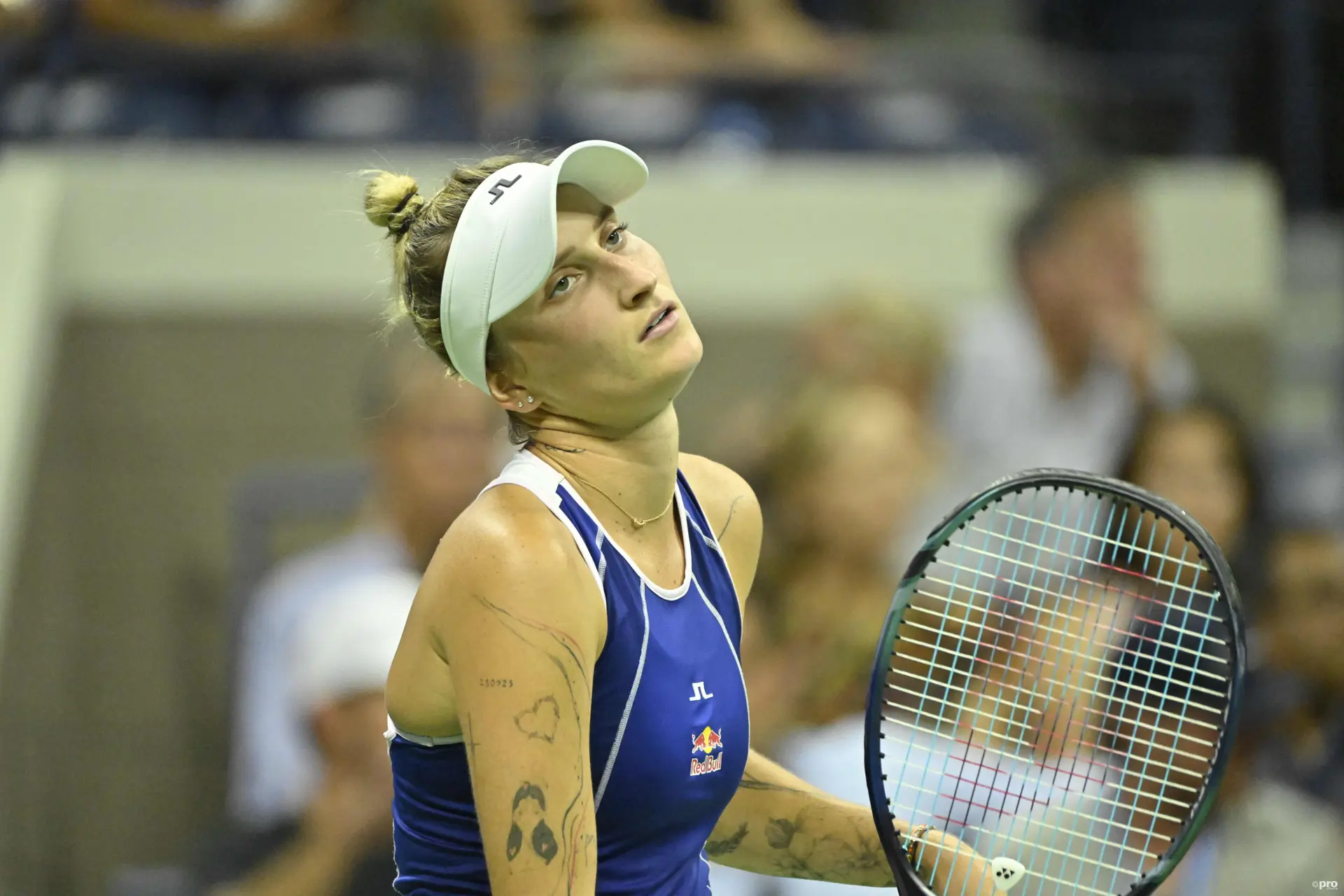
For Vondrousova, the punishment represents one of the biggest setbacks of her career. The Czech star became one of the most recognizable names in tennis after her historic Wimbledon triumph in 2023, but she now faces the possibility of missing several of her prime competitive years.
The ITIA’s message, however, is clear: anti-doping rules must be respected regardless of circumstances, and refusing a test carries severe consequences even when no prohibited substance is ever found.

Cristhián AvilaTennis Journalist
Cristhián Ávila is a tennis journalist based in Santiago, Chile, and has been part of the TennisUpToDate team since early 2023. He covers the ATP and WTA Tours as well as all four Grand Slams, producing breaking news, match reports, analysis, and regular liveblogs from major tournaments.
His reporting combines statistical analysis with clear explanation, helping readers understand tactical developments, player form, and broader storylines across the tour. Working fluently in both Spanish and English, Cristhián collaborates with an international editorial team and contributes to comprehensive global coverage. As part of his work, he has conducted interviews and media interactions with leading figures in the sport, including Caroline Wozniacki and John McEnroe.
In his journalism, Cristhián places strong emphasis on careful sourcing, editorial accuracy, and updating articles promptly when new, verified information becomes available. His coverage is grounded in research, context, and direct engagement with professional tennis.
claps 0visitors 0
Just In

Popular News



Latest Comments
- Does Sinner need that 4.5 mil? I doubt it. He can make that with three modelling gigs!😅🤣Rapunzel21-10-2026
- Did "People Magazine" purchase this website? This nonstop storyline is bullshit.
 mandoist21-10-2026
 - Listen... this is of no concern to anyone but these two. Deal with your own issues -- most of us have our own. Thanks, media, for these insignificant follow-ups which are meaningless.mandoist21-10-2026
- This is so very very sad, for all three of them. I truly thought they had an unbreakable bond, but life throws up so many differing challenges. Having your homeland suffering in such a terrible way, makes happiness lose out to guilt as well. Our thoughts are with them. X💔bjsexton20-10-2026
- I have lost all respect for Svitolina! Could she not have waited until he had played at the Paris Masters!!! She is selfish and don't give a damn about Gael. That is NOT how love is demonstrated Elina!!Rapunzel19-10-2026
- Perhaps convenient tennis tour sex is not a strong enough experience in which to base a marriage?mandoist19-10-2026
- Fight the Good Fight... Tennis (sports in general) need more Humans such as yourself.mandoist18-10-2026
- When is WTA going to mandate Genetic Testing (DNA) ???mandoist18-10-2026
- Hey, Dan... you just wake up from a coma? Regardless -- Thanks for the comedy this morning!mandoist18-10-2026
- Two Things: 1. Stop allowing these Spoiled Trust-Fund Elitists to behave badly. Your little hand-slaps do not deter them. 2. STOP the incessantly annoying "towel wiping" nonsense!!!!mandoist15-10-2026

Loading