“It doesn’t make sense”: Jessica Pegula compares Vondrousova suspension with Sinner and Swiatek doping cases
WTA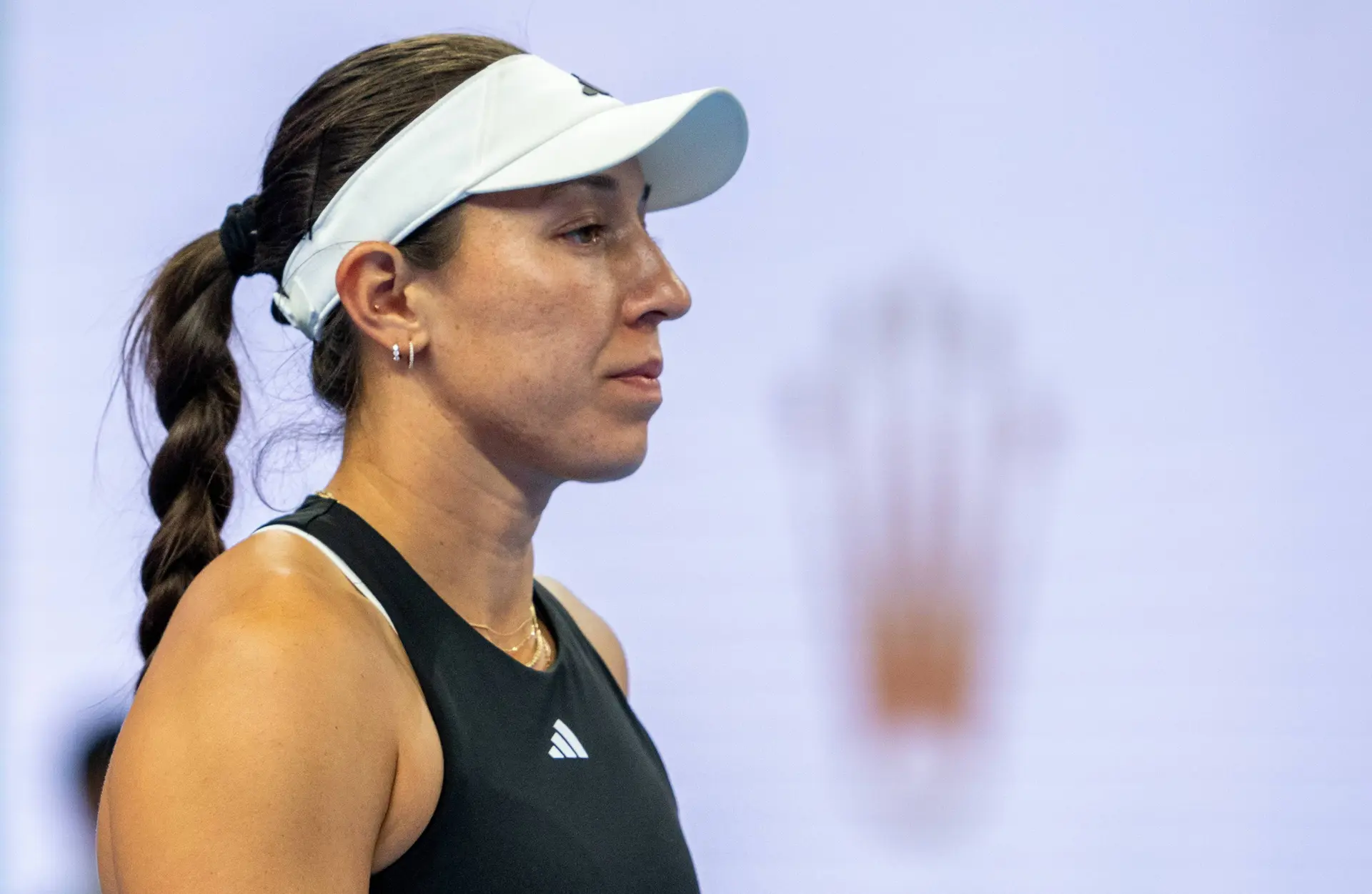
Jessica Pegula has questioned the consistency of anti-doping rulings in tennis after Marketa Vondrousová’s four-year suspension sparked renewed debate across the sport, drawing direct comparisons with previous cases involving Jannik Sinner and Iga Swiatek.
Vondrousova’s case stems from an out-of-competition test attempt at her home in December 2025, when she did not submit a sample after being notified by a doping control officer. The 2023 Wimbledon champion later said “months of physical and mental stress” influenced her reaction, while also raising concerns about privacy and safety during testing procedures.
Players are required to provide a daily one-hour whereabouts window for out-of-competition testing. Vondrousova has insisted she “never doped” and is now expected to consider an appeal to the Court of Arbitration for Sport, while facing a suspension that could keep her out of competition until 2030.
The case has intensified scrutiny due to its perceived severity compared to other recent rulings involving top players, particularly Sinner and Swiatek, whose sanctions were significantly shorter and based on different findings of fault and contamination.
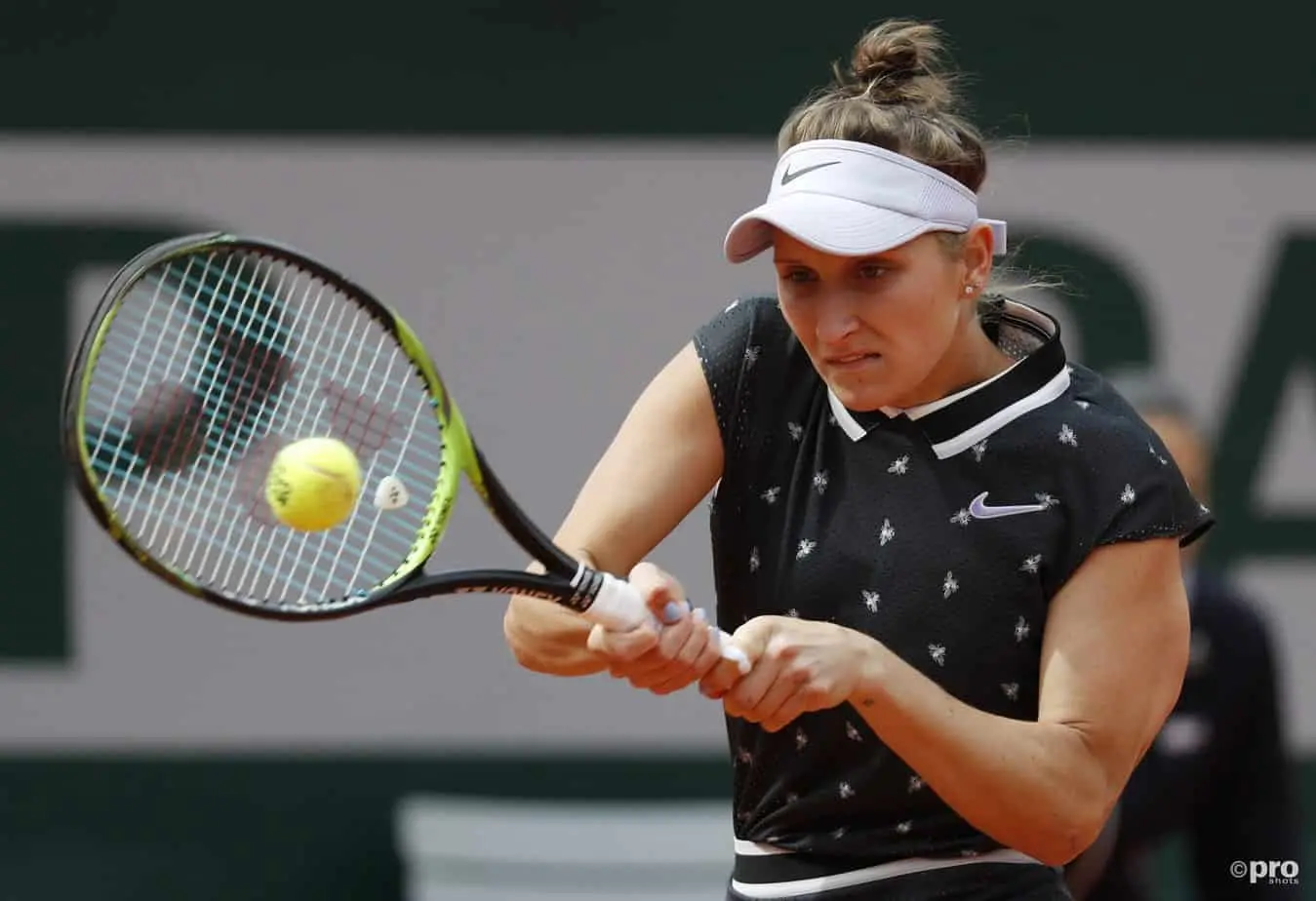
“It doesn’t make sense” — Pegula compares Sinner, Swiatek and Vondrousova cases
Pegula was explicit in her criticism of the perceived inconsistency between cases, arguing that from a “common sense” perspective, the outcomes are difficult to reconcile. She acknowledged she does not have full access to the details but questioned the overall proportionality of the sanction.
"It's just really unfortunate. I feel like for Marketa, I don't know the ins and outs of exactly what happened, it seems like there's a lot of 'he said, she said' kind of things going on right now," Pegula said to AFP.
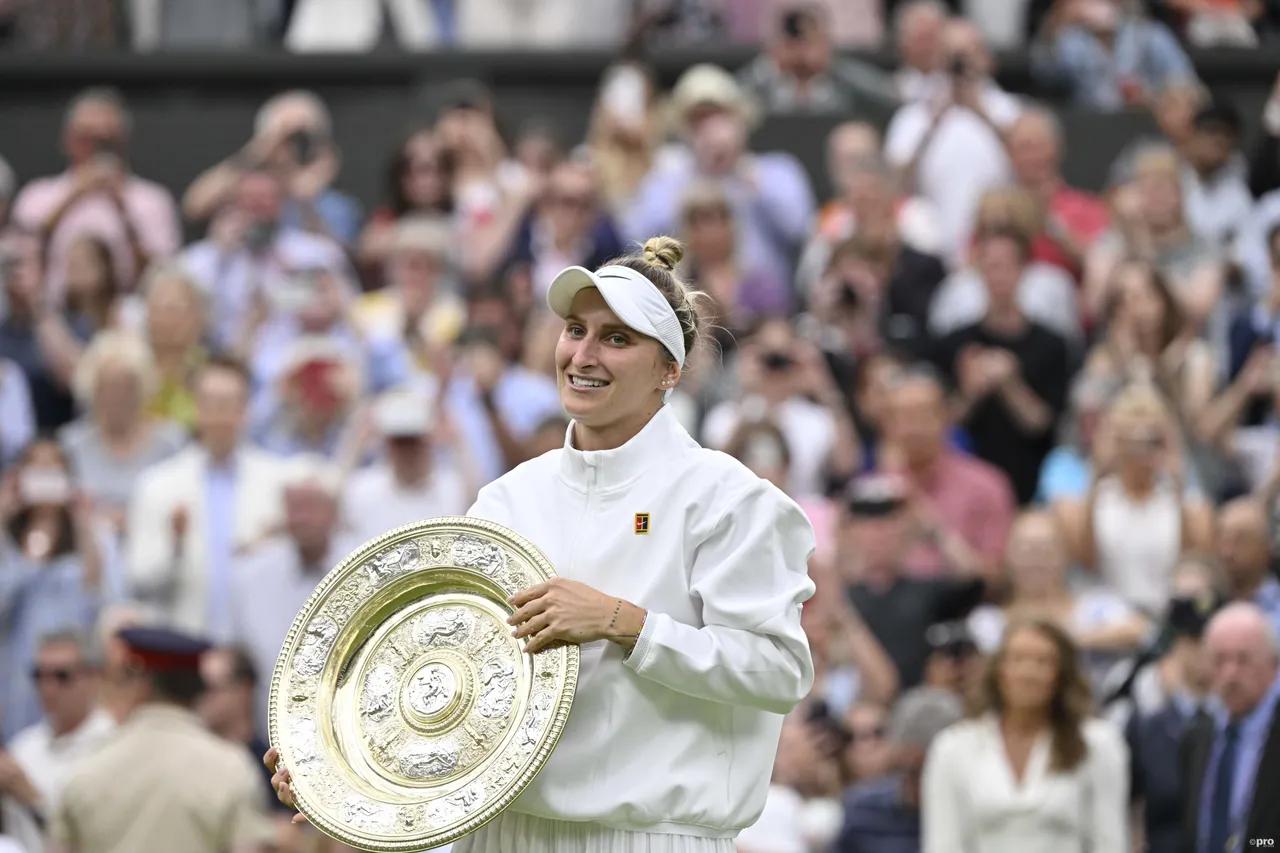
Marketa Vondrousova won the 2023 Wimbledon ladies title
She then focused on the scale of the punishment, stating that a four-year ban risks ending a player’s career over what could be a misunderstanding, especially when compared with other anti-doping cases in recent seasons.
"But I just think for something like that, for four years, you're ruining someone's career over something that could have really just been a complete misunderstanding,” the world No. 5 added. "I just don't think that's fair. I think the sentencing is so harsh."
Read also
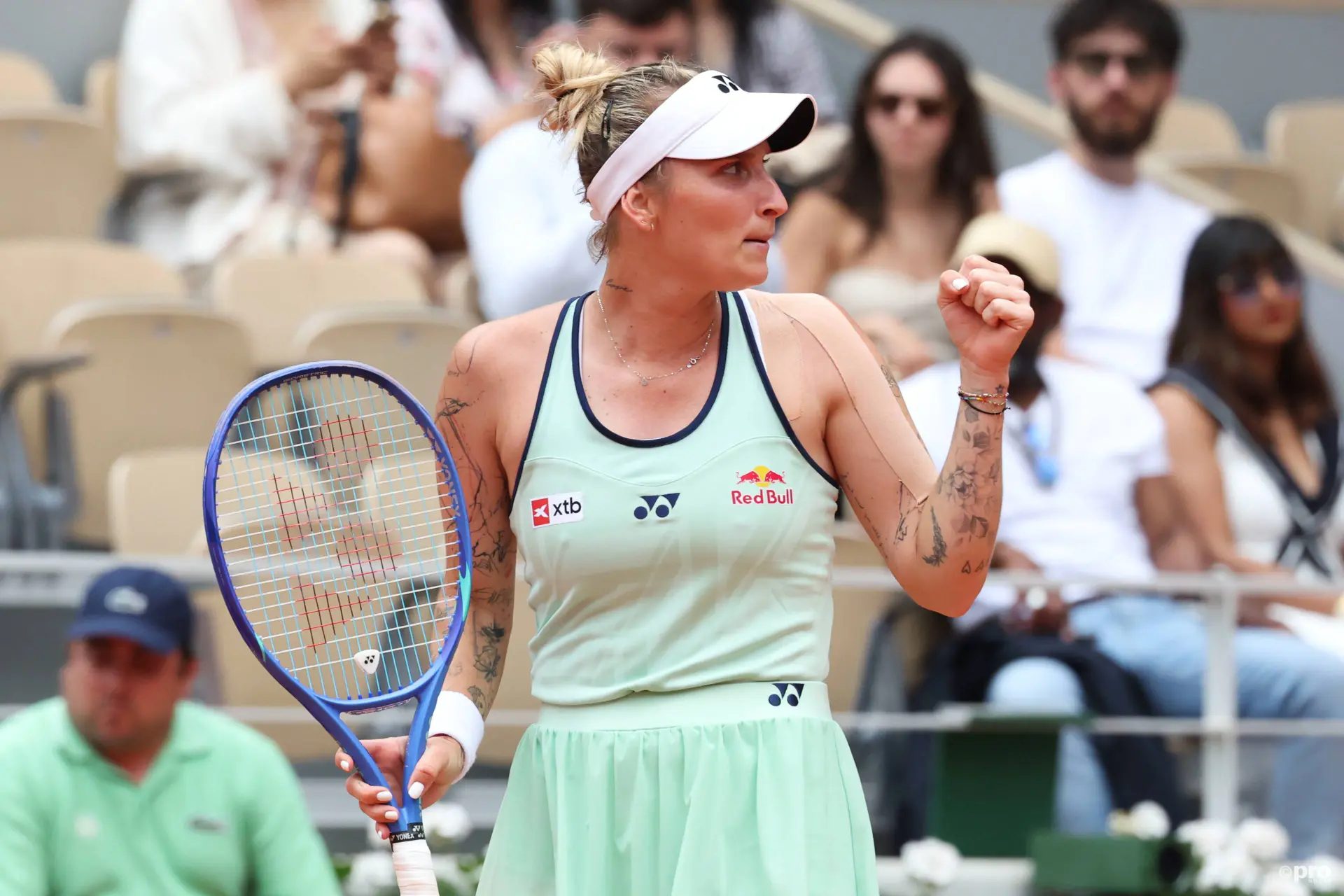
Sinner and Swiatek cases central to Pegula’s criticism
The debate intensified as Pegula directly referenced the contrasting outcomes in cases involving Jannik Sinner and Iga Swiatek, both of whom served significantly shorter suspensions under different circumstances.
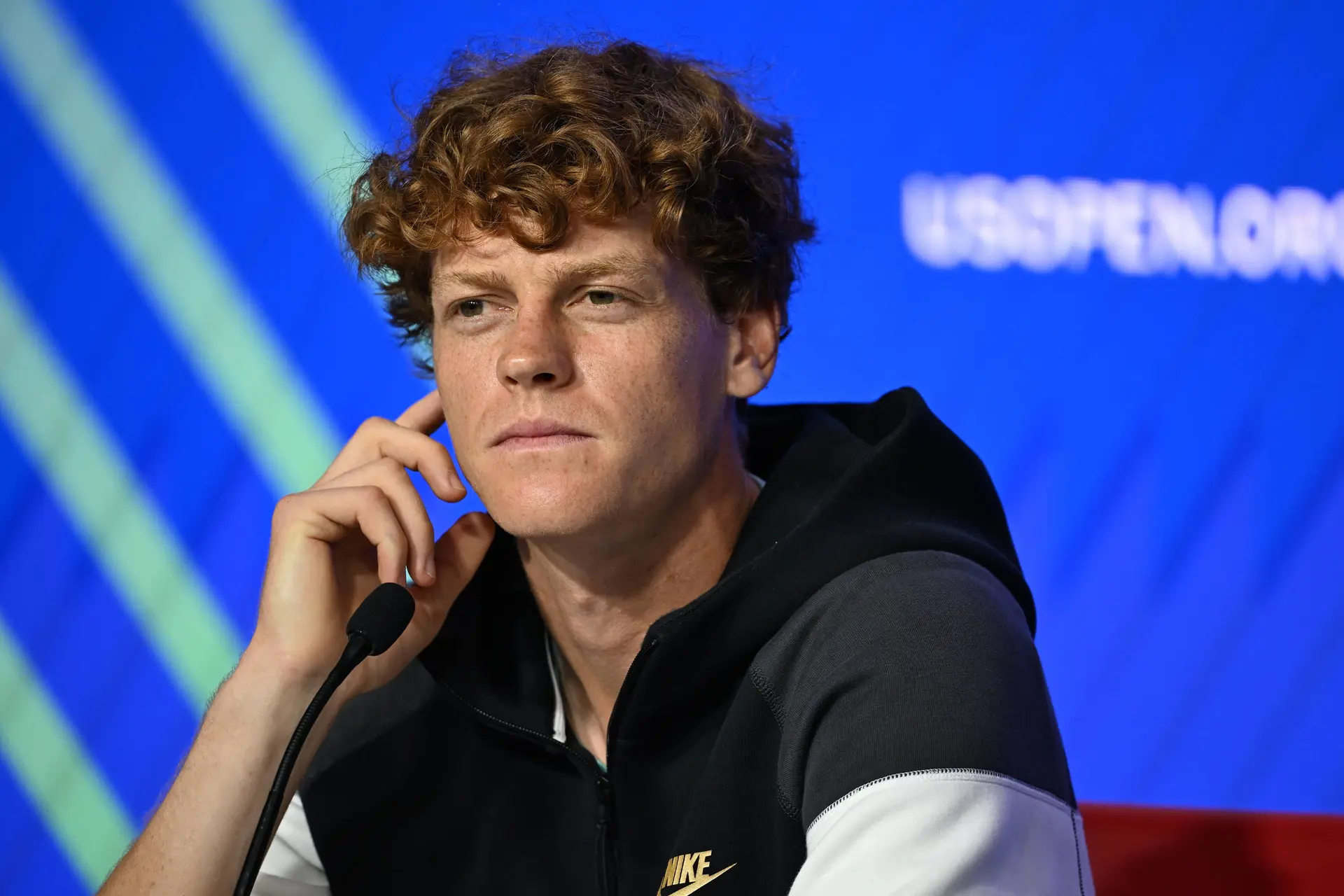
Sinner was suspended for three months after testing positive for the anabolic steroid clostebol in 2024. The World Anti-Doping Agency (WADA) accepted that the contamination was inadvertent and linked to a massage cream used by his physiotherapist. During an ongoing appeals process, the Italian ultimately agreed to a short suspension to close the case.
Swiatek received a one-month ban in late 2024 after testing positive for trimetazidine. The International Tennis Integrity Agency determined the result came from a contaminated over-the-counter melatonin supplement manufactured in Poland. She was found to have “No Significant Fault or Negligence,” resulting in a reduced sanction.
Pegula pointed to these outcomes when questioning how similar regulatory frameworks can lead to such different punishments depending on context and interpretation.
"I don't quite understand the difference between that and then obviously what happened with Sinner and Iga," Pegula said. "They justified what the rules were and why it was the way it was."
She concluded that, while punishment is necessary when testing protocols are breached, the system lacks clarity from a player’s perspective.
"I don't think it makes sense to a person that's just looking at it common sense-wise,” the 31-year-old American added. “But I understand there should be some sort of punishment, because I know she's refused to take a test, and that's not good either."

Cristhián AvilaTennis Journalist
Cristhián Ávila is a tennis journalist based in Santiago, Chile, and has been part of the TennisUpToDate team since early 2023. He covers the ATP and WTA Tours as well as all four Grand Slams, producing breaking news, match reports, analysis, and regular liveblogs from major tournaments.
His reporting combines statistical analysis with clear explanation, helping readers understand tactical developments, player form, and broader storylines across the tour. Working fluently in both Spanish and English, Cristhián collaborates with an international editorial team and contributes to comprehensive global coverage. As part of his work, he has conducted interviews and media interactions with leading figures in the sport, including Caroline Wozniacki and John McEnroe.
In his journalism, Cristhián places strong emphasis on careful sourcing, editorial accuracy, and updating articles promptly when new, verified information becomes available. His coverage is grounded in research, context, and direct engagement with professional tennis.
claps 3visitors 2
Just In

Popular News
Latest Comments
- A healthy Qinwen may be hard to stop next season. She was already scaring her opponents before her medical leave(s). Unfortunately, Zheng insisted on singing again. On the positive side -- Mirra did not sing!! ;~}
 mandoist11-10-2026
 - Where is it written that athletes, entertainers... People in general... are mandated to keep looking at -- or even using [anti]Social Media? Public & private figures consistently complain and reveal their concerns about negativity and violence thrown at them -- yet they insist on participating. Avoid it, don't use it, don't read it. It's okay to occasionally look up at the World instead beating your eyes & thumbs to death on The Inventions out there.mandoist11-10-2026
- great articlestennisseserver07-10-2026
- Medvedev was leading Djokovic 7-5, 3-5 when an attempted return..' NO you ignorants, Djokovic was leading .weiss05-10-2026
- No more bullshit "Wildcards" to these two. Qualify like everyone else -- there will be cameras there, too. Time to scream... WTF ????!!!!mandoist29-09-2026
- Let's not BS the general public -- Sabalenka started showing cracks in her game last season. Her losses and near-losses started at about the same time she began being distracted by Fame (constant Selfies, making TV commercials, magazine shoots, endless Social Media nonsense, etc., etc.) One would think even Saba could recognize the parallels with others who failed before her -- Raducanu, Giorgi, Bouchard to name a few.mandoist25-09-2026
- Gross!! Hey Raducanu, Giorgi, and Bouchard -- reserve a seat at your Social Media Selfie table for Saba + Naomi. They're heading in your direction soon enough.mandoist24-09-2026
- And then these same players will complain about how lengthy their season’s were and need more time-off. I’m all for more tennis but the amount of tennis we get now is actually kind of crazy! We all need a break, especially the players.DaveyWavey23-09-2026
- You should do a comparison article for "different kinds of justice" the courts decide for tennis players. I can think of at least three players who received very small bans of a few months, however Tara Moore has been fighting for her literal survival the past few years. It seems odd considering she is not a "name" player, unlike the other cases.DaveyWavey22-09-2026
- PRIZE MONEY & POINTS Winner - $185,500 Finalist - $114,500 Semi-Finalist - $66,003 Quarter-Finalist - $35,000 Round of 16 - $18,045 Round of 32 - $13,005 Winner - 500 Finalist - 325 Semi-Finalist - 195 Quarter-Finalist - 108 Round of 16 - 60 Round of 32 - 1DaveyWavey20-09-2026

Loading