They were the future of women’s tennis — what happened to these 10 prodigies?
WTAMonday, 10 August 2026 at 10:30
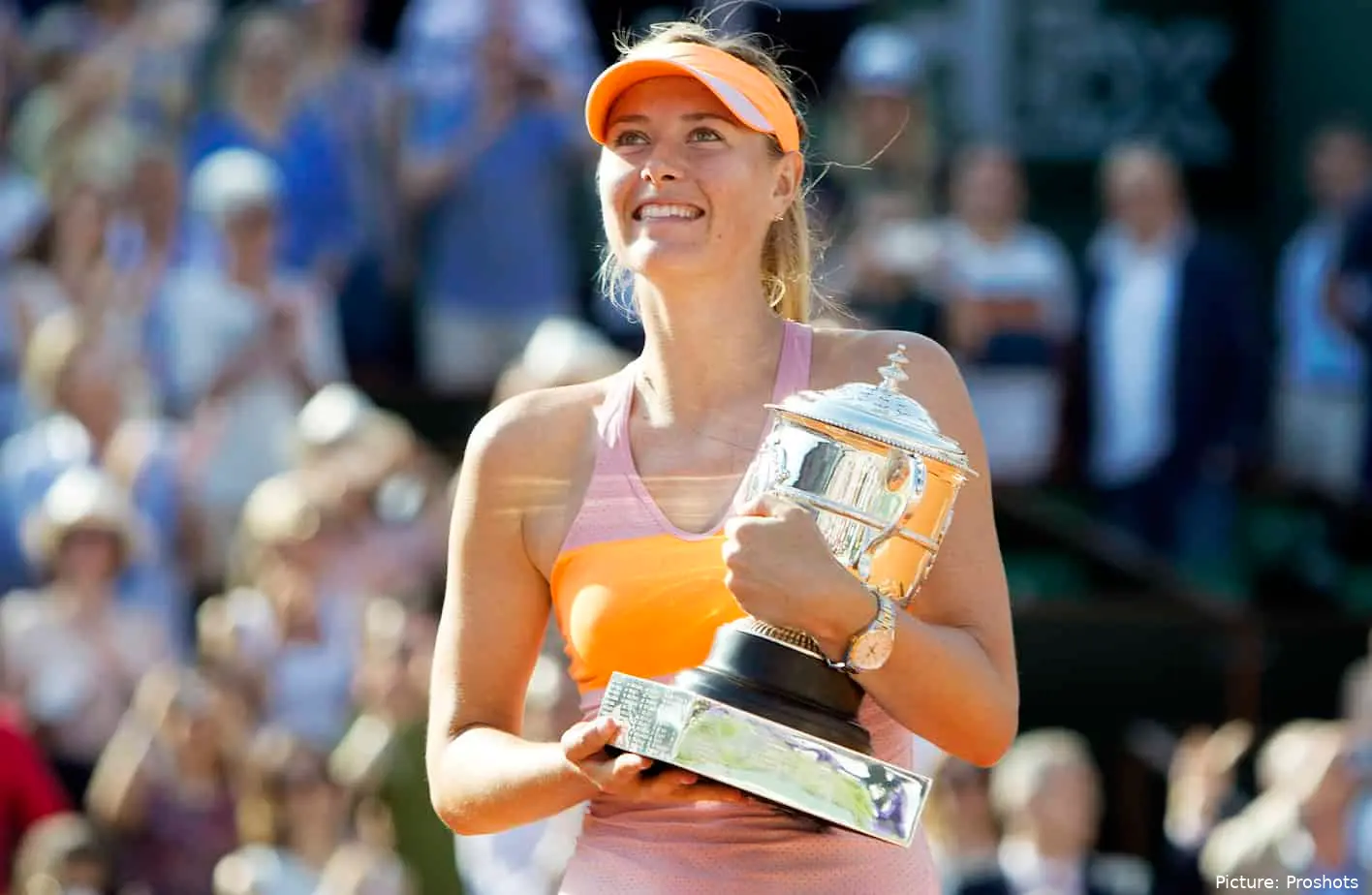
Some became Grand Slam champions. Others saw their careers derailed by injuries. A few came closer to fulfilling their enormous potential than many remember.
From Martina Hingis and Maria Sharapova to Emma Raducanu, Laura Robson and Coco Gauff, these players were all regarded as extraordinary talents long before they reached their prime.
But what happened after the hype? And which of these teenage sensations actually went on to live up to the expectations placed on them?
For some, that early success was the beginning of dominant careers. Others were affected by injuries, inconsistency, personal difficulties or the weight of expectations, creating a significant gap between their junior or teenage achievements and what eventually followed.
Here are 10 former WTA tennis prodigies who attracted major attention at a young age, looking at what they achieved early in their careers and where they stand now — including players who lived up to the hype and those whose careers followed a very different trajectory.

WTA prodigies - where are they now?
| Player | Teenage breakthrough | Career peak | Verdict |
| Martina Hingis | Wimbledon champion at 16 | World No. 1 | ⭐ Exceeded |
| Jennifer Capriati | French Open SF at 14 | World No. 1 | ⭐ Lived up |
| Maria Sharapova | Wimbledon champion at 17 | 5 Grand Slams | ⭐ Exceeded |
| Anna Kournikova | Wimbledon SF at 16 | World No. 8 | ⚠️ Mixed |
| Laura Robson | Wimbledon junior champion | World No. 27 | ❌ Injuries |
| Belinda Bencic | Junior Grand Slam double | World No. 4 | ⭐ Largely |
| Coco Gauff | Wimbledon breakthrough at 15 | 2 Grand Slams | ⭐ Exceeded |
| Emma Raducanu | US Open champion at 18 | World No. 10 | ❓ Unfinished |
| Mirra Andreeva | Teen breakthrough | French Open champion | ⭐ Exceeded |
| Magdalena Maleeva | Junior Grand Slam titles | World No. 4 | ⚠️ Mixed |
Martina Hingis
Martina Hingis was one of the most extraordinary teenage prodigies in tennis history. The Swiss won the Roland Garros girls' singles title at just 12 years old. At 13, she won the junior title at Roland Garros for a second time, followed by Wimbledon, while also reaching the US Open junior final. She made her WTA debut at the Zurich Open just two weeks after turning 14 and finished the 1994 season ranked No. 87 in the world.
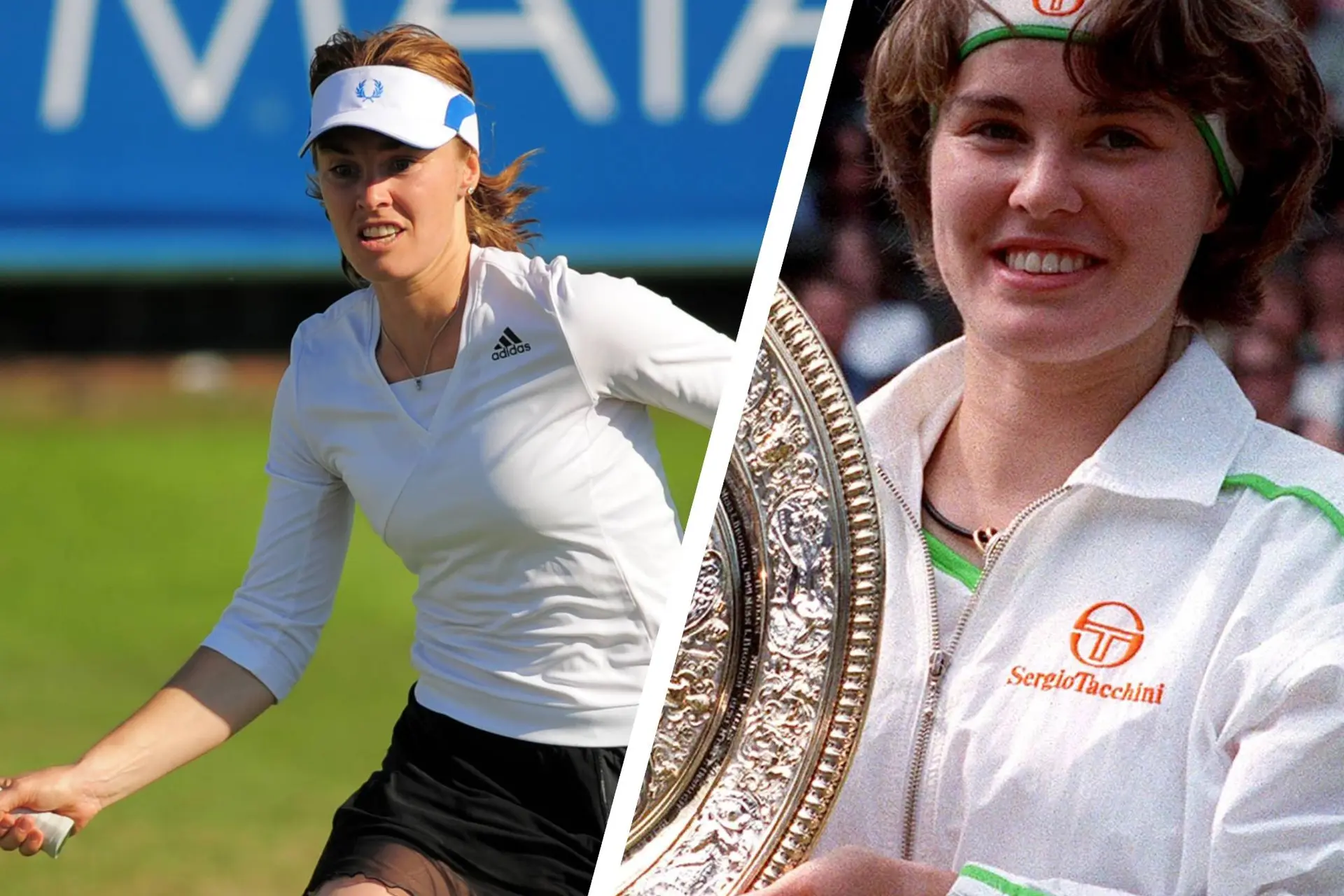
Hingis' rise through the professional ranks was remarkably quick. She became the youngest player to win a Grand Slam singles title in the Open Era when she captured the 1997 Australian Open at just 16, then added Wimbledon and the US Open later that year. She also became the youngest world No. 1 in WTA history at 16 years and 182 days. Before turning 18, Hingis had established herself as the dominant player on Tour.
Injuries eventually shortened her singles career, with Hingis retiring for the first time in 2003 at just 22 after winning five Grand Slam singles titles, reaching another seven major finals and collecting 15 WTA 1000 titles. She returned to competition in 2006 and enjoyed further success, particularly in doubles, where she won additional Grand Slam titles, including the 2017 US Open doubles title. She spent more than 200 weeks as world No. 1 across singles and doubles.

Jennifer Capriati
Jennifer Capriati was already being discussed as a future tennis superstar before she became a professional. She made her debut at 14 and reached the French Open semifinals later that year, becoming the youngest player ever to reach that stage of a Grand Slam at the time. She also won Olympic gold in singles at Barcelona 1992, aged just 16.
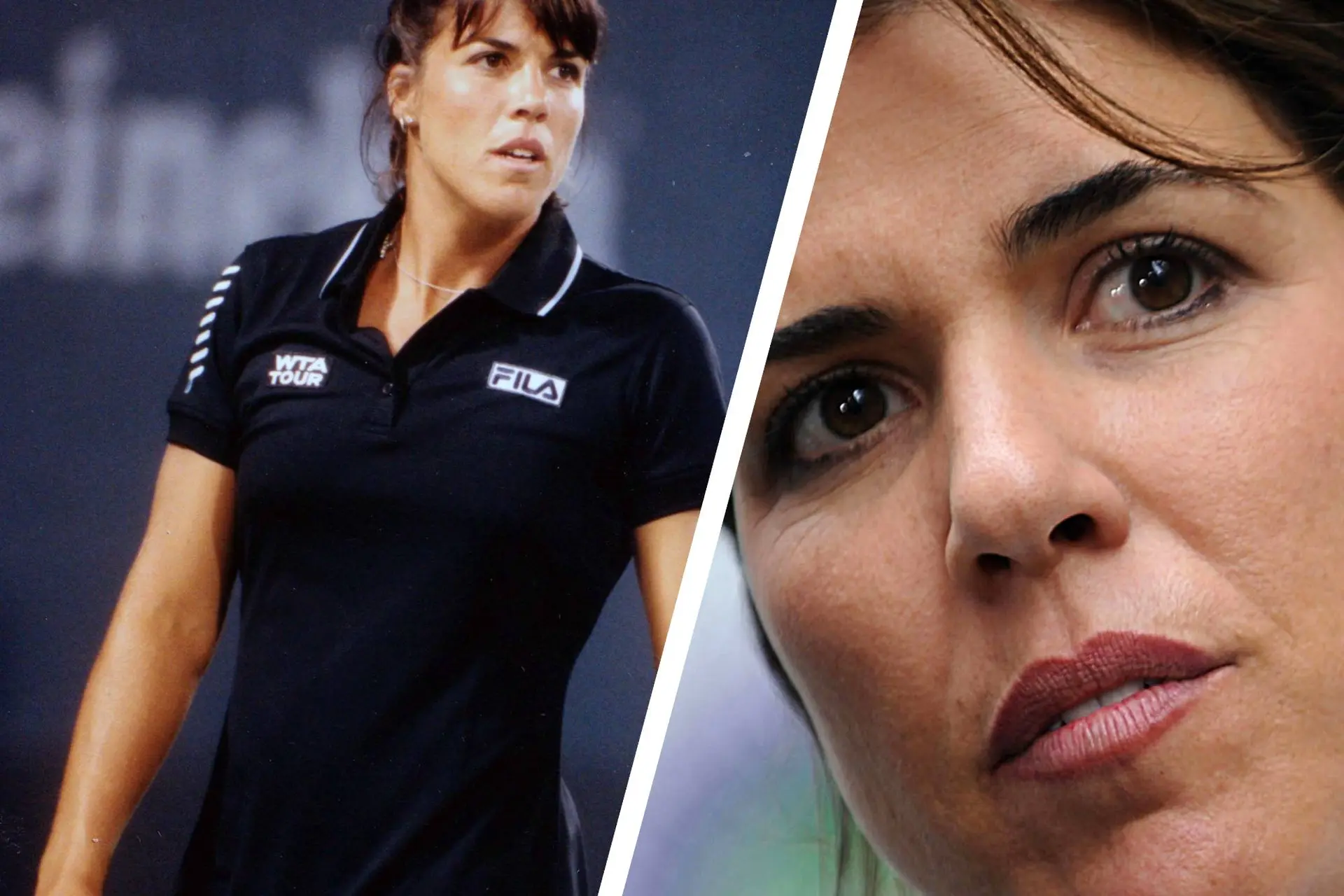
Capriati entered the top 10 before turning 18, but her career soon took a very different direction. After struggling with the pressure surrounding her rapid rise, she stepped away from professional tennis in the late 1990s and spent several years away from the Tour before eventually beginning a comeback.
Her return produced an extraordinary second chapter. Capriati won the Australian Open and French Open in 2001, claiming her first Grand Slam titles and reaching world No. 1 for the first time. She ultimately won three majors and finished with a career that demonstrated that an early setback did not prevent her from eventually reaching the highest level.

Maria Sharapova
Maria Sharapova became one of the most recognizable young players in tennis when she won Wimbledon in 2004 at just 17 years old. Her breakthrough was particularly striking because she defeated defending champion and world No. 1 Serena Williams in the final, immediately establishing herself as one of the sport's biggest stars.
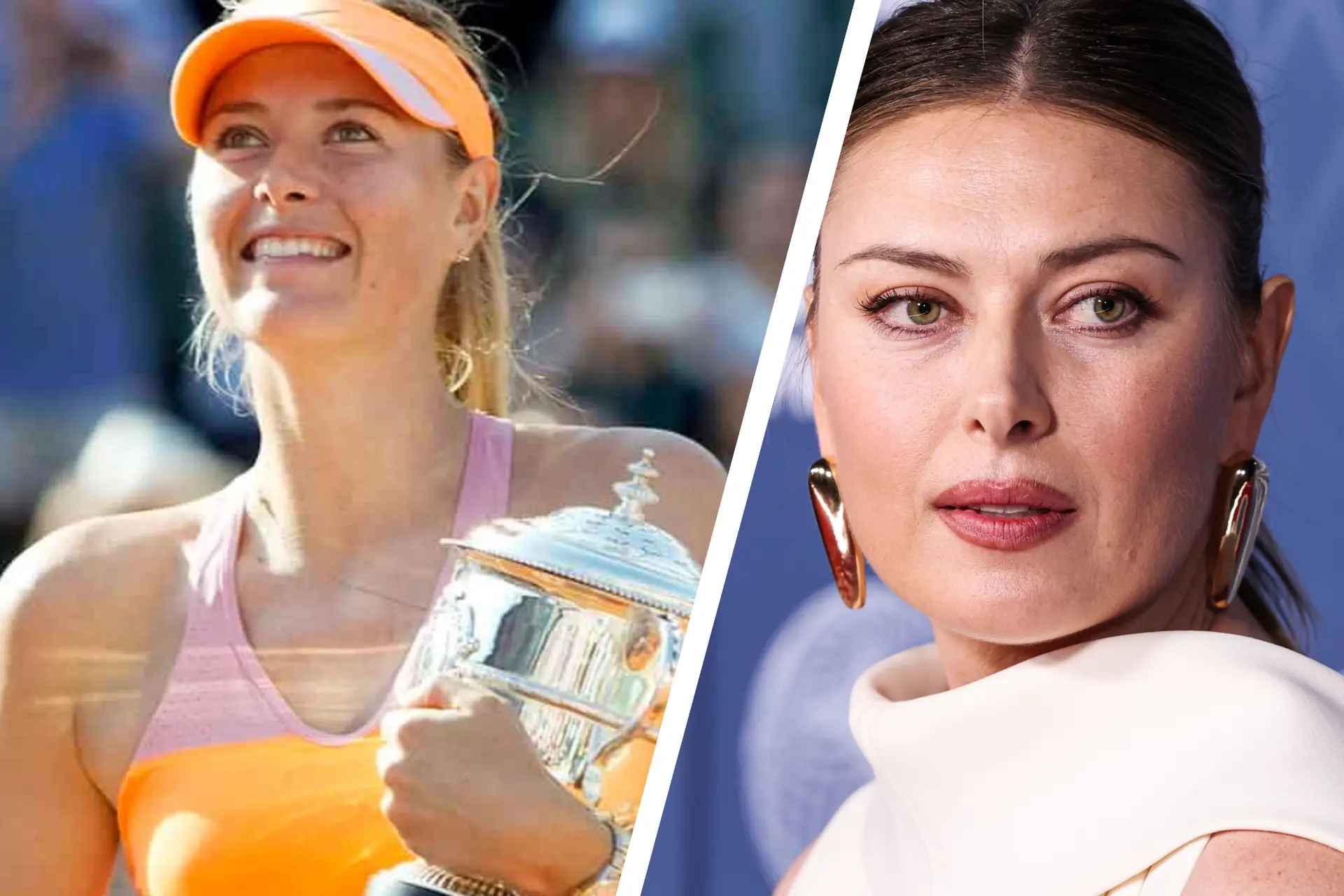
The Russian went on to build one of the most successful careers of her generation. She completed the Career Grand Slam by winning the Australian Open, French Open, Wimbledon and US Open at different stages of her career, collecting five major titles in total. She also reached No. 1 in the WTA rankings and won 36 singles titles.
Her career was repeatedly interrupted by injuries, particularly a long-term shoulder problem, but she continued to return to the highest level. Her final years were complicated by a 2016 doping violation that resulted in a suspension after she tested positive for meldonium. Sharapova returned to competition but was unable to recapture her previous level and retired in 2020 at 32. She was later inducted into the International Tennis Hall of Fame in recognition of her career.

Sharapova won her last Grand Slam title at Roland Garros in 2014, two years after completing her Career Grand Slam at the same venue.
Anna Kournikova
The young star who perhaps rose to fame too early. Kournikova reached the Wimbledon semifinals in 1997 at just 16 years old, becoming one of the youngest players to reach the last four at the All England Club. Her game attracted enormous attention, and she quickly became one of the most recognizable faces in women's tennis.
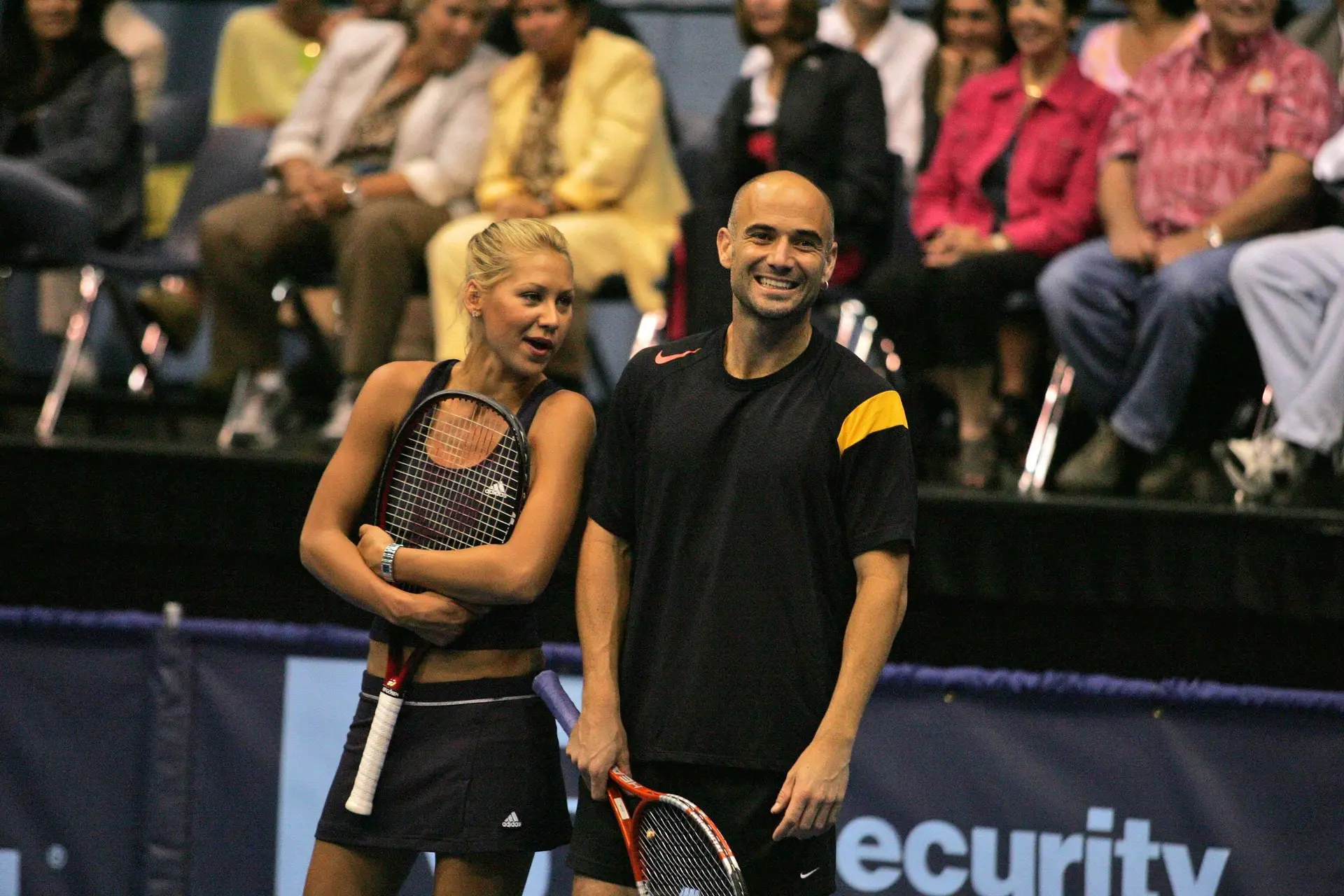
Kournikova reached the top 10 in singles in 1999 and achieved a career-high ranking of No. 8 in 2000. She also reached the Australian Open semifinals in 2001 and the quarter-finals in 2002, while regularly producing deep runs at major tournaments. However, injuries increasingly disrupted her career and prevented her from making the final step toward a first WTA singles title.
Her greatest success ultimately came in doubles. Kournikova won two Australian Open doubles titles alongside Martina Hingis, in 1999 and 2002, and reached world No. 1 in the doubles rankings. She retired from professional tennis in 2007 at just 26, leaving behind a career that fell short of the expectations created by her teenage breakthrough, but also a lasting impact on the global popularity of women's tennis.
Magdalena Maleeva
Magdalena Maleeva emerged as a teenage prodigy in the late 1980s and early 1990s. At just 15, she had already won three Grand Slam junior titles in 1990, establishing herself as one of the brightest young talents in the sport. She won her first WTA title the following year at just 16 and quickly established herself among the world's leading teenagers, reaching the top 10 before turning 20.
Maleeva eventually climbed as high as No. 4 in the world in 1996, at just 21, and won 10 WTA singles titles during her career. She also reached the US Open quarter-finals in 1992 and 1993, producing several deep Grand Slam runs despite never advancing to a major semifinal.
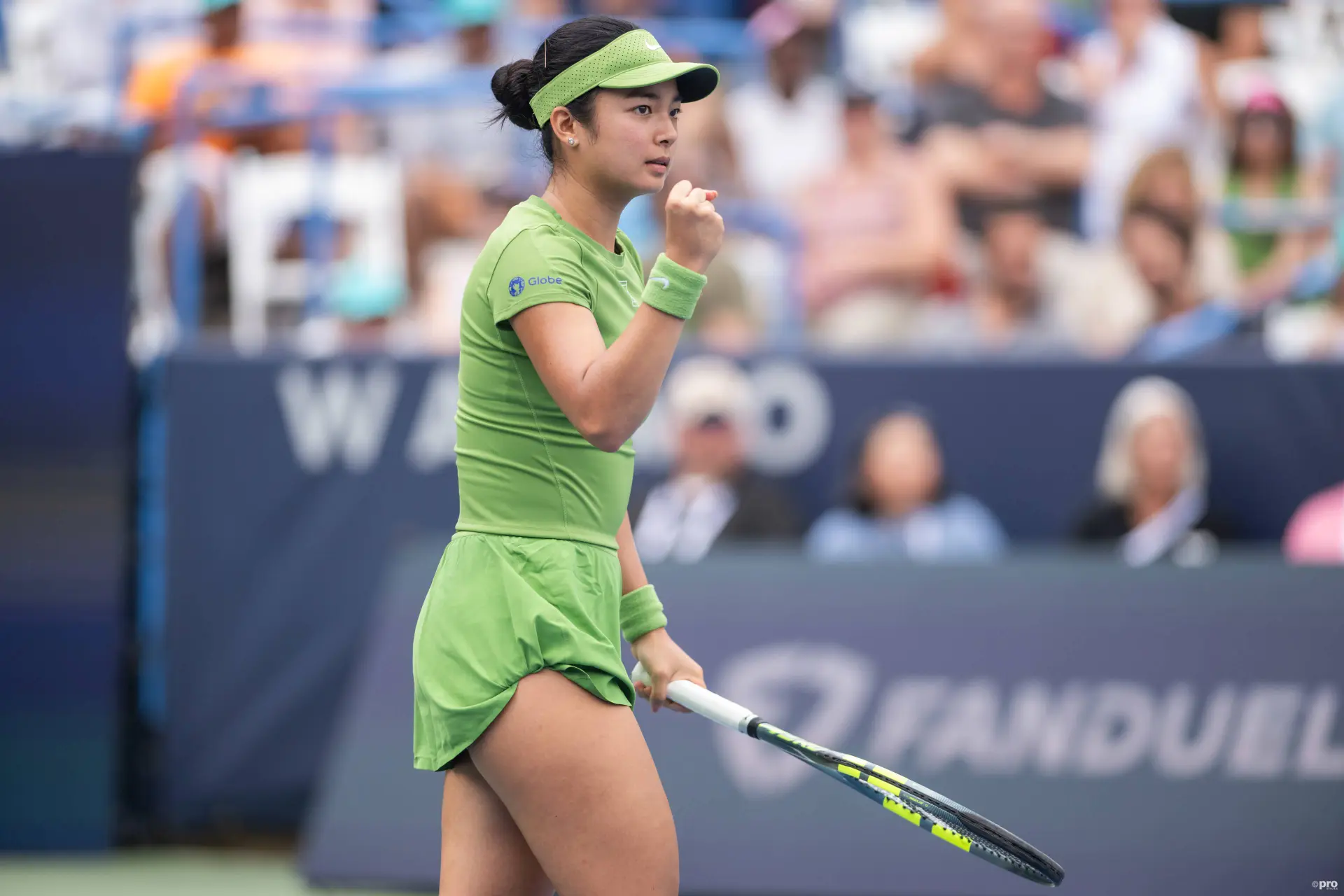
Although she never fulfilled the most extreme expectations attached to her teenage rise, Maleeva still built a remarkably consistent career at the highest level. She spent years inside the top 10 and defeated several of the leading players of her era before retiring in 2005.
She became an example of a teenage prodigy who reached the highest levels of professional tennis without ever winning the Grand Slam title that had been expected of her, finishing with 10 WTA titles, including two WTA 1000 trophies. She remains actively involved in the sport today as the captain of the Bulgarian Billie Jean King Cup team.
Laura Robson
Laura Robson emerged as one of the brightest young talents in British tennis during her teenage years. She won the Wimbledon girls' singles title in 2008 at just 14 and later added a mixed doubles silver medal at the 2012 London Olympics alongside Andy Murray. Her left-handed game and early success quickly made her one of the most closely watched prospects in British tennis.
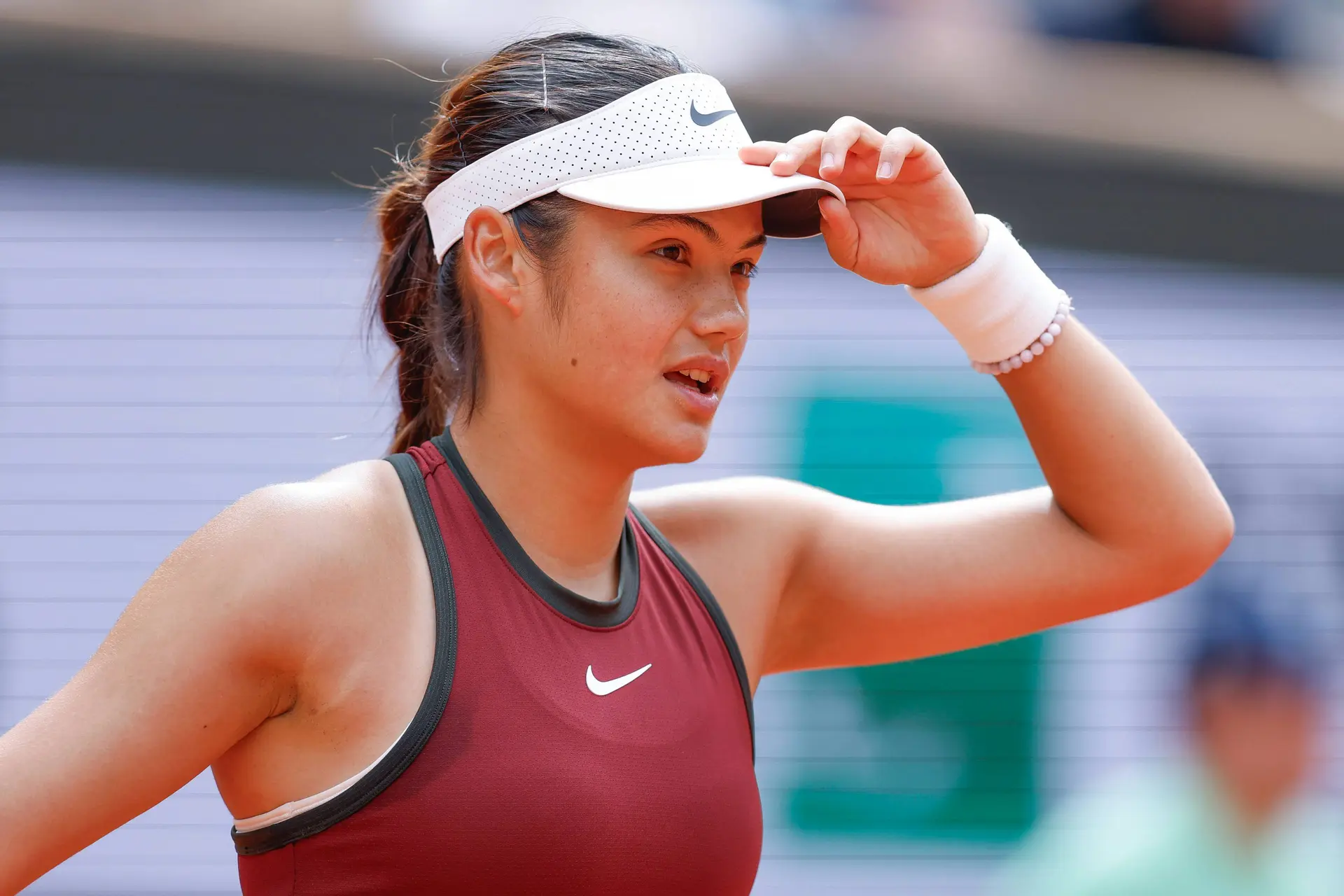
Her breakthrough on the senior Tour came at the 2012 US Open, where she reached the fourth round at 18 after defeating Kim Clijsters and Li Na. She followed that with another fourth-round appearance at the 2013 Australian Open and climbed to a career-high No. 27 later that year, looking increasingly capable of establishing herself among the world's leading players.
Instead, persistent wrist problems and other injuries dramatically changed the course of her career. Robson underwent multiple surgeries and spent long periods away from competition before eventually retiring in 2022 at 28. She remains one of British tennis' clearest examples of a prodigious young talent whose development was ultimately derailed by physical problems.

Robson's best result in a Grand Slam was in the fourth round of Wimbledon 2013.
Belinda Bencic
At 29, Belinda Bencic remains an established force on the WTA Tour, combining extensive experience with a career full of major achievements, although she is still searching for her first Grand Slam final. As a junior, she won consecutive French Open and Wimbledon girls' singles titles in 2013 and was often regarded as the Swiss successor to Martina Hingis.
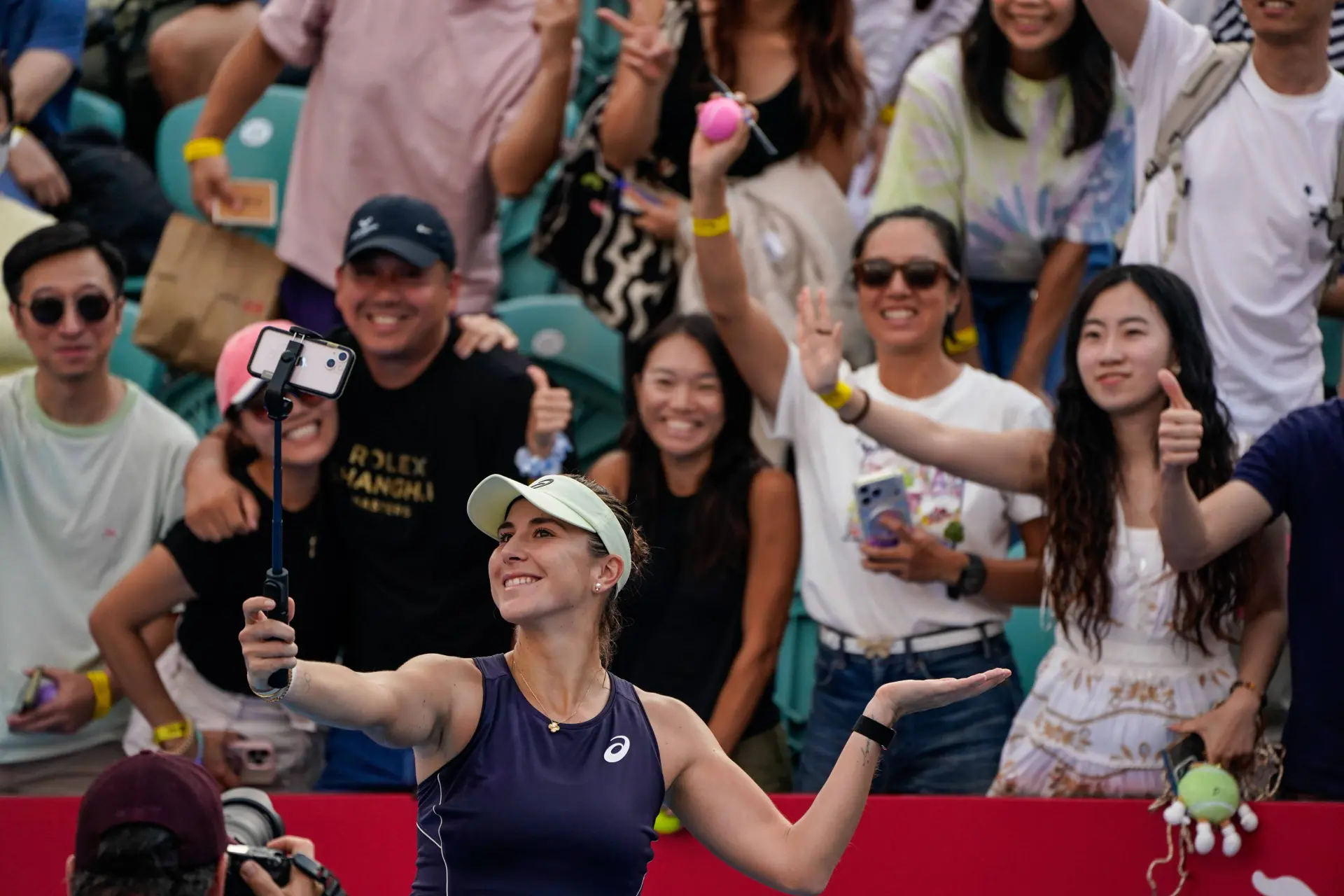
Her transition to the senior Tour was remarkably quick. In 2014, Bencic reached her first Grand Slam quarter-final at the US Open, defeating top-10 opponents such as Angelique Kerber and Jelena Jankovic along the way. Her breakthrough continued in 2015, when she won her first WTA title in Eastbourne before defeating Serena Williams and Venus Williams en route to the Canadian Open title. At 18, she entered the world's top 10 for the first time.
Injuries later interrupted her progress, but Bencic eventually produced a second rise. She reached a career-high No. 4 in 2020, won Olympic singles gold at Tokyo 2020 and added further WTA titles. After becoming a mother and taking time away from the Tour, she returned in 2024 and has continued rebuilding her ranking. Now No. 14, after briefly returning to the top 10 recently, Bencic remains a dangerous presence at the majors, having reached the Wimbledon semifinals just one year ago.

Coco Gauff
Coco Gauff became a global tennis prospect almost overnight when she defeated five-time Wimbledon champion Venus Williams at just 15 years old at Wimbledon in 2019. She later became the youngest player to qualify for and win a main-draw match at the US Open, immediately establishing herself as one of the most closely watched teenagers in the sport. She was even tipped as a potential successor to Serena Williams, although her rise to the elite took longer than some expected.
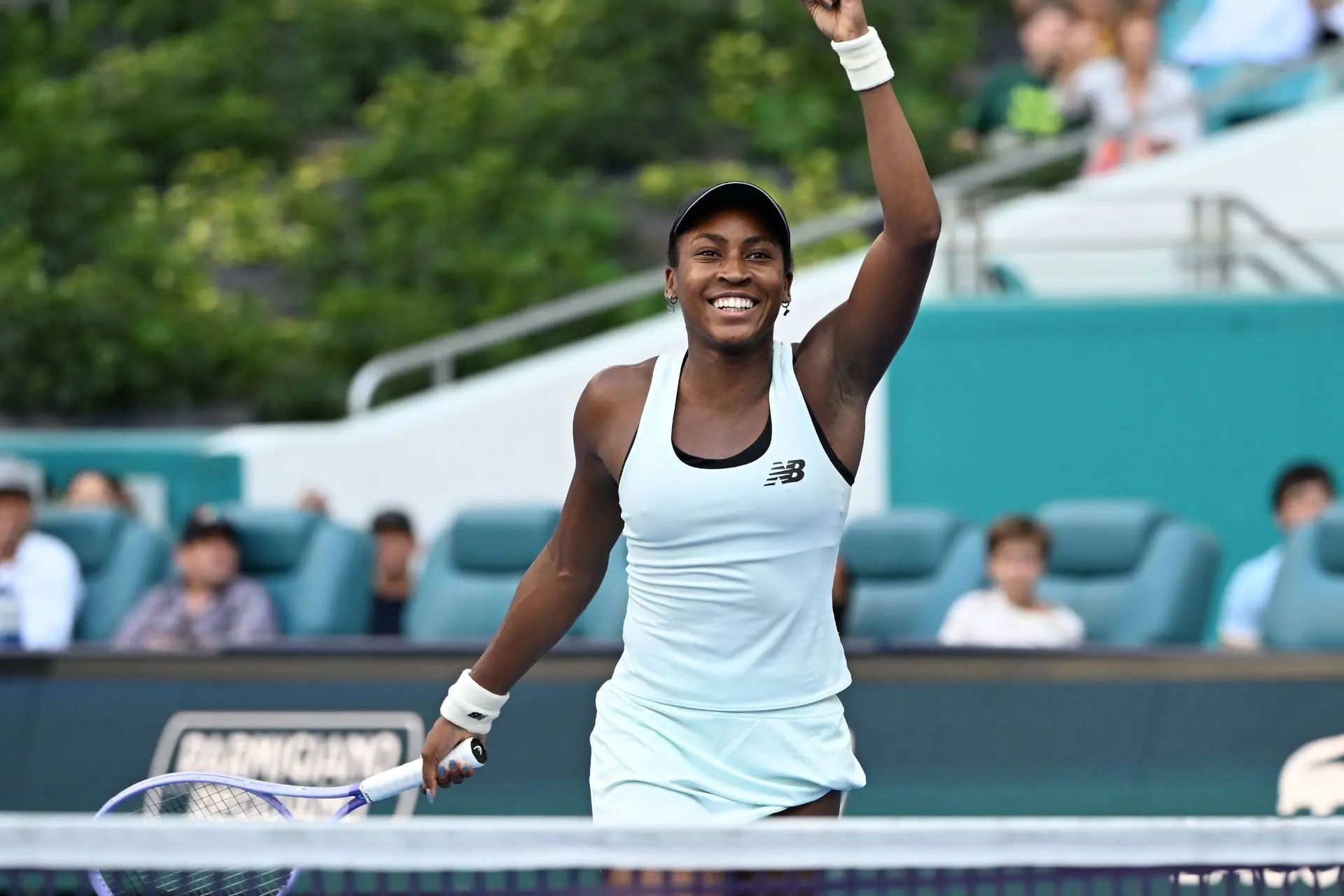
Gauff won her first WTA title in 2021 and reached the French Open final in 2022 before producing her defining breakthrough at the 2023 US Open, where she won her first Grand Slam singles title at 19. At just 22, she already has 308 wins from 435 matches, more than $33 million in career prize money and 11 singles titles, including two Grand Slam trophies, the WTA Finals and several WTA 1000 titles.
Those numbers already resemble the résumé of a much more experienced player, yet Gauff still has potentially another decade or more at the highest level ahead of her. There is plenty of time for the American to add to her Grand Slam tally and establish herself among the defining players of her generation. Currently ranked No. 4, she has remained a consistent presence among the leading contenders at the biggest tournaments.

Coco Gauff won her second Grand Slam title at French Open, after defeating Aryna Sabalenka in the final.
Emma Raducanu
Emma Raducanu went from relative newcomer to Grand Slam champion in one of the most extraordinary breakthroughs in recent tennis history. At 18, she reached the fourth round of Wimbledon on her Grand Slam debut before producing an even more remarkable run at the 2021 US Open. Starting in qualifying, she won 10 consecutive matches without dropping a set to claim the title.
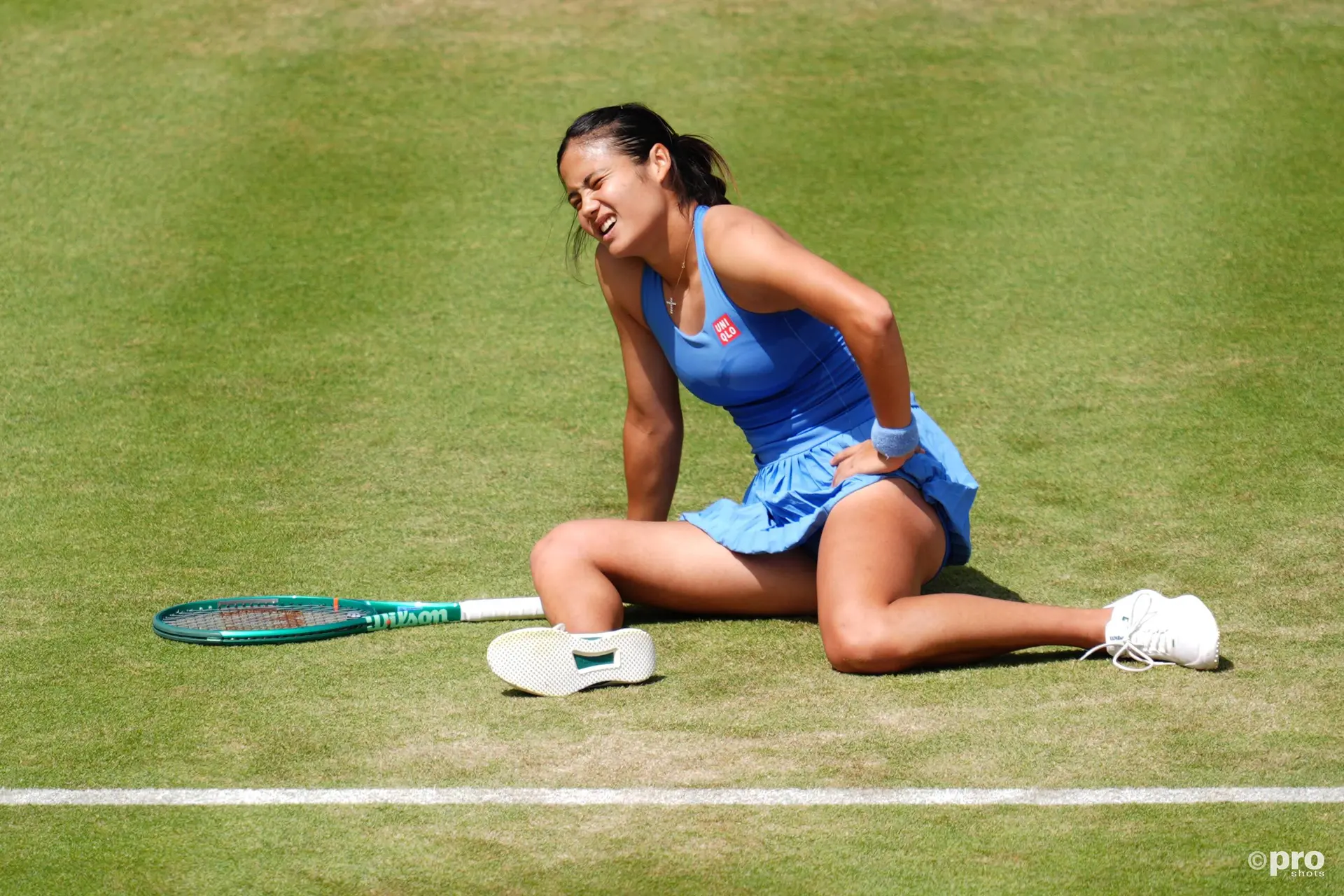
The victory made Raducanu the first player in the Open Era to win a Grand Slam singles title as a qualifier without losing a set. She also became the first British woman to win a major singles title since 1977, while her ranking surged from outside the top 300 to No. 22 immediately after the tournament and eventually to a career-high No. 10.
The years that followed, however, were dominated by injuries, coaching changes and interruptions to her competitive schedule. She has shown flashes of the level that made her a Grand Slam champion, but has struggled to maintain momentum for extended periods. At 23, Raducanu remains young enough to rebuild her career, but the gap between her extraordinary potential and her results since New York remains one of the biggest questions in women's tennis.

Emma Raducanu of Great Britain following her victory over Anna Blinkova on day two of the HSBC Championships at The Queen's Club
Mirra Andreeva
Mirra Andreeva's rise is perhaps the most recent example of a teenage prodigy adapting to the professional level at extraordinary speed. She reached the Australian Open girls' singles final in 2023, losing to Alina Korneeva, before making her presence felt on the senior Tour just months later. She reached the fourth round in Madrid, followed by the third round at Roland Garros, before going even deeper at Wimbledon, where she reached the fourth round while defeating established opponents such as Barbora Krejcikova and Anastasia Potapova.
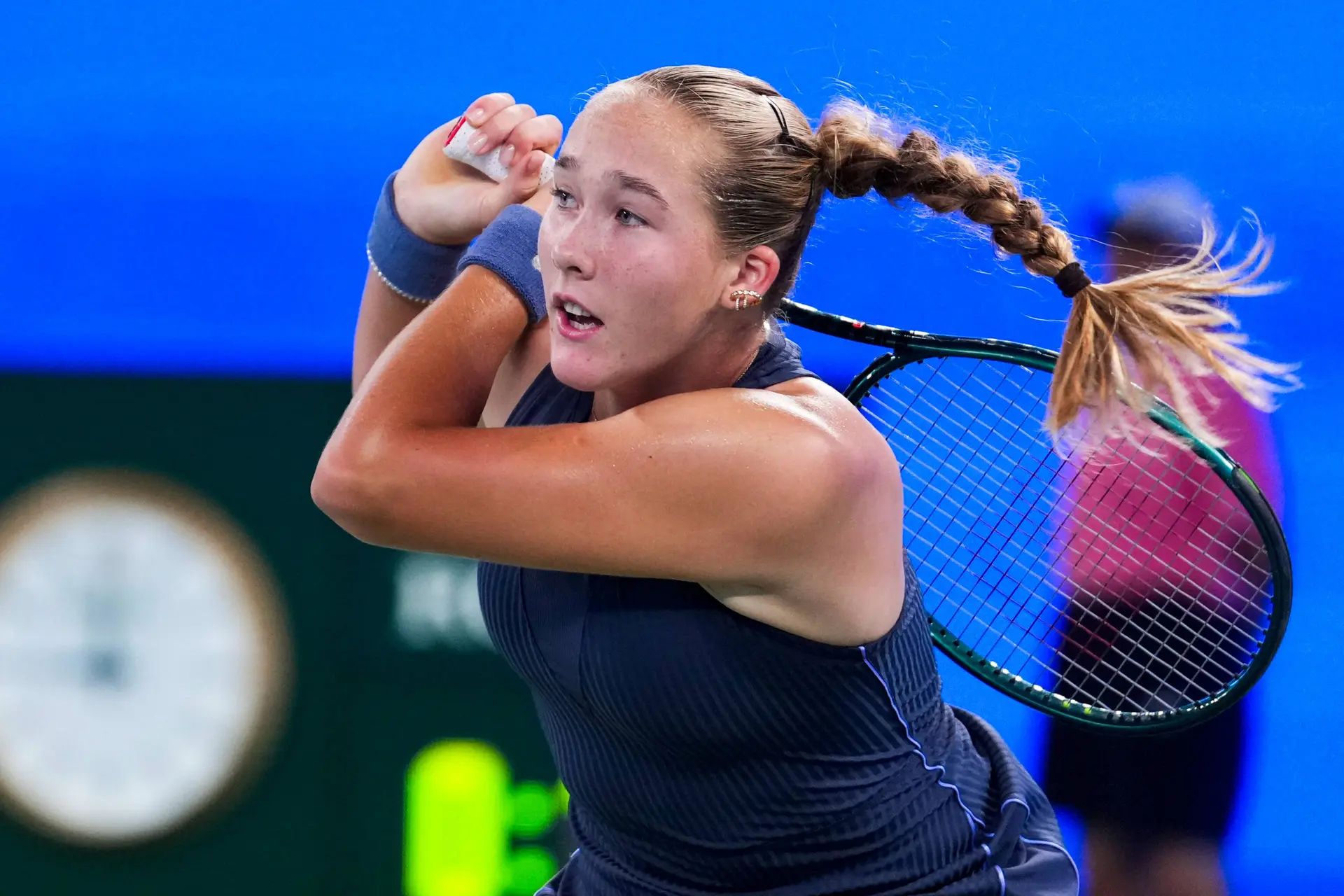
Few teenagers in recent years have adapted to the highest level so quickly, particularly at a time when physical development, power and athleticism have become increasingly important in women's tennis. Andreeva continued working on both her physical and mental game, while also benefiting from the guidance of Conchita Martinez over the past two seasons. That development eventually produced her first Grand Slam title at Roland Garros earlier this year.
At just 19, Andreeva already has six titles to her name, including two WTA 1000 trophies and the French Open. She also won an Olympic bronze medal in doubles alongside Diana Shnaider and has consistently produced deep runs at the highest level. Now ranked No. 5, she has also spent months leading the WTA Race, which tracks points earned exclusively during the 2026 season. If she maintains her current level, Andreeva could remain in contention for the No. 1 ranking as the season reaches its conclusion.
How did they do?
Martina Hingis
Verdict: Exceeded the hype
Jennifer Capriati
Verdict: Eventually lived up to it
Maria Sharapova
Verdict: Absolutely
Anna Kournikova
Verdict: Not in singles — but still a huge star
Magdalena Maleeva
Verdict: Fell short of the biggest expectations
Laura Robson
Verdict: Injuries prevented us from finding out
Belinda Bencic
Verdict: Largely lived up to the hype
Coco Gauff
Verdict: Still writing the story
Emma Raducanu
Verdict: The biggest question mark
Mirra Andreeva
Verdict: Already exceeding expectations
The stories of these 10 players show just how difficult it is to turn teenage potential into a long-term career at the top of women's tennis.
Hingis and Sharapova turned extraordinary teenage breakthroughs into Hall of Fame careers, while Kournikova and Robson demonstrate how quickly injuries or circumstances can change a trajectory. Raducanu remains perhaps the most intriguing unfinished story, while Gauff and Andreeva are reminders that the next generation can still turn enormous expectations into major success.
The hype may arrive early in tennis. Fulfilling it is another matter entirely.

Cristhián AvilaTennis Journalist
Cristhián Ávila is a tennis journalist based in Santiago, Chile, and has been part of the TennisUpToDate team since early 2023. He covers the ATP and WTA Tours as well as all four Grand Slams, producing breaking news, match reports, analysis, and regular liveblogs from major tournaments.
His reporting combines statistical analysis with clear explanation, helping readers understand tactical developments, player form, and broader storylines across the tour. Working fluently in both Spanish and English, Cristhián collaborates with an international editorial team and contributes to comprehensive global coverage. As part of his work, he has conducted interviews and media interactions with leading figures in the sport, including Caroline Wozniacki and John McEnroe.
In his journalism, Cristhián places strong emphasis on careful sourcing, editorial accuracy, and updating articles promptly when new, verified information becomes available. His coverage is grounded in research, context, and direct engagement with professional tennis.
claps 0visitors 0
Just In


Popular News
Latest Comments
- Loved this article! Huge Capriati fan since childhood and watched most of these ladies throughout their careers. It’s crazy what Hingis was able to do at such a young age especially during the Graf/Seles/Davenport/Williams Sisters era. I also (unfortunately) believe that Raducanu’s run was a weird one-off fluke… but we’ll likely never know now… Thanks for your work. Looking forward to more of your articles.DaveyWavey10-08-2026
- If psychologist Ewa Woydyllo-Osiatynska is your therapist -- perhaps another choice is in order?
 mandoist10-08-2026
 - Perhaps this stupid psychologist should consider having a conversation with Iga. She is out of place to make such bold assumptions!Rapunzel08-08-2026
- Wow!! Haven't seen a Volley-A-Thon like that in a long time. This Bejlik girl has some great stuff. Iga got a hell of a workout.mandoist04-08-2026
- Yes, "so cruel". It's so bad she's been forced to "train" at an exclusive resort in St. Moritz, Switzerland.mandoist04-08-2026
- Writer states: "These different brands have slight differences that the players need to get used to" That is the dumbest F-ing thing I've heard in quite some time. A sports fan (I assume a fan) telling the World's Top Players they are, essentially, full of shit.mandoist02-08-2026
- No Final today. 200% Humidity.mandoist02-08-2026
- Pro Sports is still pretending the Climate is not going to be a physical health factor -- getting hotter and more debilitating for animals and Humans. Well, it's not whether the climate is "going to" get hotter... IT IS ALREADY HERE!! Sport governing bodies and venues are -- and have been -- disregarding the warnings regarding the Future temperatures when it comes to outdoor events and potential injury (or even death) of fans & athletes alike. Are these financially greedy entities intentionally pretending Climate Change is not happening? Or merely gambling with their own futures, as well as the athletes' health and futures as well? It is time to pay attention to the warming trend and be empathetic toward their money-makers (athletes) -- not PATHETIC.mandoist29-07-2026
- CORRECTION Required: Jannik is WORLD NO. 1 and not 2. "The same can be said for Sinner and Djokovic. The """"World No.2""""" cited health reasons for not going, preserving his body for the Cincinnati Open ahead of the important US Open. If he was set to participate in both, it would be a lot of tennis with him likely to win both tournaments ahead of the trip to Flushing Meadows."J29-07-2026
- That does not sound very healthy
 AceOfBase29-07-2026

Loading