
Belinda Bencic gave her own perspective on the debate that has dominated attention at Roland-Garros ahead of the tournament: the distribution of prize money and the players’ protest. For the former world No. 4, the problem lies in the fact that tennis professionals “are not being heard” in key discussions around the structure of the tour.
The Tokyo 2020 Olympic gold medallist explained that there are more elements to consider than just prize money – such as genuine inclusion of players in tennis governance and a greater contribution from the Grand Slam tournaments to areas like pensions, player welfare programmes, or maternity funds.
Notably, Bencic is one of the mothers on Tour – alongside names such as Naomi Osaka, Elina Svitolina or Tatjana Maria. The Swiss player, aged 28, referred to her last year travelling with her daughter and how her experience of training on the Philippe-Chatrier Court was shaped by having her daughter with her.
The world No. 11 will debut this Sunday against Austrian Sinja Kraus, a player coming through qualifying who will make her Grand Slam main draw debut.
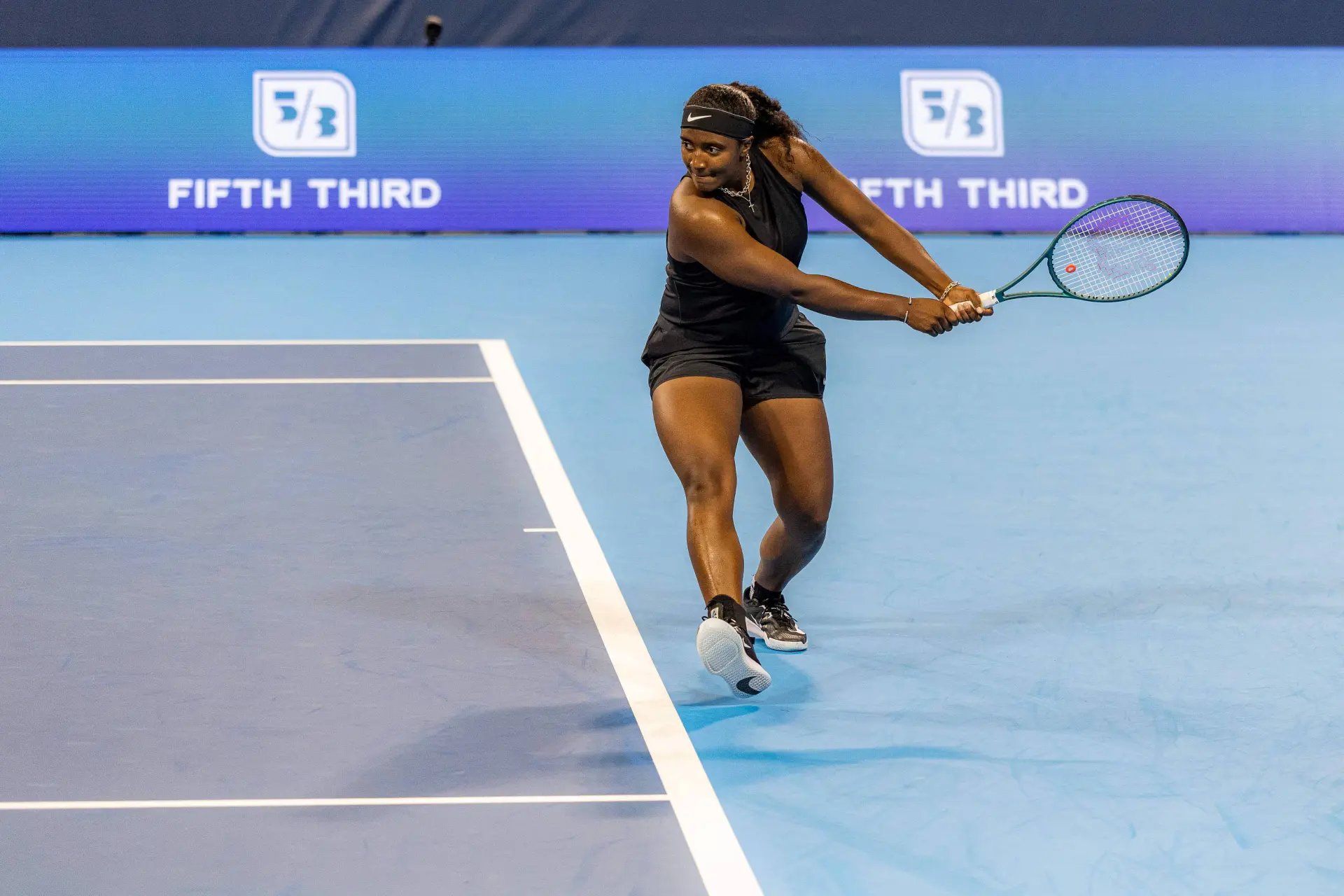
Player frustration and governance gap with Grand Slams
Bencic’s comments reinforced a growing narrative among leading players regarding communication breakdowns with the Grand Slam governing bodies.
Players opted not to give press conferences exceeding 15 minutes – something that has drawn some criticism, given that it directly affects the press, which has little to do with the organisational decisions of the tournament.
“It’s not about punishing the media,” Bencic clarified in front of journalists at Roland-Garros. “We feel as players that we are not being heard. We haven’t had meetings with the Grand Slams, and we simply feel unheard. It’s time to take action.”

Bencic also clarified that the initiative she referred to involves ATP and WTA players acting collectively rather than through a single formal organisation. The emphasis, she said, is on unity among players who share similar concerns about how decisions are made. “We are not being heard. We want the meeting. We believe the Grand Slams are part of the tour and should work together with players.”
Revenue debate, player welfare and decision-making power
A central element of Bencic’s explanation was the distinction between prize money increases and broader revenue distribution models. She argued that external perception often misrepresents the players’ position, reducing the debate to simple financial demands rather than structural equity within the sport’s economic framework.
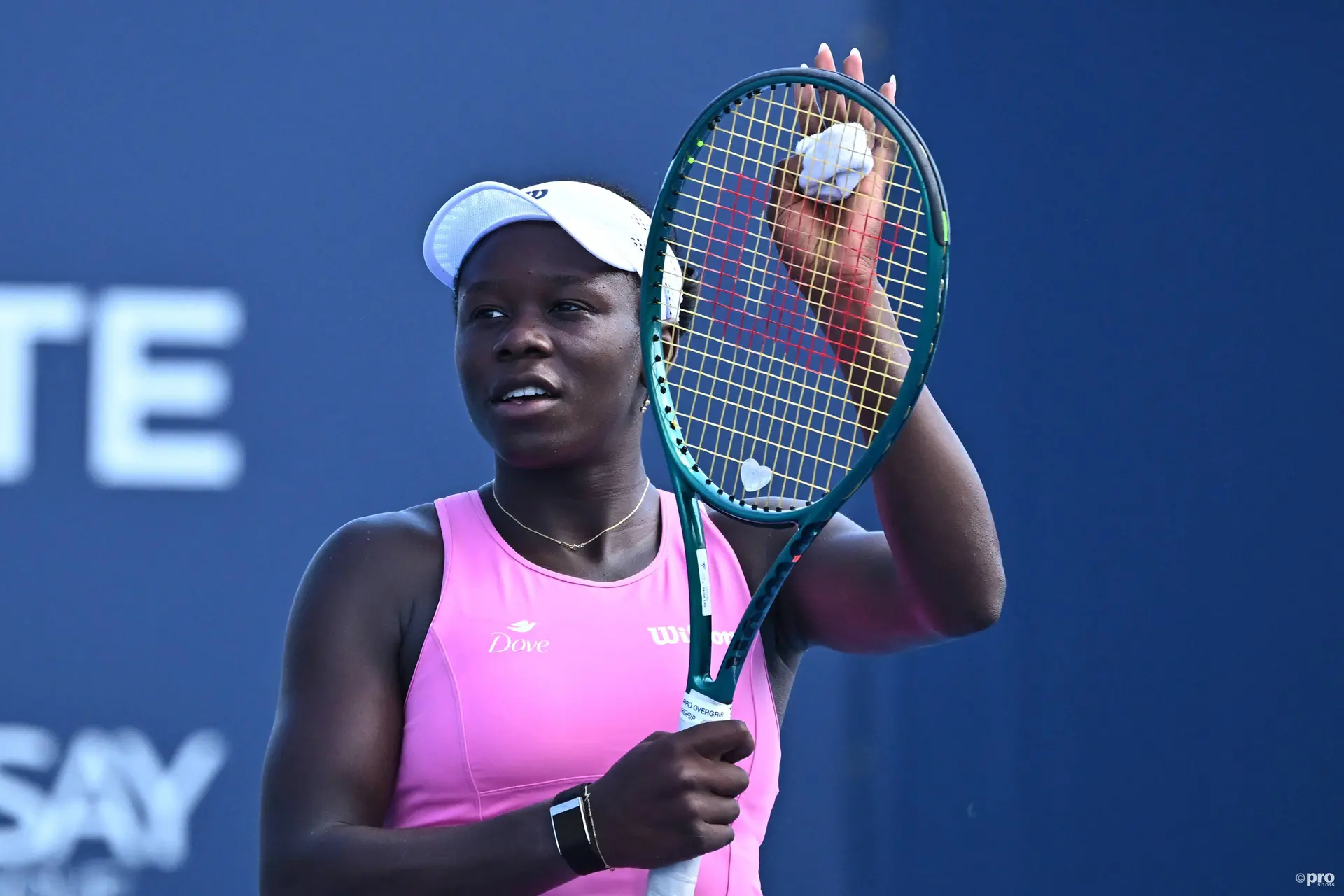
According to Bencic, the key issue is the proportion of revenue allocated to players relative to the commercial scale of the Grand Slams. She also highlighted welfare structures, including pensions and maternity support, as essential components of the discussion.
“We are not just asking for more prize money,” the former world No. 4 added. “We want a fair share of the total revenue. Every time you hear prize money has increased, it sounds great — but the percentage of revenue is actually lower. It’s not only about money. It’s about pensions, maternity funds, and player welfare programmes.”
She further criticised the limited role players have in competitive decision-making, referencing rule changes and scheduling adjustments as areas where consultation is often absent. “We are often not involved in decisions like rule changes. We hear it through the media. We believe the Grand Slams are part of the tour and should work together with players.”
Tour reality, family balance and perspective shift
Away from governance issues, Bencic also addressed her current experience of life on tour, particularly the impact of travelling with her daughter. She described these moments as increasingly central to her professional identity, shaping her perception of the WTA Tour beyond results and rankings.
The Swiss player characterised elite tennis as both an aspirational and demanding environment, acknowledging the dual reality of “living a dream” while managing pressure, travel, and performance expectations across a long season.
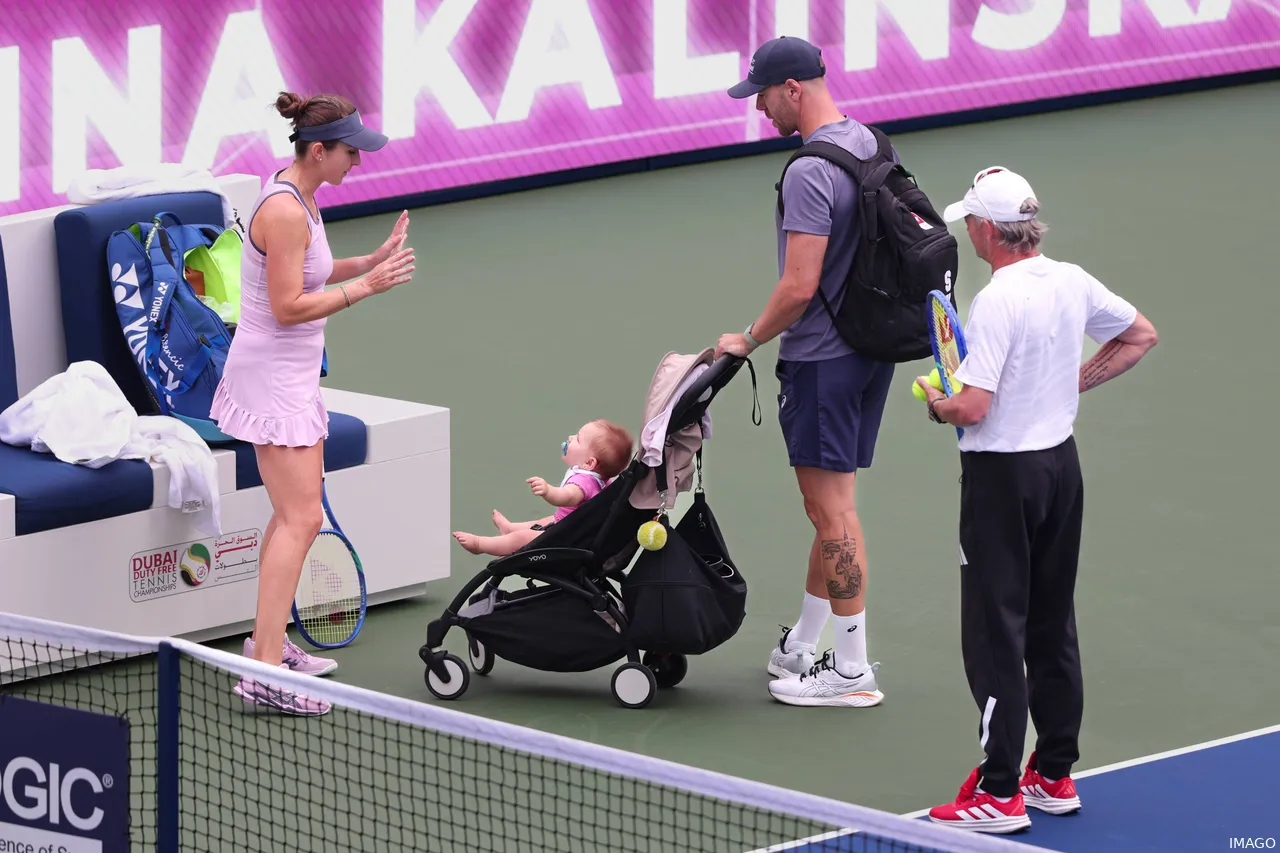
“These are the moments that now define my life on tour," Bencic added. "I’m very grateful she can travel with me and be part of this life. I don’t have to leave her at home anymore, and that means a lot.”
Bencic also reflected on her daughter’s early development, noting rapid language acquisition and behavioural traits typical of early childhood. “Every day she learns something new — she talks a lot and mixes languages. Her first word was ‘No.’ That’s her favorite word.”
Bencic also reflected on the challenges of early childhood development, noting how her daughter is currently mixing languages and becoming increasingly expressive. “Every day she learns something new — she talks a lot and mixes languages. Her first word was ‘No.’ That’s her favorite word.”

Cristhián AvilaTennis Journalist
Cristhián Ávila is a tennis journalist based in Santiago, Chile, and has been part of the TennisUpToDate team since early 2023. He covers the ATP and WTA Tours as well as all four Grand Slams, producing breaking news, match reports, analysis, and regular liveblogs from major tournaments.
His reporting combines statistical analysis with clear explanation, helping readers understand tactical developments, player form, and broader storylines across the tour. Working fluently in both Spanish and English, Cristhián collaborates with an international editorial team and contributes to comprehensive global coverage. As part of his work, he has conducted interviews and media interactions with leading figures in the sport, including Caroline Wozniacki and John McEnroe.
In his journalism, Cristhián places strong emphasis on careful sourcing, editorial accuracy, and updating articles promptly when new, verified information becomes available. His coverage is grounded in research, context, and direct engagement with professional tennis.
claps 0visitors 0
Just In


Popular News
Latest Comments
- Two Things: 1. Stop allowing these Spoiled Trust-Fund Elitists to behave badly. Your little hand-slaps do not deter them. 2. STOP the incessantly annoying "towel wiping" nonsense!!!!
 mandoist15-10-2026
 - A healthy Qinwen may be hard to stop next season. She was already scaring her opponents before her medical leave(s). Unfortunately, Zheng insisted on singing again. On the positive side -- Mirra did not sing!! ;~}mandoist11-10-2026
- Where is it written that athletes, entertainers... People in general... are mandated to keep looking at -- or even using [anti]Social Media? Public & private figures consistently complain and reveal their concerns about negativity and violence thrown at them -- yet they insist on participating. Avoid it, don't use it, don't read it. It's okay to occasionally look up at the World instead beating your eyes & thumbs to death on The Inventions out there.mandoist11-10-2026
- great articlestennisseserver07-10-2026
- Medvedev was leading Djokovic 7-5, 3-5 when an attempted return..' NO you ignorants, Djokovic was leading .weiss05-10-2026
- No more bullshit "Wildcards" to these two. Qualify like everyone else -- there will be cameras there, too. Time to scream... WTF ????!!!!mandoist29-09-2026
- Let's not BS the general public -- Sabalenka started showing cracks in her game last season. Her losses and near-losses started at about the same time she began being distracted by Fame (constant Selfies, making TV commercials, magazine shoots, endless Social Media nonsense, etc., etc.) One would think even Saba could recognize the parallels with others who failed before her -- Raducanu, Giorgi, Bouchard to name a few.mandoist25-09-2026
- Gross!! Hey Raducanu, Giorgi, and Bouchard -- reserve a seat at your Social Media Selfie table for Saba + Naomi. They're heading in your direction soon enough.mandoist24-09-2026
- And then these same players will complain about how lengthy their season’s were and need more time-off. I’m all for more tennis but the amount of tennis we get now is actually kind of crazy! We all need a break, especially the players.DaveyWavey23-09-2026
- You should do a comparison article for "different kinds of justice" the courts decide for tennis players. I can think of at least three players who received very small bans of a few months, however Tara Moore has been fighting for her literal survival the past few years. It seems odd considering she is not a "name" player, unlike the other cases.DaveyWavey22-09-2026

Loading