“I never had normal tennis conditions”: Grigor Dimitrov reflects on injury setbacks after exhibition with Stefanos Tsitsipas
ATP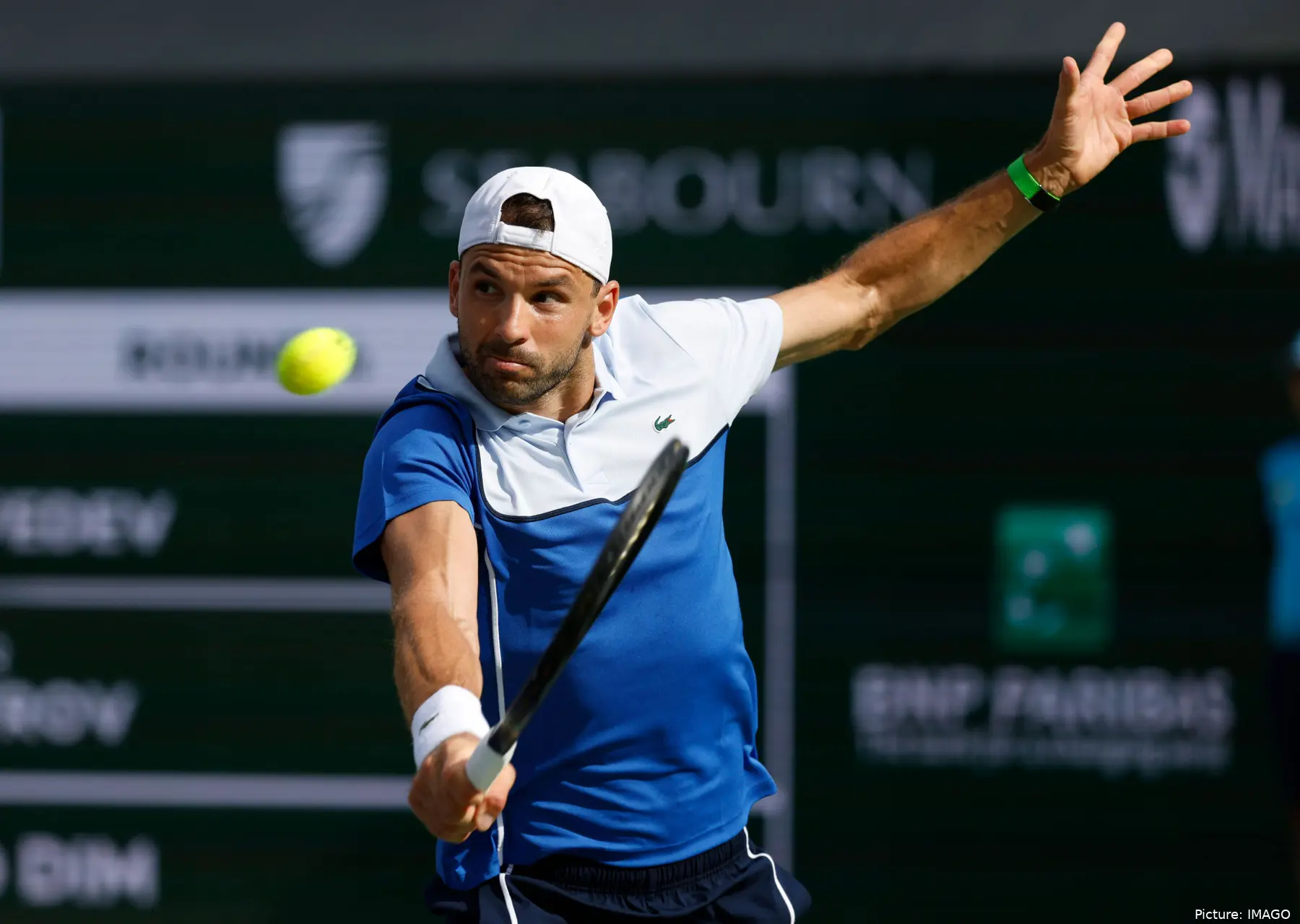
Grigor Dimitrov and Stefanos Tsitsipas shared centre stage in Sofia for an charity exhibition match for "Grigor Dimitrov Foundation" that combined competitive tennis with wider reflections on injury management, scheduling uncertainty, and grass-court season planning.
Dimitrov, who continues to manage interruptions caused by recent physical setbacks, used the post-match setting to outline his immediate focus on recovery and the need to rebuild competitive rhythm ahead of the grass swing.
The Bulgarian defeated Tsitsipas 6-3, 1-6, [10-7] in the showcase event, although the result was secondary to his broader comments on Wimbledon, where his participation remains dependent on a potential wildcard entry into the main draw.
Alongside Tsitsipas, Dimitrov also addressed preparation structure, workload management, and the long-term challenges of returning to full ATP competition after injury-related absences.
Wimbledon uncertainty, grass schedule and injury management
Dimitrov was explicit about the uncertainty surrounding his Wimbledon participation, linking it directly to both his physical condition and external selection decisions. He acknowledged that his current position remains unresolved, with entry depending on whether he receives a wildcard or has to explore alternative routes into the draw.
He framed his immediate schedule around grass-court match play, while accepting that his situation requires flexibility rather than fixed expectations at this stage of the season.

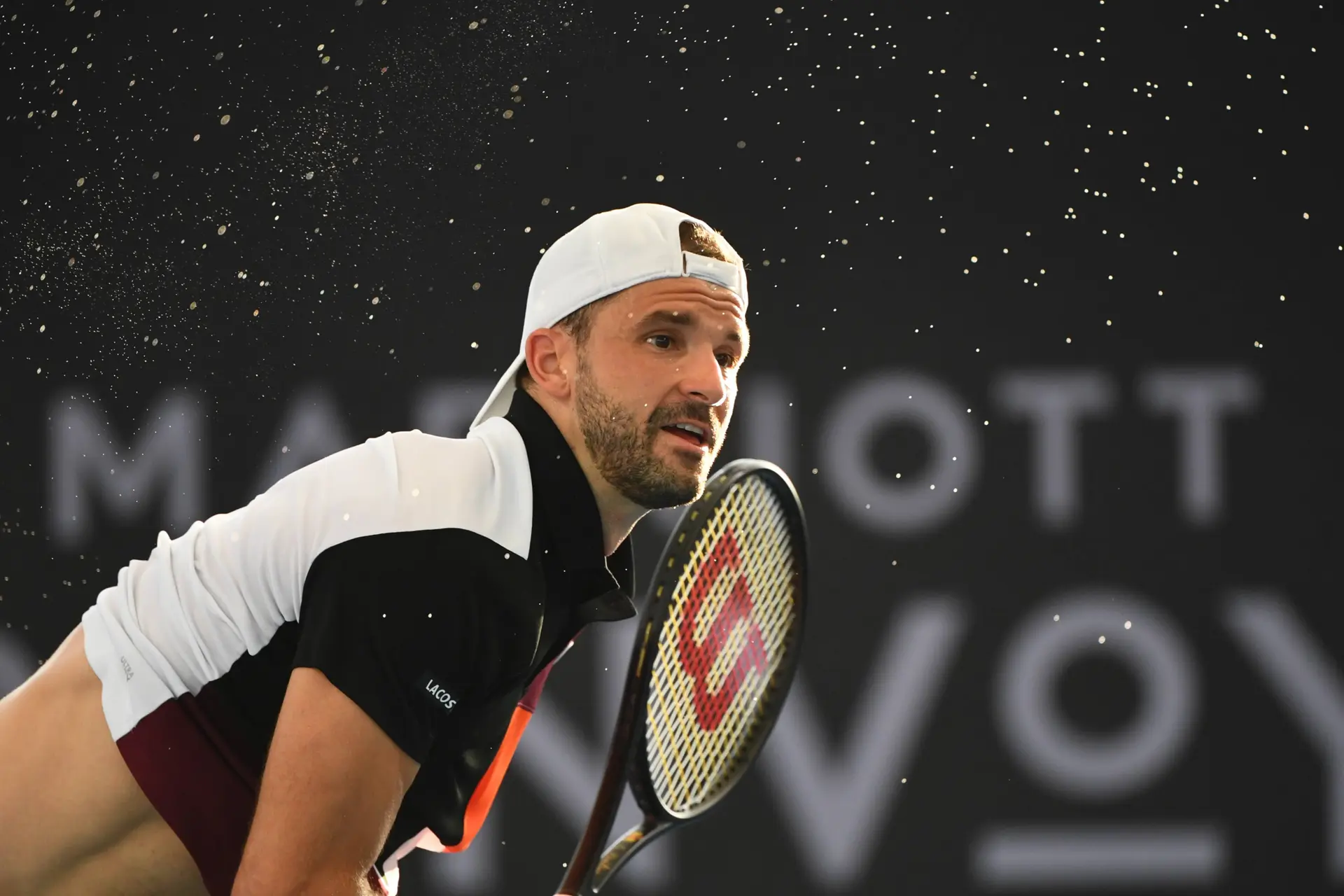
Dimitrov in action
“I will try to play as much as I can on grass,” the former ATP Finals champion said. “That’s my absolute goal right now. I’m playing the Challenger in Dublin next week. It depends a little bit on how Wimbledon is going to go, if I’m going to receive a wild card or not, because this is the situation at the moment.”
Dimitrov added that his approach is centred on continuity rather than forcing results under compromised physical conditions. The priority, he suggested, is remaining competitive enough to justify entry into higher-level events while carefully managing workload after injury interruptions that have disrupted his season rhythm.
Tsitsipas exhibition and recovery-driven priorities
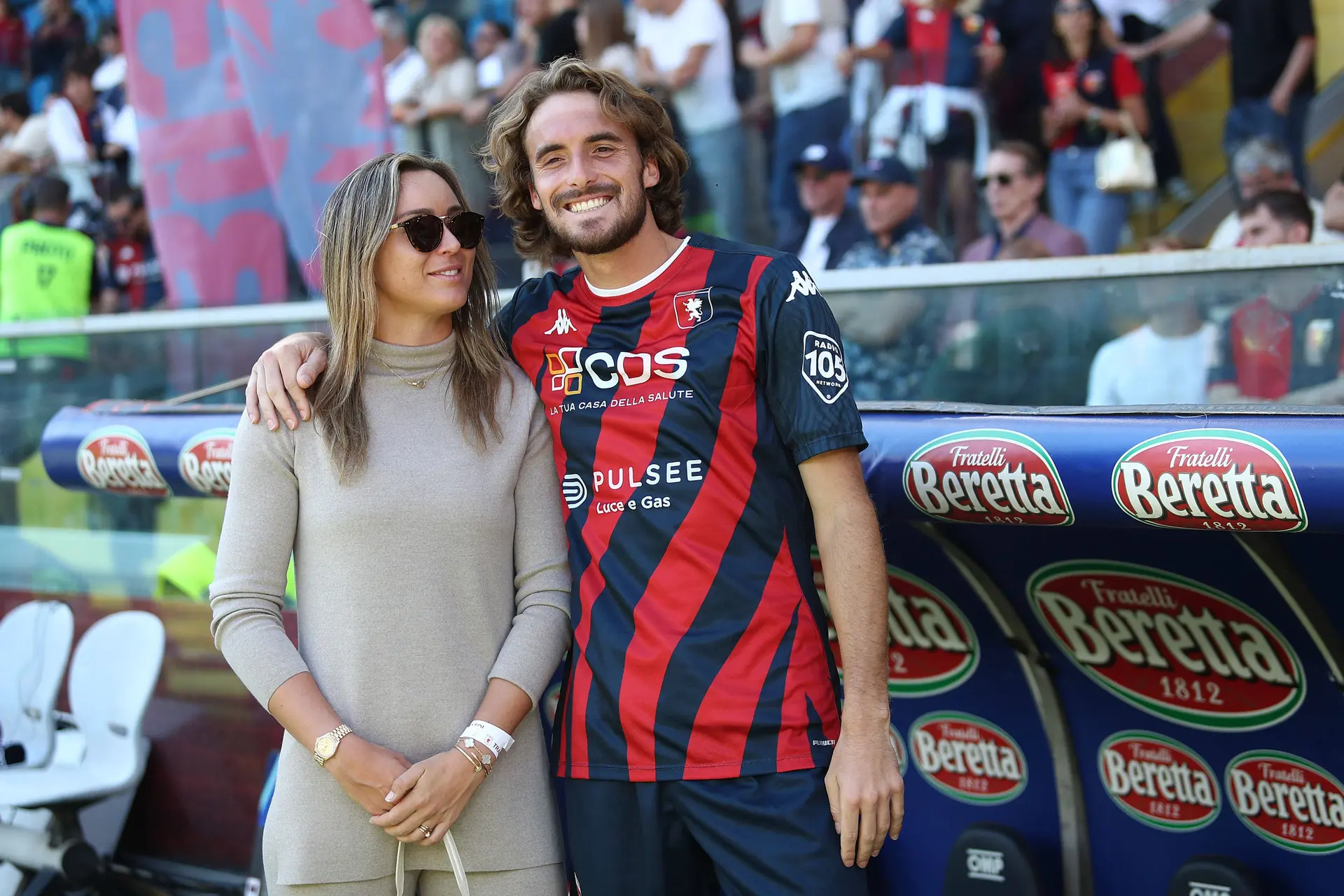
The Sofia exhibition against Tsitsipas functioned as both a competitive appearance and a controlled return environment for Dimitrov, who continues to balance match exposure with recovery constraints following time away from the tour.
While Tsitsipas provided a high-profile opponent, Dimitrov stressed that the event should be understood as part of a broader seasonal transition rather than a conventional competitive benchmark.

The organisation of the match, he said, required significant coordination around physical and scheduling demands. “It took a little time to put everything in order,” he said. “Clearly there’s a lot going on behind the scenes just to structure that, to make sure the timing works with our schedules."
"Physically it’s also very tricky and I would say it’s one of the trickiest things to do. The stars aligned and we made it happen.”
Both players are also navigating ranking pressure points in the background. Dimitrov sits outside the top 150, limiting direct entry options for major events, while Tsitsipas is also operating outside his recent peak ranking range and remains under pressure to stabilise results to avoid deeper drops that would force qualification rounds at Grand Slams.
Read also
Physical-first approach and competitive isolation
Expanding on his preparation philosophy, Dimitrov reiterated that his current framework prioritises physical condition above all other elements. He described this structure as a practical adaptation to injury disruption and the demands of maintaining competitiveness at tour level.
He placed physical readiness ahead of mental and technical considerations, arguing that performance stability is now primarily determined by how the body responds across consecutive weeks of competition.
“Let’s put age aside and focus on how my body feels. If I had to rank the priorities, I would put physical preparation first, mental preparation second, and then everything else follows. That’s my secret right now.”
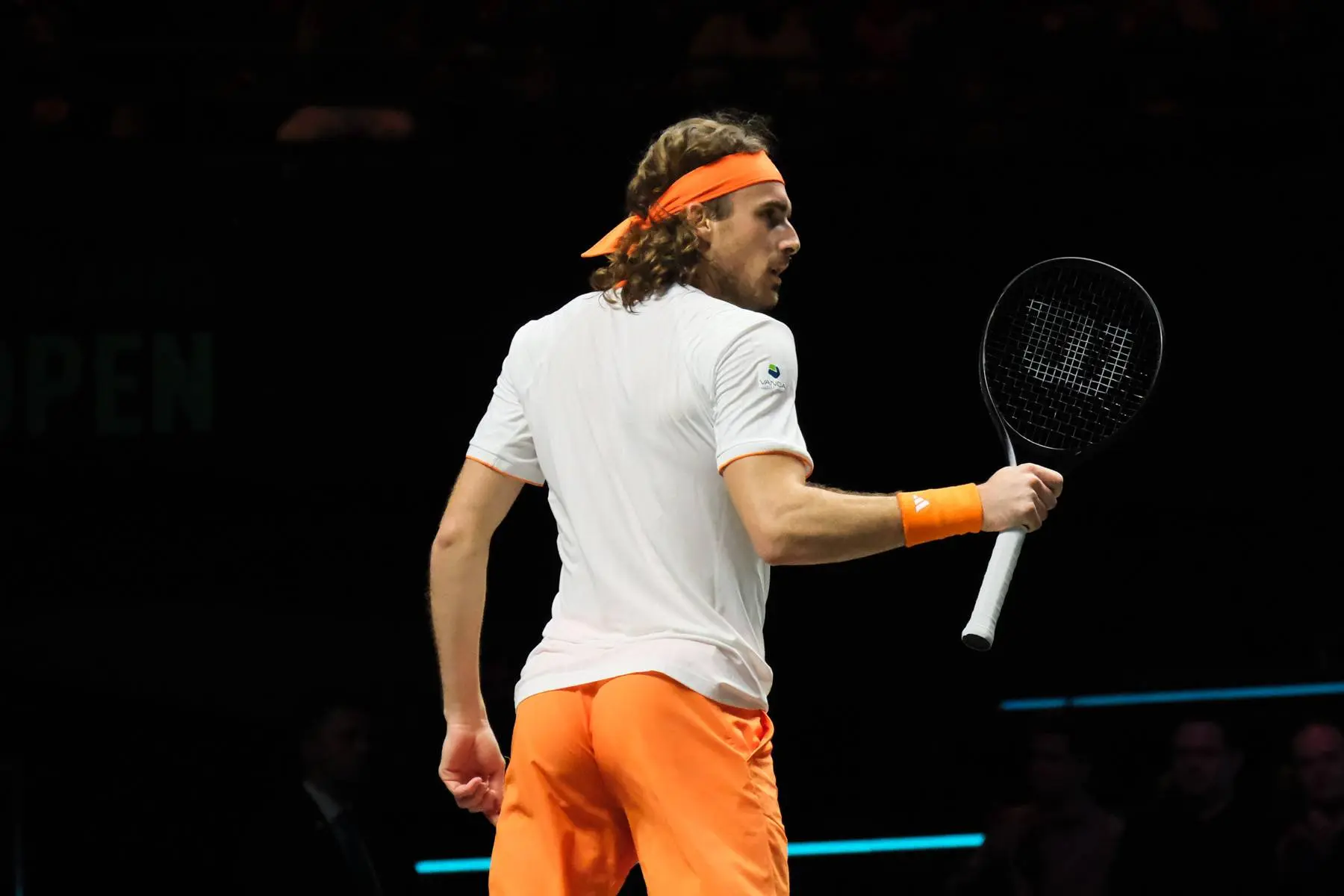
Dimitrov also highlighted the individual nature of tennis, stressing that players must continuously self-adjust in response to form, injury history, and ranking volatility, particularly during return phases.
“We all know how to play tennis, but after injuries and ranking drops it becomes more difficult and more obvious,” the Bulgarian added. “Ultimately you’re alone out there. The focus has to come from you, and you have to recognise your strengths and weaknesses in those moments and work with them in that order. They can change from day to day.”

Cristhián AvilaTennis Journalist
Cristhián Ávila is a tennis journalist based in Santiago, Chile, and has been part of the TennisUpToDate team since early 2023. He covers the ATP and WTA Tours as well as all four Grand Slams, producing breaking news, match reports, analysis, and regular liveblogs from major tournaments.
His reporting combines statistical analysis with clear explanation, helping readers understand tactical developments, player form, and broader storylines across the tour. Working fluently in both Spanish and English, Cristhián collaborates with an international editorial team and contributes to comprehensive global coverage. As part of his work, he has conducted interviews and media interactions with leading figures in the sport, including Caroline Wozniacki and John McEnroe.
In his journalism, Cristhián places strong emphasis on careful sourcing, editorial accuracy, and updating articles promptly when new, verified information becomes available. His coverage is grounded in research, context, and direct engagement with professional tennis.
claps 0visitors 0
Just In

Popular News
Latest Comments
- A healthy Qinwen may be hard to stop next season. She was already scaring her opponents before her medical leave(s). Unfortunately, Zheng insisted on singing again. On the positive side -- Mirra did not sing!! ;~}
 mandoist11-10-2026
 - Where is it written that athletes, entertainers... People in general... are mandated to keep looking at -- or even using [anti]Social Media? Public & private figures consistently complain and reveal their concerns about negativity and violence thrown at them -- yet they insist on participating. Avoid it, don't use it, don't read it. It's okay to occasionally look up at the World instead beating your eyes & thumbs to death on The Inventions out there.mandoist11-10-2026
- great articlestennisseserver07-10-2026
- Medvedev was leading Djokovic 7-5, 3-5 when an attempted return..' NO you ignorants, Djokovic was leading .weiss05-10-2026
- No more bullshit "Wildcards" to these two. Qualify like everyone else -- there will be cameras there, too. Time to scream... WTF ????!!!!mandoist29-09-2026
- Let's not BS the general public -- Sabalenka started showing cracks in her game last season. Her losses and near-losses started at about the same time she began being distracted by Fame (constant Selfies, making TV commercials, magazine shoots, endless Social Media nonsense, etc., etc.) One would think even Saba could recognize the parallels with others who failed before her -- Raducanu, Giorgi, Bouchard to name a few.mandoist25-09-2026
- Gross!! Hey Raducanu, Giorgi, and Bouchard -- reserve a seat at your Social Media Selfie table for Saba + Naomi. They're heading in your direction soon enough.mandoist24-09-2026
- And then these same players will complain about how lengthy their season’s were and need more time-off. I’m all for more tennis but the amount of tennis we get now is actually kind of crazy! We all need a break, especially the players.DaveyWavey23-09-2026
- You should do a comparison article for "different kinds of justice" the courts decide for tennis players. I can think of at least three players who received very small bans of a few months, however Tara Moore has been fighting for her literal survival the past few years. It seems odd considering she is not a "name" player, unlike the other cases.DaveyWavey22-09-2026
- PRIZE MONEY & POINTS Winner - $185,500 Finalist - $114,500 Semi-Finalist - $66,003 Quarter-Finalist - $35,000 Round of 16 - $18,045 Round of 32 - $13,005 Winner - 500 Finalist - 325 Semi-Finalist - 195 Quarter-Finalist - 108 Round of 16 - 60 Round of 32 - 1DaveyWavey20-09-2026

Loading