"Being here just us girls it’s more peaceful": Anna Kalinskaya appreciates return to WTA events amid hustle and bustle of Sunshine Double
WTA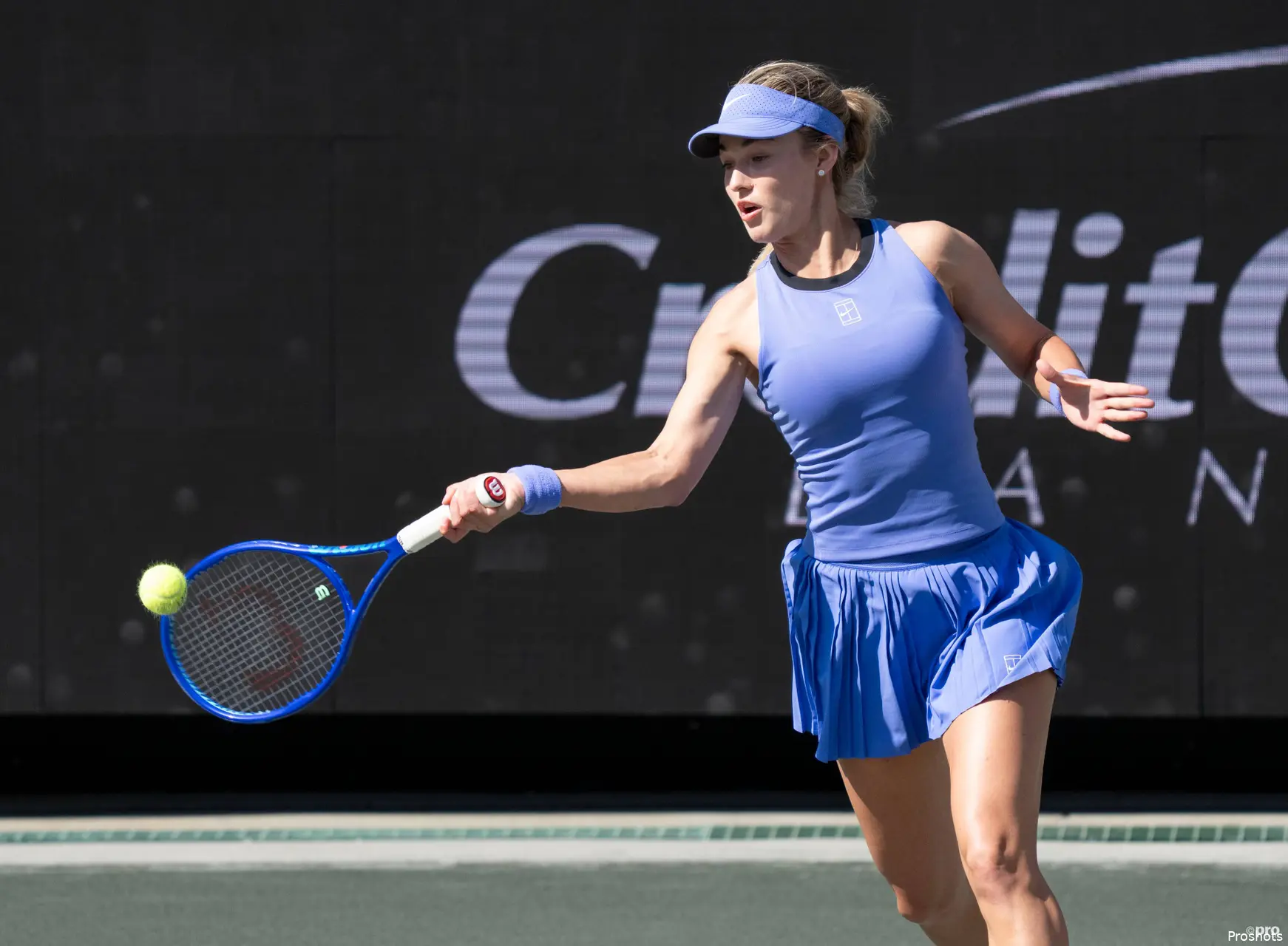
Anna Kalinskaya expressed her satisfaction after opening her campaign in Charleston with a win, highlighting both the challenges of transitioning to clay and the positives she can take into the next round.
“I’m very happy with my win today, especially playing the first match on clay,” she said. “It’s always tricky. I’m happy with my backhand today and looking forward to the next round.”
The shift from hard courts to clay is one of the more demanding adjustments on the tennis calendar, and Kalinskaya acknowledged that movement is the biggest hurdle.
“It’s a different bounce and a different speed of the court,” she explained. “The most challenging part is adjusting the movement.”
Despite the difficulties, she arrived in Charleston with valuable preparation time after an early exit at the Miami Open.
“I had some time because I lost very early in Miami, so I’ve been trying to prepare,” she said.
Read also
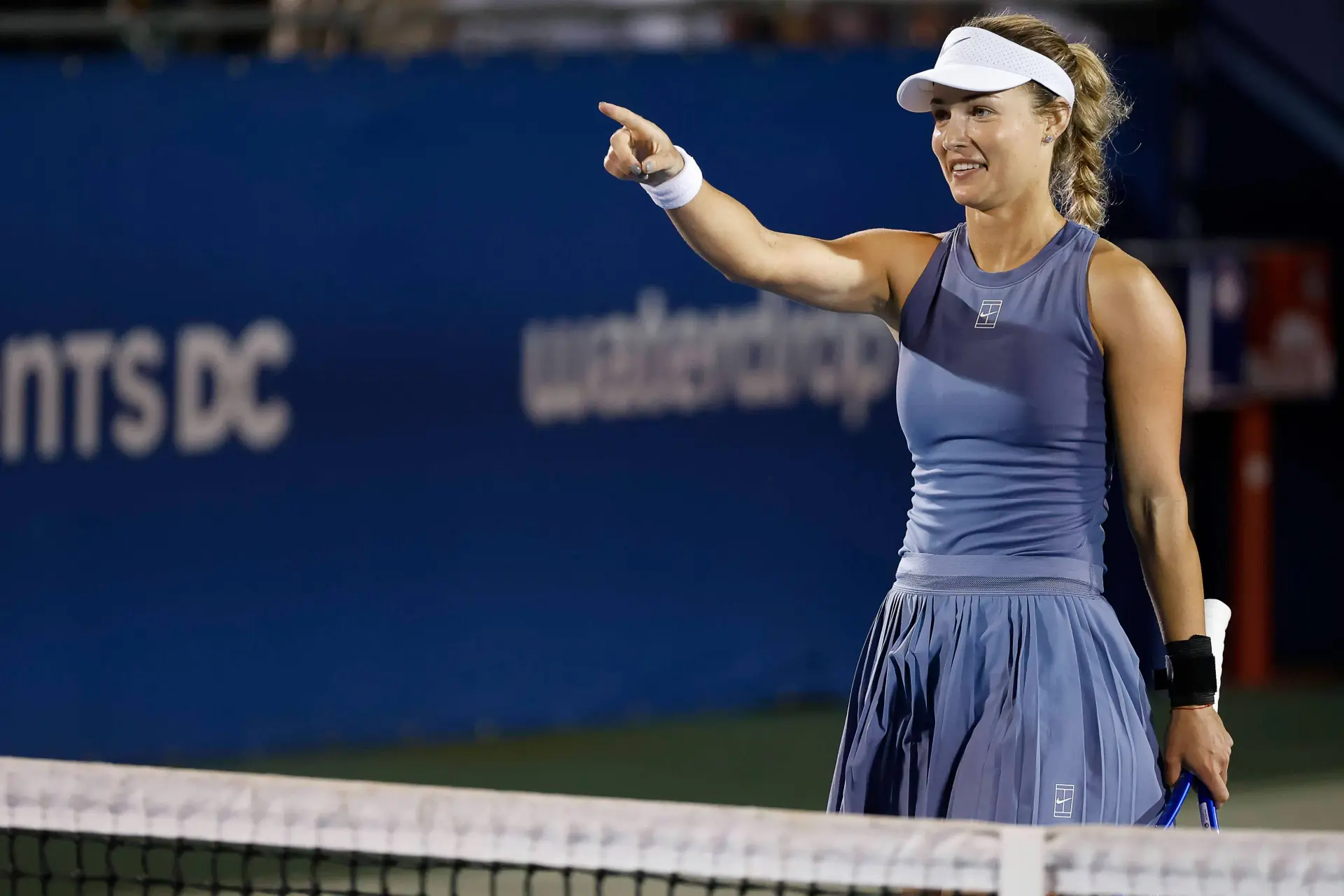
Kalinskaya also had to navigate a tricky opponent in her opening match, noting the challenge of facing someone capable of disrupting rhythm.
“She tries to bring a lot of balls back,” Kalinskaya said. “She used a few drop shots today and tried to change the rhythm of my game, so that’s challenging.”
At one point, the Russian pushed back on a question about a different opponent not involved in the tournament, responding bluntly: “I don’t really get why we have to talk about her now if she’s not in the tournament.”
Enjoying smaller tournaments over 1000's and Grand Slams
Looking more broadly at the tour, Kalinskaya outlined how her approach varies depending on the level of the event, with bigger tournaments requiring a different mindset.
“It’s definitely different coming to big tournaments like 1000s or Grand Slams,” she said. “It’s different preparation and a different focus.”
She added that smaller events can play an important role in building momentum. “Tournaments like 500s or 250s can get you more matches, so you can prepare yourself better for the big and more important ones. Every tournament is different.”
With the clay season now underway, Kalinskaya confirmed that both her training and physical preparation shift to meet the demands of the surface.
“It’s a different game—you have to be more patient, so you practice differently,” she said. “Physically, you need more endurance, more cardio, and you have to be ready for longer rallies.”
Off the court, Kalinskaya welcomed news that the Charleston event has increased prize money to align with ATP levels, even if it’s not something she focuses on closely.
“I didn’t know that. I’m not very focused on prize money,” she admitted. “But it’s great for women’s sport, and hopefully the rest of the tournaments will get inspired and try to improve as well.”
Finally, she spoke warmly about Charleston itself, pointing to the tournament’s relaxed atmosphere as a key reason she enjoys competing there.
“I love the city. The people are very friendly,” she said. “For all the players, it feels very cozy, so you feel less pressure.”
Compared to the scale of recent events, the calmer environment has its benefits.
“Coming from Indian Wells and Miami, where there are so many people, being here—just us girls—it’s more peaceful.”
Anna K presser pic.twitter.com/CMDrUAvFxB
— SandrineKem🇫🇷🇪🇺 (@SandrineK92) April 2, 2026

Samuel GillEditor-in-Chief
Samuel Gill is the Chief Content Officer (CCO) of TennisUpToDate.com, a role he has held since 2020. He is responsible for editorial governance across the platform, including setting content standards, overseeing accuracy and consistency, and guiding long-term editorial strategy. Since joining, he has contributed more than 10,000 articles and editorial pieces across the TennisUpToDate network, playing a central role in the daily operation and development of the site.
Based in Leicester, Samuel has a broad background in tennis media. In his current role, he works closely with editors and writers to ensure coverage meets clear journalistic standards, with particular attention to verification, consistency, and timely updates when new information becomes available.
claps 0visitors 0
Just In

Popular News
Latest Comments
- Does Sinner need that 4.5 mil? I doubt it. He can make that with three modelling gigs!😅🤣Rapunzel21-10-2026
- Did "People Magazine" purchase this website? This nonstop storyline is bullshit.
 mandoist21-10-2026
 - Listen... this is of no concern to anyone but these two. Deal with your own issues -- most of us have our own. Thanks, media, for these insignificant follow-ups which are meaningless.mandoist21-10-2026
- This is so very very sad, for all three of them. I truly thought they had an unbreakable bond, but life throws up so many differing challenges. Having your homeland suffering in such a terrible way, makes happiness lose out to guilt as well. Our thoughts are with them. X💔bjsexton20-10-2026
- I have lost all respect for Svitolina! Could she not have waited until he had played at the Paris Masters!!! She is selfish and don't give a damn about Gael. That is NOT how love is demonstrated Elina!!Rapunzel19-10-2026
- Perhaps convenient tennis tour sex is not a strong enough experience in which to base a marriage?mandoist19-10-2026
- Fight the Good Fight... Tennis (sports in general) need more Humans such as yourself.mandoist18-10-2026
- When is WTA going to mandate Genetic Testing (DNA) ???mandoist18-10-2026
- Hey, Dan... you just wake up from a coma? Regardless -- Thanks for the comedy this morning!mandoist18-10-2026
- Two Things: 1. Stop allowing these Spoiled Trust-Fund Elitists to behave badly. Your little hand-slaps do not deter them. 2. STOP the incessantly annoying "towel wiping" nonsense!!!!mandoist15-10-2026

Loading