“Everyone expects you to win everything”: Jelena Ostapenko on pressure after 2017 French Open title
WTA
The 2017 French Open champion Jelena Ostapenko recalled her achievement from nine years ago, when, as just a teenager, she created one of the biggest stories on the WTA Tour at that time.
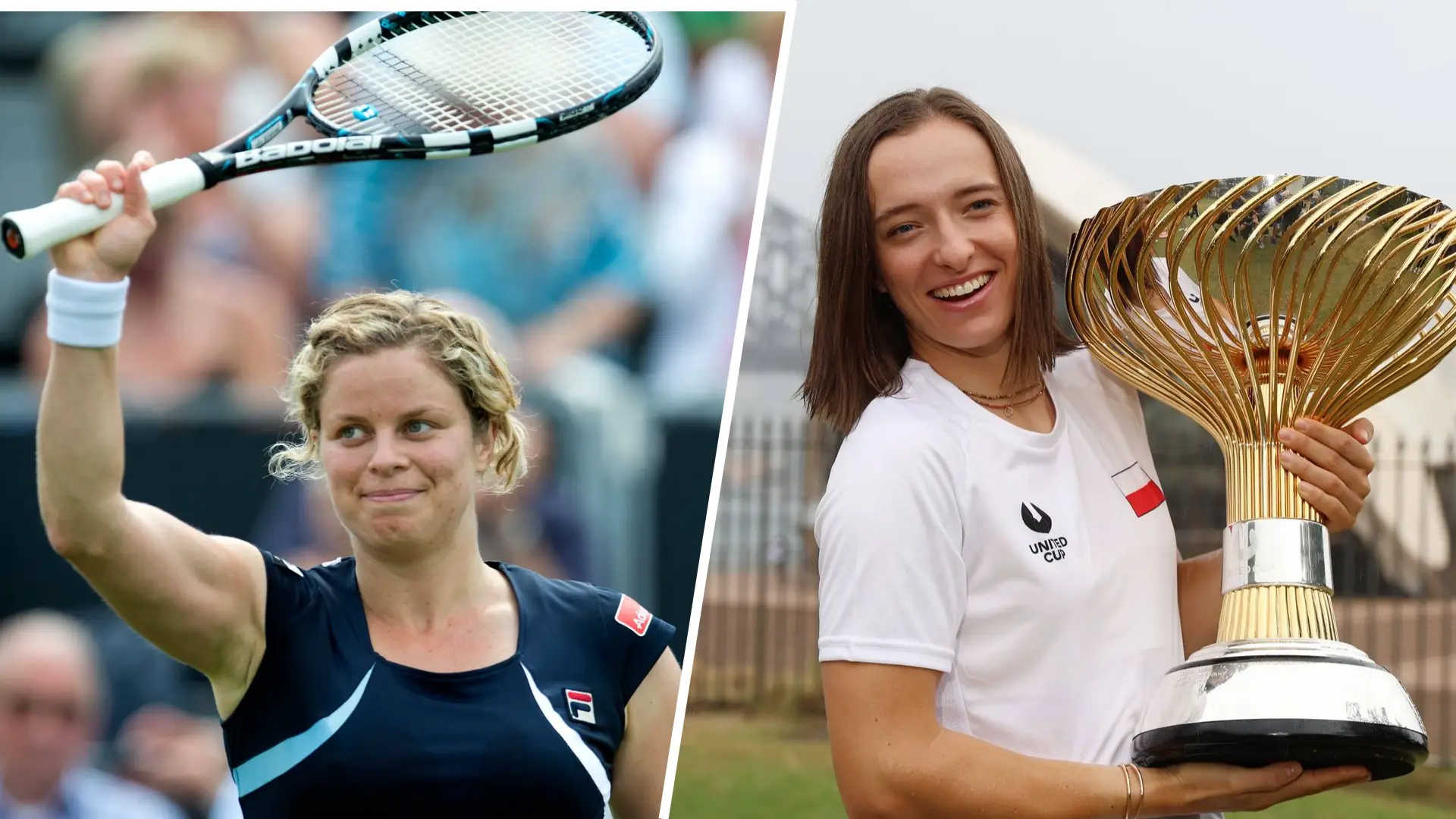
The Latvian, on that occasion, won her first title and became the youngest woman to win the French Open trophy since 1997. She was also the first Latvian player to win a Grand Slam and the first unseeded player to win the title since Kim Clijsters at the 2009 US Open.
Expectations quickly grew around the Latvian, who, with an aggressive baseline game, surprised high-ranked opponents on her way to the title, including Samantha Stosur and Caroline Wozniacki, before defeating Romania’s Simona Halep in the final.
From that breakthrough campaign that catapulted Ostapenko into the spotlight, nine years will soon have passed. “That’s crazy,” the former world No. 5 said about the years that have gone by since her achievement. “Time flies so fast. It feels like it was just a few years ago, but it’s already been a while.”
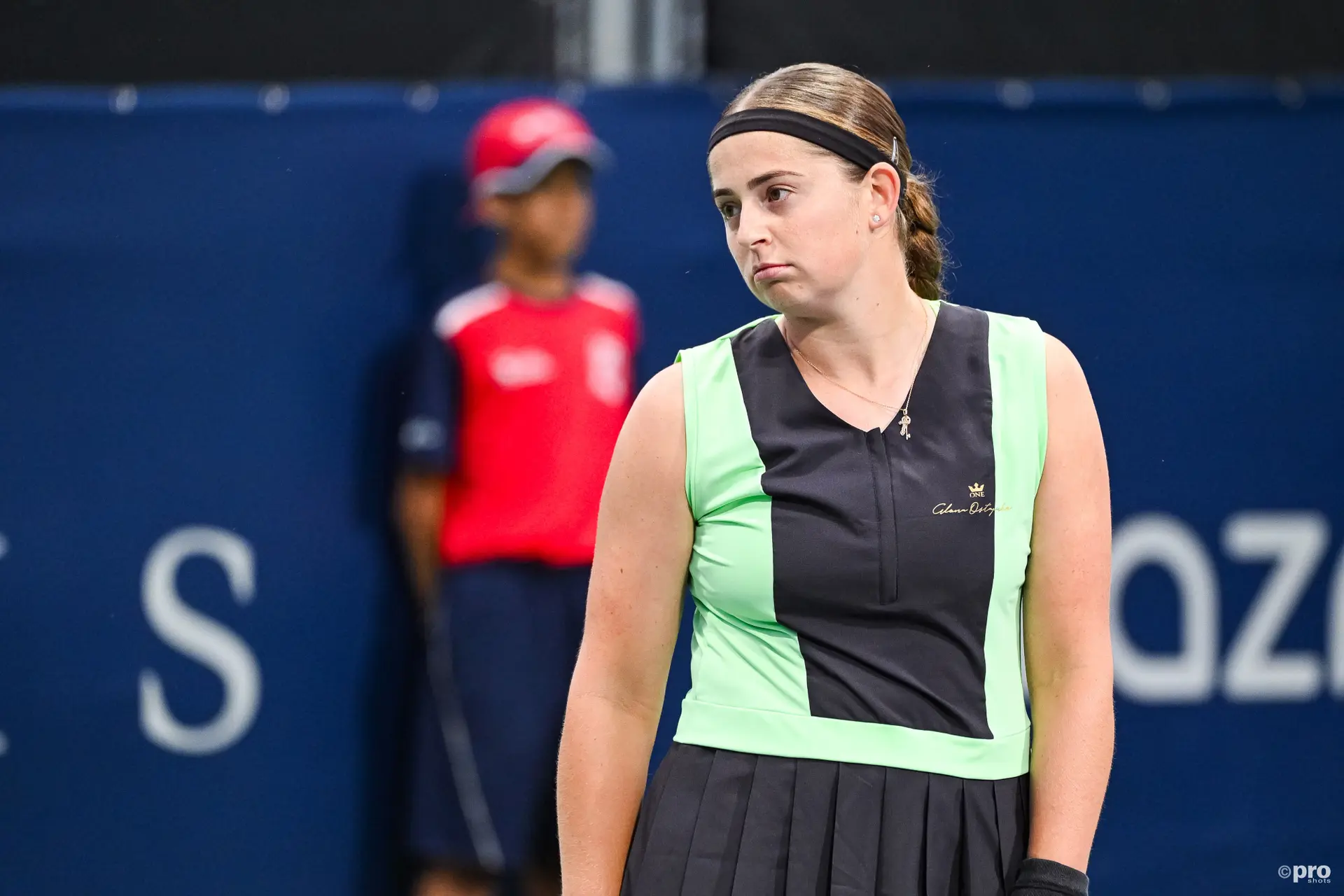
Roland Garros legacy and career after 2017
Since Ostapenko’s 2017 French Open title, she has not consistently delivered in Grand Slam tournaments, with her best results being the Wimbledon semifinals one year later and a handful of quarterfinals. However, at Roland Garros she has never again reached the second week in her following eight appearances.
From a teenager expected to become one of the dominant players on tour, Ostapenko established herself as a top-level player, and to date has won nine titles — five of them at WTA 500 level — as well as nine additional finals, three of them at WTA 1000 level.

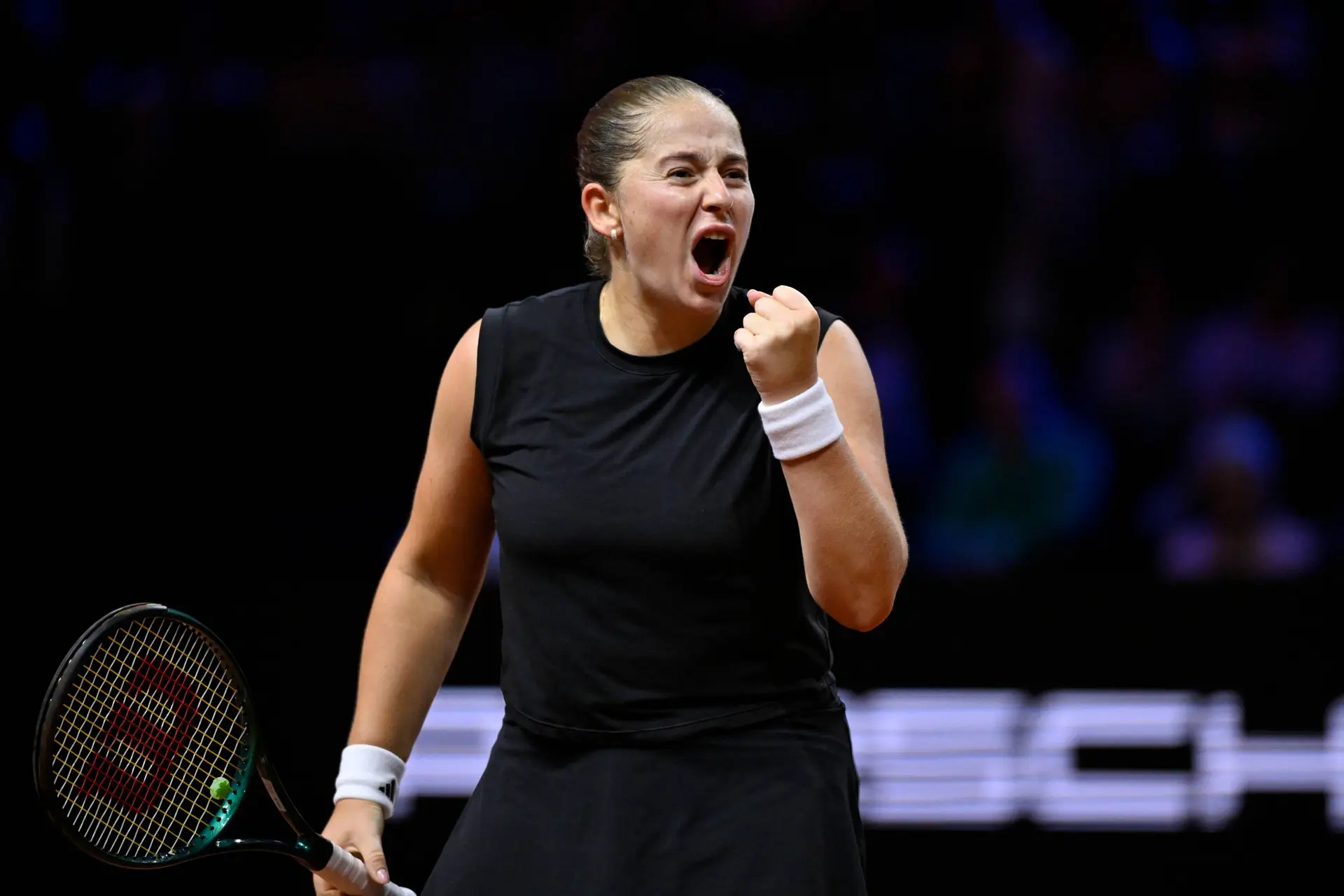
The player herself acknowledged in an interview with Tennis Channel that success came too early in her career. “I feel like it took me a long time to adapt because everything changed. I don’t know exactly what I would say, but I wish I had handled it better when I was younger. I think if I had won a Grand Slam a few years later, I would have handled it much better than I did at 19. It was very early for me.”
“My whole life changed,” added the 28-year-old player. “Everyone expects you to win every tournament and every match. The attention is nice on one side, but on the other, you still have to practice and maintain your level. I felt a lot of pressure from everywhere.”
Next challenge: Amanda Anisimova
The Latvian has previously shown that conditions in Rome suit her game well. She holds a 17–10 record at the tournament, including a semifinal appearance and three quarterfinal runs. Her debut this time was a dominant victory over Lucrezia Stefanini in under an hour, 6–0, 6–1, sending her into the second round.
Now the challenge will be tougher against one of the seeds: 6th seed Amanda Anisimova, in a big-hitting duel that will take place at the Foro Italico. “She’s a great player and has been playing very well,” said Ostapenko about her next opponent. “We’ve played a few times, so we know each other. We have a similar game, I think, so it’s going to be a great match. I’m looking forward to it.”
They have two previous meetings, with one win each, both at the Doha Open. Their most recent clash was the 2025 Doha final, where Anisimova won 6–4, 6–3 to claim her first WTA 1000 title. This will be Ostapenko’s chance for revenge, with added urgency to collect ranking points if she wants to avoid a drop outside the top 40.

Cristhián AvilaTennis Journalist
Cristhián Ávila is a tennis journalist based in Santiago, Chile, and has been part of the TennisUpToDate team since early 2023. He covers the ATP and WTA Tours as well as all four Grand Slams, producing breaking news, match reports, analysis, and regular liveblogs from major tournaments.
His reporting combines statistical analysis with clear explanation, helping readers understand tactical developments, player form, and broader storylines across the tour. Working fluently in both Spanish and English, Cristhián collaborates with an international editorial team and contributes to comprehensive global coverage. As part of his work, he has conducted interviews and media interactions with leading figures in the sport, including Caroline Wozniacki and John McEnroe.
In his journalism, Cristhián places strong emphasis on careful sourcing, editorial accuracy, and updating articles promptly when new, verified information becomes available. His coverage is grounded in research, context, and direct engagement with professional tennis.
claps 0visitors 0
Just In

Popular News
Latest Comments
- Does Sinner need that 4.5 mil? I doubt it. He can make that with three modelling gigs!😅🤣Rapunzel21-10-2026
- Did "People Magazine" purchase this website? This nonstop storyline is bullshit.
 mandoist21-10-2026
 - Listen... this is of no concern to anyone but these two. Deal with your own issues -- most of us have our own. Thanks, media, for these insignificant follow-ups which are meaningless.mandoist21-10-2026
- This is so very very sad, for all three of them. I truly thought they had an unbreakable bond, but life throws up so many differing challenges. Having your homeland suffering in such a terrible way, makes happiness lose out to guilt as well. Our thoughts are with them. X💔bjsexton20-10-2026
- I have lost all respect for Svitolina! Could she not have waited until he had played at the Paris Masters!!! She is selfish and don't give a damn about Gael. That is NOT how love is demonstrated Elina!!Rapunzel19-10-2026
- Perhaps convenient tennis tour sex is not a strong enough experience in which to base a marriage?mandoist19-10-2026
- Fight the Good Fight... Tennis (sports in general) need more Humans such as yourself.mandoist18-10-2026
- When is WTA going to mandate Genetic Testing (DNA) ???mandoist18-10-2026
- Hey, Dan... you just wake up from a coma? Regardless -- Thanks for the comedy this morning!mandoist18-10-2026
- Two Things: 1. Stop allowing these Spoiled Trust-Fund Elitists to behave badly. Your little hand-slaps do not deter them. 2. STOP the incessantly annoying "towel wiping" nonsense!!!!mandoist15-10-2026

Loading