“I knew I could move better on clay”: Shnaider highlights surface edge after defeating Aryna Sabalenka at Roland Garros
WTA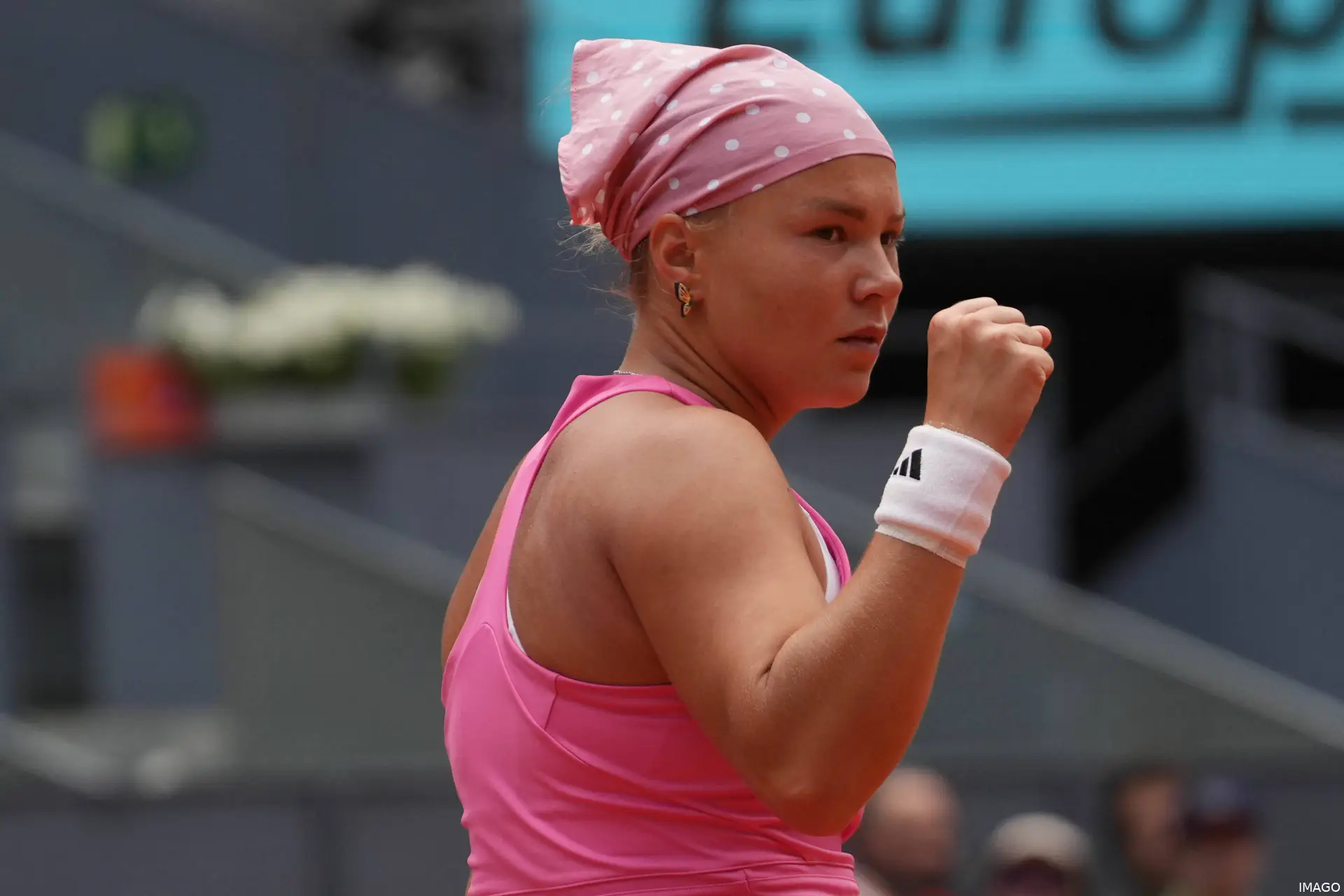
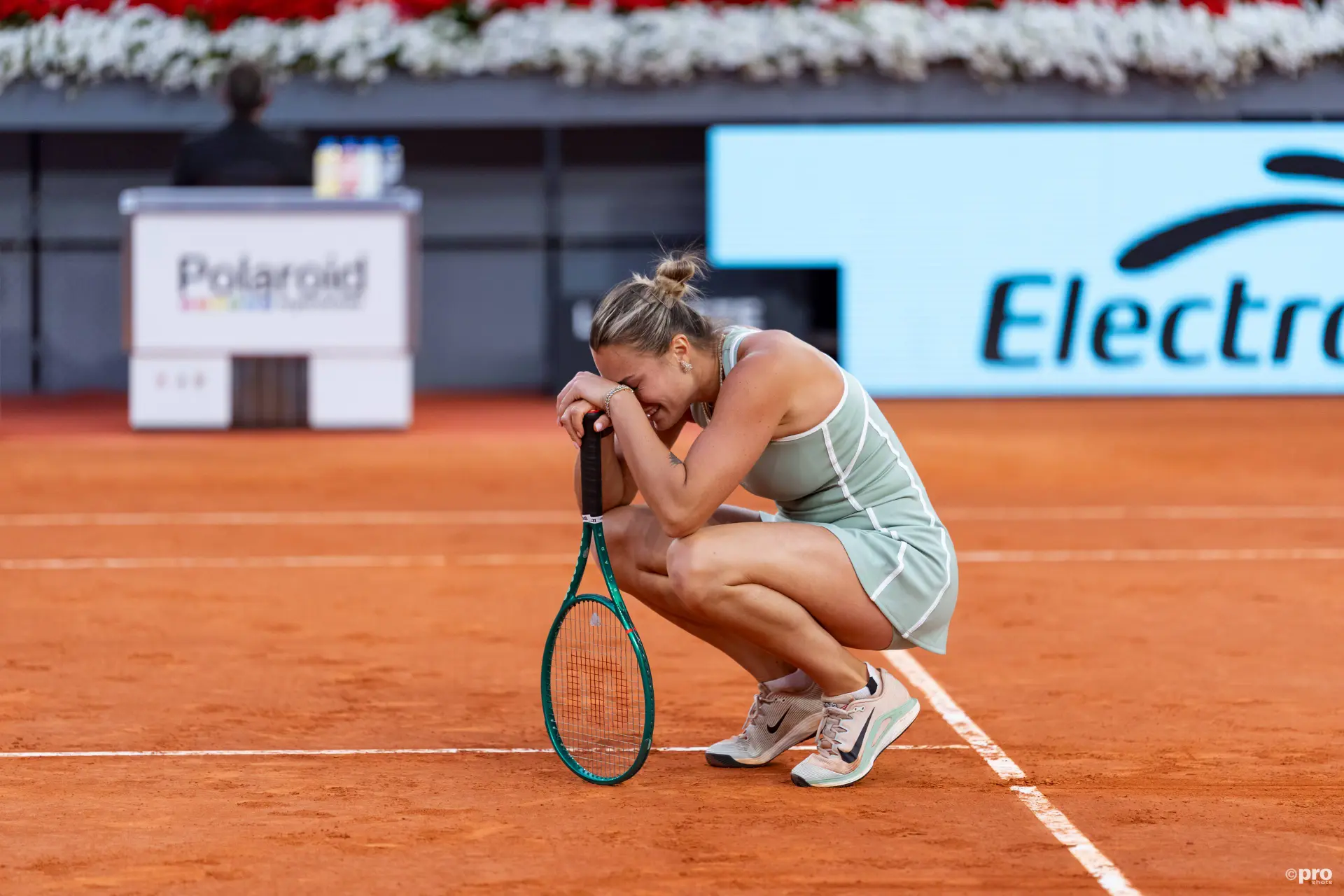
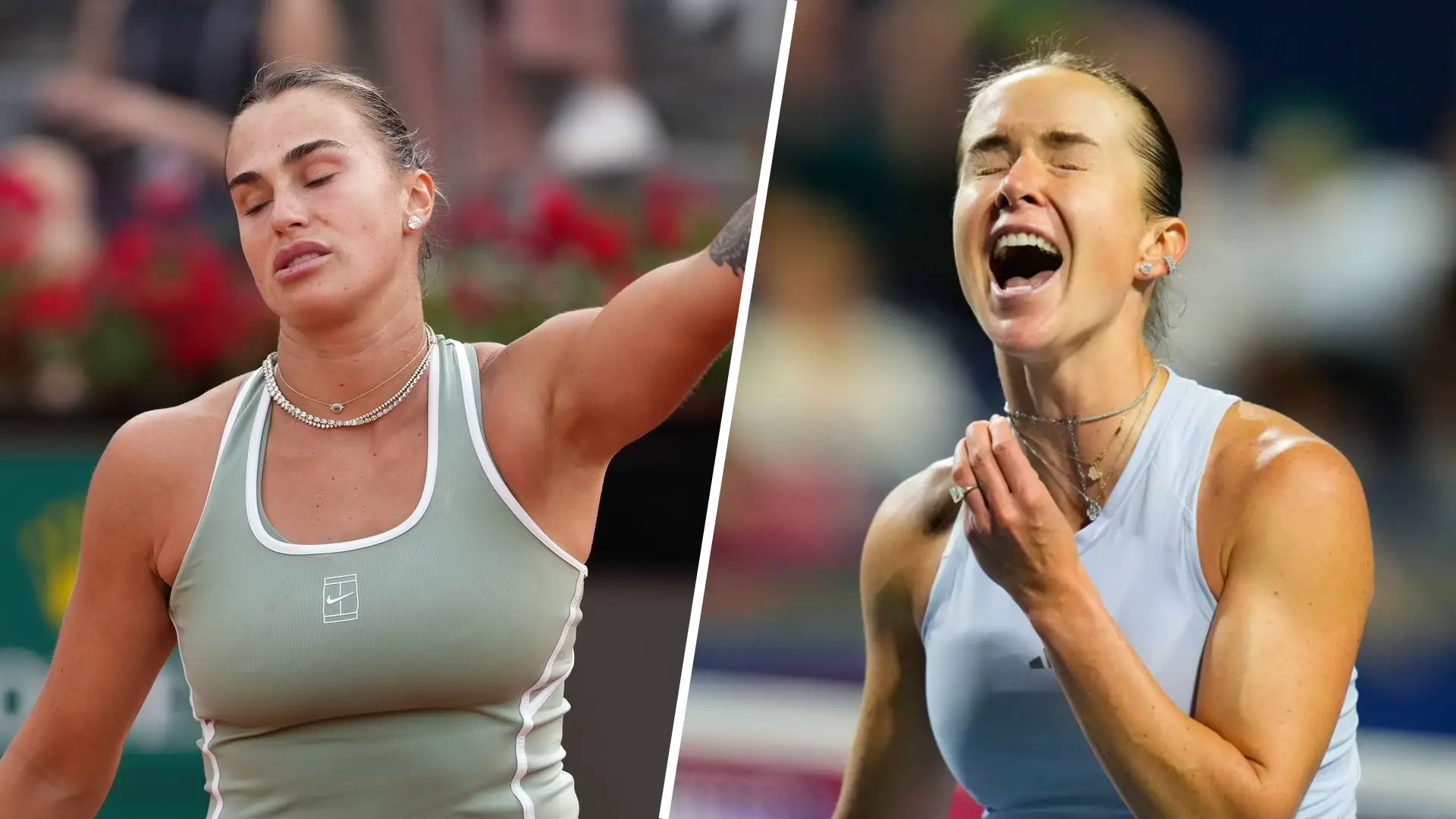
Diana Shnaider referred to Aryna Sabalenka’s visible emotional reactions as a defining element of how the match unfolded at Roland Garros, in a contest that ultimately became the biggest win of her career. The World No.25 framed those moments not as distraction, but as part of her reading of the momentum shift on Court Philippe-Chatrier.
The Russian described her approach as increasingly focused on internal control as the match progressed, particularly in a second set where she faced two breaks of deficit and appeared close to defeat before reversing the situation. That adjustment came in parallel with Sabalenka losing stability in key phases of the encounter.
The final scoreline, 3-6, 7-5, 6-0, reflected a complete turnaround after Shnaider had been under sustained pressure from the World No.1, who had dictated large sections of the opening part of the match. The comeback was completed through a run of ten consecutive games that closed the contest decisively.
Sabalenka’s level dropped sharply in the closing stages of the match after a competitive start, ending her bid for a first Roland-Garros title and marking one of the most abrupt reversals of momentum in this stage of the tournament.
Read also
Tactical shift and momentum reversal
The turning point of the match came when Shnaider abandoned extended patterns of variety and instead committed to a more direct, aggressive baseline approach. Trailing 5-3 in the second set and struggling against wind conditions, she identified the need for structural change in her shot selection.
“I feel like at 5-3, I was in opposite side from the coaches' boxes. I was playing against the wind and then Aryna putting pressure,” the former world No. 11 said at press conference. “I was like, I got to think of something different because I was trying to go for like more variety, you know, trying to put more spin, like the slices. So it didn't work.”

Diana Shnaider at Gazprom exhibition
She described the adjustment as a conscious decision to increase first-strike tennis and reduce passive exchanges, particularly against Sabalenka’s depth and pace. “I was like, you know, like 5-3, whatever. I have to change something up now. And I feel like I kind of like just had a relief where I was like, I got to go for my shots.
“I have to be more aggressive. I got to step in because she's pushing me too much back and just winning those short rallies.”
That tactical reset coincided with a noticeable increase in Sabalenka’s unforced error count, allowing Shnaider to level the match and seize psychological control heading into the third set.
Conditions, composure and collapse of world No.1
The match was played in difficult, wind-heavy conditions that significantly affected timing and movement on Court Philippe-Chatrier. Shnaider noted the unpredictability of the surface, including dust and wind gusts that disrupted sliding on clay and altered shot trajectories.
“The conditions were very tough. It was a lot of some dirty shots. Very unpredictable. A lot of wind, a lot of sand. But I was just, you know, I feel like I was a little annoyed more in the first set.
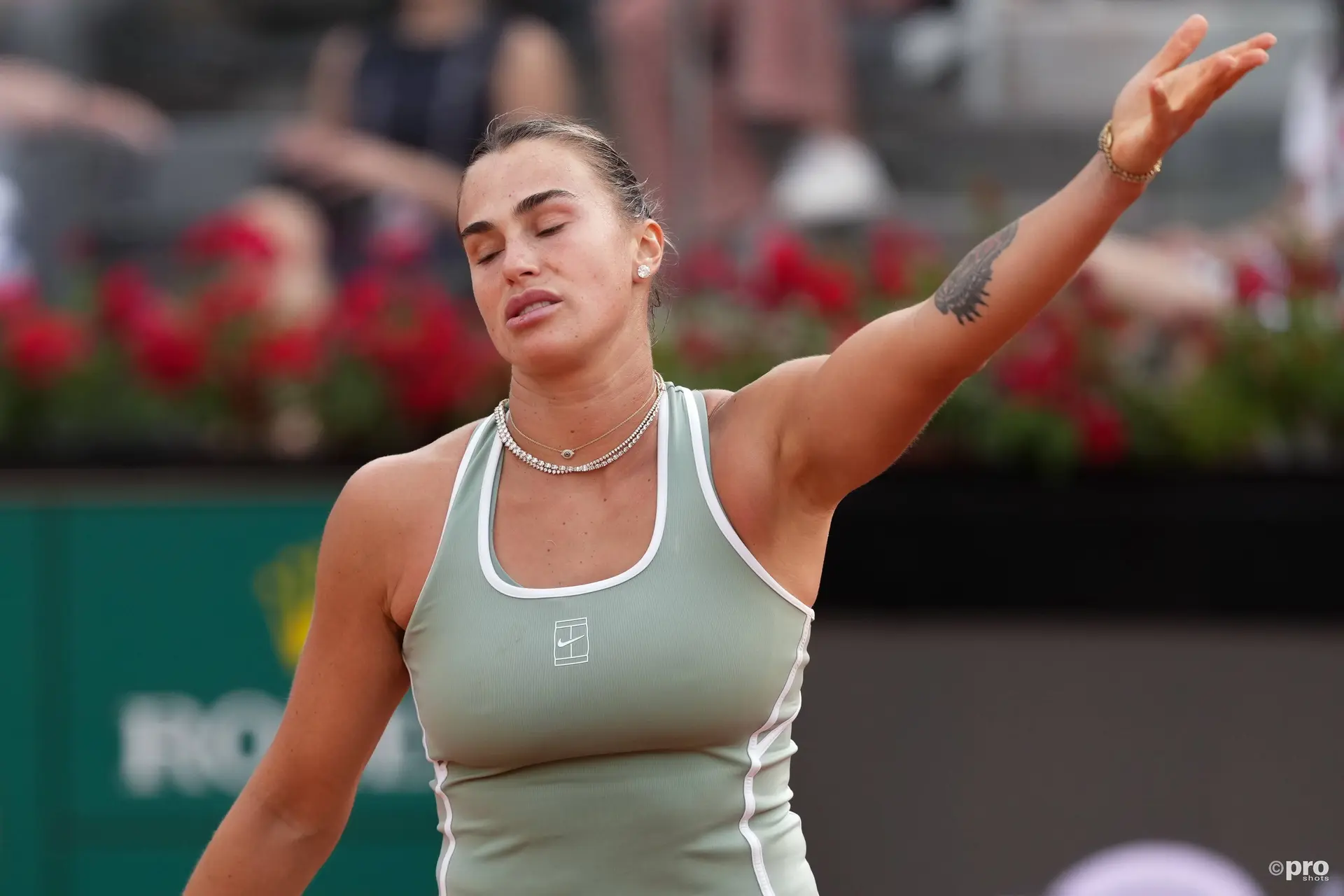
Despite the disruption, she stressed the importance of maintaining focus on controllable factors rather than external conditions or opponent reactions. Sabalenka, meanwhile, appeared increasingly frustrated as the match progressed and momentum shifted.
“I just tried to keep reminding myself that it's the same conditions for both of us. Like, I gotta just admit that it's tough. And I just need to figure out what I have to do. Like, where the wind is going. What should I do from this side? What should I do from the opposite side?”
Aryna Sabalenka wasn't happy with her box during her quarter-final loss at Roland Garros... pic.twitter.com/a1imjzGRxt
— TNT Sports (@tntsports) June 3, 2026
As Sabalenka’s level declined, Shnaider maintained a narrow emotional focus on execution rather than opponent behaviour. She explicitly referenced remaining centred on her own decision-making process, point by point, as the match destabilised.
“For sure, there were a lot of moments where I could be also super pissed at myself and super frustrated with everything that was happening. But again, I feel like when I saw her being emotional, I was like, yes, you’re in the right direction.”
“You’ve got to stay. You just focus on yourself. Don’t focus too much on her, what she’s talking to her team or whatever she’s doing. I was just trying to only think about myself, what I have to do, and just go point by point.”

Cristhián AvilaTennis Journalist
Cristhián Ávila is a tennis journalist based in Santiago, Chile, and has been part of the TennisUpToDate team since early 2023. He covers the ATP and WTA Tours as well as all four Grand Slams, producing breaking news, match reports, analysis, and regular liveblogs from major tournaments.
His reporting combines statistical analysis with clear explanation, helping readers understand tactical developments, player form, and broader storylines across the tour. Working fluently in both Spanish and English, Cristhián collaborates with an international editorial team and contributes to comprehensive global coverage. As part of his work, he has conducted interviews and media interactions with leading figures in the sport, including Caroline Wozniacki and John McEnroe.
In his journalism, Cristhián places strong emphasis on careful sourcing, editorial accuracy, and updating articles promptly when new, verified information becomes available. His coverage is grounded in research, context, and direct engagement with professional tennis.
claps 0visitors 0
Just In
Popular News
Latest Comments
- Was Saba not paying attention to those who sought an inordinate amount of attention outside of their sport (occupation)... and to the point they lost their focus and eventually their place in tennis? For example: Giorgi, Bouchard, Raducanu, etc. They became infatuated with endless Selfies, videos, podcasts, TV commercials, magazine shoots, and so on. Thus their tennis suffered. Priorities are important.
 mandoist14-11-2026
- I, like writer of this wonderful article, also picked Noskova to win this entire thing. I would love it if she and Andreeva are in the final.Rapunzel12-11-2026
- "Priorities", Saba... spend less time in front of cameras, anti-Social Media, selfies and back to Tennis.mandoist12-11-2026
- Tell this to Andreeva!mandoist12-11-2026
- Andreeva with 11 games in a row to add to Saba's downward spiral issue !!! Personal feelings aside... Jess Pegula may want to reassess her evaluation of Mirra's abilities.mandoist12-11-2026
- I predicted whenthe list was finalised that Linda Noskova would win the WTA Finals and her matches against Gauff and Kostyuk prove that. She is the best (underrated) player in the world!Rapunzel11-11-2026
- Either Lena has a chronic internal ailment (i.e., colitis, enteritis, Crohn's, or some type of lower abdomen issue) -- or she is once again dealing with 'Vukovitis'. Mental stress can indeed cause lower body pains. No matter... whatever is truly going on sucks. "Virus" excuse is getting a bit old -- and often -- at this point.mandoist09-11-2026
- Ironically, Martina became a U.S. Citizen about the same time as the Orange Convicted Felon & Abuser was just beginning on his road to losing all Daddy's Millions!!mandoist09-11-2026
- "Another fresh start is in the cards." Thanks for the Humor!! I'm guessing this is the minimum one can do to keep all your sponsors hanging-on in perpetuity?mandoist09-11-2026
- Vukov is doing this to Lena... AGAIN!!!!! WTA's autonomous collective should be dismantled for allowing Vukov to re-emerge from his hand-slapping suspension. Just ask WTA employees how that's been going lately as they witness his continued verbal abuses. Women's Pro Tennis should start over.mandoist08-11-2026
