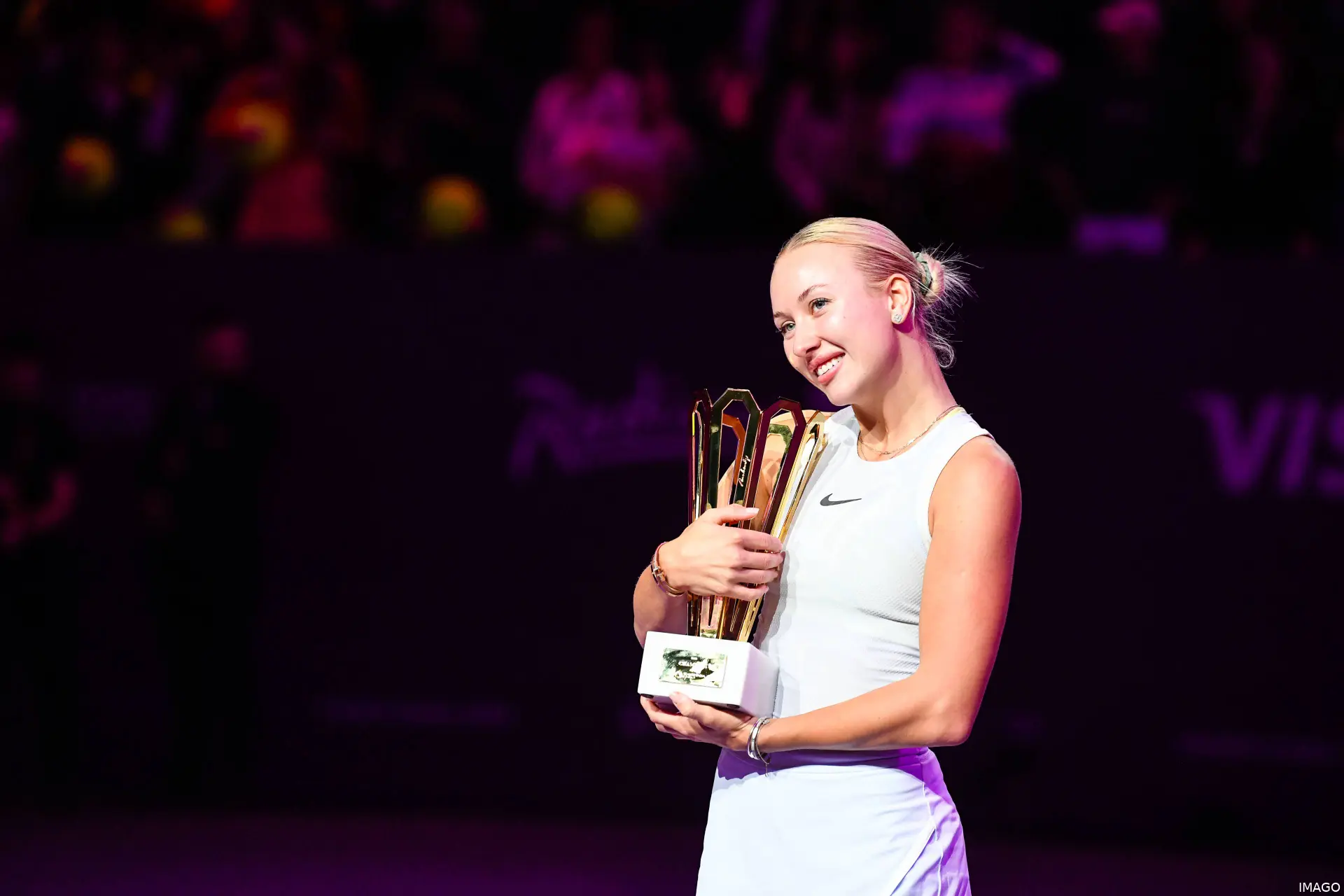
Anastasia Potapova is having a great clay swing, in which she has accumulated 14 wins in 17 matches. The Russian-born player recently changed nationality after accepting Austrian citizenship, and for several months she has been competing under her new flag, quickly becoming the Austrian No. 1.
However, Potapova does not forget her Russian roots. Born in Saratov – about 850 km south of Moscow – the 25-year-old player spoke about her nationality change and how she does not leave her Russian roots behind.
“I will always have my Russian roots, that no one can take away from me,” Potapova said according to Punto de Break.
“My family is still there, and the country has been a fundamental part of my life. Now I am looking to adapt to Austria, and the process is going well.”
The nationality change has brought Potapova back into the spotlight in the tennis world, rising in just one month from No. 97 to the top 40, and she has already secured her return to the top 30 thanks to a strong campaign in Rome – which ensures she will enter Roland Garros as a seeded player – something she had not achieved since the Australian Open 2024.
Strong clay swing start and breakthrough results
The Austrian started the clay swing in Linz, precisely as the main local representative, and the support of the crowd was key in reaching the final – her first WTA 500 final – although she eventually lost to Russian Mirra Andreeva in the final.
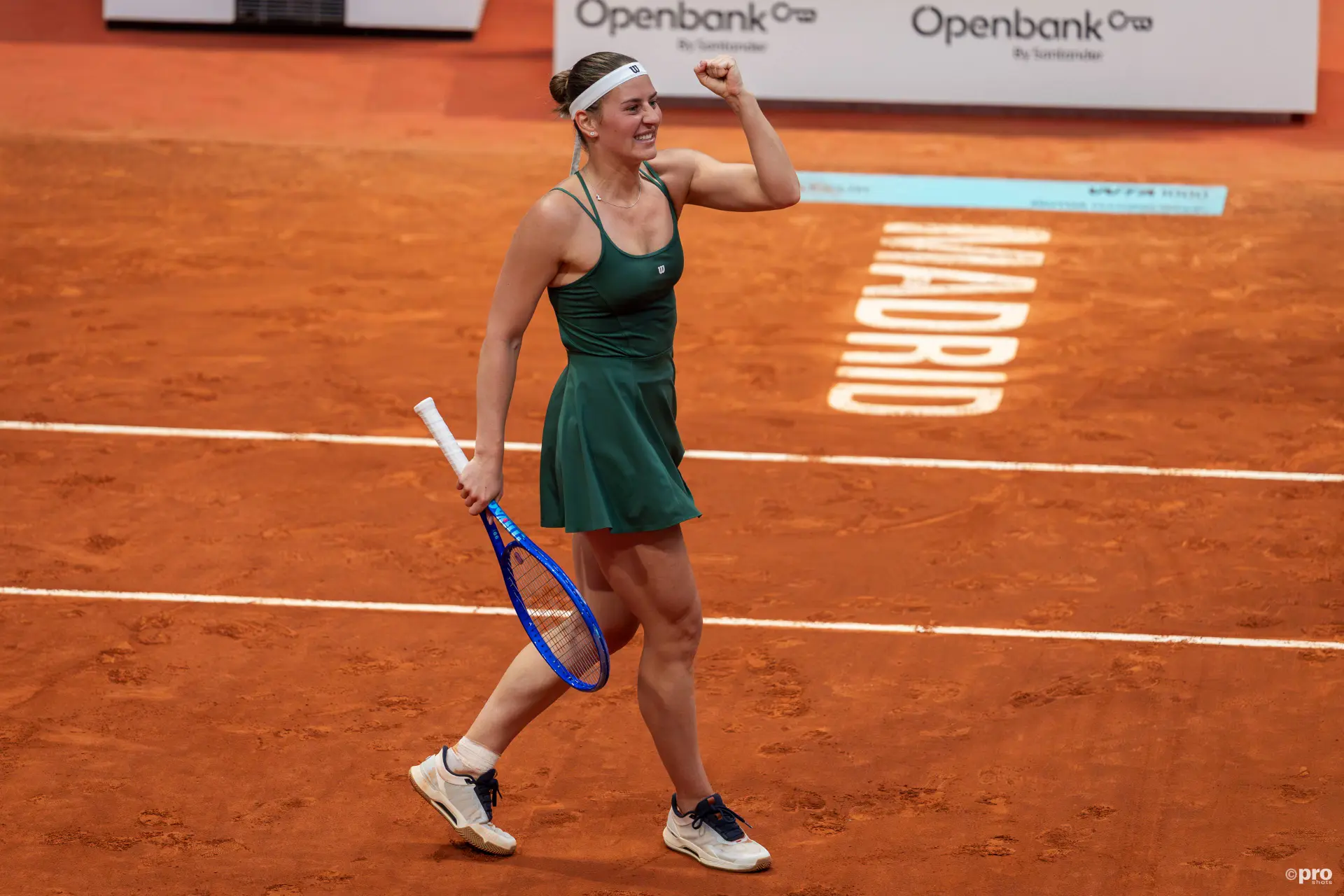
However, her good results did not stop there, reaching the semifinals at the Madrid Open – after entering the main draw as a lucky loser – and this time she is already in the fourth round of the Rome Open – again having to advance through qualifying.

Anastasia Potapova after beating Elena Rybakina to reach the quarter-finals of the Madrid Open
After her strong run in Madrid – where she reached a WTA 1000 semifinal for the first time – Potapova had only a couple of days before debuting in the Rome qualifiers. As first seed in qualifying, she defeated Irina-Camelia Begu and Nikola Bartunkova to reach the main draw.
She is currently in an inspired form – with three consecutive wins in the main draw. She overcame her debut against Dalma Galfi and then eliminated the 11th seed Karolina Muchova and the 20th seed Liudmila Samsonova.
In the fourth round, she will face the challenge of Jessica Pegula, against whom she has five previous meetings – all wins for the American, although this will be their first clash on clay courts.
Nationality change controversy
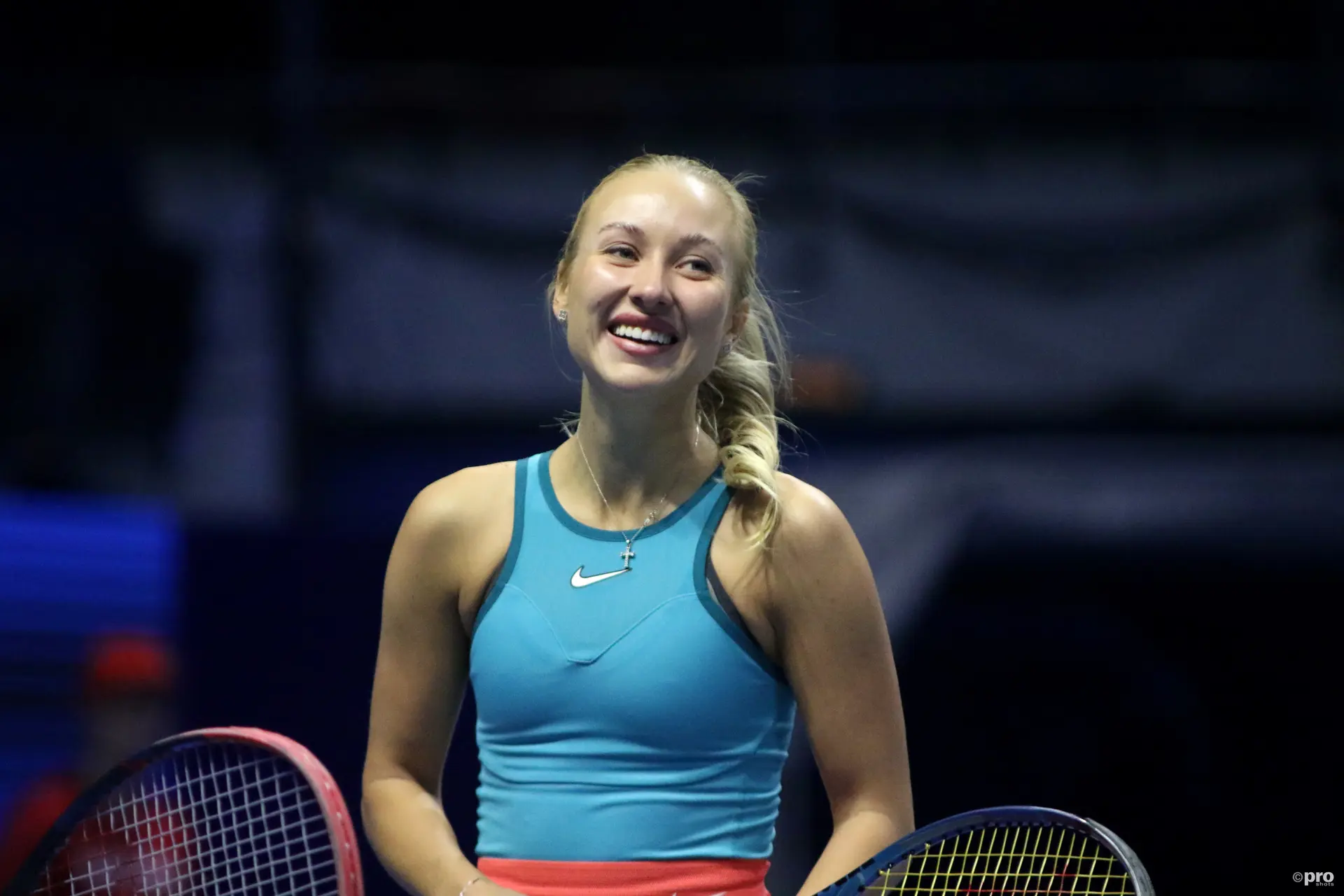
Potapova’s nationality change was one of the headlines of the off-season, being one of several players who left behind their Russian nationality – including Polina Kudermetova and Kamila Rakhimova.
Potapova had previously received criticism for her participation in an exhibition in St. Petersburg, sponsored by Gazprom, due to links to the war in Ukraine.
Recently, in her Madrid semifinal against Ukrainian Marta Kostyuk, there was no handshake despite the nationality change, and Kostyuk reiterated that she would not shake hands with her rival due to her Russian origin and her refusal to make statements regarding the war situation.
“There have been multiple players who have changed their nationality, but none of them have ever voiced anything against war or, you know, anything to support Ukraine. So, whatever, for me it doesn’t change,” said the Ukrainian – later Madrid Open WTA 1000 champion.
Read also
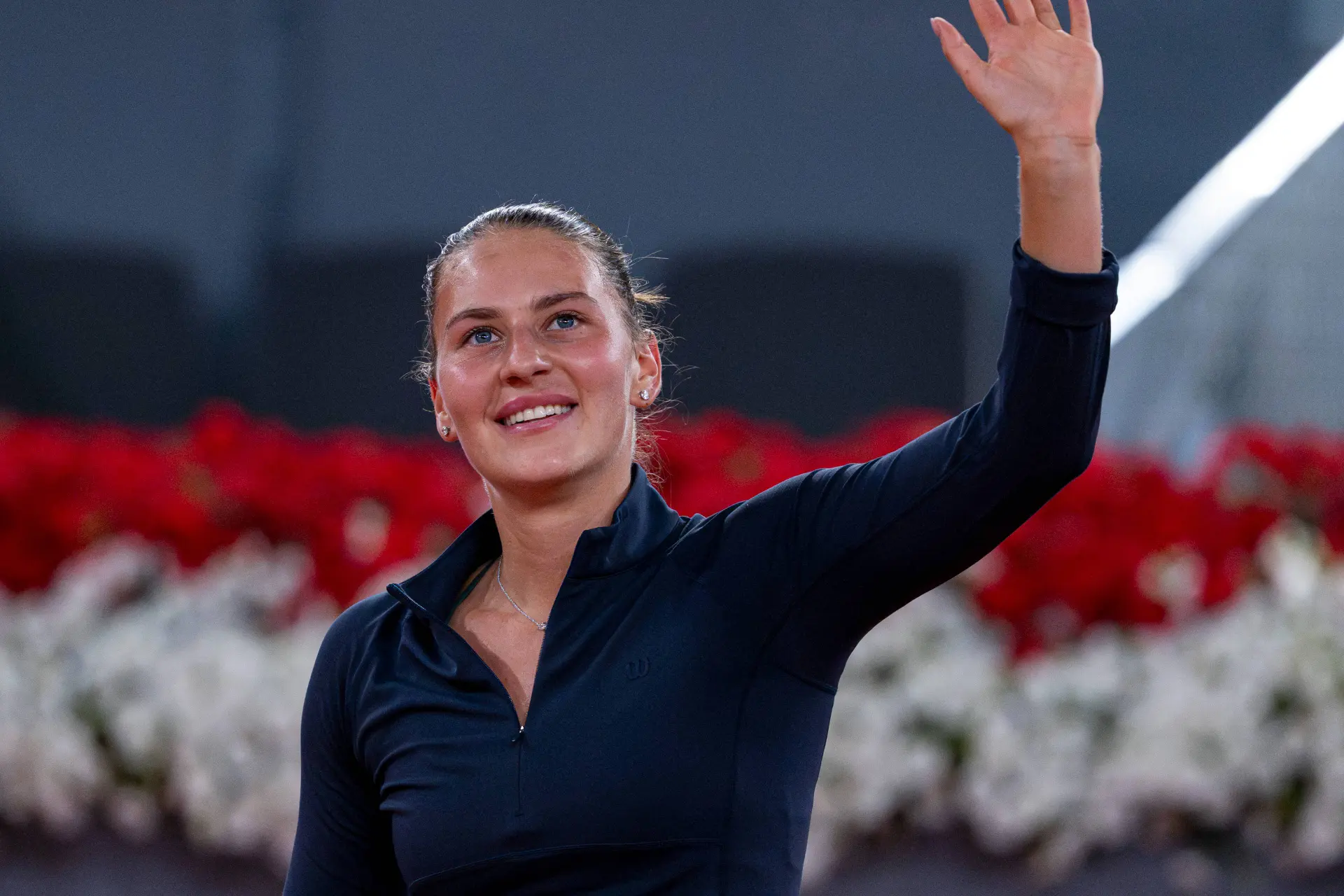
For now, Potapova is focusing her energy on her next clash against Pegula, where she will be seeking the ninth top-10 victory of her career. She will face her on Tuesday, where the former junior Wimbledon champion will look to return to the quarterfinals of a WTA 1000.
So far, this is her best run in Rome, and she has guaranteed that she will leave the tournament as at least world No. 28.

Cristhián AvilaTennis Journalist
Cristhián Ávila is a tennis journalist based in Santiago, Chile, and has been part of the TennisUpToDate team since early 2023. He covers the ATP and WTA Tours as well as all four Grand Slams, producing breaking news, match reports, analysis, and regular liveblogs from major tournaments.
His reporting combines statistical analysis with clear explanation, helping readers understand tactical developments, player form, and broader storylines across the tour. Working fluently in both Spanish and English, Cristhián collaborates with an international editorial team and contributes to comprehensive global coverage. As part of his work, he has conducted interviews and media interactions with leading figures in the sport, including Caroline Wozniacki and John McEnroe.
In his journalism, Cristhián places strong emphasis on careful sourcing, editorial accuracy, and updating articles promptly when new, verified information becomes available. His coverage is grounded in research, context, and direct engagement with professional tennis.
claps 0visitors 0
Just In


Popular News



Latest Comments
- Does Sinner need that 4.5 mil? I doubt it. He can make that with three modelling gigs!😅🤣Rapunzel21-10-2026
- Did "People Magazine" purchase this website? This nonstop storyline is bullshit.
 mandoist21-10-2026
 - Listen... this is of no concern to anyone but these two. Deal with your own issues -- most of us have our own. Thanks, media, for these insignificant follow-ups which are meaningless.mandoist21-10-2026
- This is so very very sad, for all three of them. I truly thought they had an unbreakable bond, but life throws up so many differing challenges. Having your homeland suffering in such a terrible way, makes happiness lose out to guilt as well. Our thoughts are with them. X💔bjsexton20-10-2026
- I have lost all respect for Svitolina! Could she not have waited until he had played at the Paris Masters!!! She is selfish and don't give a damn about Gael. That is NOT how love is demonstrated Elina!!Rapunzel19-10-2026
- Perhaps convenient tennis tour sex is not a strong enough experience in which to base a marriage?mandoist19-10-2026
- Fight the Good Fight... Tennis (sports in general) need more Humans such as yourself.mandoist18-10-2026
- When is WTA going to mandate Genetic Testing (DNA) ???mandoist18-10-2026
- Hey, Dan... you just wake up from a coma? Regardless -- Thanks for the comedy this morning!mandoist18-10-2026
- Two Things: 1. Stop allowing these Spoiled Trust-Fund Elitists to behave badly. Your little hand-slaps do not deter them. 2. STOP the incessantly annoying "towel wiping" nonsense!!!!mandoist15-10-2026

Loading