"If you do it enough, people are going to remember": Andy Roddick highlights secret behind 'fantastic' Aryna Sabalenka's recent US Open triumph
WTA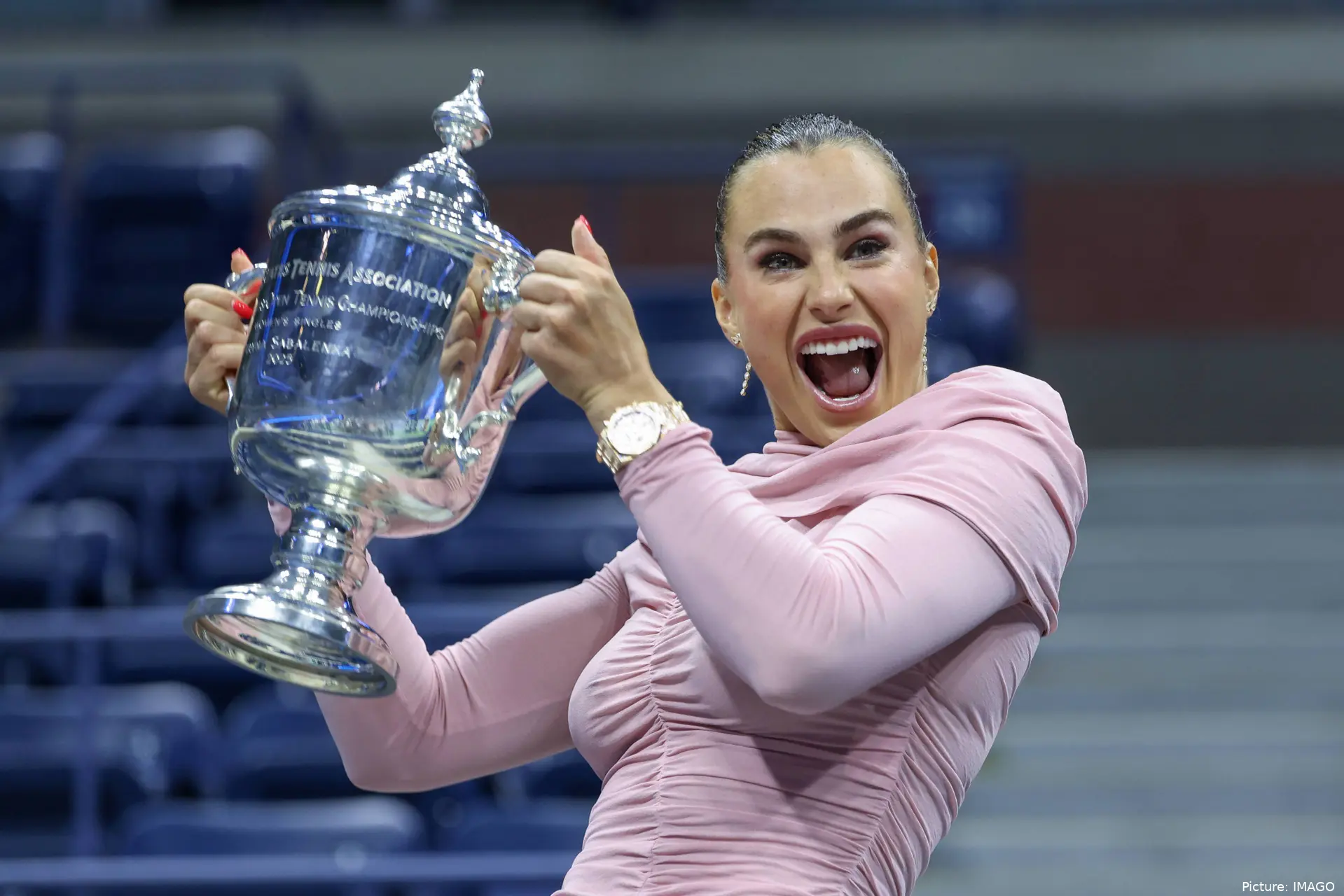
Former world number one Andy Roddick has highlighted the
reason behind the dominance of Aryna Sabalenka in women’s tennis. The 27-year-old
recently lifted her fourth Grand Slam as she successfully managed to defend the
US Open title after beating America’s Amanda Anisimova in the final in straight
sets with a score of 6-3, 7-6.
The win was an important one for Sabalenka, who came into
the competition on the back of two heartbreaking defeats in the final of the
Grand Slams in 2025. She first suffered a defeat in the final of the Australian
Open to America’s Madison Keys with a score of 6–3, 2–6, 7–5. Then at the
French Open, Sabalenka lost to another American player, Coco Gauff, with a
score of 6–7(5–7), 6–2, 6–4.
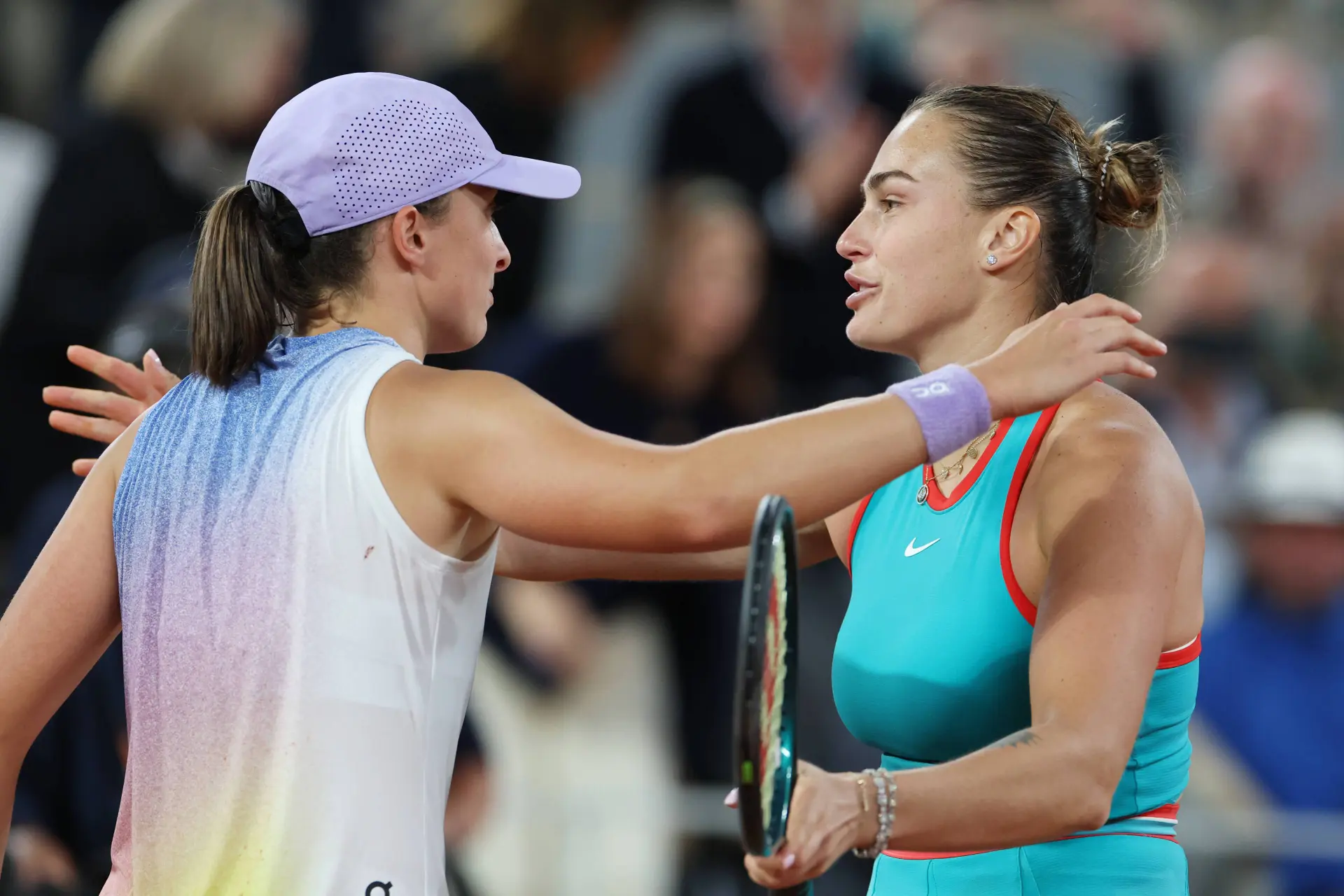
Even at Wimbledon, Sabalenka had an impressive run and
suffered a shocking defeat in the semifinal to Anisimova with a score of 6-4,
4-6, 6-4. The year 2025 became the first in Sabalenka’s career in which she played in the final of three Grand Slams. It is only the second time in Sabalenka’s
career that she managed to play in the semifinal of every Grand Slam in a calendar
year.
Former men’s world number one Roddick, in a recent episode
of his own podcast, explains how Sabalenka remains so consistent while
competing at the highest level in professional tennis. Roddick explained that Sabalenka consistently put herself in a position to achieve greater things, and according to him, once an athlete does it consistently in sports, sooner or later, in most cases, they end up achieving bigger things as well.
Incredible run
“I think the thing with Sabalenka is that are we always
perfect in the biggest moment? No,” he said while speaking in the Serve with Andy Roddick latest episode. “You hear players say and a
lot of other people ignore that you put yourself in those situations enough and
you are going to figure that out when you are that good. So, the narrative is,
you know, last year she can’t lose and coming into this year, favourite in
every tournament which she is and I have luckily picked her in three events and
then didn’t pick her in the one she won. But yourself in those positions enough,
you are going to figure it out. It doesn’t mean like it there’s this weird
narrative around sports where its like you are either so clutch or you are not.
And there is like no middle like. Yea, you are clutch most of the time, and
this is sports. Like it’s imperfect. It’s matchups, it’s wins. It’s Roland
Garros when it’s blowing 40. It’s Madison Keys that didn’t see a forehand. She
didn’t hit that for a winner. It’s I get nervous because I haven’t won
Wimbledon and I play this big-hitting Anisimova. And then, I go to New York and
I probably have more question marks than when I enter any other event, for the
entire year. And obviously that mean’s I am going to win and clutch up in the
final. No. This is why sports is amazing. Sabalenka continues to put herself in
these positions and if you do it enough, people are going to remember your wins. They are just going to.”
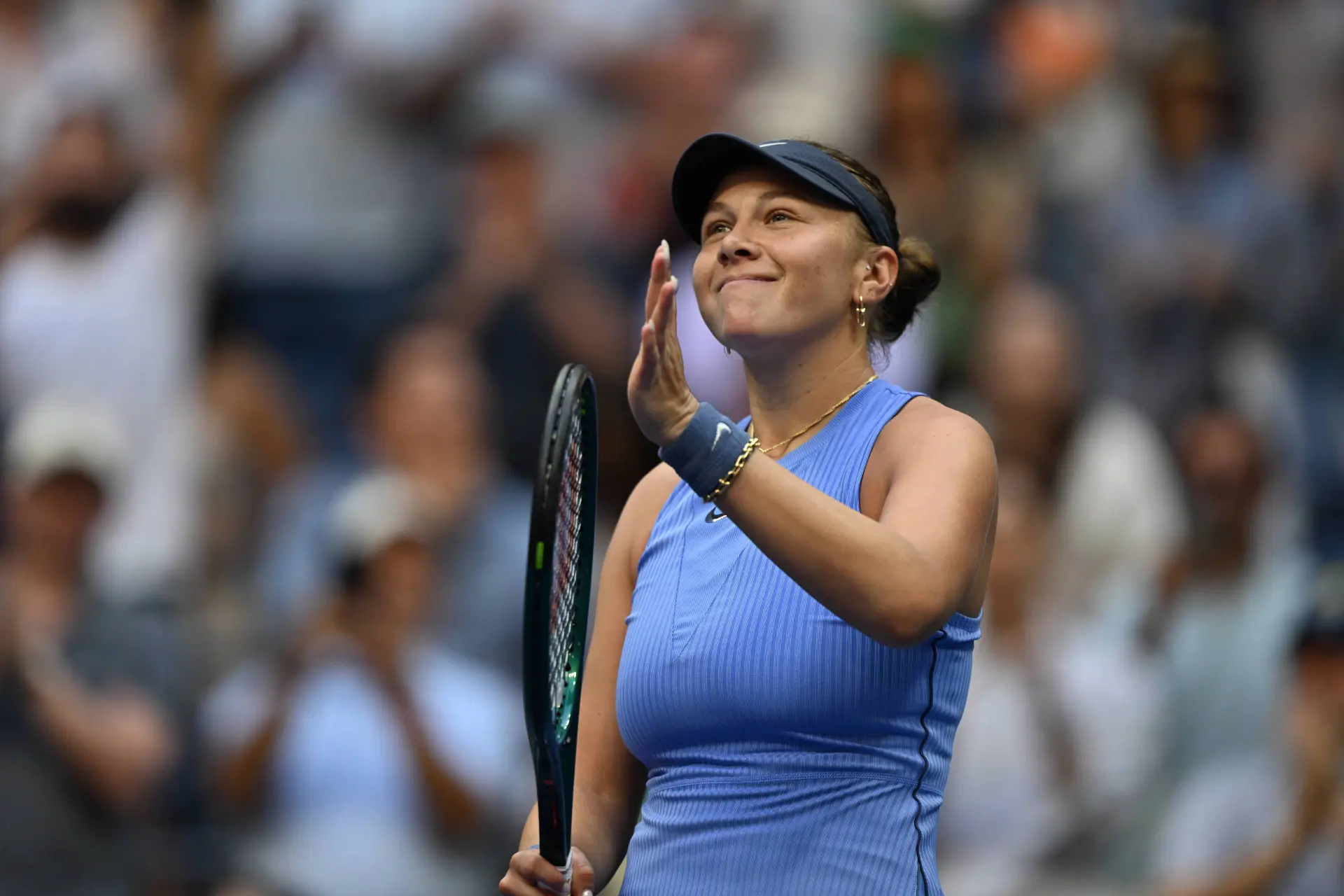
Roddick then went on to explain the moment when he thought
that Sabalenka won the match against Anisimova in the final of the US Open. Roddick stated that he is not sure whether Sabalenka had that particular shot in her armoury three years back, when she was winning a Grand Slam, but in his opinion, that particular shot made Anisimova believe that she was not going to end on the positive side of the result on Saturday.
“The shot that won her this match, that set the patterns,
that let Anisimova know what she couldn’t get away with, Anisimova goes big
outside return straight through the middle,” said Roddick. “Sabalenka has this
like outside the ball like you known when you are trying to throw a 7/10 split,
and you kind of work outside and then in, that shape straight away to the open
court to get Anisimova on the move where it’s not this flat ball. She is not
falling away. It’s this kind of ball that she spun to her forehand. She hit it
six or seven times in like super clutch moments. It’s 15-30, 30-15, but the
pressure is on. The crowd is getting loud. That was the silencer. And it’s weird
when it’s not some big, powerful, grunty situation, where she is screaming at
the end, it doesn’t grasp our attention the same. That ball, that shot, I don’t
thinks he had three years ago. She could win slams with what she had before
because she was so dominant but that ball where she is almost diffusing power
but still redirecting with that like [Jannik] Sinner spin mechanism and margin.
I don’t know if she worked on that specifically, I don’t know if that was a game
plan but she is just fantastic.”
It’s all about Aryna Sabalenka TODAY ☀️#USOpen pic.twitter.com/G9hlXhFp9q
— wta (@WTA) September 8, 2025
Azeem Siddiqui is a seasoned sports journalist and data analyst with a strong background in both digital media and live sports production.
He began his journalism career working with partners of The New York Times and has since contributed to several leading international sports publications, including Fox Sports Asia, Calciomercato, and GiveMeSport. Since 2023, Azeem has been part of the TennisUpToDate team, where he has played a key role in sustaining the platform’s growth and ensuring tennis fans receive timely and reliable coverage of the sport’s biggest stories.
In addition to his editorial work, Azeem has extensive experience as a data analyst in live sports broadcasting—particularly in cricket—where he combines analytical precision with creative storytelling. He has collaborated with multiple production companies and cricket boards worldwide, delivering real-time insights and data-driven narratives during live match coverage.
claps 0visitors 0
Just In

Popular News
Latest Comments
- Does Sinner need that 4.5 mil? I doubt it. He can make that with three modelling gigs!😅🤣Rapunzel21-10-2026
- Did "People Magazine" purchase this website? This nonstop storyline is bullshit.
 mandoist21-10-2026
 - Listen... this is of no concern to anyone but these two. Deal with your own issues -- most of us have our own. Thanks, media, for these insignificant follow-ups which are meaningless.mandoist21-10-2026
- This is so very very sad, for all three of them. I truly thought they had an unbreakable bond, but life throws up so many differing challenges. Having your homeland suffering in such a terrible way, makes happiness lose out to guilt as well. Our thoughts are with them. X💔bjsexton20-10-2026
- I have lost all respect for Svitolina! Could she not have waited until he had played at the Paris Masters!!! She is selfish and don't give a damn about Gael. That is NOT how love is demonstrated Elina!!Rapunzel19-10-2026
- Perhaps convenient tennis tour sex is not a strong enough experience in which to base a marriage?mandoist19-10-2026
- Fight the Good Fight... Tennis (sports in general) need more Humans such as yourself.mandoist18-10-2026
- When is WTA going to mandate Genetic Testing (DNA) ???mandoist18-10-2026
- Hey, Dan... you just wake up from a coma? Regardless -- Thanks for the comedy this morning!mandoist18-10-2026
- Two Things: 1. Stop allowing these Spoiled Trust-Fund Elitists to behave badly. Your little hand-slaps do not deter them. 2. STOP the incessantly annoying "towel wiping" nonsense!!!!mandoist15-10-2026

Loading