“I’m really proud of myself for being able to do that at 32”: Jessica Pegula’s path toward Grand Slam glory in her early 30s
WTA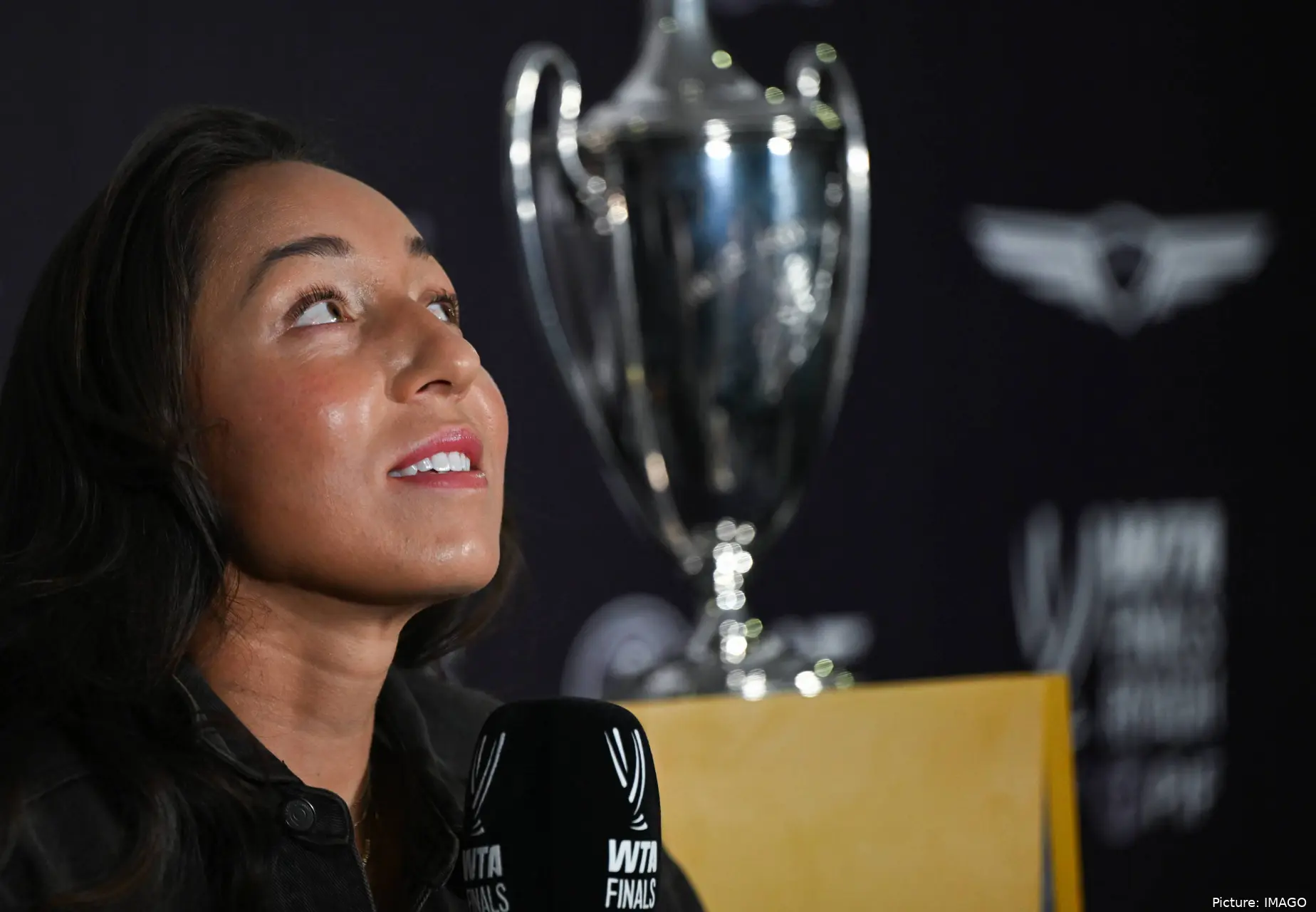
Jessica Pegula captured the 10th title of her career with a 6-2, 6-4 victory over Elina Svitolina at the Dubai Duty Free Tennis Championships. The final, lasting 73 minutes, was decisive from the outset, reflecting the form of a player who has turned consistency into a defining feature of her game. Pegula highlighted the importance of rhythm on hard courts, stating, “When I can find my rhythm on a hard court, that’s when I start playing my best tennis.”
The American, seeded fourth, navigated a challenging draw to claim the crown, defeating four Top 20 opponents—Amanda Anisimova, Clara Tauson, Iva Jovic, and finally Svitolina. This marks only the second time in her career that she has beaten four top 20 players in a single event, underlining her capacity to maintain a high level across multiple rounds.
Pegula’s victory comes on the eve of her 32nd birthday and is a reflection of her late-career evolution. She did not break into the WTA year-end Top 10 until 2022 at age 28, but has maintained her position for four consecutive seasons. For Pegula, the Dubai title is less about the final scoreline and more about reinforcing the patterns that can carry her toward bigger goals.
Defined by identity on hard courts
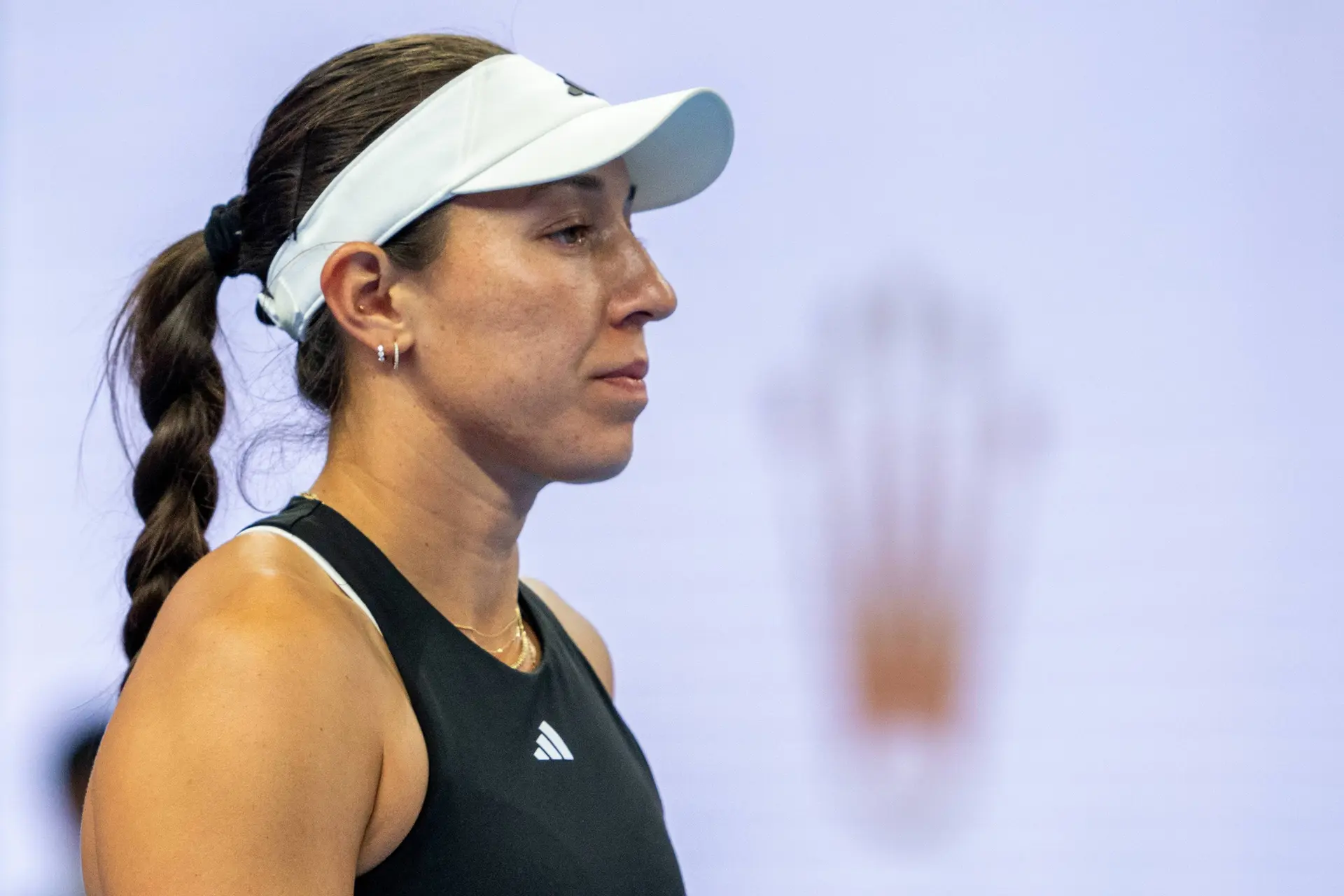
This triumph represents Pegula’s fourth WTA 1000 title, following Guadalajara (2022), Montreal (2023), and Toronto (2024), all on hard courts—a surface she has deliberately honed for her game. “I take the ball very early. Hard court, I like the footing on hard. I like that there’s no bad bounces, things that can go wrong,” Pegula explained in an interview with WTA Tour.
“There’s a very true bounce so I can get into a good rhythm pretty easily. I hit pretty hard, deep and flat, so I think my ball kind of skids through the court. I think tonight, even last night [against Anisimova] I found it at the end and was able to carry it into today. I was taking the ball early, hitting my forehand really well, taking away time and changing direction.”
During the interview, Pegula responded to comments from former top-10 player Andrea Petkovic, who noted that “nobody disguises and changes the direction of the shot from both sides better.” Pegula explained that this skill is the result of focused evolution in her game.
“Over the past six months, that’s something we’ve kind of embraced. It’s been like, ‘OK, this is how you play tennis. How do we make this even more efficient? How do we get your footwork to evolve into how good your hands are?’ So I’ve really worked on footwork, worked on spacing, worked on flowing through my shots a little bit.”
“It’s not the way everybody plays but I think it’s showcased what’s made me really efficient,” the 32-year-old added. “So I give a lot of credit to my coaches. We kind of went back to the drawing board with that and really evolved it, kind of believed that this is how I have to play. Do that in practice and execute it into a match.”
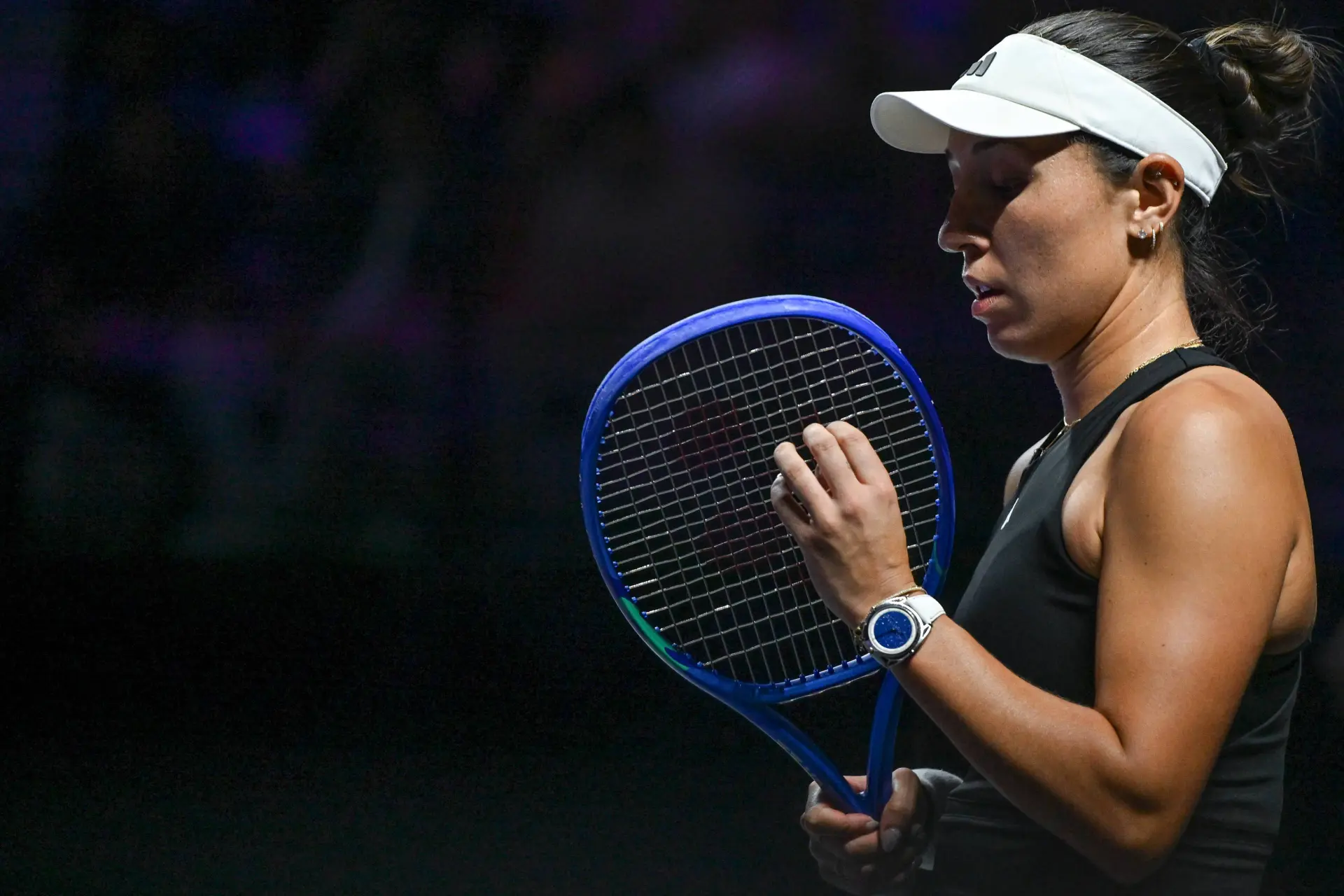
Pegula’s journey has not been linear. Injuries disrupted her preseason, leaving questions about her early-season readiness. She reflected on those challenges while underlining the importance of clarity in her approach. “I got a couple of injuries and barely played. I didn’t even think I was going to be able to play Brisbane. But I was able to play Brisbane and make the semis, and obviously, went to AO and played great tennis. I think at the end of the year, after US Open and Asia, I kind of knew what I needed to do. Very beginning of offseason, we really emphasized it.”
“It was kind of interesting … we weren’t that concerned about the injuries and movement and stuff because we knew how I needed to play, what we were really going to hone in on and focus on. I think that relaxed me, even though I didn’t have a great preseason. I knew how I needed to play tennis and, luckily, I was able to find that in Australia.”
Late-career peak and Grand Slam ambition
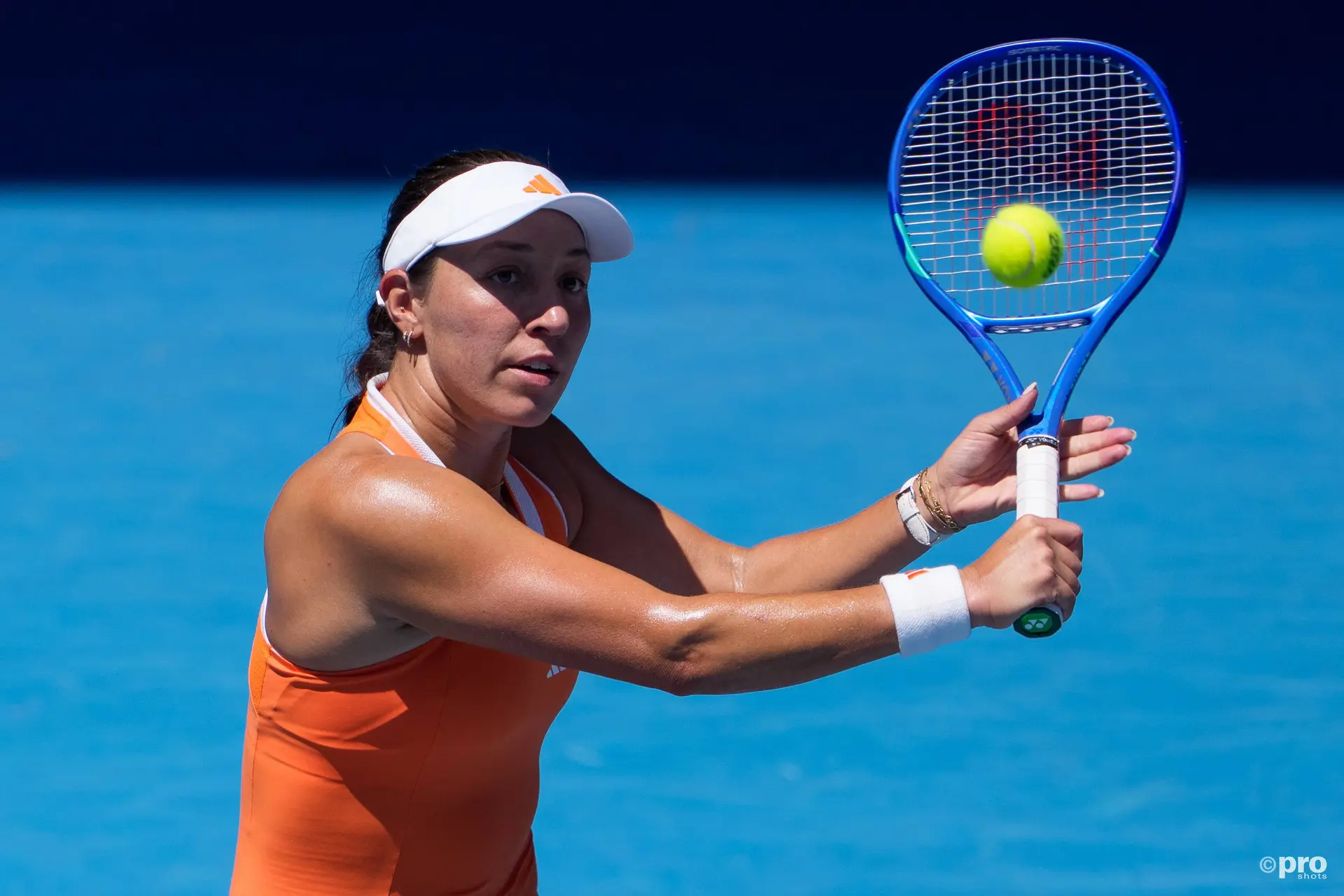
This Monday, Pegula turns 32, making her the oldest player inside the WTA top 30. In fact, only nine players over 32 rank within the top 100, with Sorana Cirstea (35, No. 32) and Magda Linette (34, No. 50) also inside the top 50. “I’m old, you can say it. I don’t feel that old because I had so many injuries in my early 20s that I don’t think I’ve built up the wear and tear on tour yearly,” she said.
“I hope I can inspire girls to show that you don’t have to be 20 years old. You can still play really good tennis if you take care of your body and keep improving,” Pegula added. “So, yeah, I’m really proud of myself that I can do that as a player at 32 now. I don’t think that’s necessarily the norm, but we saw that on the men’s tour and women, too. It’s a different age now. You don’t have to be 18 to do well. Playing someone like Elina, she’s doing the same thing. There’s a different crop of us that have done well at later stages, but you can always get better.”
For Pegula, incremental improvements define the path toward a first Grand Slam singles title. Dubai represents both validation and preparation, a week to reinforce patterns that she hopes will translate into success at majors. “I think matches like this week really help. Building confidence on how I need to play and things I still want to get better and improve. Just keep chipping away and building that. Maybe a little luck [laughing]. I think again, keeping that mindset every day in practice and the gym and at these tournaments, I’m hoping it’s going to get me there in the end.”


Cristhián AvilaTennis Journalist
Cristhián Ávila is a tennis journalist based in Santiago, Chile, and has been part of the TennisUpToDate team since early 2023. He covers the ATP and WTA Tours as well as all four Grand Slams, producing breaking news, match reports, analysis, and regular liveblogs from major tournaments.
His reporting combines statistical analysis with clear explanation, helping readers understand tactical developments, player form, and broader storylines across the tour. Working fluently in both Spanish and English, Cristhián collaborates with an international editorial team and contributes to comprehensive global coverage. As part of his work, he has conducted interviews and media interactions with leading figures in the sport, including Caroline Wozniacki and John McEnroe.
In his journalism, Cristhián places strong emphasis on careful sourcing, editorial accuracy, and updating articles promptly when new, verified information becomes available. His coverage is grounded in research, context, and direct engagement with professional tennis.
claps 1visitors 1
Just In

Popular News
Latest Comments
- Two Things: 1. Stop allowing these Spoiled Trust-Fund Elitists to behave badly. Your little hand-slaps do not deter them. 2. STOP the incessantly annoying "towel wiping" nonsense!!!!
 mandoist15-10-2026
 - A healthy Qinwen may be hard to stop next season. She was already scaring her opponents before her medical leave(s). Unfortunately, Zheng insisted on singing again. On the positive side -- Mirra did not sing!! ;~}mandoist11-10-2026
- Where is it written that athletes, entertainers... People in general... are mandated to keep looking at -- or even using [anti]Social Media? Public & private figures consistently complain and reveal their concerns about negativity and violence thrown at them -- yet they insist on participating. Avoid it, don't use it, don't read it. It's okay to occasionally look up at the World instead beating your eyes & thumbs to death on The Inventions out there.mandoist11-10-2026
- great articlestennisseserver07-10-2026
- Medvedev was leading Djokovic 7-5, 3-5 when an attempted return..' NO you ignorants, Djokovic was leading .weiss05-10-2026
- No more bullshit "Wildcards" to these two. Qualify like everyone else -- there will be cameras there, too. Time to scream... WTF ????!!!!mandoist29-09-2026
- Let's not BS the general public -- Sabalenka started showing cracks in her game last season. Her losses and near-losses started at about the same time she began being distracted by Fame (constant Selfies, making TV commercials, magazine shoots, endless Social Media nonsense, etc., etc.) One would think even Saba could recognize the parallels with others who failed before her -- Raducanu, Giorgi, Bouchard to name a few.mandoist25-09-2026
- Gross!! Hey Raducanu, Giorgi, and Bouchard -- reserve a seat at your Social Media Selfie table for Saba + Naomi. They're heading in your direction soon enough.mandoist24-09-2026
- And then these same players will complain about how lengthy their season’s were and need more time-off. I’m all for more tennis but the amount of tennis we get now is actually kind of crazy! We all need a break, especially the players.DaveyWavey23-09-2026
- You should do a comparison article for "different kinds of justice" the courts decide for tennis players. I can think of at least three players who received very small bans of a few months, however Tara Moore has been fighting for her literal survival the past few years. It seems odd considering she is not a "name" player, unlike the other cases.DaveyWavey22-09-2026

Loading