"It’s obvious he’s watched a lot of tennis. He makes a big effort with young players" - Iva Jovic explains influence Novak Djokovic had on her tennis career
WTA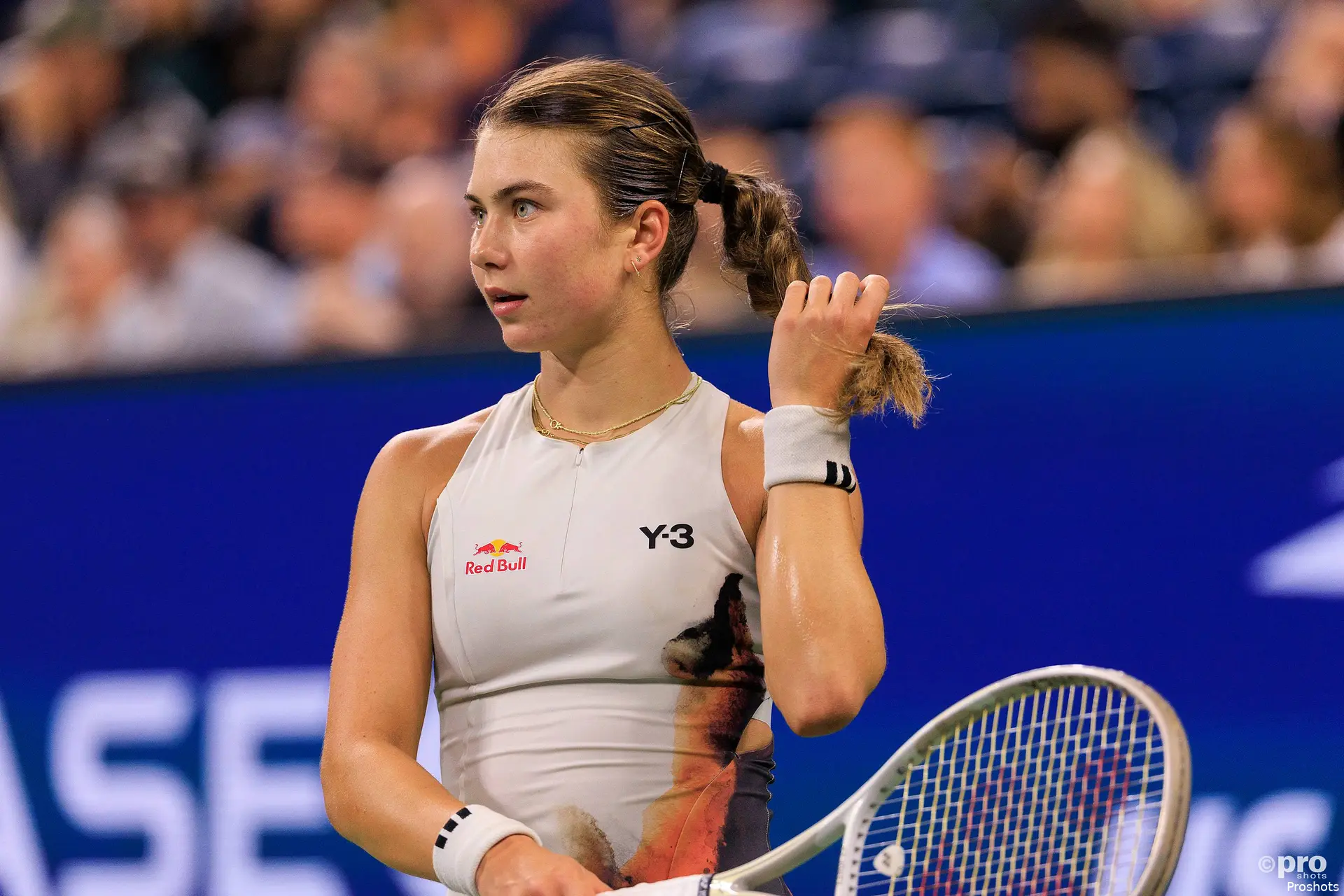
Iva Jovic is one of the most highly rated young talents on the WTA tour. She has already risen to a career high of world number 16 while gaining praise from some of the best players in the world. She will look to continue her progress in the sport at the Madrid Open, sensing another chance to gain more points and experience on the big stage.
Ahead of her debut campaign in the Spanish capital, she hopped onto the Served podcast with former US Open champion Andy Roddick. "I’m in Madrid currently, getting ready for the tournament here starting in a couple of days. It’s my first time playing this event, so I’m getting used to everything, but I really can’t complain about any of these 1000 events and big tournaments anymore."
Reminiscing on memorable start to 2026
Jovic started the year with a bang. The noticeable run at the Australian Open has culminated some deep runs in other tournaments Down Under. "In the past, I wasn’t someone who could jump out of the gates and start strong—I like to get my match count up. So I didn’t have high expectations for the start of the year," she admitted.
"I had options to play 500-level events, but I chose to play 250s. I thought, 'Let me win some matches, get something going for the Australian Open.' Then I started doing really well, and you know how it is—when you’re winning, it becomes autopilot. That start of the year was massive for getting the wheels turning. But I try not to ride the highs and lows too much. Sometimes everything aligns and you do well; other times you play well and still lose. I don’t think every tournament directly reflects your level. As long as I’m training well and my overall level is improving, the results will come."

The plan to play 250 events in Auckland and Hobart proved to be an inspired decision. She would reach the semi-final of the ASB Classic, losing out to eventual champion Elina Svitolina. The 18-year-old went one better in Hobart, coming up short in the final to Elisabetta Cocciaretto.
The plan to get matches played was a great one. "It helps that my coach has the same mentality—he doesn’t care if I win or lose, we’re here to get better," she said. "But I really believe in match count. I feel like I improve so much by playing matches—whether it’s a 35K or a Grand Slam. I’d rather take a semifinal or final at a lower-level event than lose early at a higher-level event. Obviously, you hope to do well at the bigger events, but to start the year, grind a little and build confidence—that’s the way to go."
What followed that was a hugely eye-catching run to the last-eight of the Australian Open. In her second appearance in Melbourne, she looked at home on court despite struggling with the days off in between matches.
"That part was actually tricky for me. I prefer playing every day—I have a lot of energy, so I’d almost rather play daily. The days off make it feel really long. You’re in tournament mode for so much longer, and it’s hard to fully relax. Then you add in media and everything else, and even the off days feel mentally draining. That’s something I still need to adapt to. At something like the French Open, you have to stay locked in for two straight weeks, which isn’t easy—especially after already playing back-to-back tournaments beforehand."
While it was a great two weeks, she quickly moved on from it. "My natural tendency is to just move on—check it off and focus on the next thing," she stated. "But it’s kind of annoying how the human brain works. You can’t just be satisfied. Three or four years ago, I remember saying I would sign a contract just to be ranked inside the top 100 for one week—just to say I did it. That meant everything to me. Now I’m here, and I don’t feel anywhere near where I want to be. It’s fascinating how your expectations shift. I wish sometimes I could think less, but my nature is to just chase the next thing."

Iva Jovic in action
Facing off against the world number one
Her Australian Open run was ended at the hands of a certain Aryna Sabalenka. The four-time Grand Slam champion ended up as a comfortable winner against Jovic who was full of praise for the Belarusian.
Coincidentally, she had very recent experience with her on court. "We actually practiced together today, so it’s funny you mention that," she explained. "She’s an incredible player. For me, it was hard to treat that match like a normal match—not just because it was a Grand Slam quarterfinal, but because she’s someone I’ve looked up to for so long.
"There’s just an aura about her. The best players have it—you feel it when you step on court. You think, 'Wow, she means business.' It was hard for me to impose my game and fully trust myself in that first meeting."
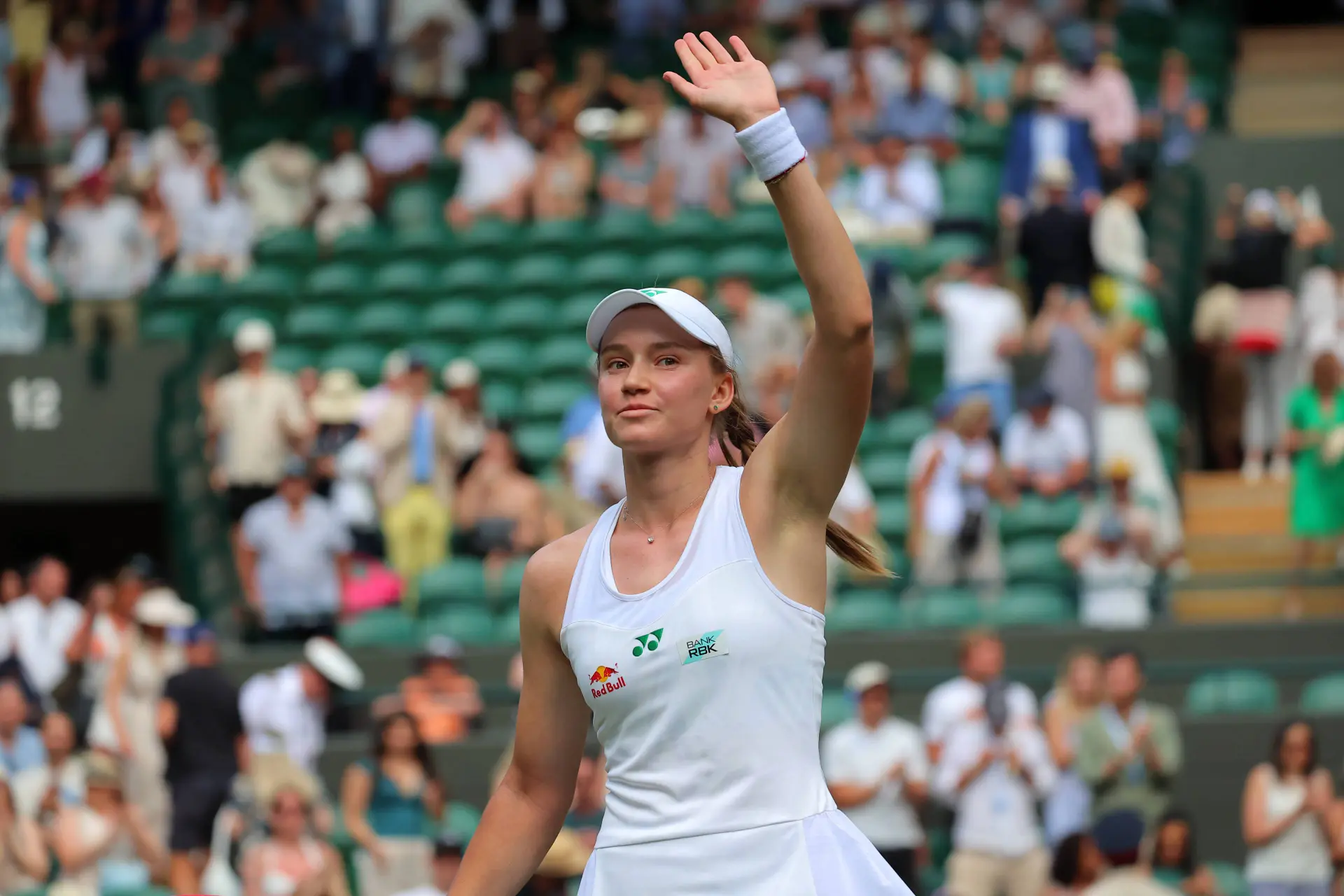
While it is never nice to lose, it was a chance to learn and take new lessons on board as she looked to continuously improve. "I don’t see anything negative in that—it was a learning experience. She’s where she is for a reason. I needed that 'punch in the face' to see where I’m at and what I can improve. What impressed me most is that we all know how good her offense is, but now she’s mixing things up more and even creating offense from defence. She’s constantly evolving, and that’s what makes it so hard for anyone to catch her."
Lauding 'proud' parents
The world number 16 has been very vocal about the influence her parents have had on her along with her blossoming tennis career. "They’re definitely proud parents," she commented. "We’re a grounded family—no one’s really up in the clouds—but they’re very proud of me and my sister."
Jovic detailed the backstory to her parents and how they ended up coming to the USA. "I think it’s one of the reasons I have the mindset I do. They came from a war-torn country. My mother was a refugee. They didn’t have anything. My mum actually won a green card in the lottery, so coming to the U.S. wasn’t really for them—it was for us. They were already around 30 at the time."
They were the ones to get Jovic into tennis, among other sports. "Tennis was completely accidental. They signed us up for every sport and just pushed us to do whatever we wanted. It worked out really well. But it’s the values they gave us. I also knew there was nothing waiting for me to inherit—it’s just me and what they’ve given me. They gave everything they had, so I’m really grateful. I think good things happen to good people, and they’re good people—so this is kind of what they get in return."
Having the best players in the world speak highly of her
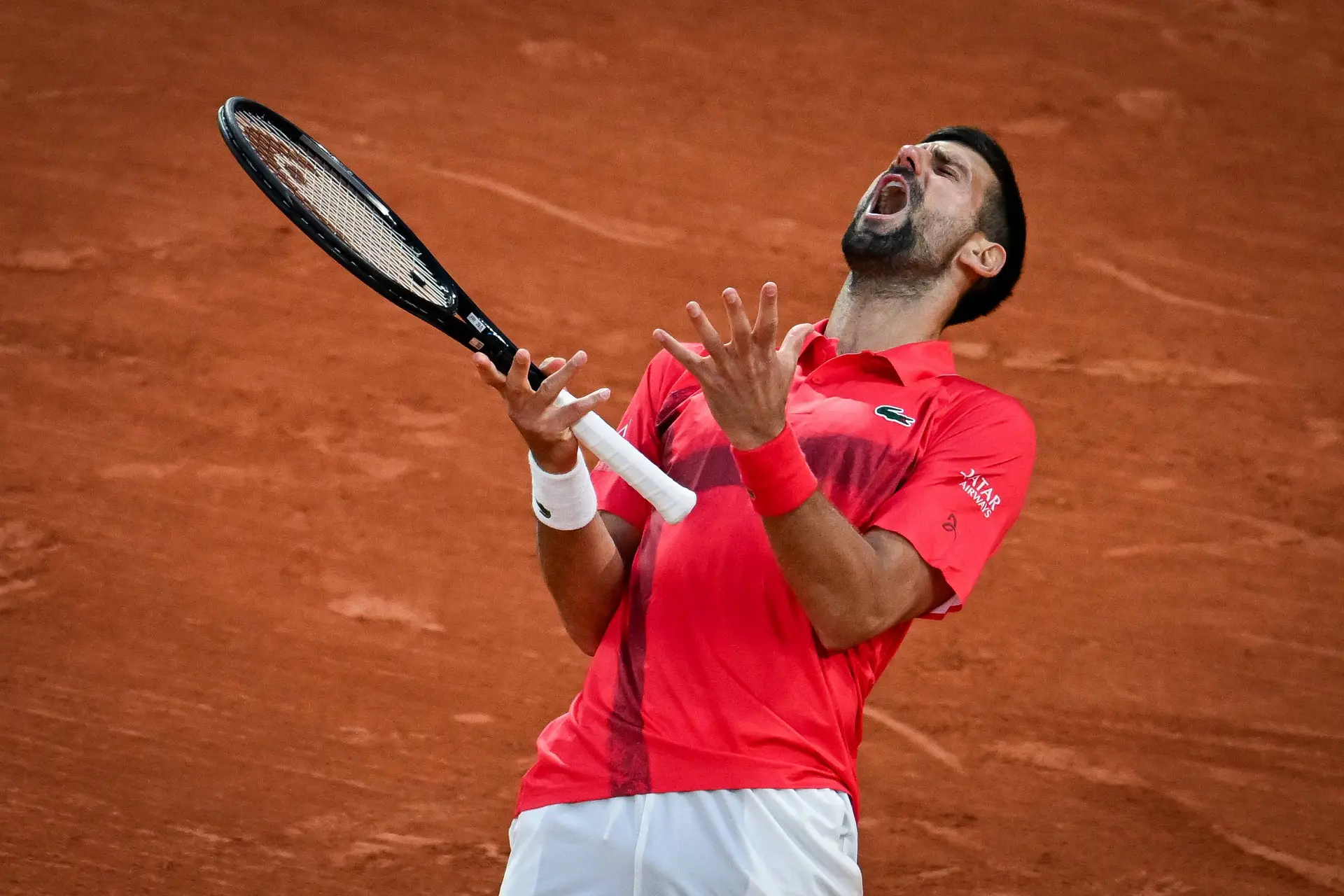
Back in Melbourne, Novak Djokovic shared his praise for Jovic aid her speel-bounding run. It is as high of a compliment she could have wished for having idolised the 24-time Grand Slam champion all her life.
"It’s 100% still weird. He’s my number one idol—there’s nobody above Novak," she stated. "To idolise someone for so long and then talk to them, and realise they’re just a normal person with the same problems—it’s crazy. But you can tell instantly how much work he’s put in, not just physically but mentally. He has a presence, and his tennis IQ is incredibly high."
She listens very closely to what he has to say, taking any advice under her belt. It was also very valuable advice in the way it was detailed. "He’s watched a lot of my matches and given me specific tips—things I can adjust to become a better player," she said. "I hope I can add that kind of versatility to my game like he has. Sometimes he texts me after matches with analysis. Or he’ll send a clip of a point and say, 'I love what you did here—do that more.' It’s not just 'you’ve got this'—it’s detailed. It’s obvious he’s watched a lot of tennis. I don’t know how he finds the time, but he makes a big effort with young players.
Along with Djokovic, someone else that she looks up to is Jessica Pegula. Jovic has grown a bond with the 32-year-old, chatting to her occasionally while lapping up the praise she gets from her American counterpart.
"That’s really cool—especially coming from Jess. She’s someone my coaches showed me as a model player. So for her to say that, and to see similarities, is amazing. And she’s just a good person. When I see her in the locker room, we chat—it’s normal. That’s the best part when someone is an amazing player but also easy to talk to. It doesn’t have to feel like an enemy situation."
Lucas MichaelTennis Journalist
Lucas Michael is a tennis journalist based in Cambridge, UK, specializing in comprehensive coverage of the ATP and WTA tours. For the past 1.5 years, he has been a core contributor to TennisUpToDate, where he has authored more than 3,000 data-driven match reports, deep-dive analysis pieces, and engaging liveblogs.
Lucas pairs real-time statistical analysis with on-the-ground reporting, frequently traveling to tournaments to cover the action firsthand from the press box and player press conferences. This blend of advanced metrics and direct access allows him to provide sharp context regarding player form, tactical trends, and breaking tour developments.
He holds a BA (Hons) in Sports Journalism. Grounded in core journalistic ethics, Lucas places a strict emphasis on meticulous sourcing, editorial accuracy, and a commitment to updating live content swiftly as verified information emerges.
claps 0visitors 0
Just In

Popular News

Latest Comments
- Does Sinner need that 4.5 mil? I doubt it. He can make that with three modelling gigs!😅🤣Rapunzel21-10-2026
- Did "People Magazine" purchase this website? This nonstop storyline is bullshit.
 mandoist21-10-2026
 - Listen... this is of no concern to anyone but these two. Deal with your own issues -- most of us have our own. Thanks, media, for these insignificant follow-ups which are meaningless.mandoist21-10-2026
- This is so very very sad, for all three of them. I truly thought they had an unbreakable bond, but life throws up so many differing challenges. Having your homeland suffering in such a terrible way, makes happiness lose out to guilt as well. Our thoughts are with them. X💔bjsexton20-10-2026
- I have lost all respect for Svitolina! Could she not have waited until he had played at the Paris Masters!!! She is selfish and don't give a damn about Gael. That is NOT how love is demonstrated Elina!!Rapunzel19-10-2026
- Perhaps convenient tennis tour sex is not a strong enough experience in which to base a marriage?mandoist19-10-2026
- Fight the Good Fight... Tennis (sports in general) need more Humans such as yourself.mandoist18-10-2026
- When is WTA going to mandate Genetic Testing (DNA) ???mandoist18-10-2026
- Hey, Dan... you just wake up from a coma? Regardless -- Thanks for the comedy this morning!mandoist18-10-2026
- Two Things: 1. Stop allowing these Spoiled Trust-Fund Elitists to behave badly. Your little hand-slaps do not deter them. 2. STOP the incessantly annoying "towel wiping" nonsense!!!!mandoist15-10-2026

Loading