“My head was almost in the locker room”: Coco Gauff explains match point recovery vs Jovic in Rome
WTA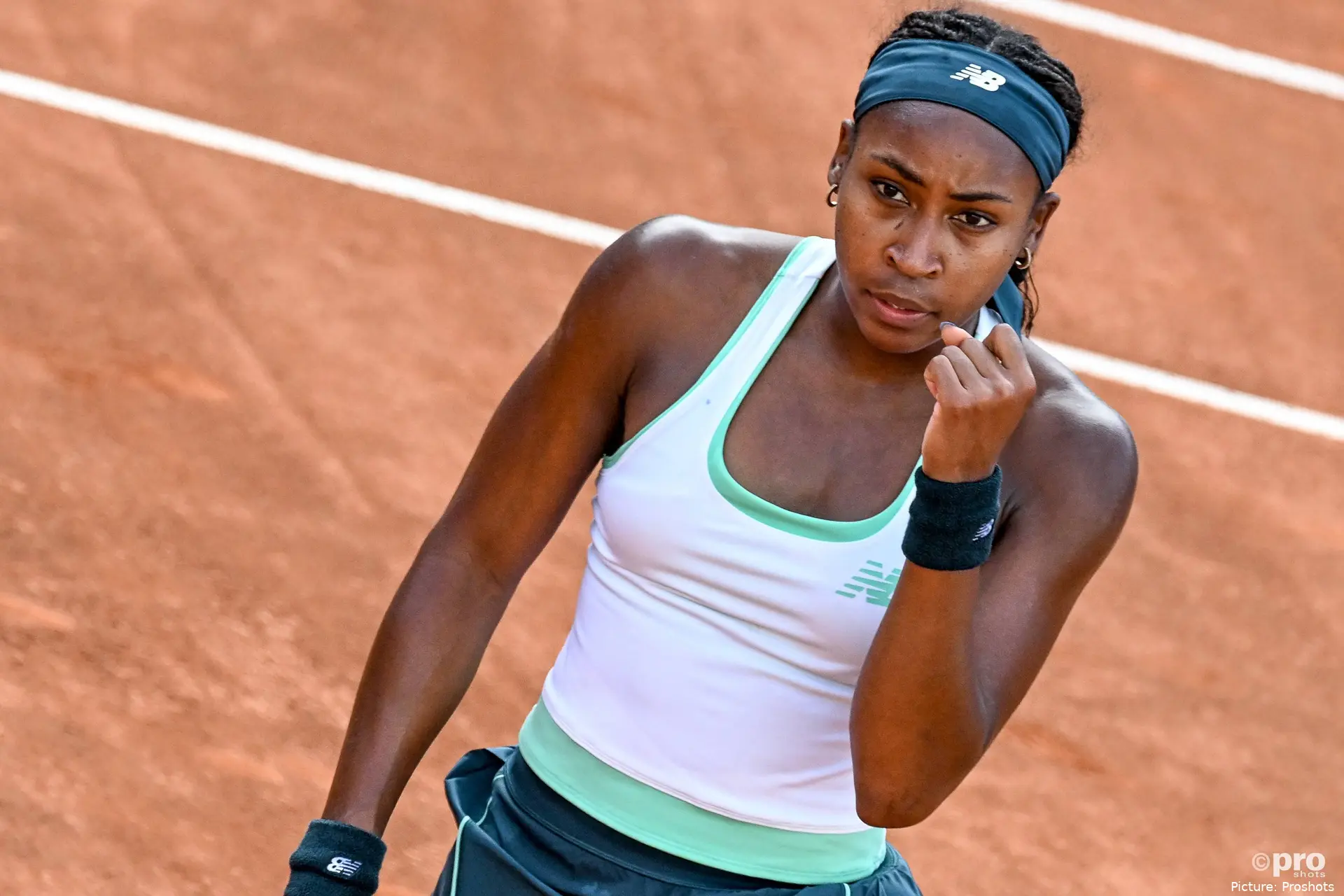
Coco Gauff reached the quarter-finals of the 2026 Rome Open after a physically and mentally demanding victory over Iva Jovic, prevailing 5-7, 7-5, 6-2 in two hours and 45 minutes. The American was forced to save a match point after trailing 5-7, 3-5 in a match defined by repeated momentum swings.
The win extends Gauff’s run in Rome after earlier victories over Tereza Valentova and Solana Sierra, and comes as she defends 650 ranking points from her finalist campaign in 2025.
Jovic, only 18 years old and already ranked world No. 17, pushed Gauff into prolonged pressure situations before fading in the deciding set. The match fluctuated heavily in level, with control shifting depending on who managed to stabilise serve and absorb pressure in key games.
Gauff will now face Mirra Andreeva in the quarter-finals after the Russian defeated Elise Mertens, setting up another high-level encounter in a draw defined by tight margins and frequent comebacks.
Match point pressure and recovery under collapse risk
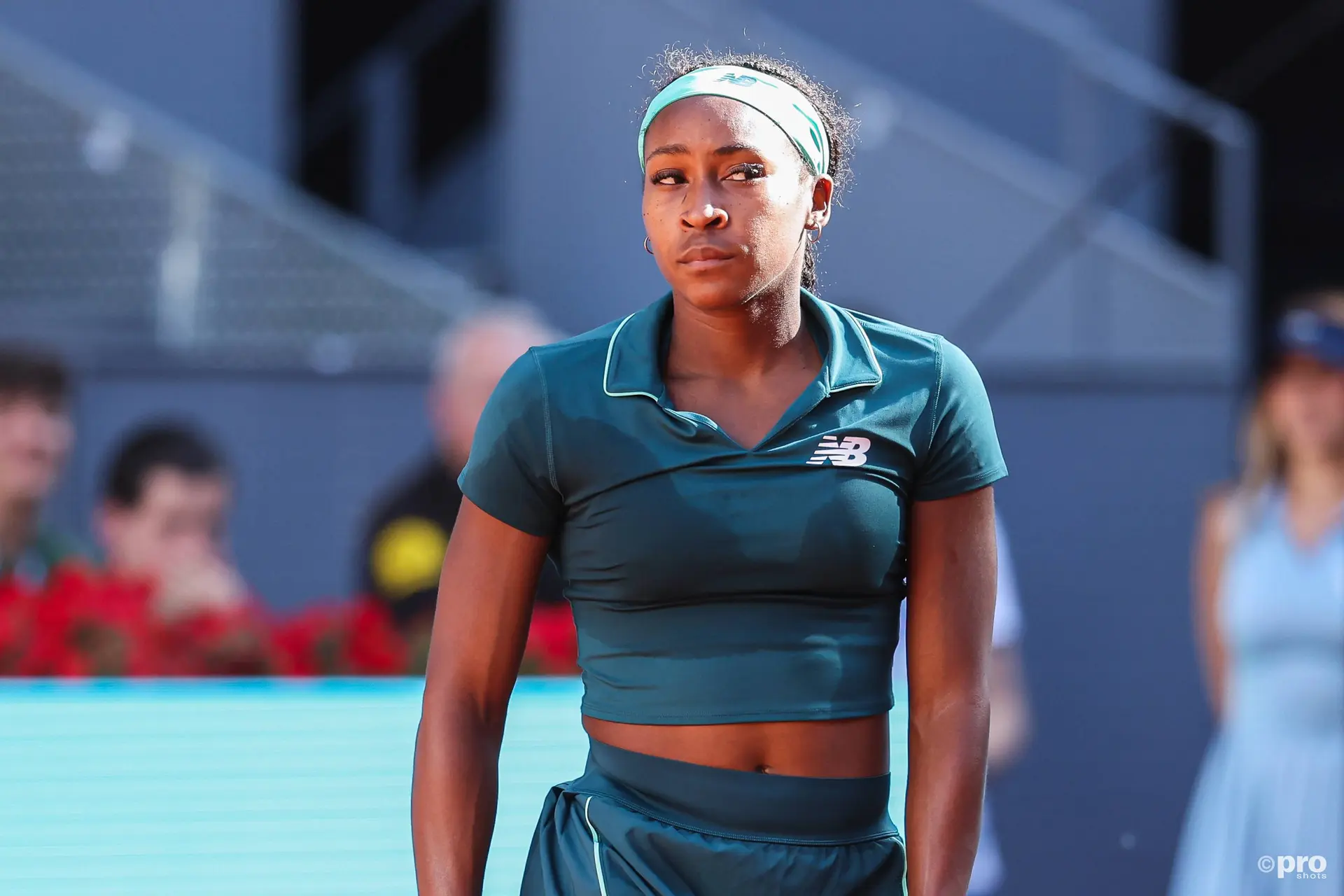
The decisive turning point came in the second set when Gauff faced elimination at 5-7, 3-5, saving a match point before reversing the momentum. She framed the moment less as a tactical adjustment and more as a psychological reaction to imminent defeat.
She admitted her thoughts briefly moved towards the consequences of losing at that stage of the tournament, particularly external scrutiny. “I mean, honestly on that match point, my head was almost like to the locker room to be honest. I was like, well, I'm going to hear a lot about this one.”

From that point, she stabilised her level and re-entered the match, while also noting a slight dip in Jovic’s execution after failing to convert. That combination allowed Gauff to extend the match into a third set, where she ultimately imposed herself physically and tactically.
“I just was able to get through it. And then I think she maybe dropped a little bit of her level when she had the lead. So it was able to help me get back into the match.”
She also referenced prior high-pressure experiences as a reference point, particularly matches where she had previously survived multiple match points. “Honestly, I was thinking about my match in Dubai when I saved five or six against Mertens. So I was like, maybe I can do it again today.”
Mental structure, coaching input and pressure environments
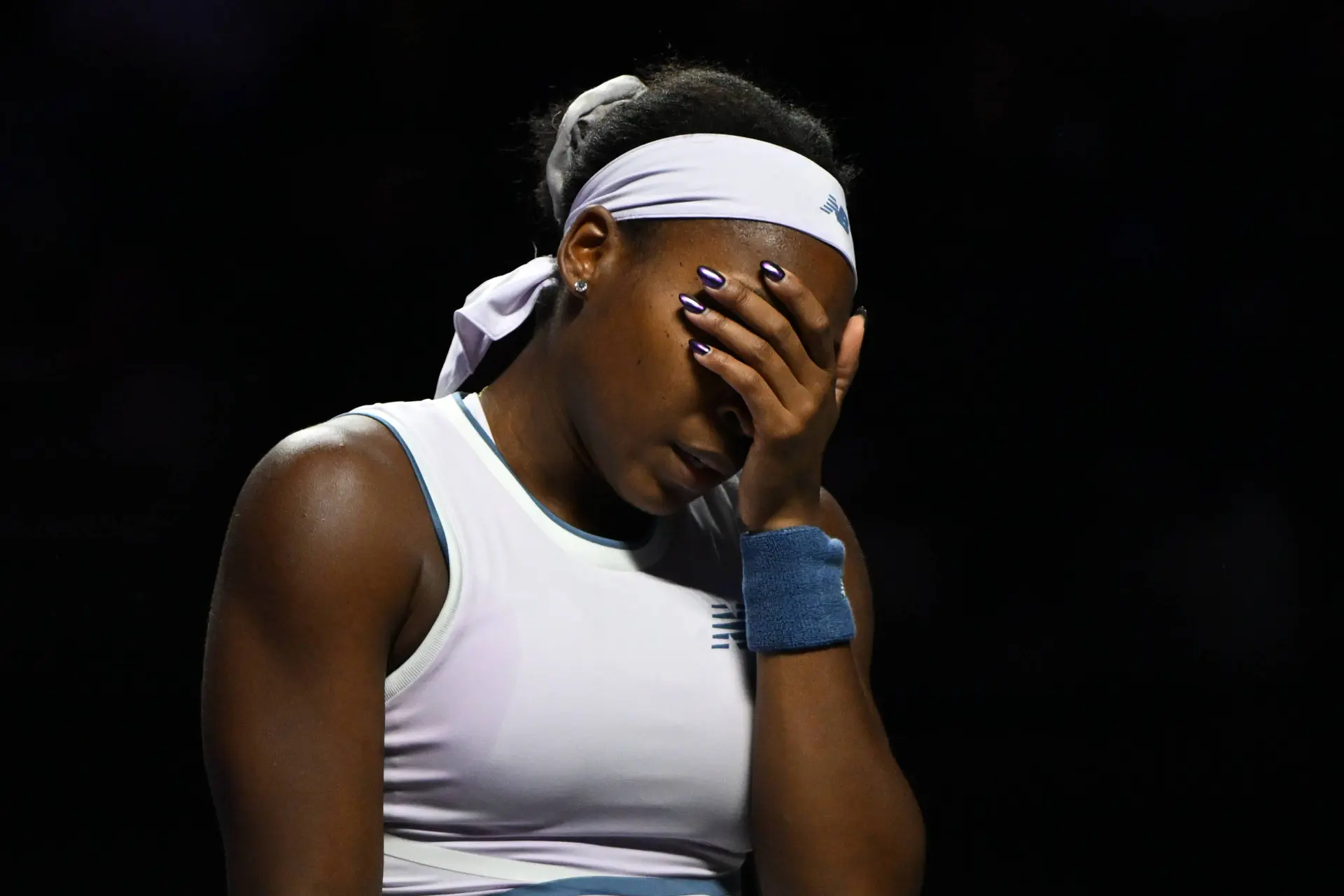
Gauff’s post-match assessment focused primarily on mental control rather than tactical changes. She described communication with her coaching box during critical phases as deliberately simple, aimed at stabilising focus rather than introducing new ideas.
“In that moment, I felt like he just gave me good advice. It wasn’t anything really crazy tactical. It was just reminders of the things that you need to continue to focus on and remember in those panic moments.”
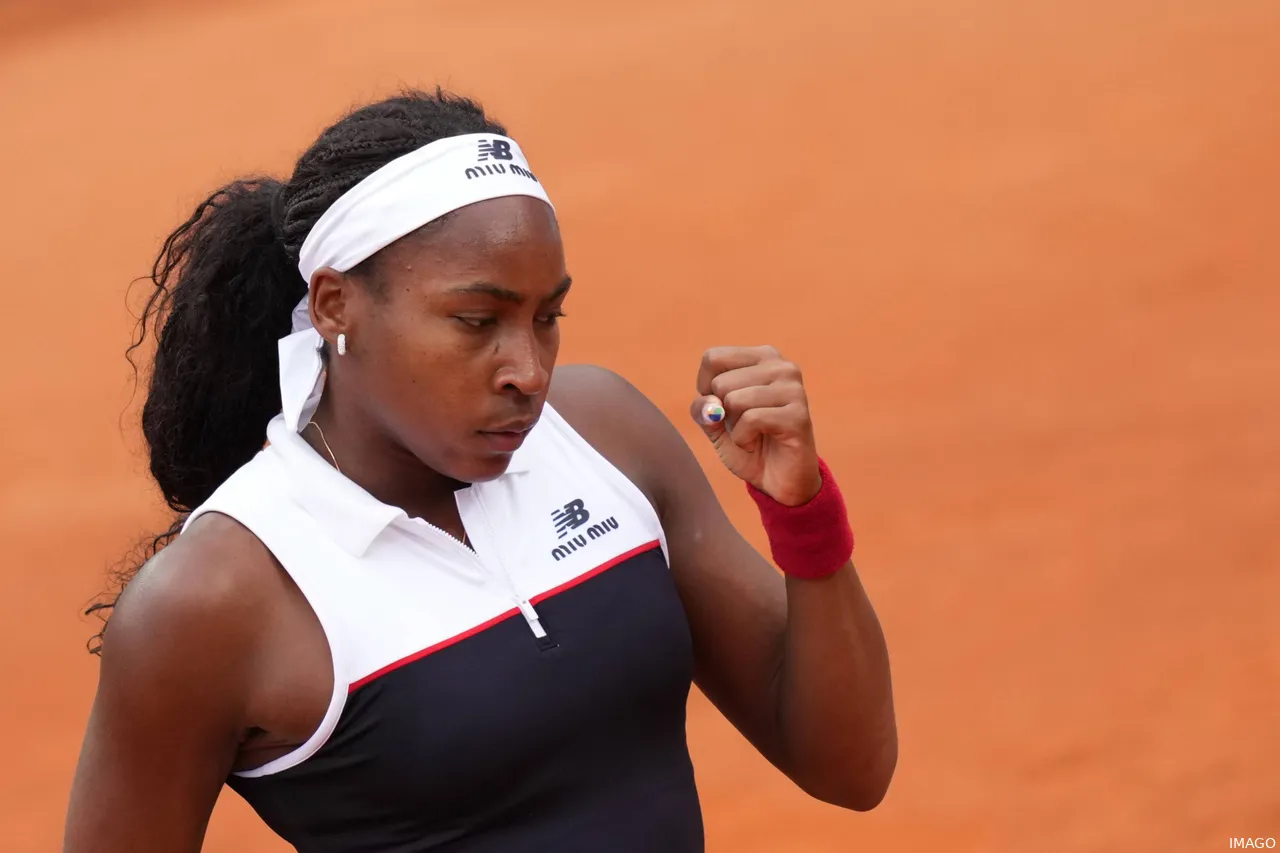
The 2025 Rome Open finalist also pointed to doubles competition as an additional pressure reference point, noting that recent experiences there had been unexpectedly intense and useful in managing similar situations in singles.
“You try to emulate pressure as much as you can in practice, but nothing is quite the same as a match. But honestly, yesterday in doubles we saved a match point too. It was 13–11, and I was a little bit more nervous for that than today. So maybe my doubles helped me in that aspect.”
Read also
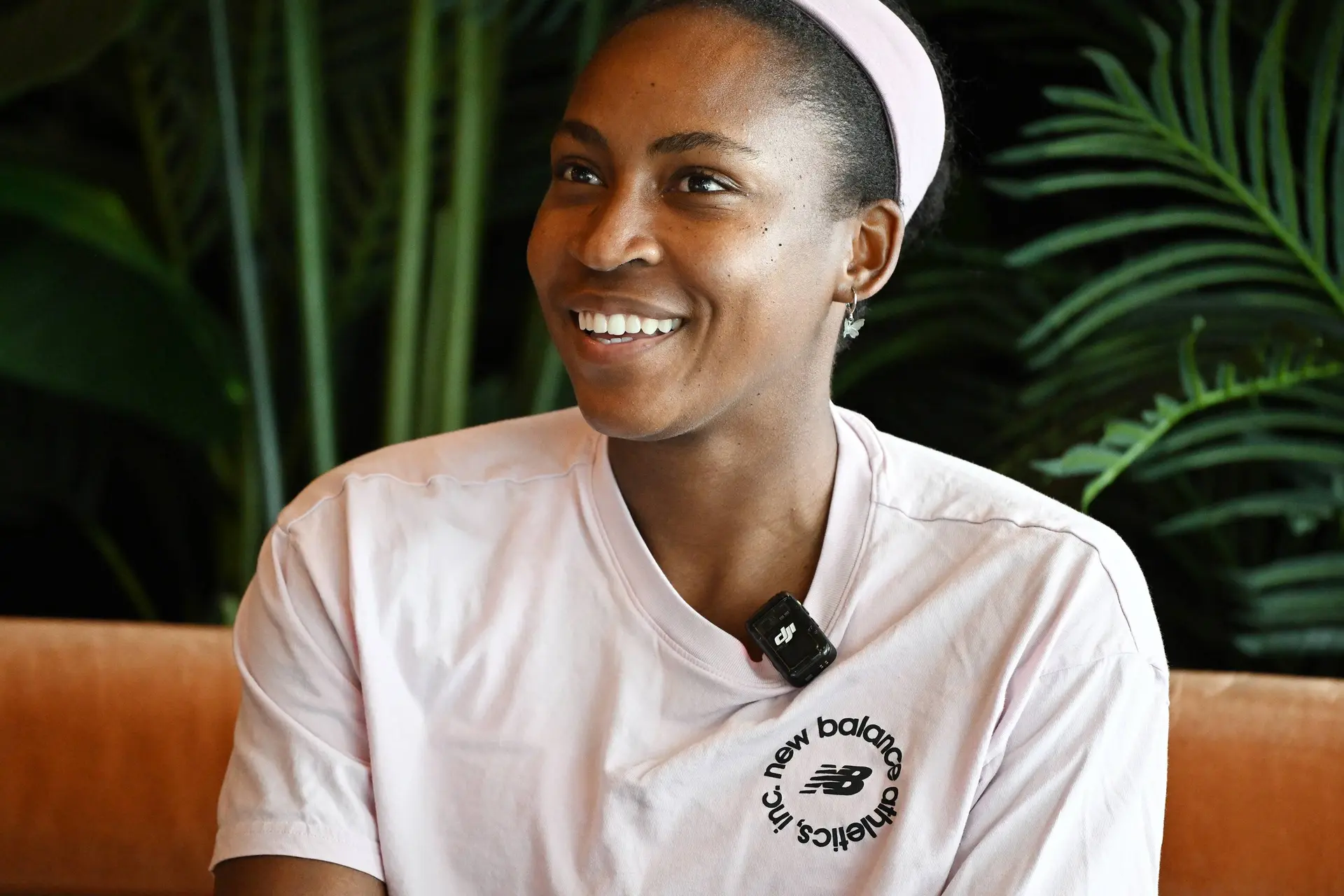
“I want to win everything” — pressure, expectations and season context
Gauff’s run in Rome fits into a broader season in which she remains one of the most consistent players on the WTA Tour, with multiple WTA 1000 titles to her name, all on hard courts. On clay, her strongest results include finals in Madrid and Rome in 2025, alongside her Roland Garros title, reinforcing her ability to compete at the top level across surfaces.
Her 2026 Rome campaign has been defined by repeated comebacks, including earlier wins over Tereza Valentova and Solana Sierra, as well as the dramatic escape against Jovic. Across those matches, she acknowledged a recurring internal challenge linked to expectation management and self-imposed pressure.
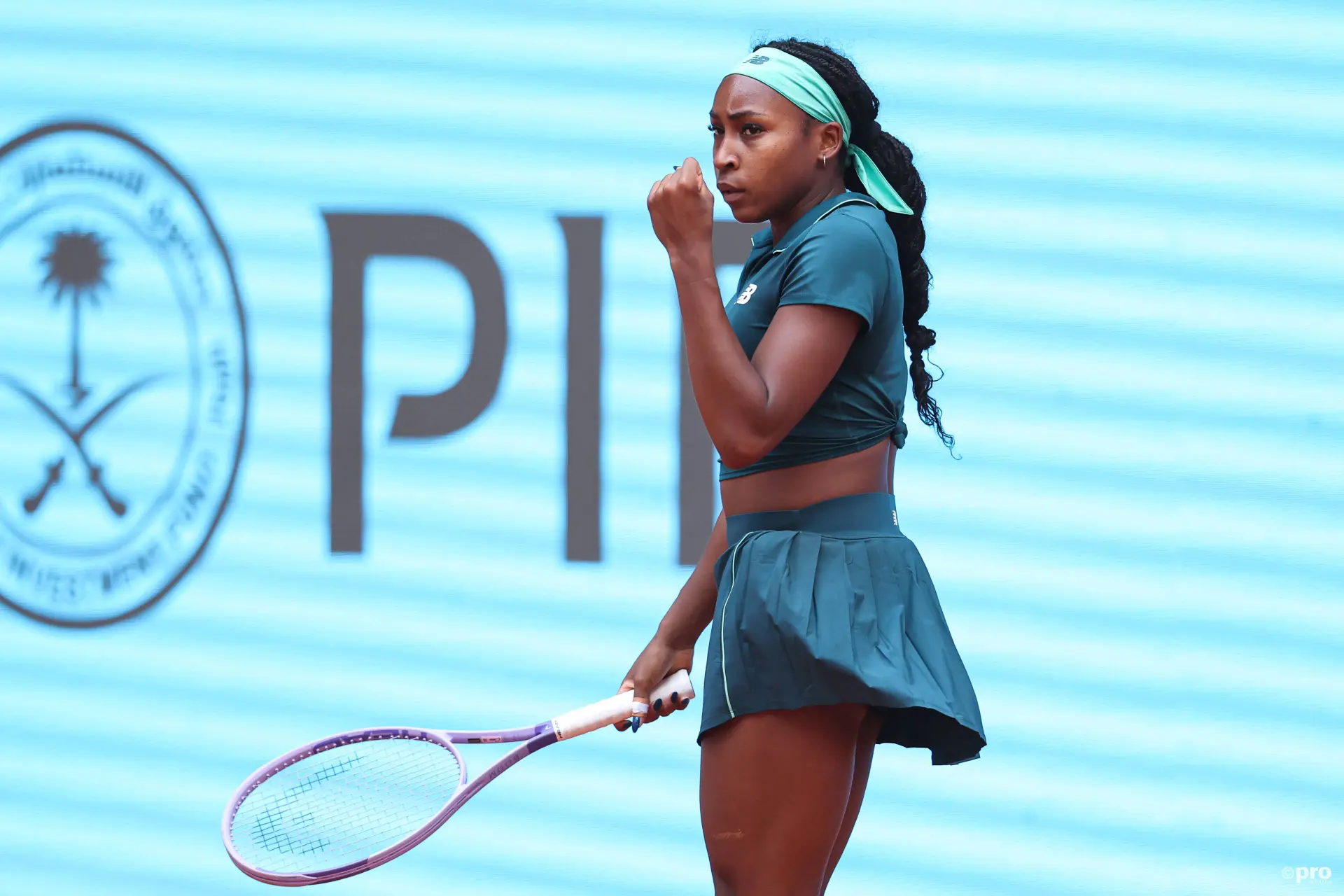
“I’m probably on the side of putting too much pressure on myself. You always want more in sport,” she said. “At my age maybe I’ll appreciate things more later, but right now I sometimes put too much pressure on every tournament. I want to win everything.”
At the same time, she described a gradual shift in perspective regarding consistency and expectations across tournaments, particularly at WTA 1000 level events such as Rome and Madrid. “I’ve taken a step back and just realised that I’m not going to win every single tournament. I just need to focus on the journey and the process.”

Cristhián AvilaTennis Journalist
Cristhián Ávila is a tennis journalist based in Santiago, Chile, and has been part of the TennisUpToDate team since early 2023. He covers the ATP and WTA Tours as well as all four Grand Slams, producing breaking news, match reports, analysis, and regular liveblogs from major tournaments.
His reporting combines statistical analysis with clear explanation, helping readers understand tactical developments, player form, and broader storylines across the tour. Working fluently in both Spanish and English, Cristhián collaborates with an international editorial team and contributes to comprehensive global coverage. As part of his work, he has conducted interviews and media interactions with leading figures in the sport, including Caroline Wozniacki and John McEnroe.
In his journalism, Cristhián places strong emphasis on careful sourcing, editorial accuracy, and updating articles promptly when new, verified information becomes available. His coverage is grounded in research, context, and direct engagement with professional tennis.
claps 0visitors 0
Just In

Popular News

Latest Comments
- Does Sinner need that 4.5 mil? I doubt it. He can make that with three modelling gigs!😅🤣Rapunzel21-10-2026
- Did "People Magazine" purchase this website? This nonstop storyline is bullshit.
 mandoist21-10-2026
 - Listen... this is of no concern to anyone but these two. Deal with your own issues -- most of us have our own. Thanks, media, for these insignificant follow-ups which are meaningless.mandoist21-10-2026
- This is so very very sad, for all three of them. I truly thought they had an unbreakable bond, but life throws up so many differing challenges. Having your homeland suffering in such a terrible way, makes happiness lose out to guilt as well. Our thoughts are with them. X💔bjsexton20-10-2026
- I have lost all respect for Svitolina! Could she not have waited until he had played at the Paris Masters!!! She is selfish and don't give a damn about Gael. That is NOT how love is demonstrated Elina!!Rapunzel19-10-2026
- Perhaps convenient tennis tour sex is not a strong enough experience in which to base a marriage?mandoist19-10-2026
- Fight the Good Fight... Tennis (sports in general) need more Humans such as yourself.mandoist18-10-2026
- When is WTA going to mandate Genetic Testing (DNA) ???mandoist18-10-2026
- Hey, Dan... you just wake up from a coma? Regardless -- Thanks for the comedy this morning!mandoist18-10-2026
- Two Things: 1. Stop allowing these Spoiled Trust-Fund Elitists to behave badly. Your little hand-slaps do not deter them. 2. STOP the incessantly annoying "towel wiping" nonsense!!!!mandoist15-10-2026

Loading