“No one wanted to practise with her”: Danielle Collins’ former coach on early struggles before top-30 rise
WTA
Tom Hill’s path into coaching began unexpectedly at IMG Academy, where he was invited to train with Maria Sharapova shortly after finishing college. That experience placed him in a high-performance environment without a defined role, shaping a direct and observational approach that would later define his work on tour. “Next thing I know, I’m in IMG Academy sparring with her, and that’s kind of how it started.”
From there, Hill began working with several WTA players in Florida before joining Danielle Collins in 2016, initially as a hitting partner. Collins was transitioning from college tennis ranked outside the top 200, entering a circuit with limited experience against established professionals.
The results came quickly. Within eight months, Collins broke into the top 30, one of the fastest ranking jumps on the WTA Tour during that period. She later backed that progression with semifinal runs at the 2018 Miami Open and the 2019 Australian Open, confirming her ability to compete at the highest level.
Hill’s role during that phase developed without structure or long-term planning, relying instead on simplified communication and practical adjustments during training. “I told Danielle from the start that I wasn’t really a coach," he said in an interview with Tennis Insider Club - podcast hosted by the former world No. 4 Caroline Garcia. "I could just tell her what I saw and what I would do, and we went from there.”
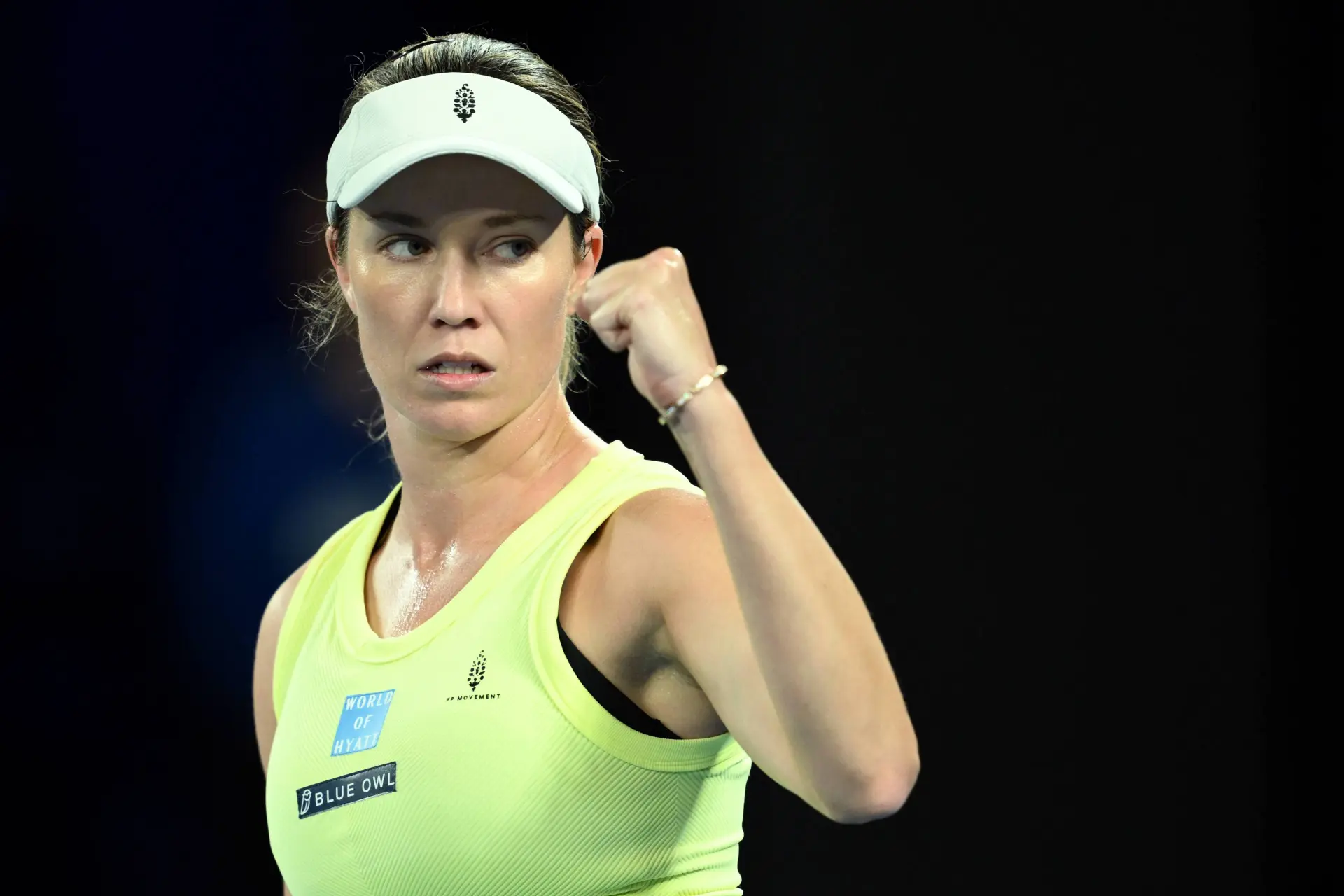
Collins rise built on controlled aggression
Hill identified early that Collins had the power and baseline level to compete, but lacked clarity in shot selection, particularly in neutral rallies where points were often rushed. “She had no idea when to go for a big shot and when not to, so we spent a lot of time just repeating situations, understanding which balls to take on and which ones to stay in the rally.”
That adjustment translated directly into results. Collins maintained her aggressive identity but reduced unforced errors in key moments, particularly on return games and extended exchanges, where her decision-making became more consistent. “She went from 250 to 30 in the world in eight months, which tells you the level was already there, it just needed to be used in the right way.”
The working environment also played a role in accelerating that process, as both operated without expectations or external pressure during the early stages of her career. “We used to joke that it was just me and her against the world, because no one really knew her and it was difficult to even get practice with other players at the beginning.”
Collins’ early phase defined by simplicity
Hill joined Danielle Collins in 2016 as she transitioned from college tennis ranked outside the top 200, working initially without a structured coaching framework or established support system on tour. “I told Danielle from the start that I wasn’t really a coach, I could just tell her what I saw and what I would do, and we went from there.”
The main issue was not level, but decision-making in rallies, particularly in neutral situations where points were being lost through poor shot selection rather than execution. “She had no idea when to go for a big shot and when not to, so we spent a lot of time just repeating situations, understanding which balls to take on and which ones to stay in the rally.”
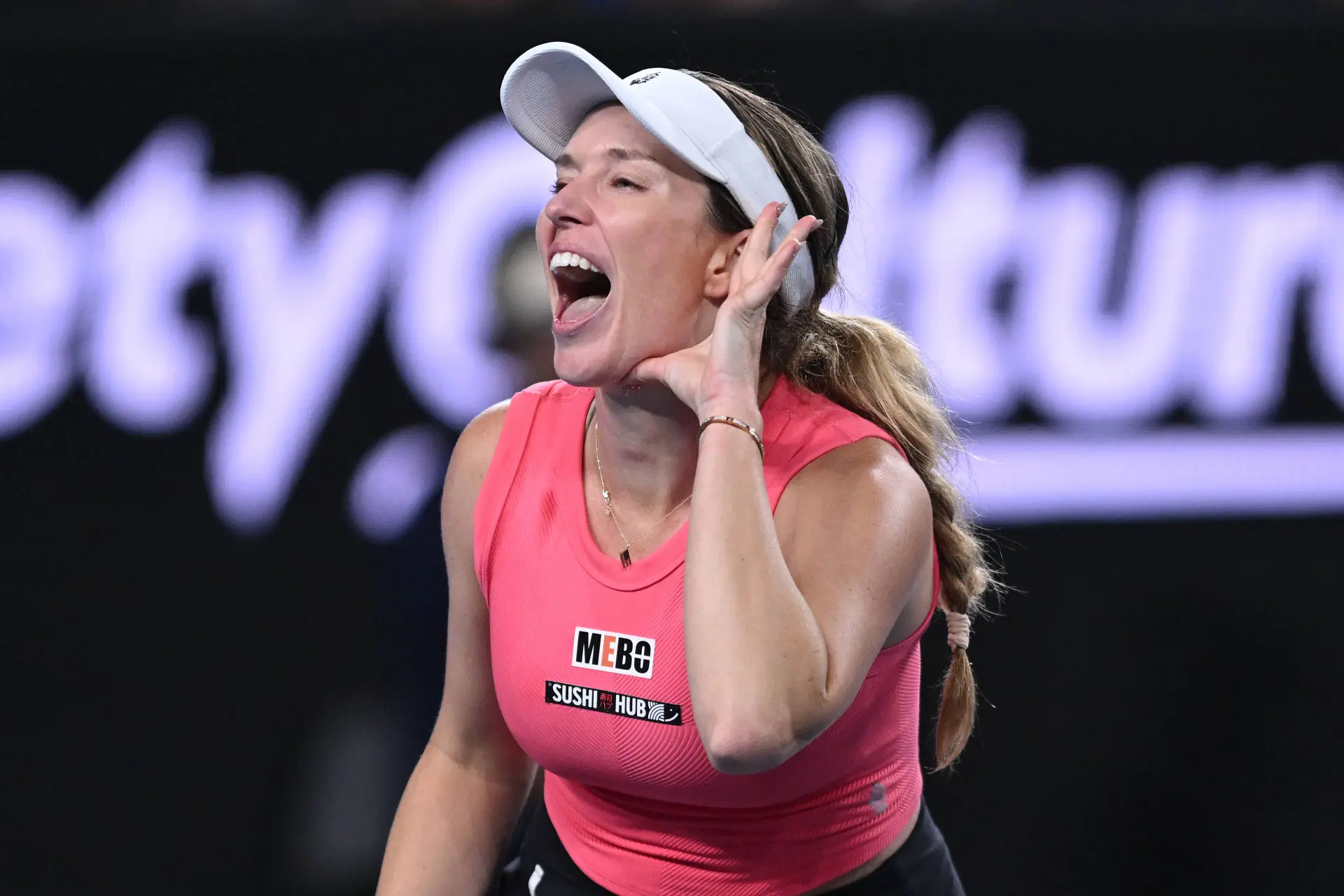
That phase also came without recognition inside the locker room, limiting access to practice opportunities and reinforcing a more self-contained dynamic during tournaments. “We used to joke that it was just me and her against the world, because no one really knew her and it was difficult to even get practice with other players at the beginning.”
From Collins breakthrough to Sakkari’s top-10 consistency
Hill later transitioned to working with Maria Sakkari, initially alongside Thomas Johansson, before taking on a more central role as she established herself inside the top 10.
During that period, Sakkari reached the semifinals at both Roland Garros and the US Open in 2021, while maintaining consistent results across WTA 1000 events, requiring a more structured and controlled coaching approach. “The biggest thing for a coach at that level is that you cannot have emotion, you have to see things clearly and understand what is actually happening in the match.”
Hill’s role extended beyond technical adjustments, focusing on managing expectations and maintaining perspective during high-pressure matches and narrow losses. “You can’t be more upset than the player, because your job is not to feel it more than they do, your job is to understand what needs to improve and help them move forward.”

Cristhián AvilaTennis Journalist
Cristhián Ávila is a tennis journalist based in Santiago, Chile, and has been part of the TennisUpToDate team since early 2023. He covers the ATP and WTA Tours as well as all four Grand Slams, producing breaking news, match reports, analysis, and regular liveblogs from major tournaments.
His reporting combines statistical analysis with clear explanation, helping readers understand tactical developments, player form, and broader storylines across the tour. Working fluently in both Spanish and English, Cristhián collaborates with an international editorial team and contributes to comprehensive global coverage. As part of his work, he has conducted interviews and media interactions with leading figures in the sport, including Caroline Wozniacki and John McEnroe.
In his journalism, Cristhián places strong emphasis on careful sourcing, editorial accuracy, and updating articles promptly when new, verified information becomes available. His coverage is grounded in research, context, and direct engagement with professional tennis.
claps 0visitors 0
Just In



Popular News
Latest Comments
- Vacherot is Mongasque, rather than Swiss. The tournament was Swiss :DTrwd7702-11-2026
- After a couple decades traveling to IIHF tourneys overseas... our family is done with it... and I will not be the only one!! Bad enough the NHL allows Ovachenko (a Putin Supporter and Campaigner) to live and play in the USA. Let's not forget the STATE SPONSORED RUSSIAN DOPING PROGRAMS still in effect today.
 mandoist31-10-2026
- Osaka's mental state apparently does not allow her to reach any more Quarter Finals? I mean, she doesn't really have the time for tennis with all the pre-planning that must go into her 12 year-old "fashion" goals.mandoist29-10-2026
- With her money one would think she could afford a better team of Psychiatrists?mandoist29-10-2026
- Boss move, Sinner !Rapunzel27-10-2026
- Apparently still refusing to seek 'help' ...and still playing Dress-Up like a 10 year-old.mandoist27-10-2026
- Lena... Takin' care of businessmandoist25-10-2026
- Can you please stop publishing this nonsense? Stick to Tennis.mandoist25-10-2026
- Does Sinner need that 4.5 mil? I doubt it. He can make that with three modelling gigs!😅🤣Rapunzel21-10-2026
- Did "People Magazine" purchase this website? This nonstop storyline is bullshit.mandoist21-10-2026
