Rome Open WTA Day Seven Round-Up | Iga Swiatek and Jessica Pegula cruise with bagel wins while Rybakina powers past Eala
WTA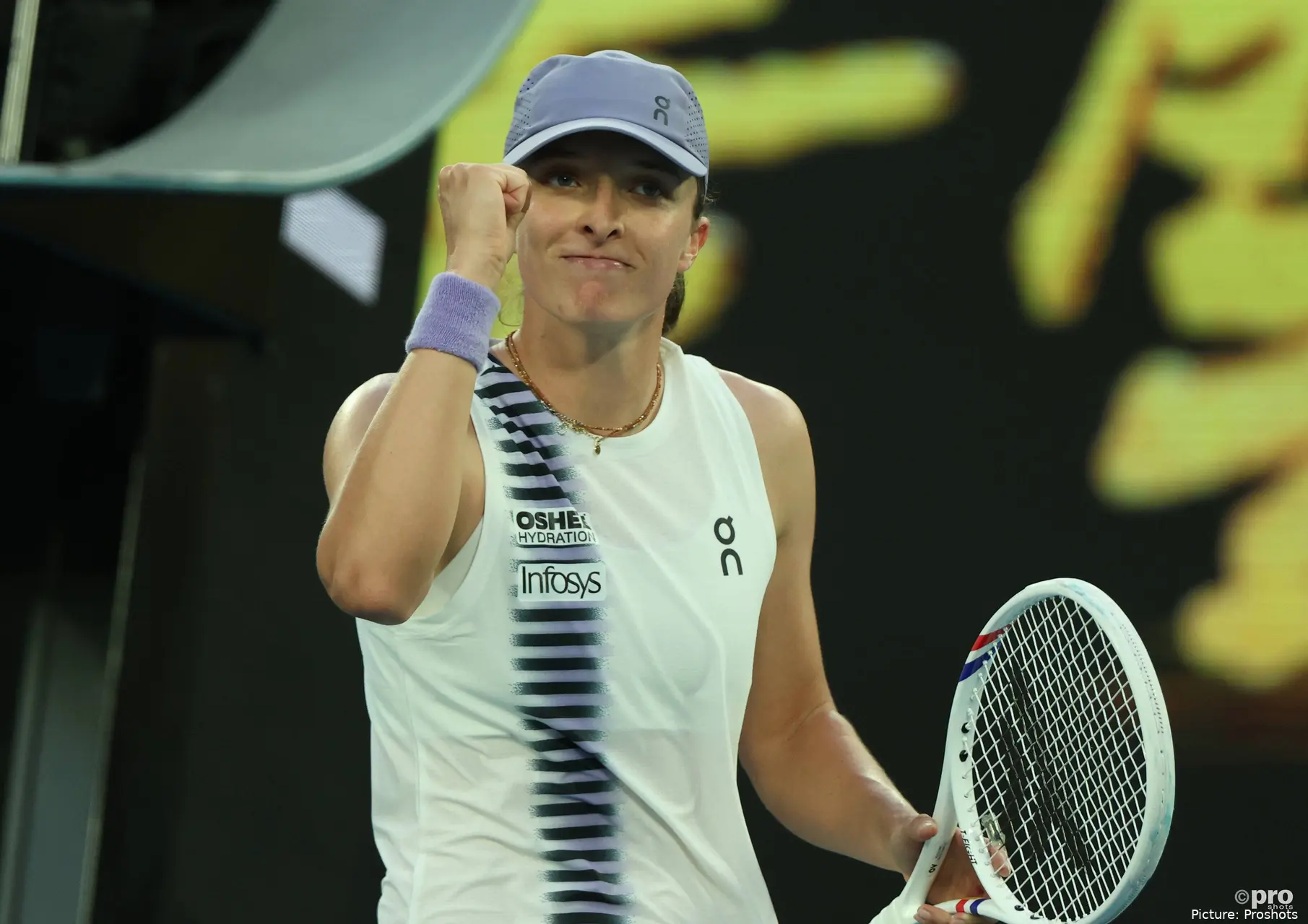
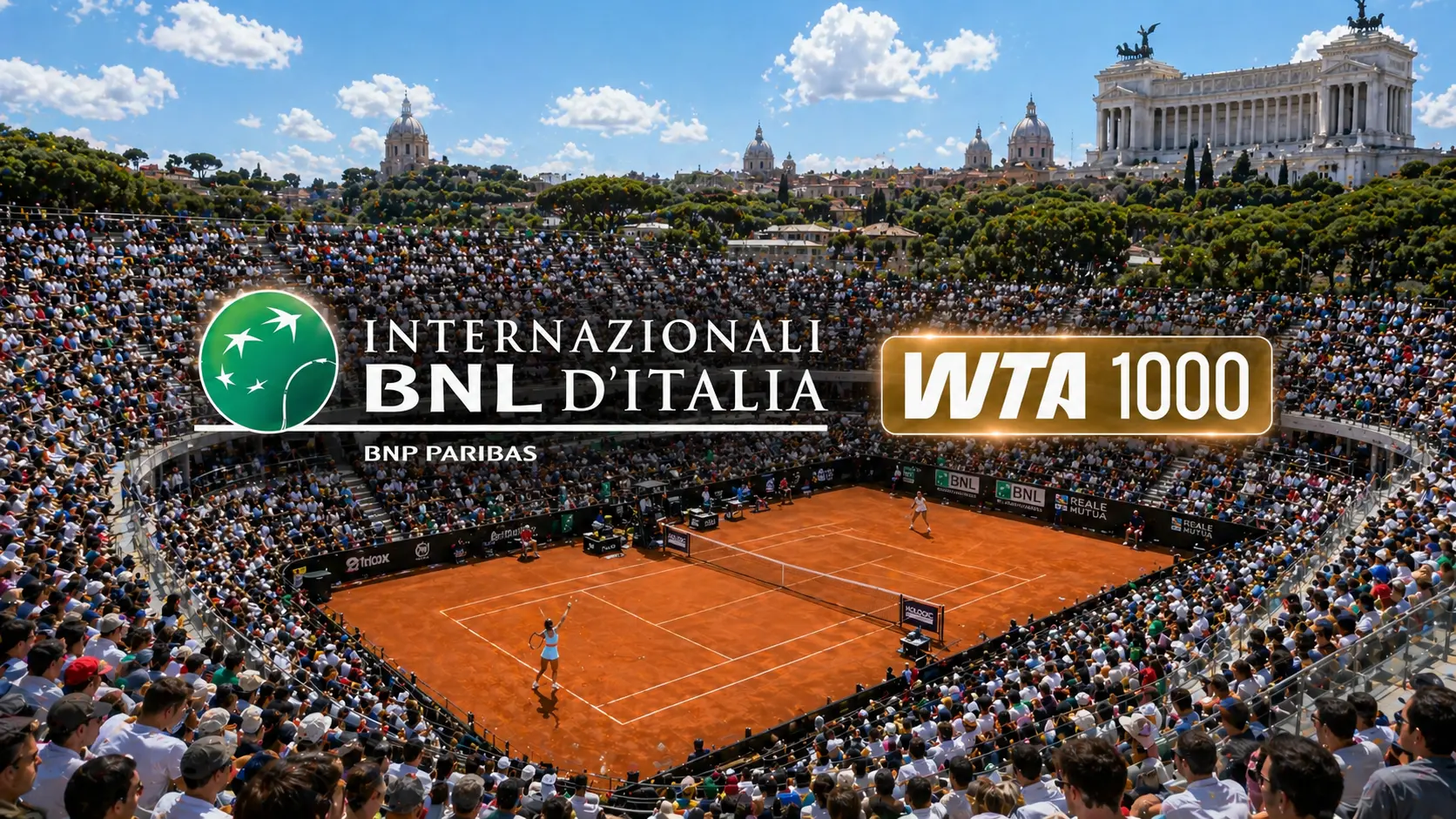
The Rome Open Round of 16 concluded with several one-sided performances from the top seeds, most notably Iga Swiatek and Jessica Pegula, who imposed clear control through return pressure and service efficiency. Naomi Osaka and Elena Rybakina also progressed with straight-sets wins, reinforcing a quarter-final line-up shaped by dominant serving patterns and limited break-point exposure.
The standout disruption in the Rome Open Round of 16 came through Nikola Bartůňková’s upset of Madison Keys, decided in a tight final set. Elsewhere, Elina Svitolina maintained strong form with a comprehensive win over Hailey Baptiste, while Anastasia Potapova and Swiatek produced high-level return performances that separated them from their opponents.
Potapova advances through sustained return pressure over Samsonova
Anastasia Potapova def. Liudmila Samsonova 6-3, 6-2
Potapova created break-point opportunities in nearly every return game, converting multiple chances to establish early separation in both sets. Samsonova was unable to stabilise second-serve patterns under consistent baseline pressure.
The key tactical factor was Potapova’s return positioning, stepping in aggressively to reduce rally length and force early contact errors. Even when broken back, she immediately regained control through sustained return depth.
Potapova’s four consecutive games in the second set closed the contest decisively. She advances into the Rome Open Round of 16 with a performance defined by return consistency and break-point conversion efficiency.

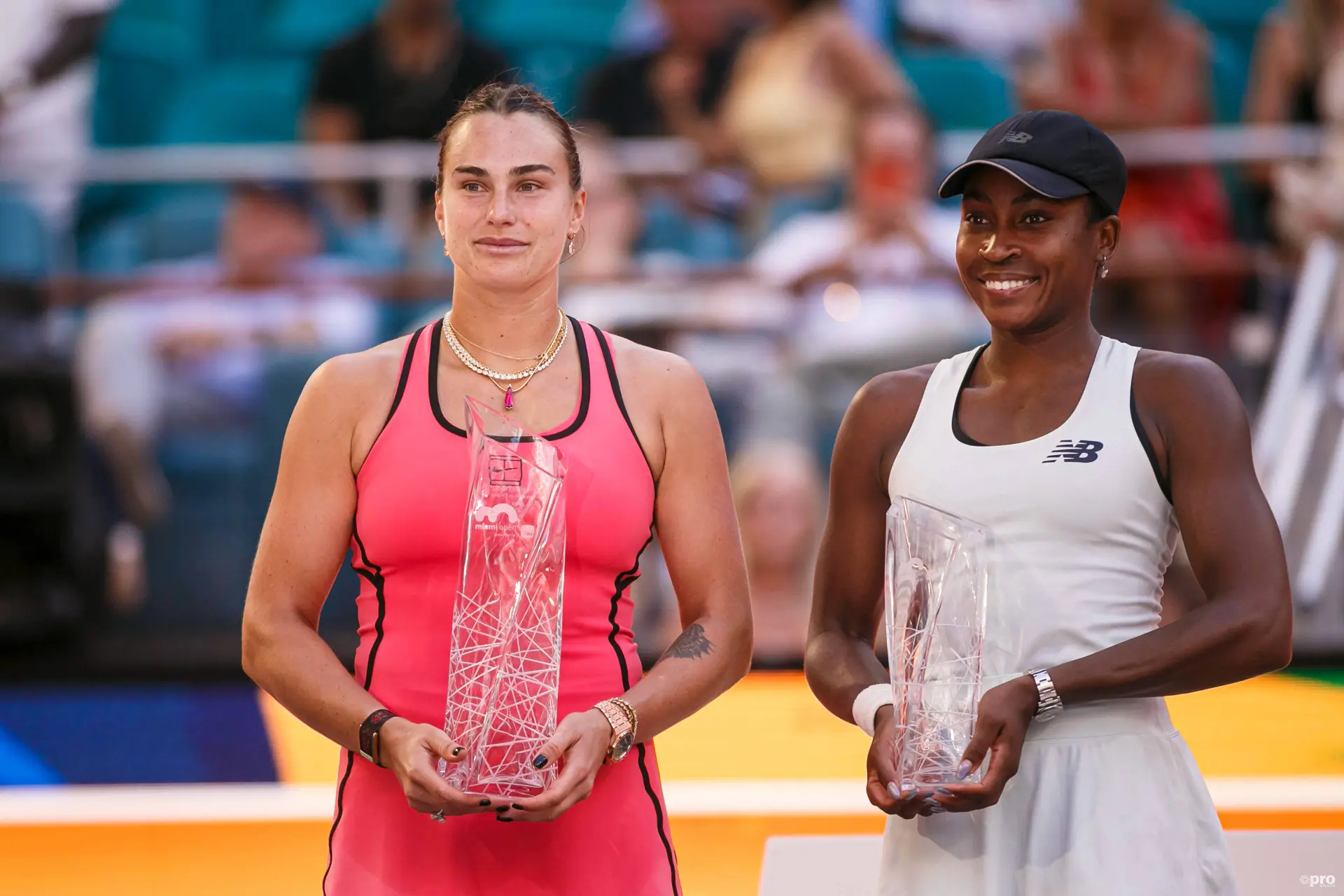
Anastasia Potapova after beating Elena Rybakina to reach the quarter-finals of the Madrid Open
Keys undone by late break in decisive set against Bartůňková
Nikola Bartůňková def. Madison Keys 6-3, 1-6, 6-4
The match was statistically closer than the final score suggests, with both players registering two breaks each over the contest and Keys slightly ahead in service performance, winning 69% of service points compared to Bartůňková’s 64%. The difference emerged in high-leverage moments rather than overall consistency.
After Keys dominated the second set, the decider remained on serve until the tenth game, where she served to stay in the match. Bartůňková elevated return depth in that game, forcing shorter responses and securing the decisive break at the most critical juncture.
The Czech’s ability to execute in the final return game outweighed marginal statistical disadvantages across the match. At 20 years old, she secures her first WTA 1000 fourth-round appearance and guarantees a ranking rise inside the top 65. She will face Elina Svitolina in the next round.
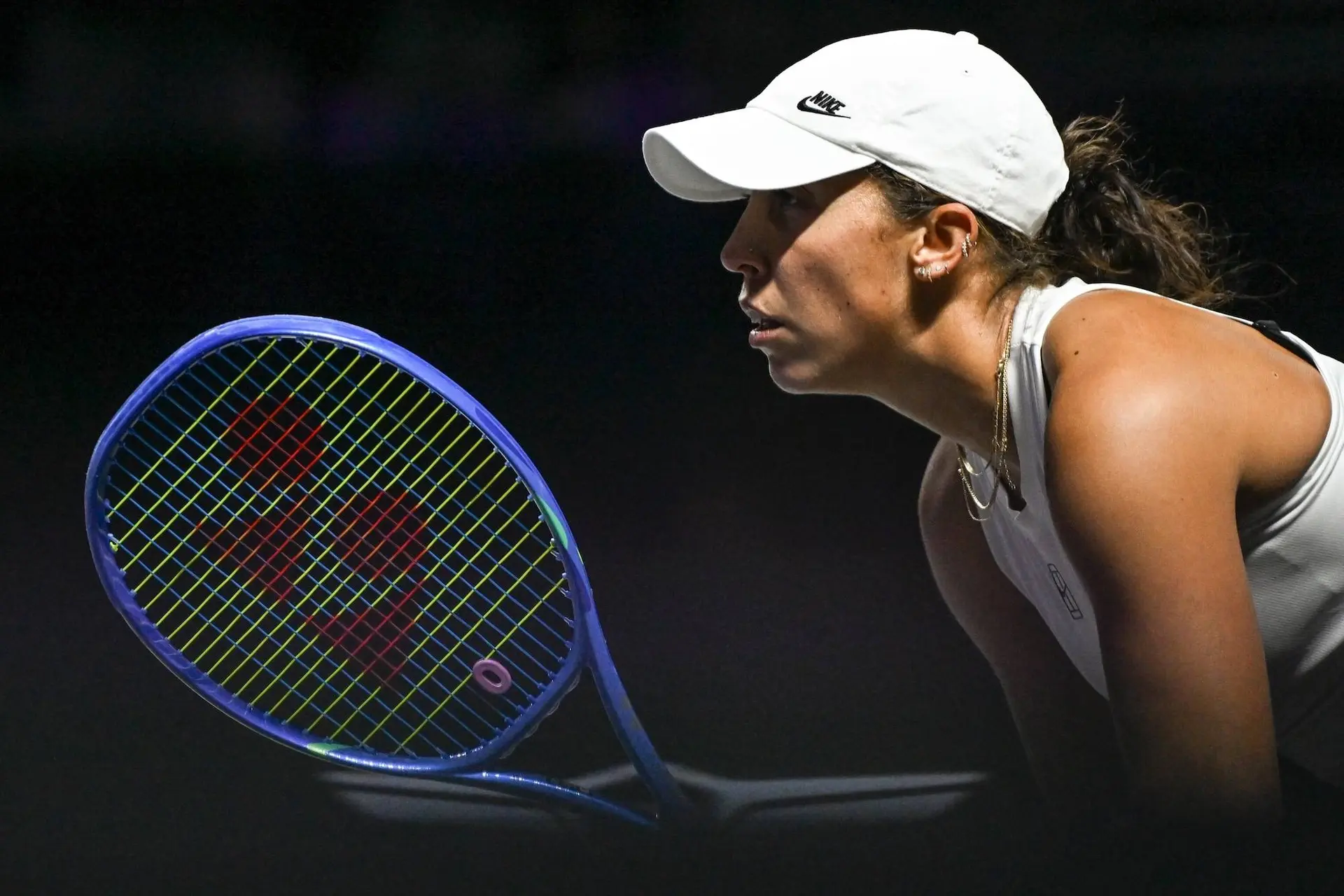
Svitolina dominates Baptiste through serve protection
Elina Svitolina def. Hailey Baptiste 6-1, 6-2
Svitolina produced one of the most controlled performances of the round, conceding only three games in total while maintaining high serve efficiency, winning 75% of first-serve points and 76% on second serve. Baptiste was unable to convert any of her five break-point opportunities, a decisive missed leverage factor.
The match swung early through Svitolina’s return positioning, where she converted 4 of 8 break points, consistently forcing Baptiste into defensive second-serve patterns. Once ahead, she maintained structural control by limiting free points and extending return pressure across multiple service games.
The combination of high first-serve win rate and break-point suppression explains the one-sided scoreline. Svitolina advances into the Rome Open Round of 16 second week with a performance defined by efficiency in both serve protection and return conversion.

Osaka progresses through early-point dominance over Shnaider
Naomi Osaka def. Diana Shnaider 6-1, 6-2
Osaka built the foundation of her win through early return aggression, winning 12 of the first 13 points and immediately establishing a two-break cushion. That early separation defined the entire tactical structure of the match, removing sustained service pressure scenarios.
Shnaider struggled to maintain second-serve stability under repeated first-strike returns, allowing Osaka to dictate baseline position without extended rally sequences. The momentum shift was never reversed after the opening surge.
Osaka closed the match with consistent service holds and repeated return pressure, advancing into the Rome Open Round of 16 with a controlled straight-sets performance. She moves into a high-profile 4th round meeting with Swiatek.

Pegula delivers complete baseline shutdown against Masarova
Jessica Pegula def. Rebeka Masarova 6-0, 6-0
Pegula dominated from the opening return games, winning the first eight points and converting three consecutive break points to establish immediate structural control. Masarova failed to hold any service rhythm, repeatedly exposed in extended return games.
The decisive factor was Pegula’s return depth, which neutralised Masarova’s first serve and forced second-serve patterns under immediate pressure. Across the match, Pegula did not face a single break point, underlining full service dominance.
The encounter lasted just over an hour, including a 23-minute opening set. Pegula advances into the Rome Open Round of 16 with minimal physical expenditure and a highly efficient service-return balance.

Rybakina controls Eala through first-serve efficiency
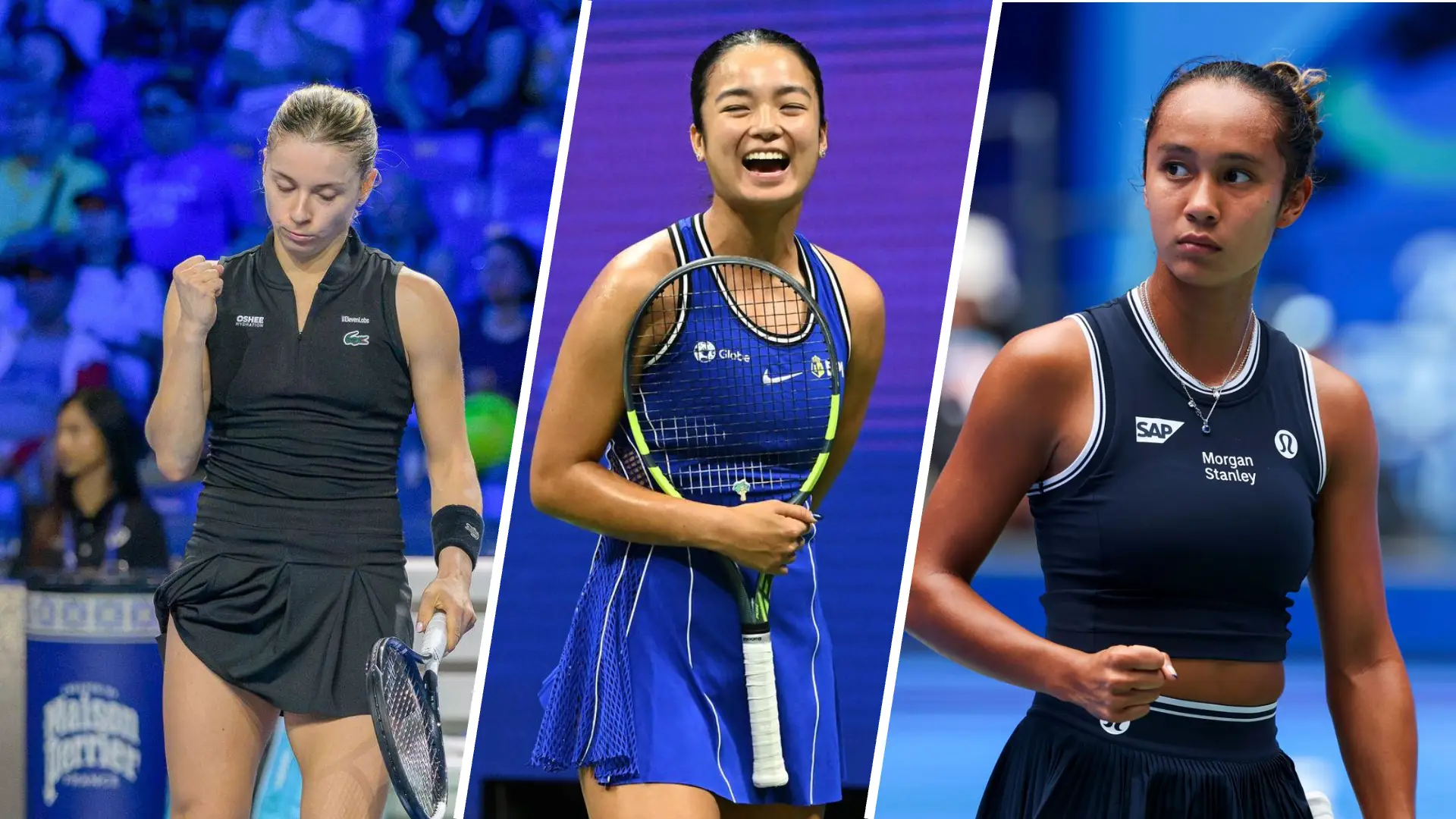
Elena Rybakina def. Alexandra Eala 6-4, 6-3
Rybakina’s baseline control was underpinned by a 62% first-serve percentage, winning 73% of those points, which consistently limited Eala’s return depth. Eala generated only a single break point in the match, which she converted, but was otherwise unable to sustain pressure on return games.
The tactical turning point came in the early second set exchanges, where Rybakina immediately re-established control after losing and recovering breaks. Her ability to reset with first-serve accuracy prevented Eala from building any extended momentum after brief rallies swung in her favour.
Rybakina produced four breaks from seven opportunities, a key efficiency indicator in a match where total break chances were limited. That differential, combined with serve dominance, explains the straight-sets outcome. She advances in the Rome Open Round of 16 and will face Karolína Plíšková.

Swiatek overwhelms Cocciaretto with sustained mid-match run
Iga Swiatek def. Elisabetta Cocciaretto 6-1, 6-0
Swiatek established early control by breaking repeatedly in the opening games, but the decisive separation came after she found rhythm on return behind a 62% first-serve rate, winning 76% of those points. Cocciaretto was unable to convert any of her three break-point opportunities, which prevented any structural pressure building on the Swiatek service games.
The key tactical shift came once Swiatek increased depth on both wings, particularly targeting the Italian’s backhand under pressure. From 3-1 in the first set, Swiatek produced a nine-game consecutive streak, effectively removing any competitive phase from the match.
Swiatek converted 5 of 7 break points, a decisive efficiency gap that explained the scoreline rather than raw winners or extended rallies. The match was completed in 67 minutes, and she advances into the Rome Open Round of 16 with minimal physical load, where draw conditions continue to open after other seeded exits.

Iga Swiatek reacts with clenched fist, celebrates the win of the Point against Siegemund


Lucas MichaelTennis Journalist
Lucas Michael is a tennis journalist based in Cambridge, UK, specializing in comprehensive coverage of the ATP and WTA tours. For the past 1.5 years, he has been a core contributor to TennisUpToDate, where he has authored more than 3,000 data-driven match reports, deep-dive analysis pieces, and engaging liveblogs.
Lucas pairs real-time statistical analysis with on-the-ground reporting, frequently traveling to tournaments to cover the action firsthand from the press box and player press conferences. This blend of advanced metrics and direct access allows him to provide sharp context regarding player form, tactical trends, and breaking tour developments.
He holds a BA (Hons) in Sports Journalism. Grounded in core journalistic ethics, Lucas places a strict emphasis on meticulous sourcing, editorial accuracy, and a commitment to updating live content swiftly as verified information emerges.
claps 0visitors 0
Just In



Popular News


Latest Comments
- Does Sinner need that 4.5 mil? I doubt it. He can make that with three modelling gigs!😅🤣Rapunzel21-10-2026
- Did "People Magazine" purchase this website? This nonstop storyline is bullshit.
 mandoist21-10-2026
 - Listen... this is of no concern to anyone but these two. Deal with your own issues -- most of us have our own. Thanks, media, for these insignificant follow-ups which are meaningless.mandoist21-10-2026
- This is so very very sad, for all three of them. I truly thought they had an unbreakable bond, but life throws up so many differing challenges. Having your homeland suffering in such a terrible way, makes happiness lose out to guilt as well. Our thoughts are with them. X💔bjsexton20-10-2026
- I have lost all respect for Svitolina! Could she not have waited until he had played at the Paris Masters!!! She is selfish and don't give a damn about Gael. That is NOT how love is demonstrated Elina!!Rapunzel19-10-2026
- Perhaps convenient tennis tour sex is not a strong enough experience in which to base a marriage?mandoist19-10-2026
- Fight the Good Fight... Tennis (sports in general) need more Humans such as yourself.mandoist18-10-2026
- When is WTA going to mandate Genetic Testing (DNA) ???mandoist18-10-2026
- Hey, Dan... you just wake up from a coma? Regardless -- Thanks for the comedy this morning!mandoist18-10-2026
- Two Things: 1. Stop allowing these Spoiled Trust-Fund Elitists to behave badly. Your little hand-slaps do not deter them. 2. STOP the incessantly annoying "towel wiping" nonsense!!!!mandoist15-10-2026

Loading